




19th Century Oak Bureau
A 19th century oak bureau combines a drop-front writing surface with concealed drawers, offering a practical workspace wrapped in heavy timber character.
19th Century Oak Bureau
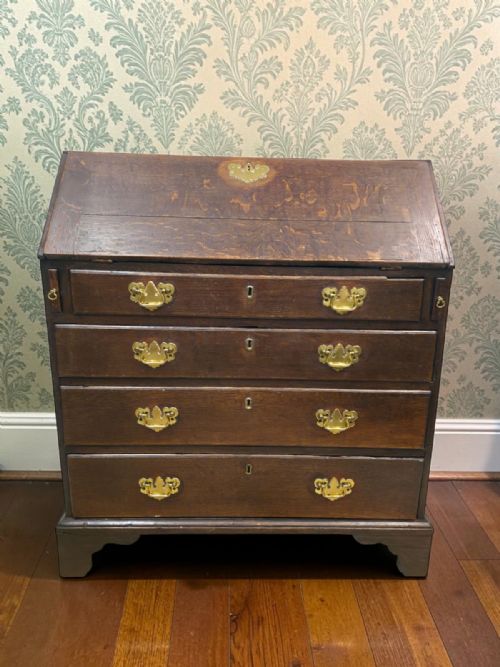
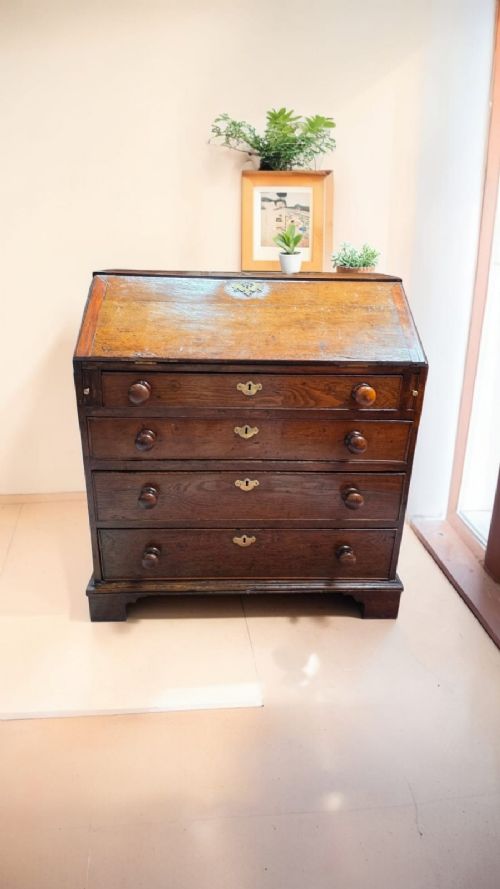
A 19th century oak bureau typically presents as a fall-front desk that conceals a fitted interior of small compartments and pigeonholes. These pieces bridge the gap between heavy storage furniture and dedicated writing spaces.
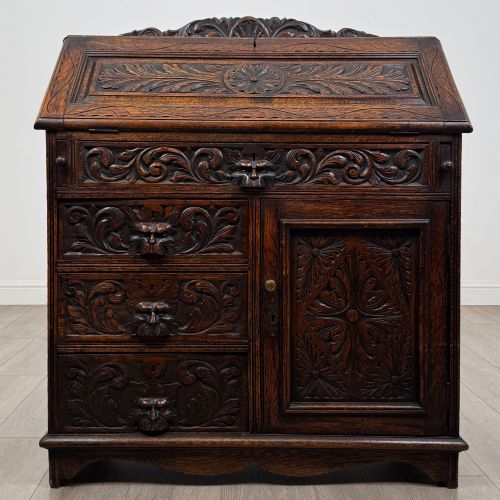
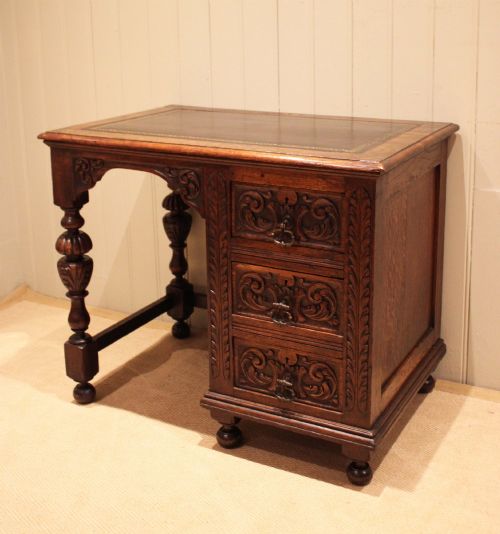
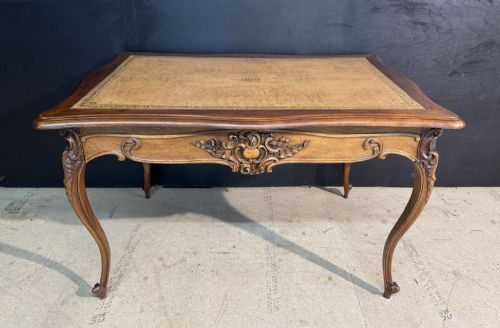
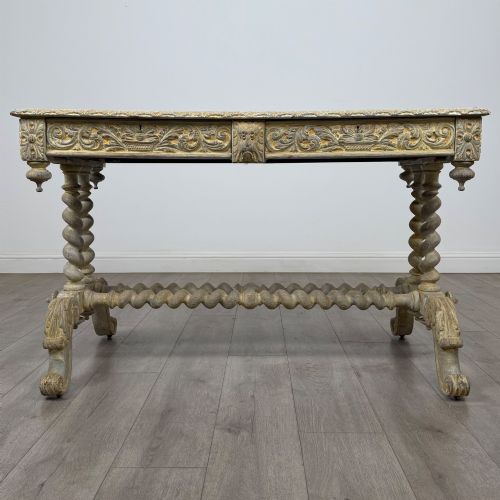
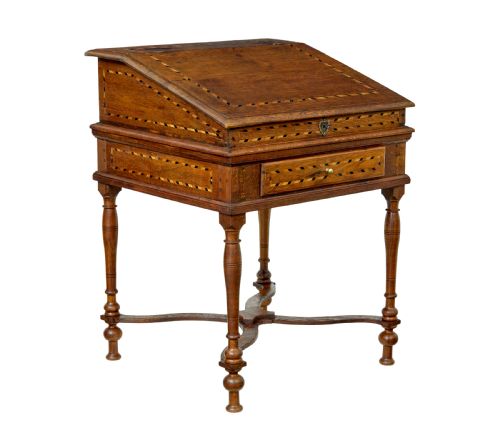
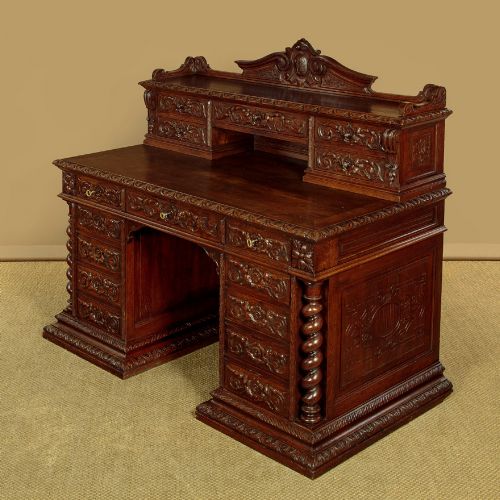
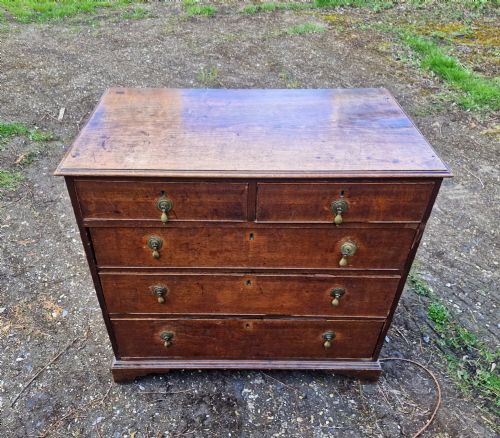
The selection here encompasses straightforward country pieces alongside heavily carved Victorian interpretations and Dutch inlaid examples. Alongside standard fall-front forms, the inventory includes kneehole desks, Davenport desks, and larger secretaire bookcases.
Makers of the period utilised oak across various styles, stretching from plain Georgian utilitarian builds to elaborate Gothic and Aesthetic Movement expressions. Each variation maintains a focus on functional writing accommodation packaged within robust timber housing.
What varies in quality
The standard of carving and timber selection determines the upper tier of these pieces, distinguishing robust provincial work from finely detailed metropolitan outputs. Subtle variations in the grain of the oak and the crispness of relief details reveal the maker's hand.
Internal arrangement complexity also marks differences across the range, with intricate pigeonholes and hidden compartments signaling higher ambition in design. The structural integrity of the fall-front hinge mechanism and the matching of secondary timbers further separate standard utility items from finer examples.
19th Century Oak Bureau Retail Price Guide 2026
Typical asking prices for 19th century oak bureau among the pieces listed under this phrase on Sellingantiques today, from the lower quarter to the upper quarter. They describe what is for sale here now, not the wider market.
Secret compartments hidden inside pigeonholes rewarded nineteenth-century letter writers with private spaces for valuables and confidential notes.
Blyth & Son·Morris & Co·George W Jack
The 19th Century Oak Bureau Glossary
- Bureau
- A desk featuring a sloping hinged lid or fall front that drops down to form a writing surface. This enclosure typically hides a series of small drawers and pigeonholes.
- Fall front
- The hinged panel on a desk that pulls down into a horizontal position for writing. When closed, it conceals the interior compartments.
- Secretaire bookcase
- A tall piece of furniture combining a writing drawer or fall-front desk compartment with upper shelving enclosed by glass or wooden doors. It merges a library bookcase with a writing desk.
- Davenport desk
- A compact small desk featuring a sloping writing surface and drawers opening to the side. This form gained popularity during the nineteenth century for domestic correspondence.
- Kneehole desk
- A freestanding desk with a central recess for the user's legs, flanked by pedestals of small drawers. This layout provides balanced storage alongside a seated workspace.
19th Century Oak Bureau: Frequently Asked Questions
How do I use a bureau desk?
Lower the fall-front panel to create a horizontal writing surface supported by integrated pull-out lopers. The internal compartments store stationery and writing instruments.
Close the panel when not in use to keep the workspace tidy and conceal documents. The lower drawers provide general storage for household or office items.
How do I care for oak furniture?
Maintain the timber by dusting regularly with a soft, dry cloth. Avoid placing the bureau near direct heat sources or strong sunlight to prevent wood splitting.
Apply occasional beeswax polish to nourish the grain and protect the finish. Treat leather writing inserts with care, keeping liquids away from the surface.
How do I date an oak bureau?
Examine the construction methods, drawer linings, and hardware styles to establish a manufacturing period. Georgian pieces often show simpler interior layouts, while Victorian examples feature heavier carving and stylistic revivals.
Look for tool marks and timber preparation methods on internal components. Secondary woods used inside drawers can also indicate the likely production decade.
What is a Green Man carving?
A Green Man motif depicts a human face surrounded by or sprouting from foliage, vines, and leaves. This decorative element appears frequently in nineteenth-century Gothic revival and carved oak furniture.
The imagery symbolises rebirth and the cycle of growth in nature. Carvers applied these detailed faces to drawer fronts and pediments to add dramatic texture.