
19th Century Oak Buffet
A 19th century oak buffet brings robust timber and substantial storage into a dining room or hallway.
19th Century Oak Buffet
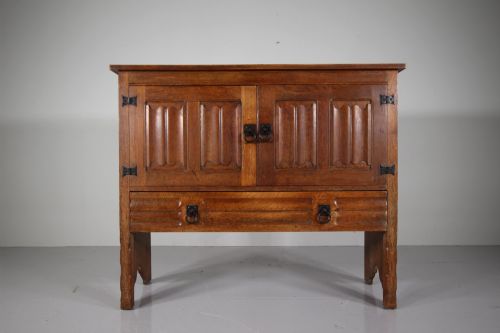
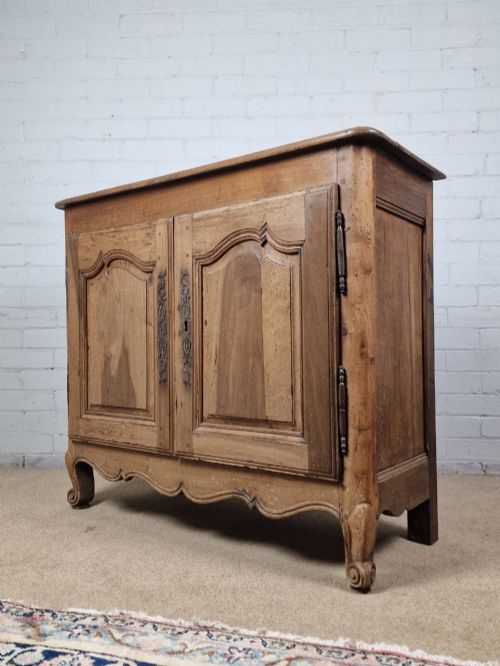
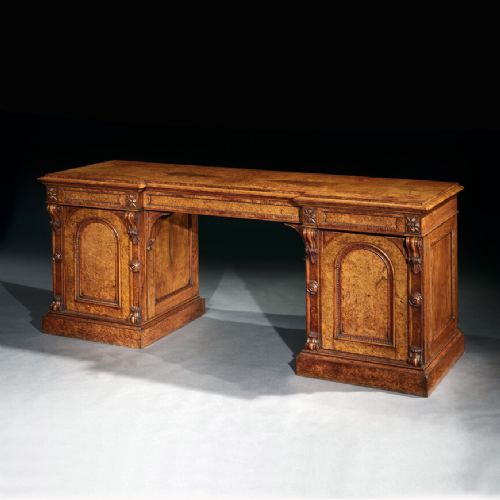
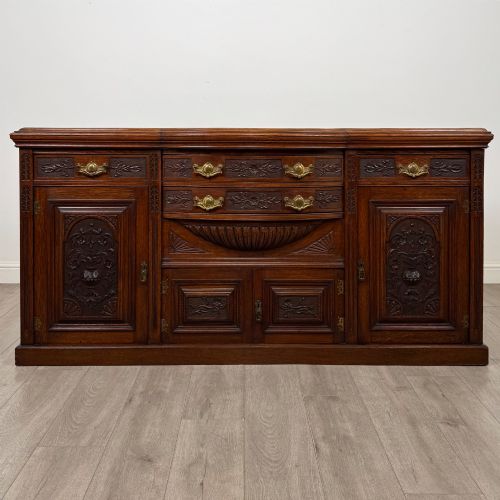
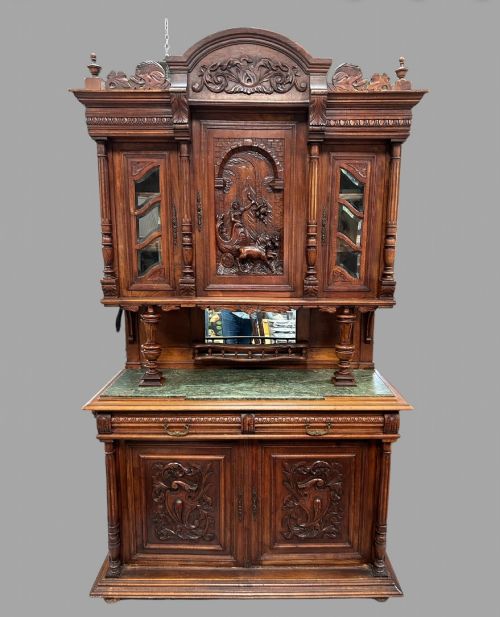
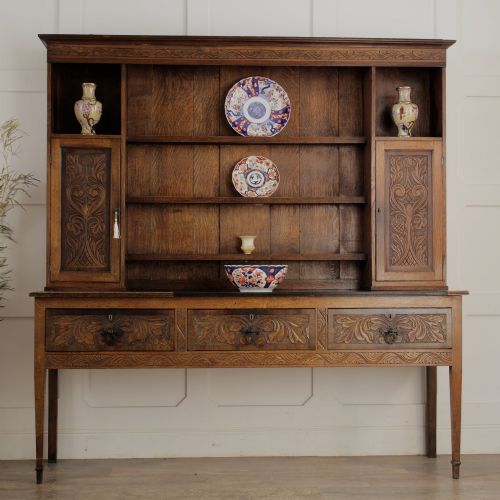
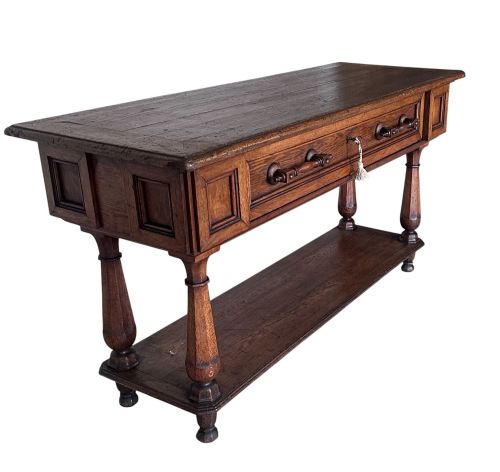
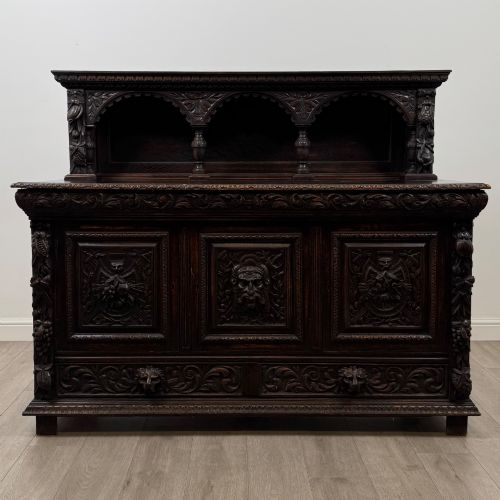
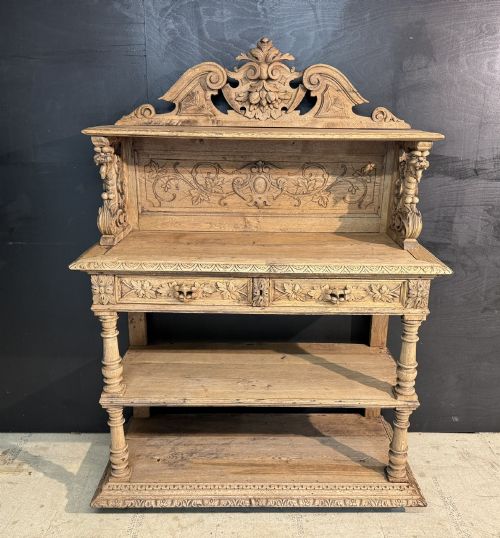
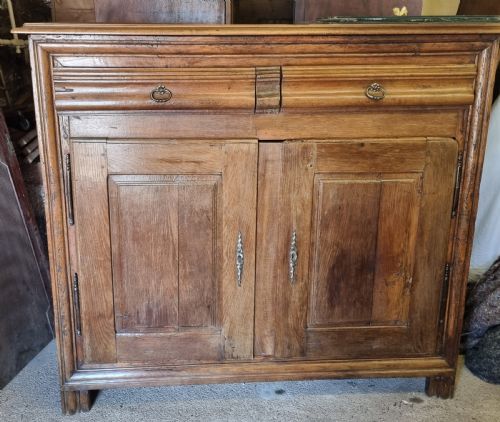
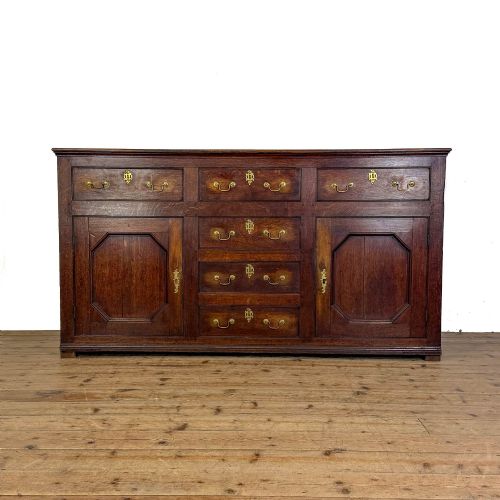
When you search for a 19th century oak buffet, you encounter a variety of heavy storage furniture designed for serving food and displaying dining ware. These pieces span English, French, and Scottish origins, taking forms such as dresser bases, sideboards, two-tier serving tables, and cabinets.
The Victorian period dominates the selection alongside French provincial examples, often displaying vernacular regional traits. Many pieces incorporate cupboards, drawers, or open pot boards beneath their serving surfaces, reflecting practical domestic requirements of the era.
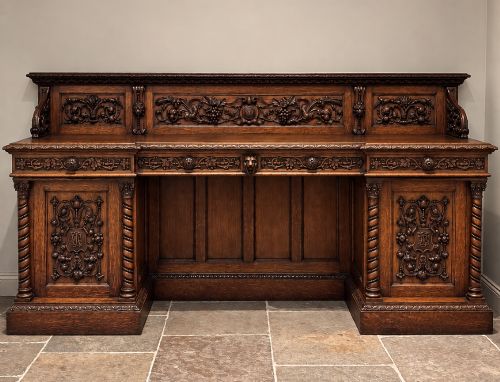
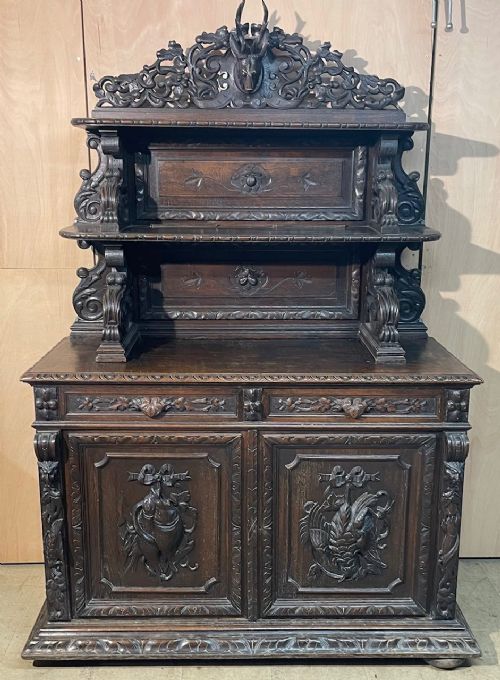
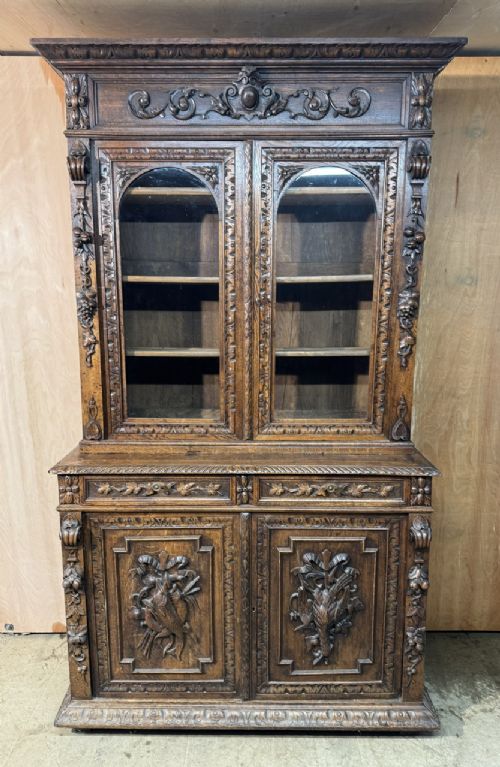
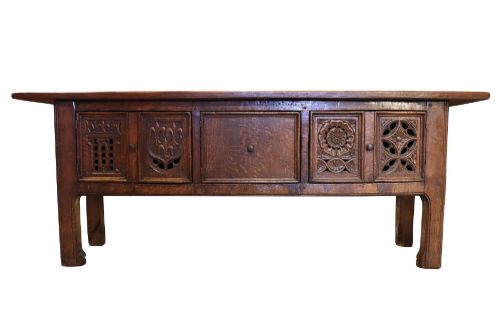
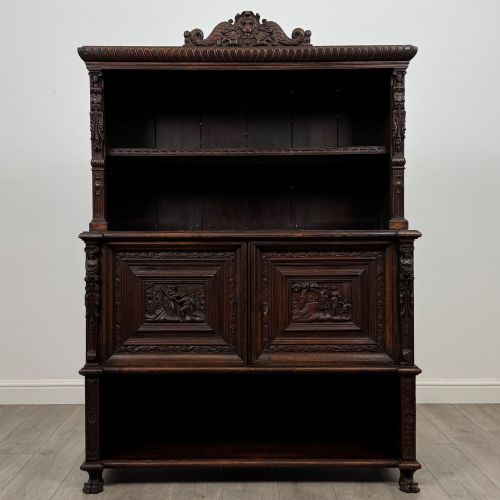
Stylistic variation is wide, ranging from plain utility forms to heavily carved Gothic Revival, Renaissance Revival, and Elizabethan Revival iterations. The surviving examples demonstrate the enduring utility of hard timber furniture built for daily household service.
How they were made
Cabinet makers constructed these pieces principally from solid oak, sometimes utilising pollard oak, fruitwood, walnut, or pine for secondary timbers and decorative panels. Surfaces frequently display deep hand-carving executed in high relief, featuring motifs such as linenfold, foliage, and figural masks.
Joinery relied on traditional mortise and tenon framing to support the substantial weight of the timber top and storage compartments. Secondary materials like brass handles, iron hinges, and glass door panels complete the structural assembly on specific regional variants.
The inventory records French provincial serving tables alongside English Gothic Revival cupboards and Scottish sideboards.
What varies in quality
The distinction between ordinary and superior pieces rests on the crispness of the hand-carving and the selection of timber figure. Dense, well-figured oak with lively grain patterns elevates a cabinet above plain, utilitarian constructions.
Proportion and structural integrity also dictate worth, as narrow-proportioned pieces or those retaining original brass hardware command greater appreciation. The depth of relief in architectural mouldings and figural carvings reveals the hand of a more accomplished artisan.
The 19th Century Oak Buffet Glossary
- Pot board
- An open lower shelf fitted beneath a dresser base or buffet, traditionally used for storing earthenware pots and heavy kitchen vessels. It provides structural stability to the lower legs.
- Buffet à deux-corps
- A tall, two-part storage cabinet originating in France, featuring an upper enclosed section resting upon a deeper lower cupboard base. These pieces often display elaborate carved cornices and panel doors.
- Dumb waiter
- A tiered serving table fitted with multiple circular or rectangular shelves, designed to hold dishes without requiring constant attendance from household servants.
- Pollard oak
- Timber taken from trees that were pollarded, creating burr-like clusters of grain with dense, swirling patterns. Cabinet makers prized this wood for decorative drawer fronts and panel veneers.
19th Century Oak Buffet: Frequently Asked Questions
How were these buffets used?
Households utilised these heavy pieces in dining rooms and halls for carving joints of meat, holding heavy serving platters, and storing table linen.
Lower cupboards and drawers kept cutlery and dining accessories close to hand, while upper tiers displayed decorative ceramics and silver.
How do I tell different styles apart?
Gothic Revival and Renaissance Revival pieces display heavy architectural mouldings, pointed arches, and deep figural carvings.
French provincial and rustic harvest tables rely on simpler panel construction with fruitwood or oak timbers and minimal ornament.
Can I fit one in a modern home?
Many examples come in narrow proportions or lower dresser base formats that suit contemporary hallway and dining room dimensions.
Solid oak construction makes them exceptionally heavy, so placement requires careful measurement of floor space and access routes.
How do I care for antique oak surfaces?
Routine maintenance involves dusting with a dry cloth and applying natural beeswax periodically to nourish the dry timber grain.
Keep pieces away from direct heat sources and strong sunlight to prevent the timber from splitting or warping over time.