
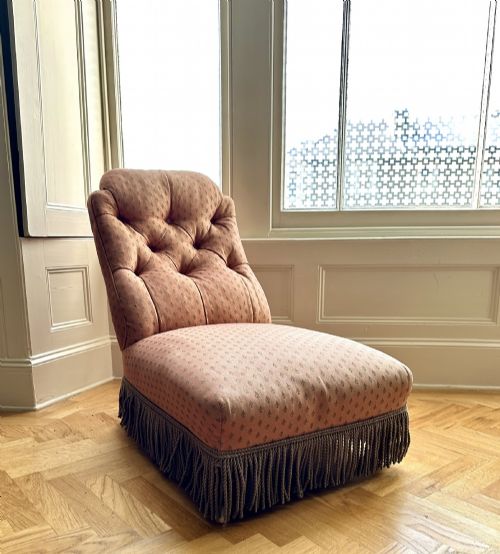


19th Century Nursing Seat
A 19th century nursing seat offers low-slung, comfortable seating designed originally for nursery use, bringing period elegance to modern bedrooms.
19th Century Nursing Seat
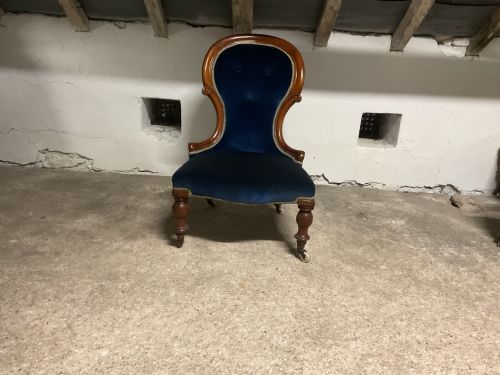
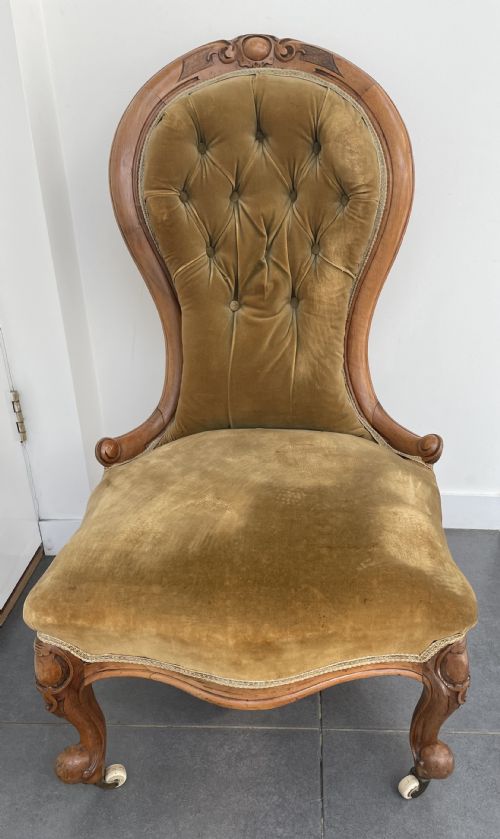
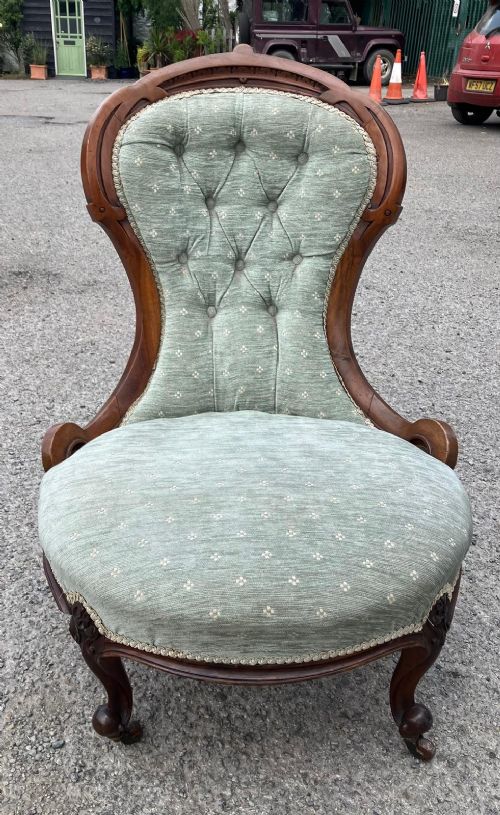
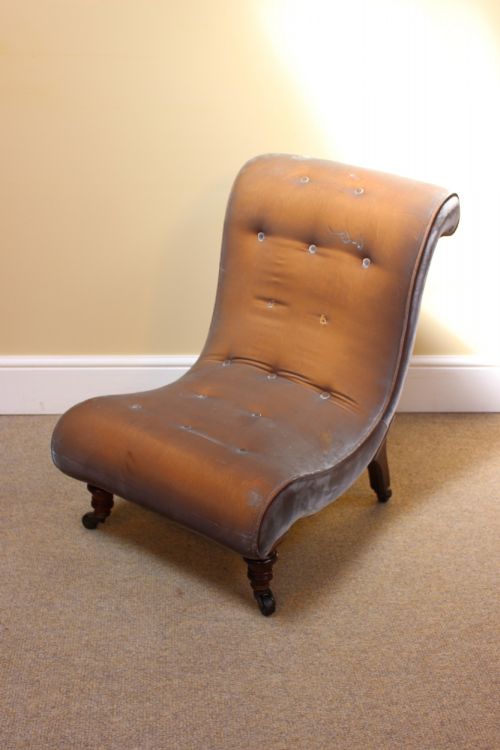
A 19th century nursing seat is a low-backed, low-seated chair created during the Victorian era to accommodate mothers nursing infants while wearing voluminous crinoline skirts. These pieces appear frequently as slipper chairs, low bedroom chairs, and occasional chairs.
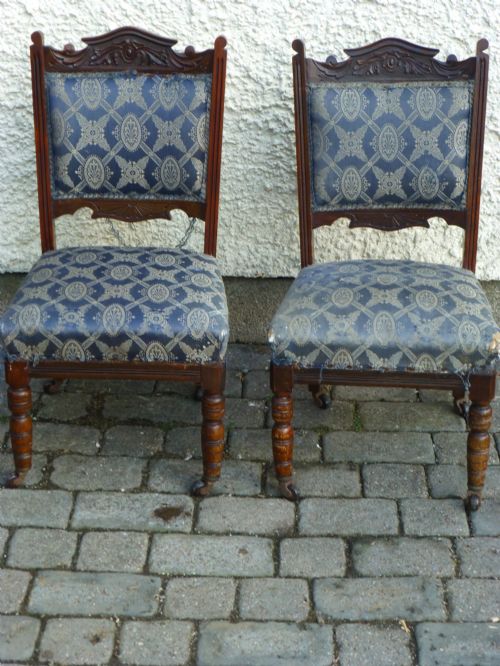
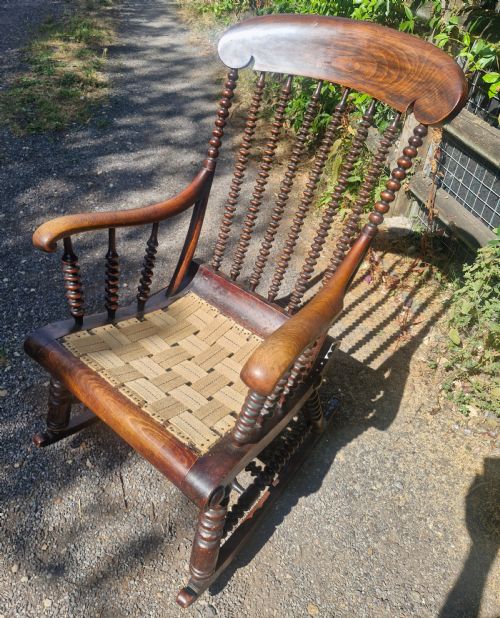
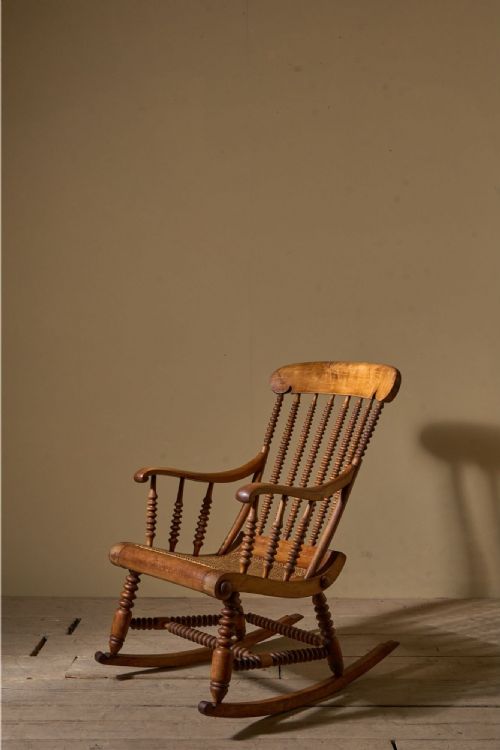
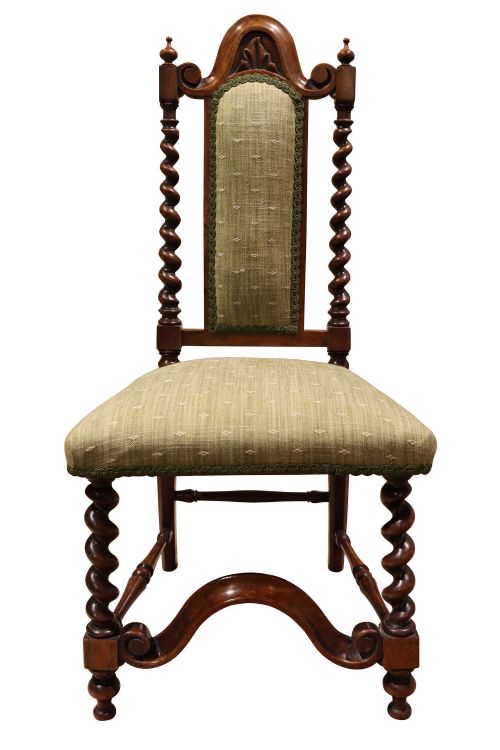
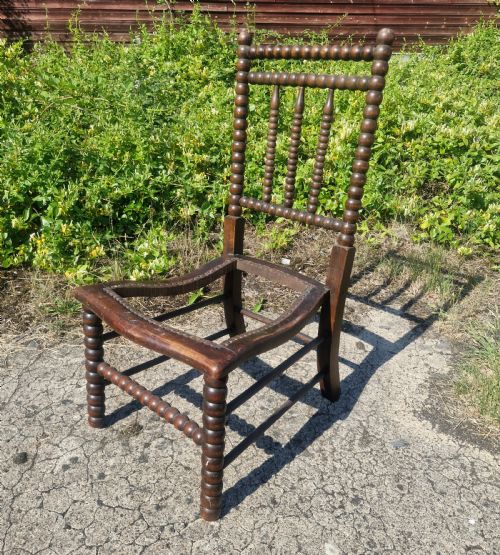
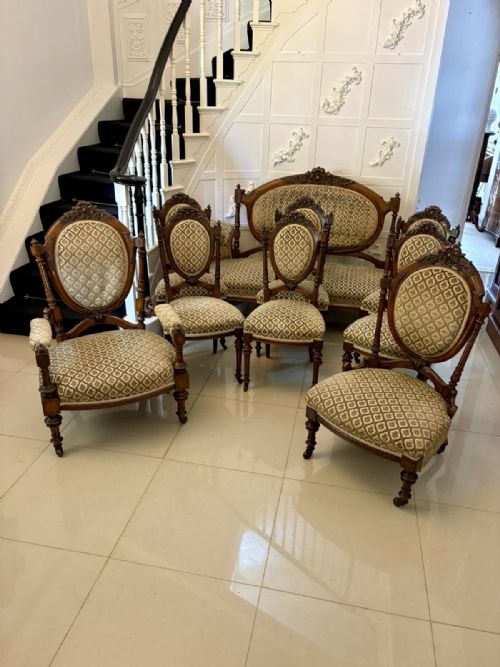
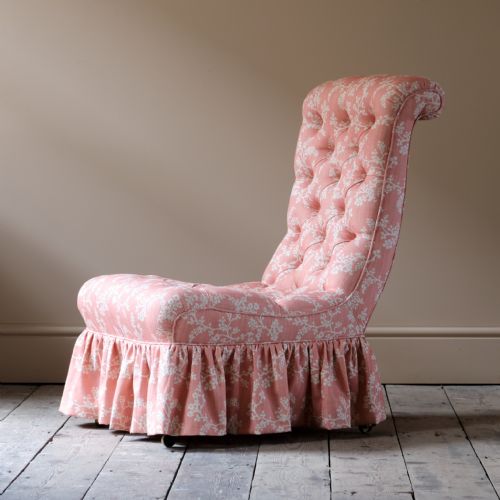
The form prioritises a low seat and an upright, often buttoned back to provide support without obstruction. You will find walnut and mahogany frames alongside examples featuring bobbin turning and giltwood finishes.
Makers often fashioned these seats for private chambers rather than formal reception rooms. Consequently, the surviving examples reflect intimate domestic spaces of the nineteenth century.
How they were made
Craftsmen shaped the frames primarily from dense hardwoods such as walnut and mahogany, occasionally utilising rosewood and giltwood for more elaborate commissions. Turned elements like barley twists and bobbin frames demonstrate the detailed joinery typical of the period.
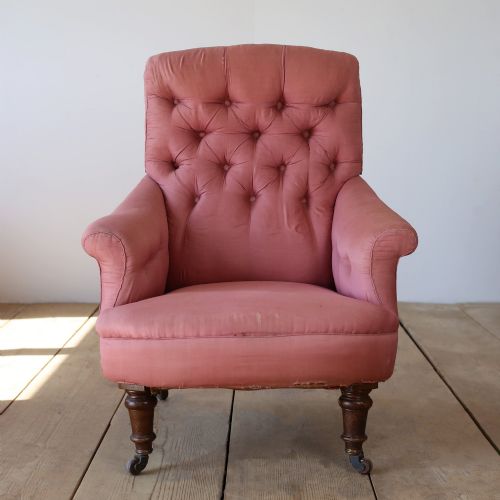
Upholstery formed a central component of construction, incorporating traditional stuffing methods beneath fabric, velvet, linen, and leather coverings. Brass castors frequently fitted to the legs allowed these low chairs to move easily across carpets.
Listings feature woods such as walnut, mahogany, rosewood, and giltwood alongside fabrics like velvet, linen, and leather.
What varies in quality
The distinction between standard domestic seating and exhibition grade work lies in the sculptural ambition of the carved woodwork. Finely figured walnut and intricate parcel-gilt details elevate certain frames far above plain utility models.
Upholstery execution and frame proportions also dictate the calibre of a piece. Original maker attribution and robust structural integrity separate ordinary workshop output from the distinguished productions of celebrated nineteenth century cabinet makers.
Gillows·Hindley and Sons·R Whytock of Edinburgh·Howard and Sons·Lamb of Manchester
The 19th Century Nursing Seat Glossary
- Slipper chair
- A low-seated upholstered chair traditionally used in bedrooms for putting on shoes or nursing. These items sit close to the floor and typically lack arms.
- Bobbin framing
- A method of turning wood on a lathe to create a series of spherical or cylindrical shapes resembling bobbins. This decorative turning appears frequently on nineteenth century frames.
- Prie-Dieu chair
- A devotional chair featuring a tall, narrow back often fitted with a shelf or rest for kneeling. They emerged during the Gothic Revival period.
- Button back
- An upholstery technique where buttons are pulled deep into the padding to create a diamond pattern. This method secures the internal stuffing while adding texture.
19th Century Nursing Seat: Frequently Asked Questions
Can I use these daily?
These antique chairs function well in modern interiors for reading or bedroom seating. Many surviving frames retain sturdy hardwood construction suitable for regular use.
Consider having older internal upholstery and webbing restored to ensure proper support for daily sitting.
How do I identify the period?
Nineteenth century pieces show distinct stylistic clues from the Victorian era, including walnut frames, buttoned upholstery, and turned wooden legs. Specific markers like bobbin turning point toward the mid to late decades.
Construction methods, such as traditional joinery and the presence of brass castors, help confirm the nineteenth century origin.
Why are some called slipper chairs?
Slipper chairs share the low profile of nursing seats and originated for similar domestic convenience in dressing rooms. The low height made them practical for ladies changing footwear.
Over time, the terms frequently overlap in antique descriptions depending on the exact back shape and upholstery style.