


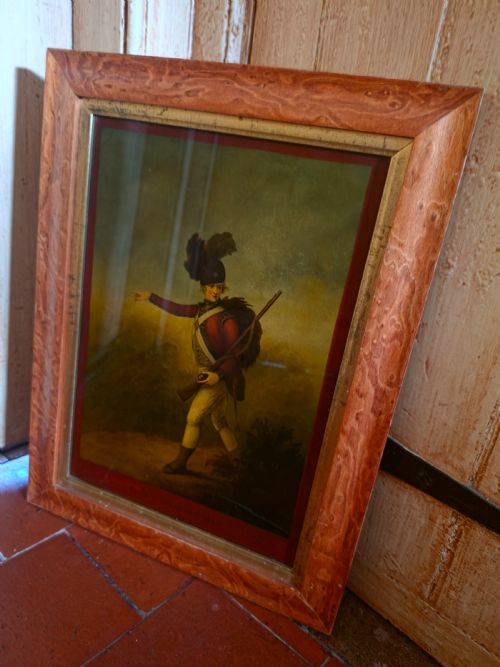
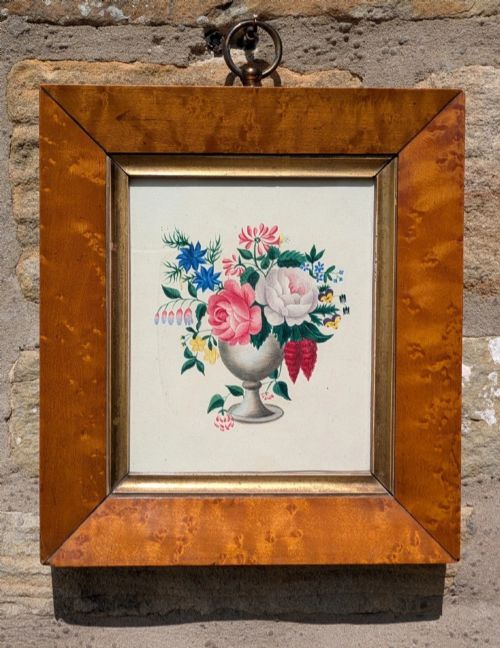
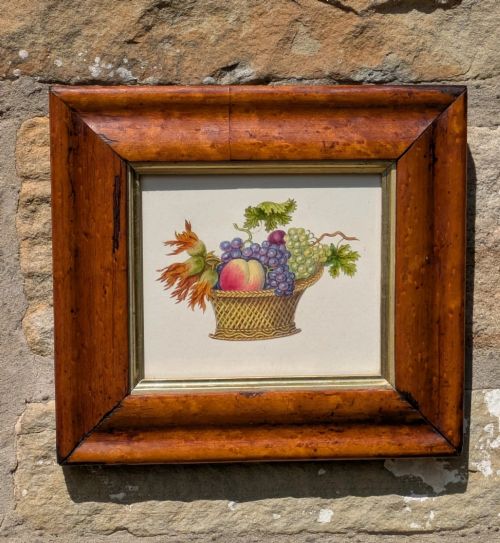
19th Century Maple Frame
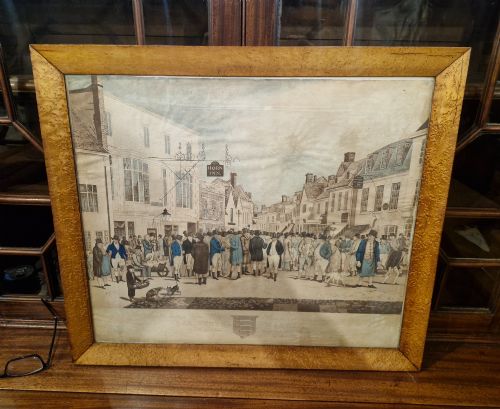
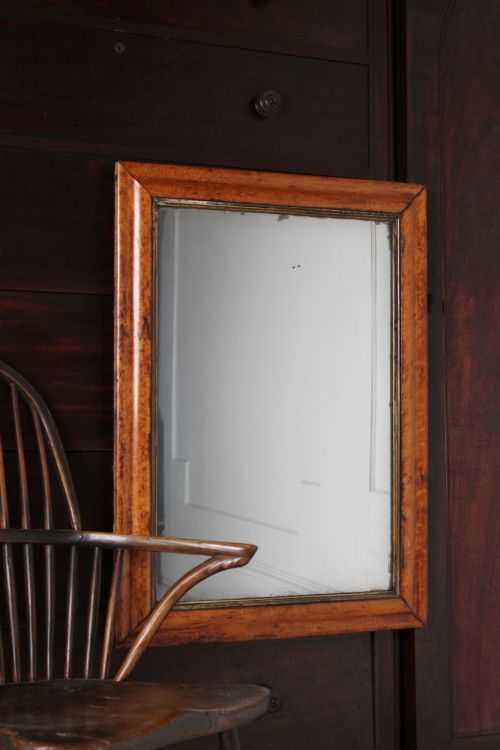
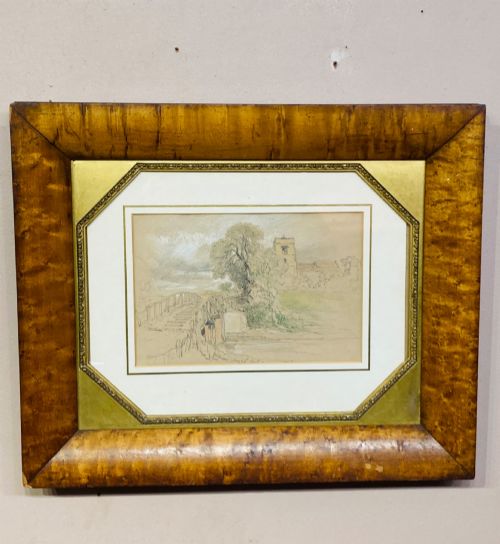
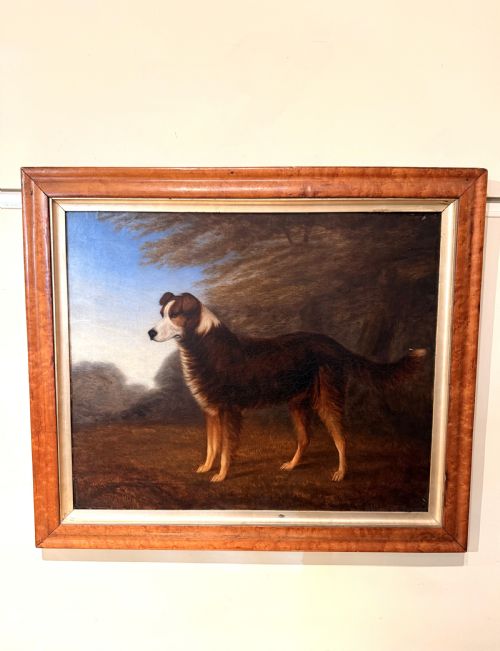
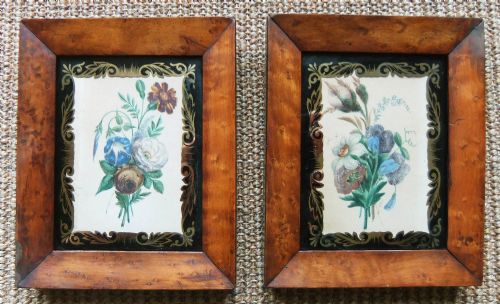
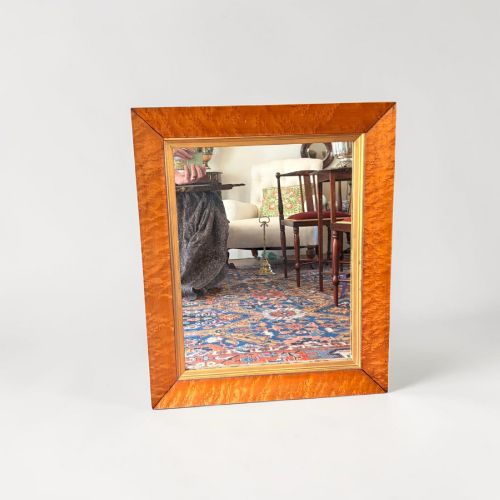
A 19th century maple frame brings a warm, figured timber ground to watercolours, needleworks and mirrors that catches the eye instantly.
19th Century Maple Frame
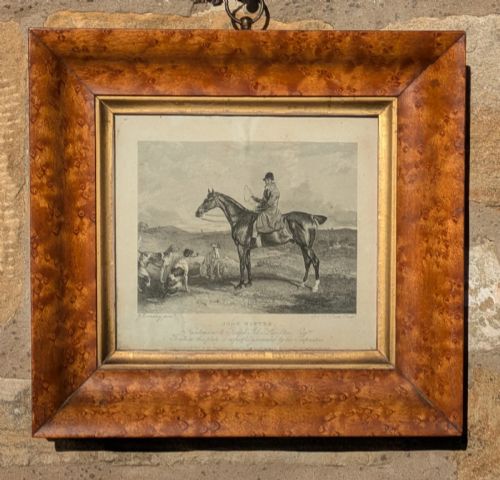
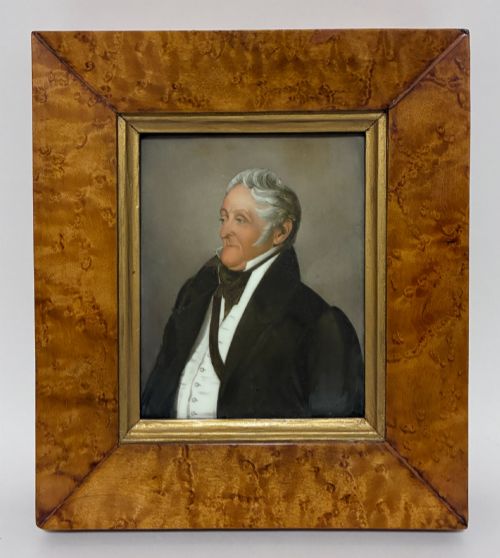
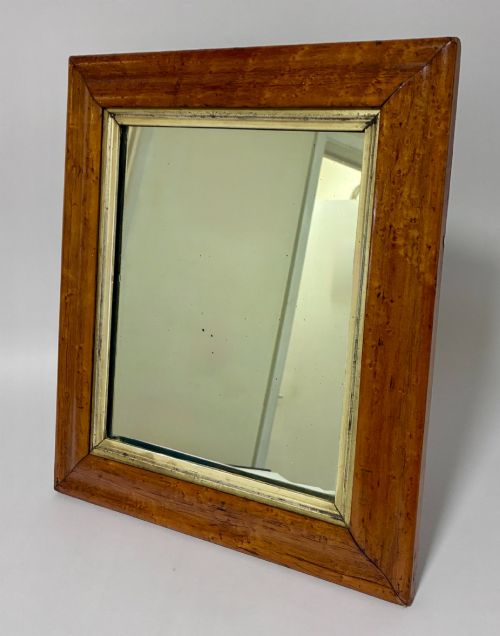
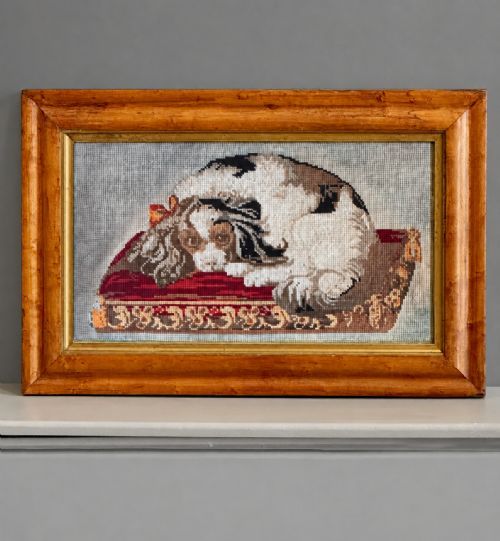
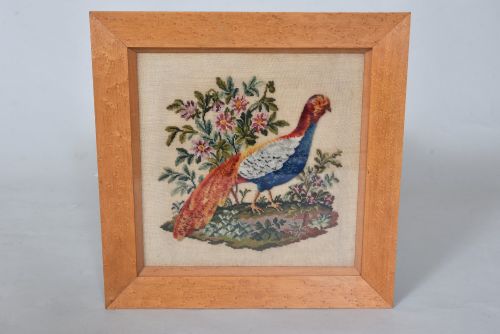
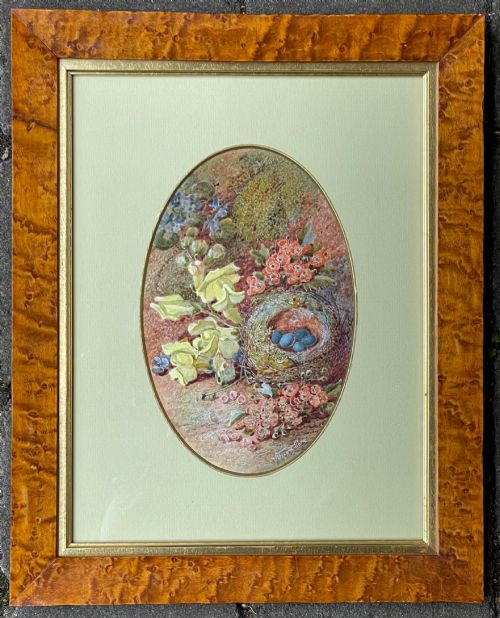
A 19th century maple frame encases watercolours, needleworks, silhouettes and wall mirrors from the Georgian, Regency and Victorian eras. The wood shows distinctive figuring, ranging from quiet straight grain to the intense speckled circles of birds-eye maple and the rich swirls of burr maple.
Most examples on this page house period artworks or reflective glass rather than standing as empty mouldings. They appear around domestic interiors, holding family portraits, botanical studies and pastoral scenes.
Makers utilised these golden-brown frames to complement the pale tones of watercolours and the dark contrast of silhouettes. The form stretches from small, intimate portrait enclosures up to substantial overmantel mirrors designed for the principal reception room.
How they were made
Cabinet makers built these objects using solid timber or applied maple veneers over a secondary wood carcass. Workshops selected timber for its natural curl and eye formation, cutting the boards to display the organic pattern across flat ogee profiles or rounded mouldings.
Makers integrated gold leaf and gilt slip accents to separate the wooden border from the artwork within. Traditional joinery secured the corners, whilst backboards of pine or deal held the paper, canvas or mirror glass in place with handmade pins.
19th Century Maple Frame Retail Price Guide 2026
Typical asking prices for 19th century maple frame among the pieces listed under this phrase on Sellingantiques today, from the lower quarter to the upper quarter. They describe what is for sale here now, not the wider market.
Listings feature maple frames housing watercolours, oil paintings, needlework samplers, woolies and mirrors across the 18th and 19th centuries.
What varies in quality
The density and distribution of the figure in the maple dictate visual impact, with tightly patterned birds-eye or burr surfaces commanding greater attention than plain, straight-grained timber. Expert matching of the grain at the mitred corners reveals the hand of a skilled maker.
Surface preservation separates standard examples from exceptional ones. Original French polish or wax finishes retain a warm, honeyed tone, whereas heavy over-finishing or stripped timber obscures the natural depth of the grain.
Vincent Clare·Henry Travis·Frederick Tatham·Horatio Henry Couldrey·Augustin Edouart·Robert Faulkner·Edward Smyth·John Ferneley Jnr·J. Mitan
The 19th Century Maple Frame Glossary
- Birds-eye maple
- Timber featuring small, circular disruptions in the grain resembling tiny eyes, prized for its decorative appearance in furniture and frames.
- Burr maple
- Wood harvested from the growth excrescences on maple trees, producing wild, swirling patterns of high optical density.
- Gilt slip
- A narrow inner border covered in gold leaf, placed between the frame moulding and the artwork to catch light and provide separation.
- Ogee profile
- A moulding shape featuring an S-curve in cross-section, combining a concave arch with a convex arc to create a gentle, undulating face.
- Overmantel mirror
- A large horizontal wall glass designed specifically to hang on the wall above a fireplace mantelpiece.
19th Century Maple Frame: Frequently Asked Questions
What holds the glass or artwork inside the frame?
Traditional wooden frames rely on internal rebates cut into the back edge of the timber moulding to receive the glass, canvas panel or stretcher.
Small headless nails, glazier points or wooden pins secure the backing boards and keep the contents firmly positioned against the front lip.
How do I clean a maple frame safely?
Maintenance requires only a soft, dry cloth to remove dust from the surface of the wood and the crevices of the moulding.
Moisture and modern chemical polishes damage historic finishes, so wax should be applied very sparingly only when the timber appears dry.
Can I hang a heavy overmantel mirror safely?
Hanging a large framed mirror demands fixing directly into wall studs or masonry using appropriate load-bearing brackets rather than standard picture wire alone.
The weight of the timber and heavy glass plate requires secure anchoring to distribute the load evenly across the wall.
Why do some maple frames look darker than others?
Natural ageing and decades of exposure to light and domestic smoke cause maple wood to deepen from a pale straw colour to a warm amber.
The original application of shellac or oil finishes also darkens gracefully over time, creating a rich patina that newer timber lacks.