
19th Century Mahogany Sofa
When you search for a 19th century mahogany sofa, you enter a diverse world of seating spanning Regency elegance, William IV solidity, and Victorian comfort.
19th Century Mahogany Sofa
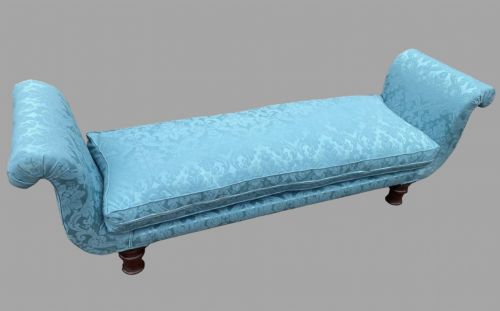
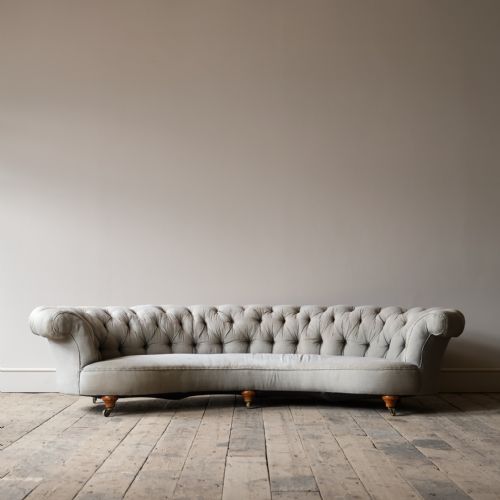
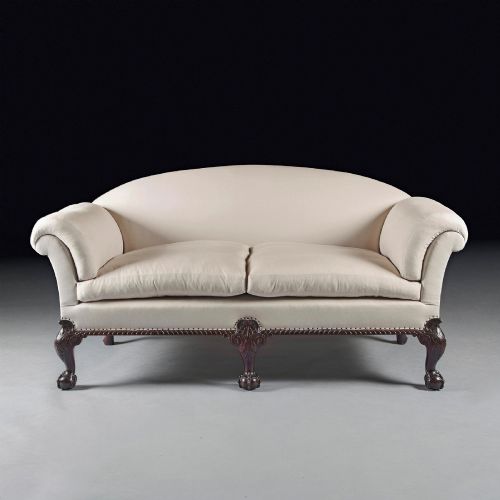
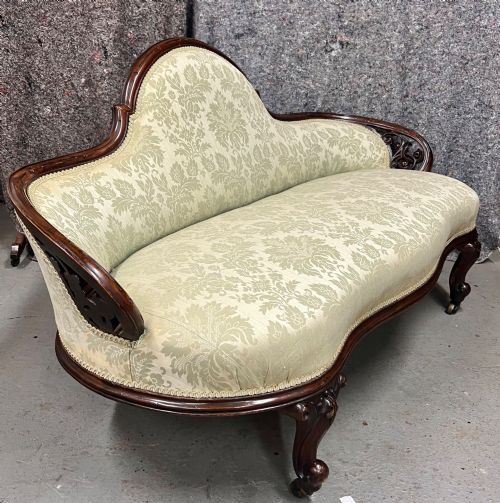
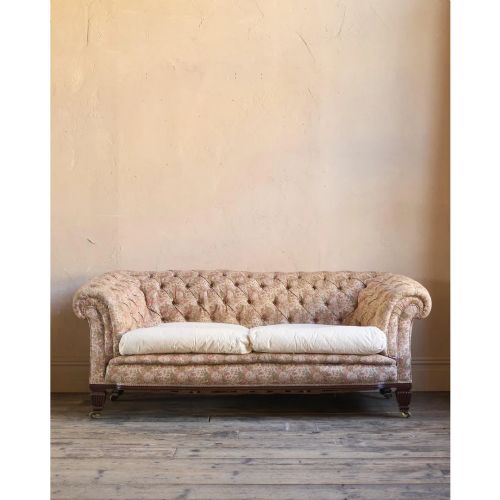
The 19th century mahogany sofa encompasses everything from formal Regency scroll-end couches to button-backed Victorian Chesterfields and relaxed country house settee designs. Makers throughout the period worked extensively with solid mahogany and figured veneers to build seating that served formal reception rooms and private libraries alike.
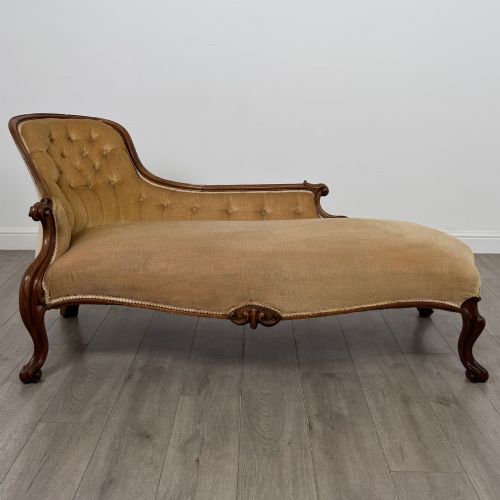
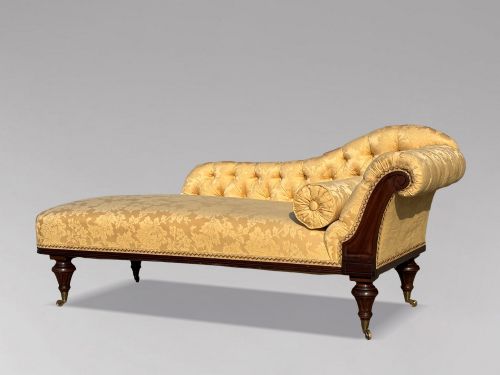
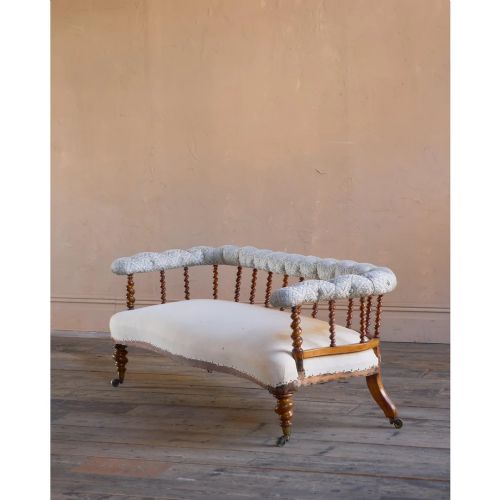
On this page, you will regularly encounter Victorian settees alongside earlier Regency and William IV forms, often upholstered in contemporary damask, leather, or calico. The selection also includes related daybeds, chaise longues, and scroll-end couches sharing the same timber vocabulary.
Regional variations and changing domestic fashions mean some pieces carry crisp neoclassical lines whilst others show the heavy carving and deep buttoning characteristic of later Victorian output. This structural evolution reflects the shifting social habits of nineteenth-century households.
Materials and Construction Methods
Cabinetmakers and upholsterers relied on dense tropical hardwoods, chiefly mahogany and its figured variants like flame and curl veneer, built over sturdy secondary framing timbers. Workshops frequently incorporated brass castors on feet and utilised traditional joinery methods to ensure frame stability.
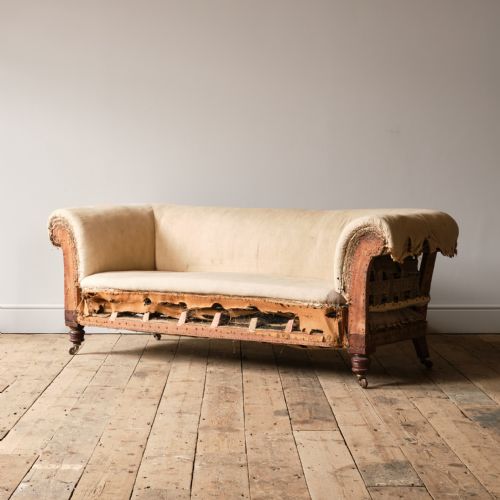
The interior padding typically relied on materials such as horsehair, hessian, and wool stuffing layered beneath top fabrics like damask, leather, or silk. Exposed wooden show-frames often received hand-carved decorative motifs, ranging from simple scrolled arms to elaborate floral or claw details.
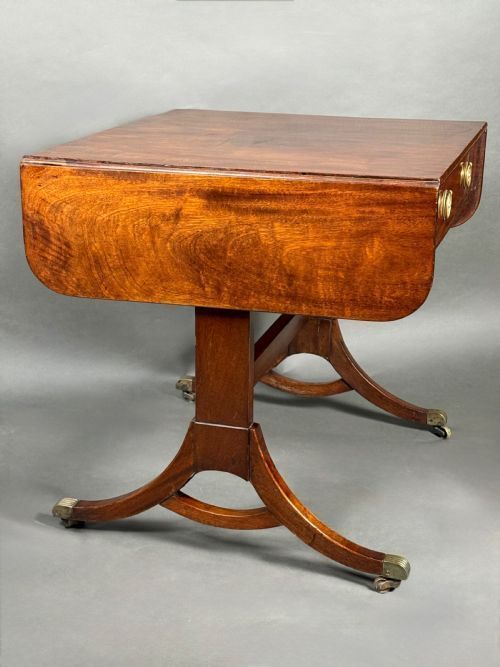
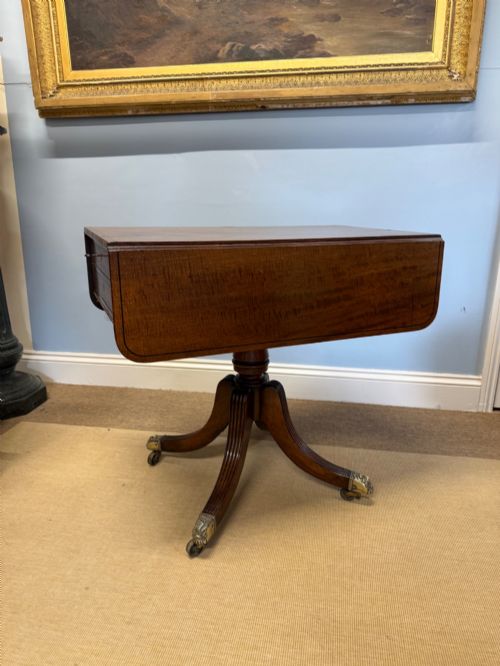
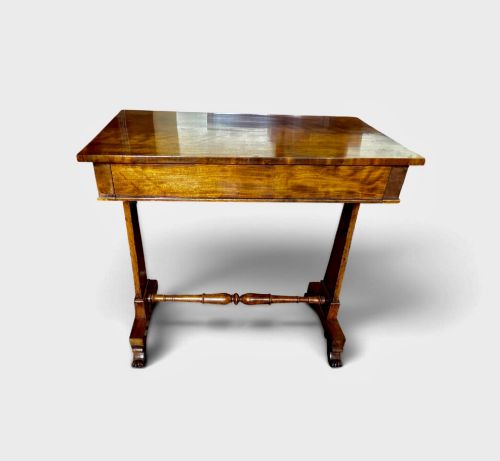
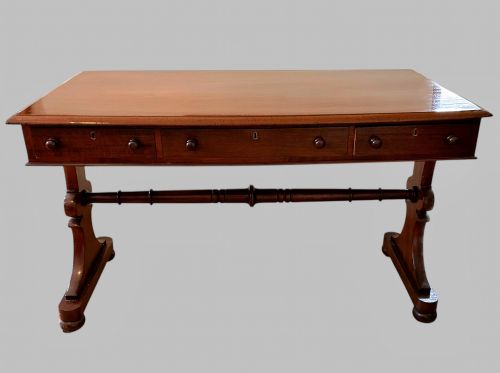
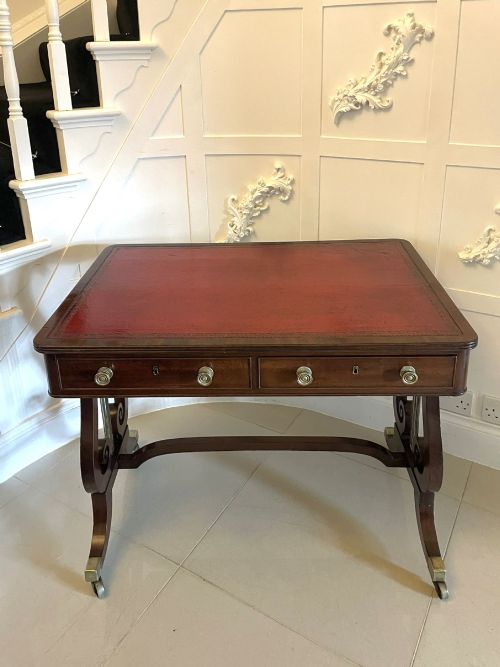
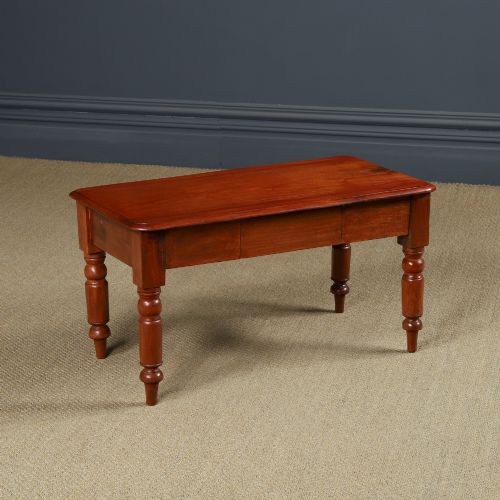
Several sofa tables incorporate hidden drop leaves originally designed for holding secret correspondence near the drawing room fire.
Assessing Quality and Craftsmanship
Quality rests upon the selection of timber, where tightly figured flame mahogany or dense Cuban mahogany indicates a higher grade of raw material chosen by the cabinetmaker. The crispness of hand-carved details on scroll arms and feet also separates standard production items from workshop pieces executed with exceptional care.
Structural integrity reveals itself in the weight and stability of the underlying frame, coupled with the fidelity of period upholstery methods using traditional stuffings. Pieces that retain their original brass fittings and undisturbed timber patination command greater appreciation among collectors.
Howard & Sons·C. Hindley & Sons·Williams and Gibton·Hampton & Sons·Gillows
The 19th Century Mahogany Sofa Glossary
- Scroll end
- A sofa arm design curving outward and downward in a tight or sweeping scroll, typical of Regency and William IV periods.
- Chesterfield
- A large upholstered sofa featuring rolled arms and a back of the same height, traditionally finished in deep buttoning.
- Chaise longue
- An upholstered couch allowing the user to recline, combining the backrest of a settee with an extended seat.
- Flame mahogany
- A veneer cut from the fork of the mahogany tree, creating a dramatic, flickering flame-like grain pattern.
- Drop leaf
- A table design featuring hinged flaps on either side that can be lowered or raised, commonly seen on sofa tables.
19th Century Mahogany Sofa: Frequently Asked Questions
How do I identify a Regency sofa?
Regency sofas typically display classical lines, scroll arms, and sabre or reeded legs reflecting neoclassical tastes of the early nineteenth century.
Look for contrasting brass inlay or mounts and lighter mahogany tones before the heavier, darker finishes of the later Victorian era became fashionable.
Were these sofas used in bedrooms?
While most large settees and Chesterfields lived in drawing rooms and libraries, smaller chaise longues and daybeds frequently occupied dressing rooms or parlours.
Their placement depended entirely on the scale of the room and the domestic habits of the household during the period.
What is a sofa table?
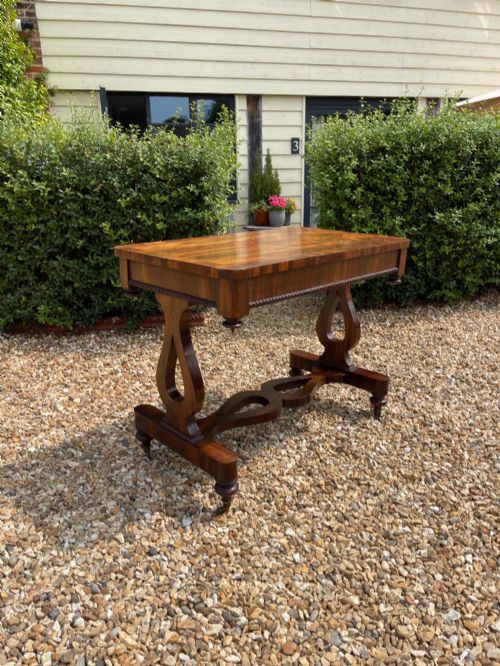
A sofa table is a small rectangular library or centre table designed to stand immediately behind a sofa in the middle of a room.
These pieces usually feature drop leaves on the ends and two small drawers fitted into the frieze for writing materials.
How should I care for mahogany woodwork?
Maintain the timber by keeping it away from direct heat sources and sudden humidity changes that cause wood to split or warp.
Apply a traditional beeswax polish sparingly to nourish the grain and preserve the deep natural lustre of the antique surface.