

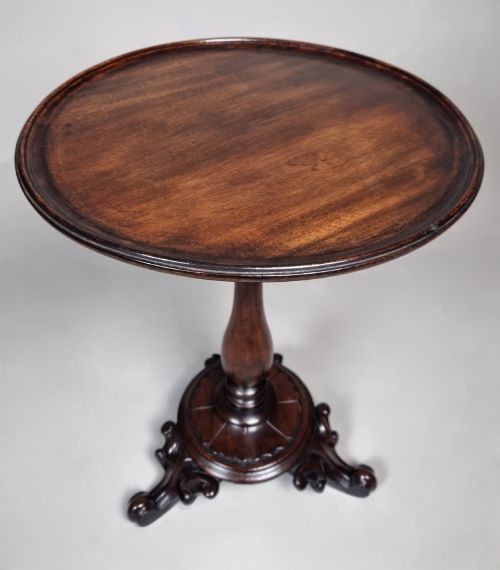
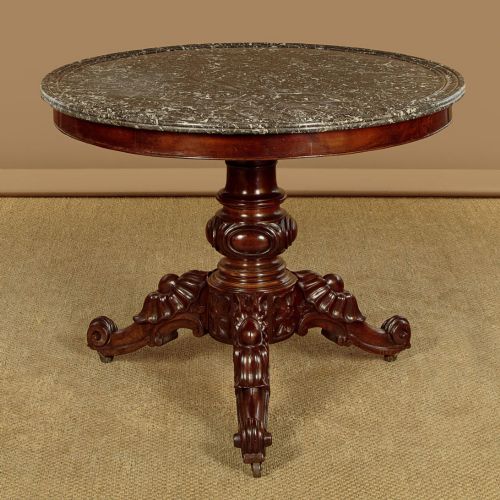
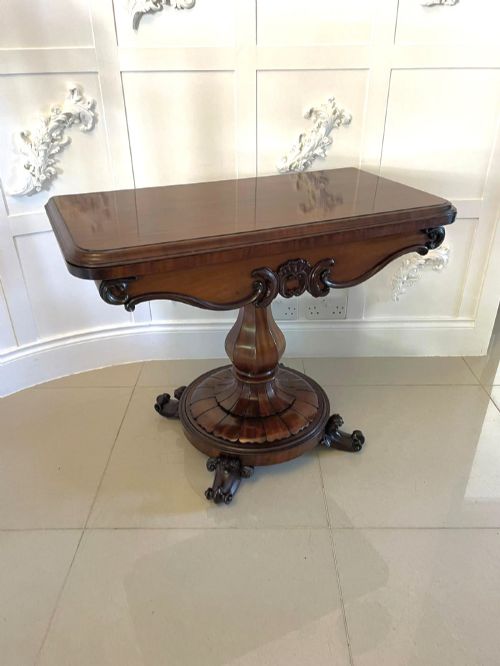
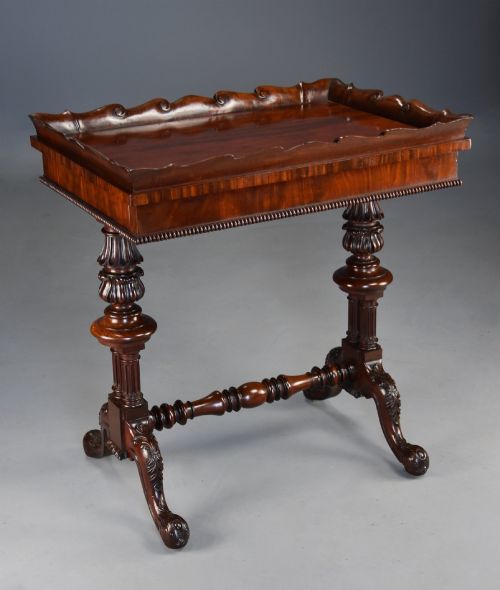
19th Century Mahogany Side Table
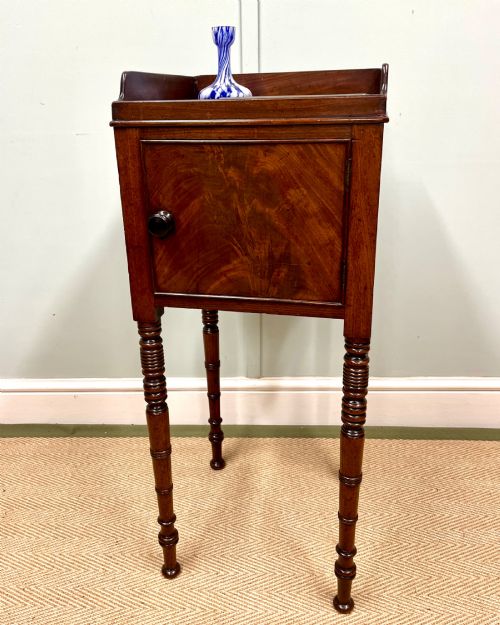
A 19th century mahogany side table offers sturdy timber frames and warm grain, fitting neatly beside a chair or against a wall.
19th Century Mahogany Side Table
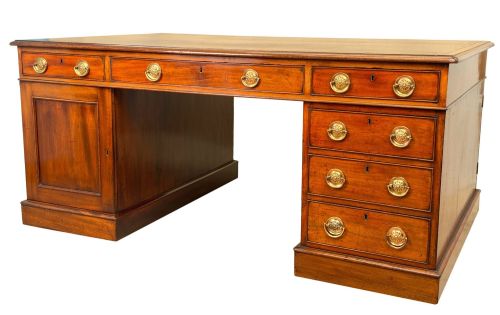
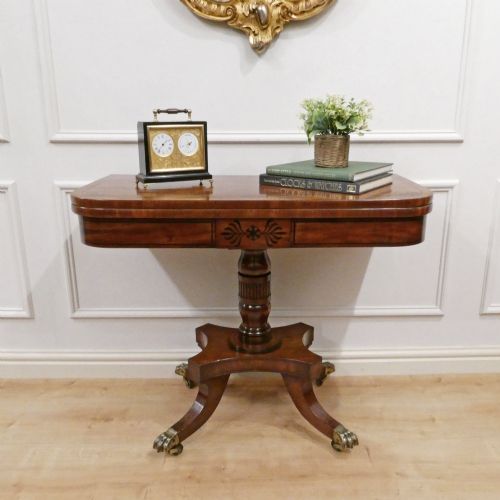
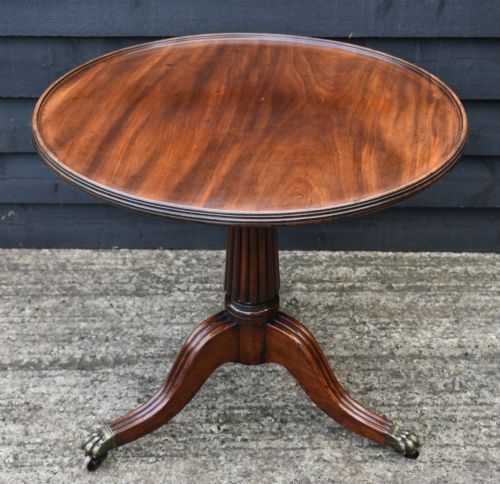
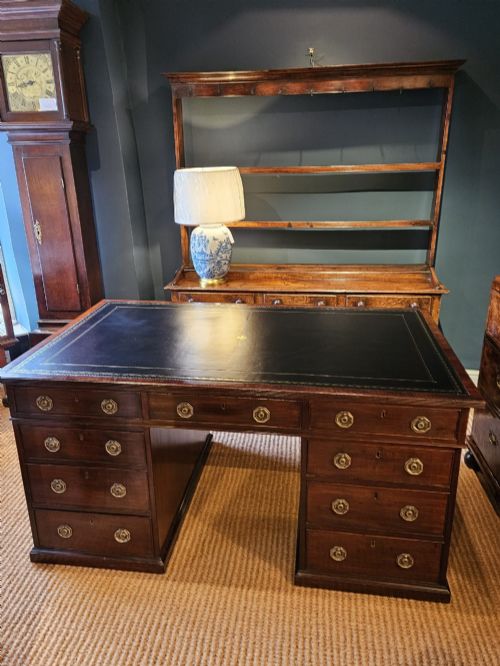
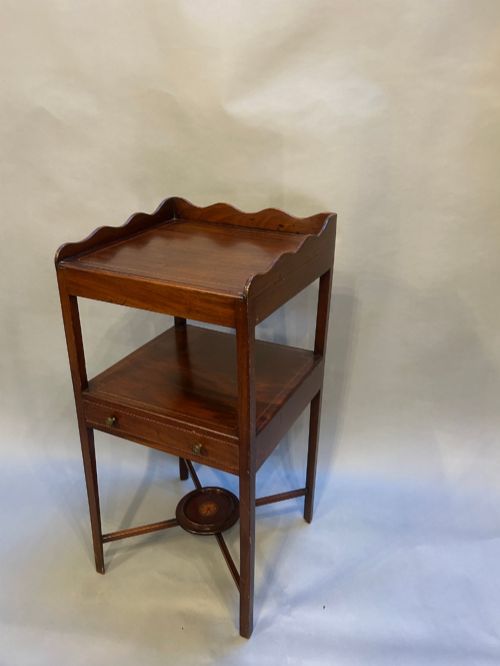
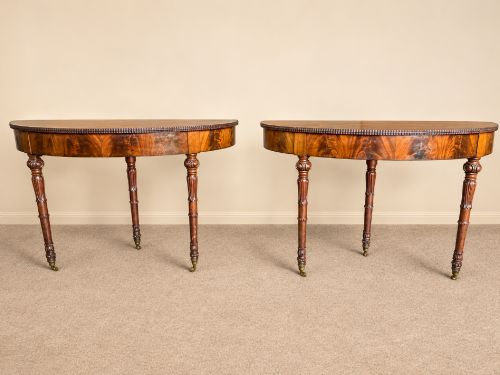
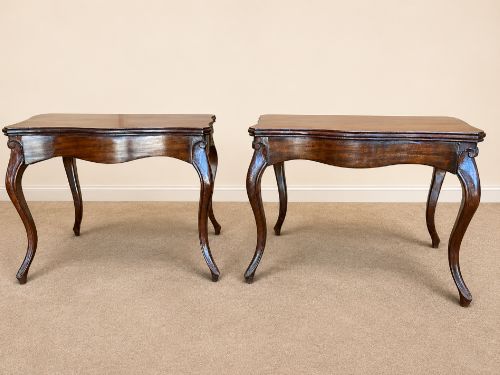
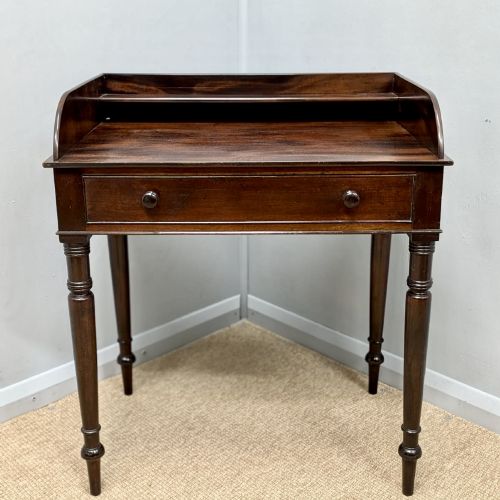
A 19th century mahogany side table appears in numerous guises across this collection, ranging from simple single drawer pieces to tilt top wine tables and washstands. These items served functional roles in period rooms, often positioned against hallway walls or beside seating.
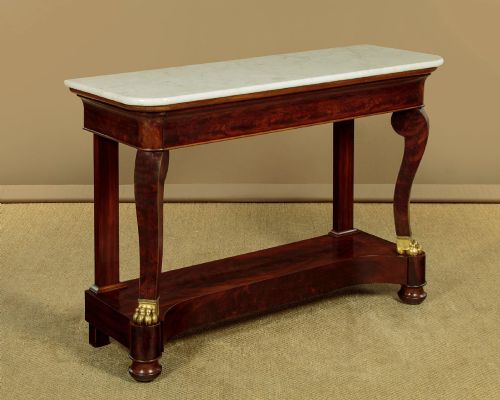
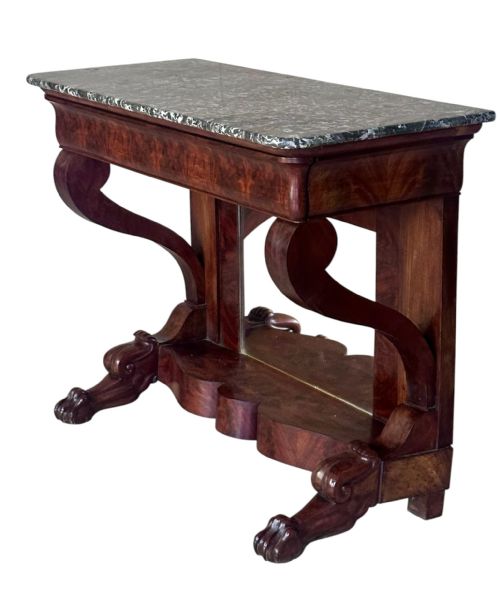
The assortment on this page draws heavily from Victorian, Regency, and Georgian periods, showcasing diverse forms such as lamp tables, console tables, and occasional tables. Buyers encounter straightforward rectangular tops alongside shaped surfaces, including bow fronts and demi-lune designs.
Many examples incorporate practical additions like brass castors, raised galleries, or hidden compartments, reflecting the versatile domestic requirements of the nineteenth century.
Judging Quality and Finish
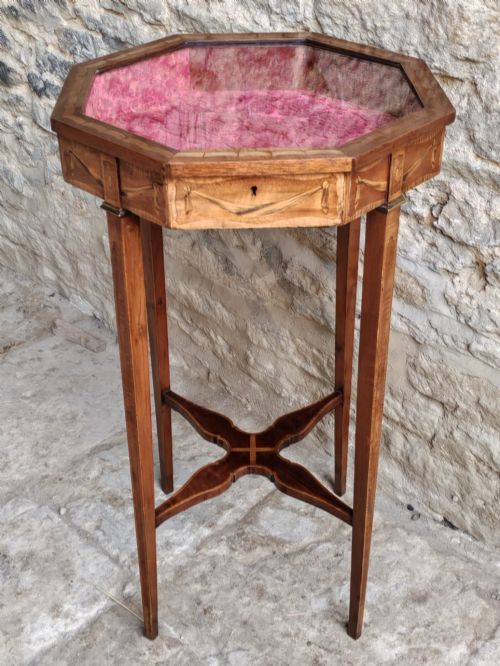
Quality reveals itself in the selection of the timber grain, particularly where figured mahogany or complex marquetry is employed. Superior examples display careful matching of wood veneers and precise execution of turned or carved details.
Hardware and secondary materials further distinguish the range, from heavy cast brass fittings to marble inserts that fit flush within wooden frames.
19th Century Mahogany Side Table Retail Price Guide 2026
Typical asking prices for 19th century mahogany side table among the pieces listed under this phrase on Sellingantiques today, from the lower quarter to the upper quarter. They describe what is for sale here now, not the wider market.
Listings span the 18th century, Georgian, Regency, William IV, and Victorian periods, utilising mahogany, marble, brass, and walnut.
Ralph Turnbull
The 19th Century Mahogany Side Table Glossary
- Tilt top
- A table mechanism allowing the surface to pivot to a vertical position when not in use. This saved space in crowded nineteenth century rooms.
- Gallery
- A raised rim surrounding the edge of a tabletop, often fashioned from brass or carved wood. It prevented items from sliding off.
- Console table
- A table designed to stand against a wall, frequently supported by wall brackets or front legs. These pieces often feature marble tops.
- Marquetry
- Decorative veneer work arranged in intricate patterns using various coloured woods. It creates pictorial or geometric designs on the surface.
- Demi-lune
- A half moon shape characteristic of console and side tables built to fit flush against walls. Such tables often feature folding leaves.
19th Century Mahogany Side Table: Frequently Asked Questions
What is a 19th century mahogany side table used for today?
These tables function well as lamp stands, hallway surfaces, or small desks in modern rooms.
Their compact footprints allow them to fit into spaces where larger furniture proves impractical.
How do I identify a Regency period table?
Regency pieces often display classical influences, architectural lines, and details like brass paw casters or reeded legs.
They date from the early decades of the nineteenth century and lean towards restrained elegance.
What is the difference between a side table and a console table?
Side tables typically stand freely on four legs, whereas console tables are designed to anchor against a wall.
Console variations in this selection frequently feature marble tops and demi-lune shapes.
Can I use a washstand as a side table?
Washstands equipped with flat marble or wood tops adapt easily to modern living spaces as decorative side surfaces.
Their raised galleries provide a distinctive silhouette that sets them apart from standard tables.