
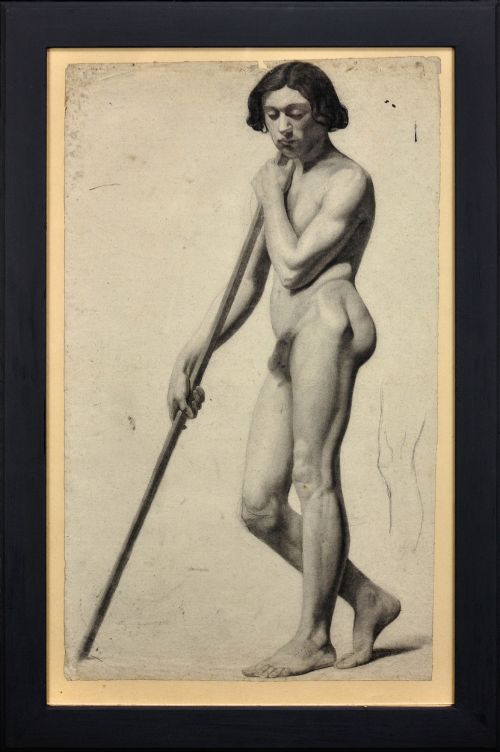


19th Century Life Study
A 19th century life study captures the rigorous training of artists and the acute observation of the natural world through intimate works on paper and canvas.
19th Century Life Study
A 19th century life study encompasses rigorous academic drawings of the human form alongside detailed botanical and specimen compositions. The works on this page bridge the gap between rigorous art school discipline and quiet domestic observation.
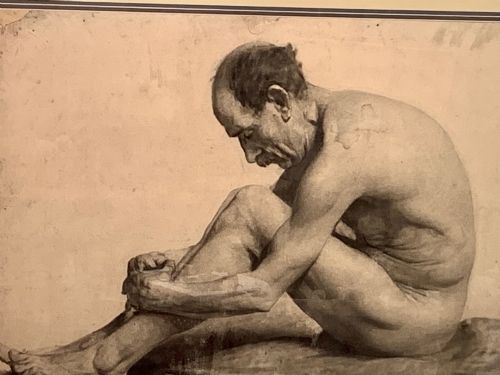
Buyers will encounter two distinct forms most frequently here. The first is the academic life study, typically rendering male or female nudes in graphite, charcoal, or mixed media. The second is the still life study, capturing fruit, flowers, and natural history specimens in oil or watercolour.
The origins of these pieces span the Victorian and Georgian eras, reflecting both British school practices and continental traditions. Works range from finished gallery paintings to school exercises signed by emerging hands.
How they were made
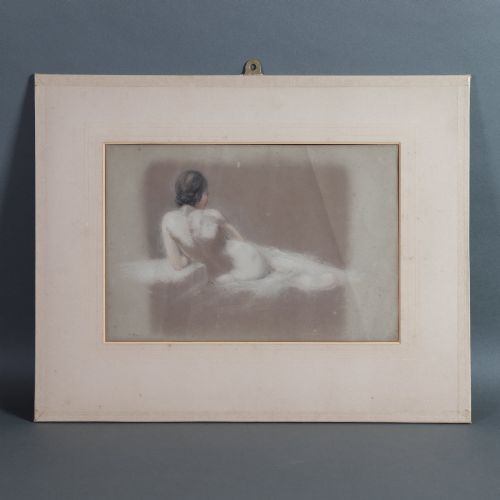
Draftsmanship forms the foundation of these pieces, executed primarily in graphite, charcoal, and pastel upon tinted or white paper. Artists utilised these dry media to master tone, light, and anatomical proportion under strict academy conditions.
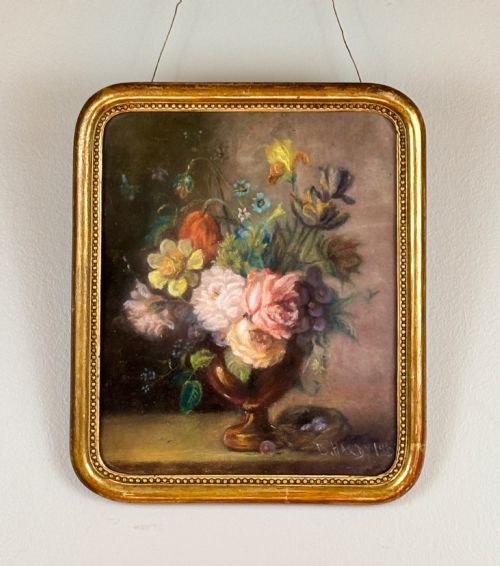
Oil paintings within this group utilise canvas, wood panels, or boards as a base. Pigments are applied with confident brushwork, sometimes framed in original giltwood to complement the rich tones of the subject matter.
Watercolour and mixed media appear frequently in botanical and floral studies. These demand precise brush control to render the delicate translucence of petals, pansies, and fruit.
Listings feature works created across various supports including canvas, paper, wood, and board.
What varies in quality
Quality rests upon the sureness of the hand and the structural integrity of the composition. In figure drawings, a superior piece demonstrates an exact understanding of muscle and bone without stiffness in the line.
In still life studies, the distinction lies in the rendering of light across differing textures, such as the skin of fruit, the weave of a basket, or the soft edge of a flower petal. Lesser examples rely on formulaic arrangements, whereas finer works achieve dynamic balance and depth.
The survival of the original support and frame also dictates standing. Unrestored paper with stable media and untouched oil surfaces retain the immediacy intended by the maker.
William Etty·Henry Arthur Roberts·Grace Hastie·Marian Chase·Annie Mary Youngman·John Robertson Reid·John Sherrin·Oliver Clare·James Birmingham Coleman
The 19th Century Life Study Glossary
- Academic Realism
- A style of painting and drawing produced under the influence of European academies of art. It emphasises strict adherence to classical ideals of form, accurate anatomy, and meticulous finish.
- Grisaille
- A painting executed entirely in shades of grey or neutral greyish-brown. Artists often used this technique to emulate sculpture or as an underpainting before applying colour.
- Recumbent
- Lying down or resting in a horizontal position. In life studies, this posture presented significant challenges in foreshortening and perspective for the student.
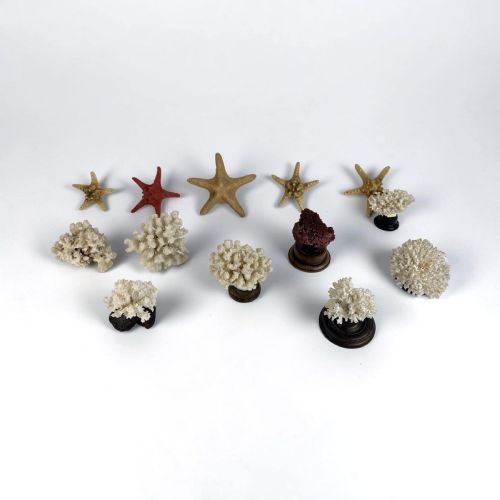
- Specimen collection
- A grouping of natural items such as coral, starfish, or botanical samples gathered for study. These objects often served as subjects for detailed scientific illustration and still life art.
- Giltwood
- Wood that has been coated with a thin layer of gold leaf or gold paint. Frames finished in this manner were designed to catch ambient light and enhance the warmth of the painting within.
19th Century Life Study: Frequently Asked Questions
What is a life study?
A life study is a drawing or painting executed directly from a live model, usually undertaken by artists to master human anatomy, proportion, and tonal values.
These works were fundamental exercises in art schools, capturing the physical form without idealisation.
How were these floral studies used?
Botanical and floral studies served both as decorative works for the home and as rigorous exercises in capturing ephemeral natural forms.
Artists recorded the transient stages of blooms, fruit, and foliage before they decayed.
How should I frame works on paper?
Works on paper require archival mounting and conservation-grade materials to protect fragile charcoal, graphite, and watercolour mediums from moisture and acid degradation.
Glazing with UV-filtering glass ensures the pigments do not fade under household light.