





Academic Figure Study Drawing
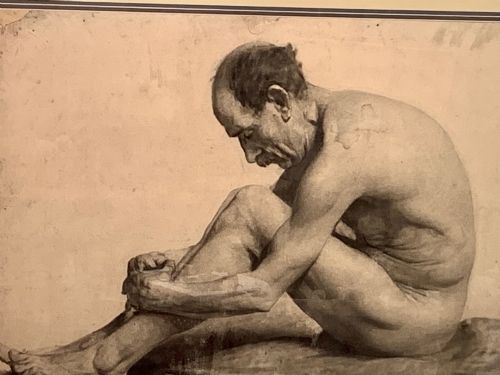
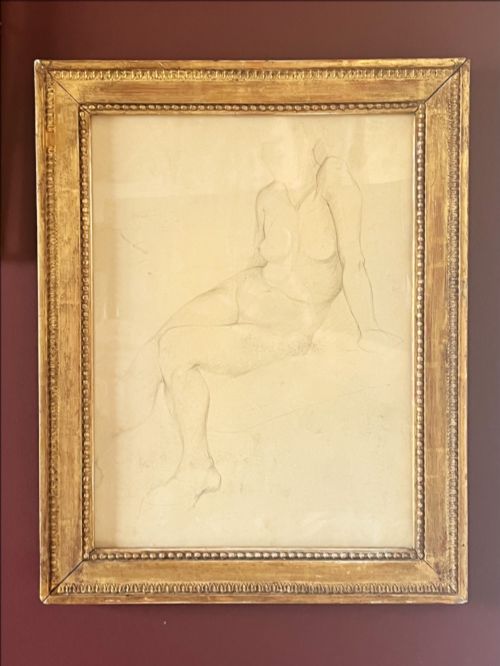
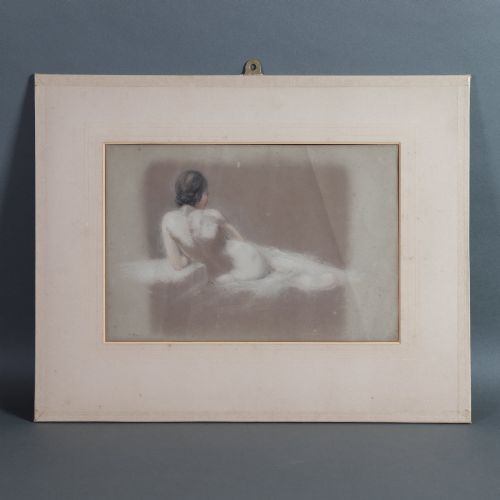
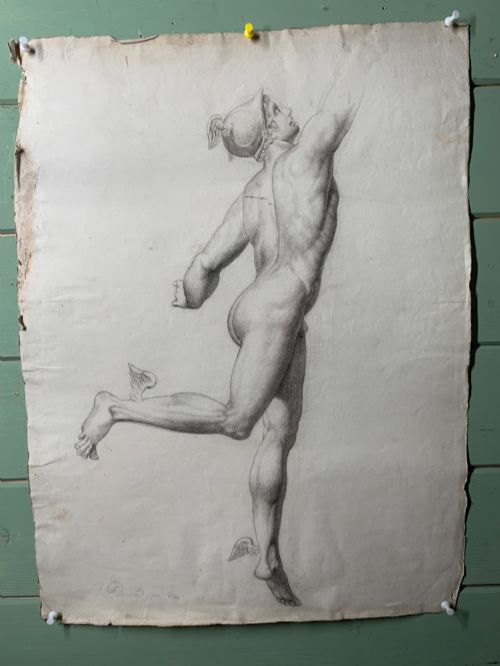
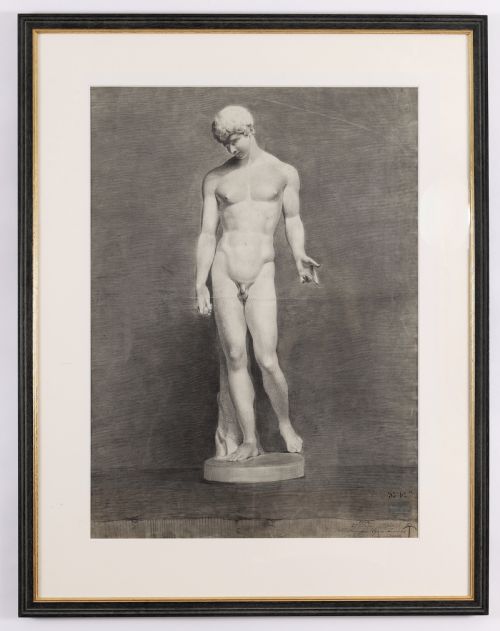
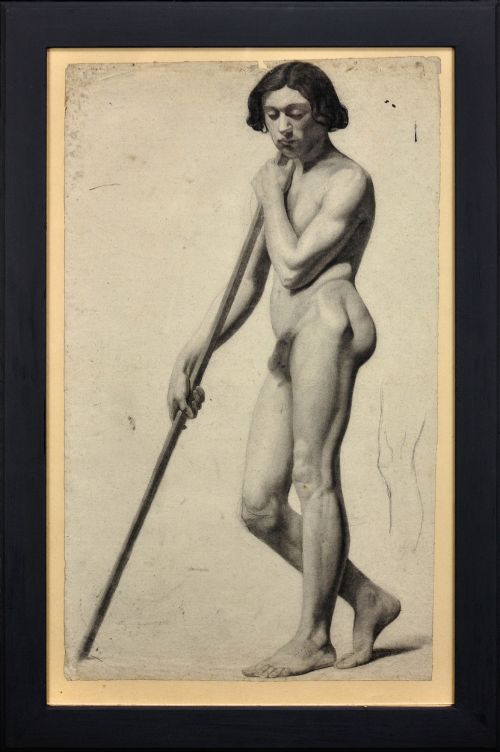
An academic figure study drawing captures the rigorous human form through graphite, chalk, and charcoal on paper, prized for its foundational draftsmanship.
Academic Figure Study Drawing
An academic figure study drawing represents the core of traditional art training, focusing on the human body through structured life classes. These works span from the Georgian era and the eighteenth century through the nineteenth century into twentieth-century modern British and continental schools.
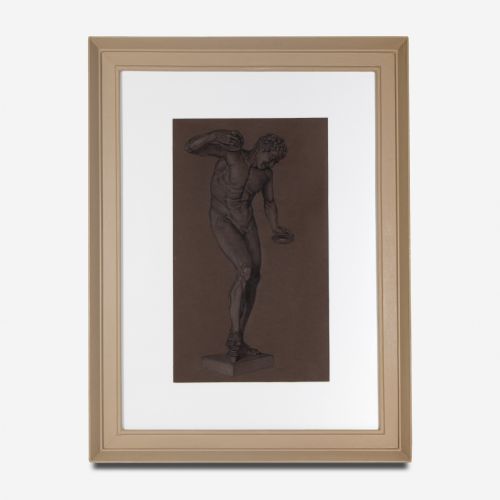
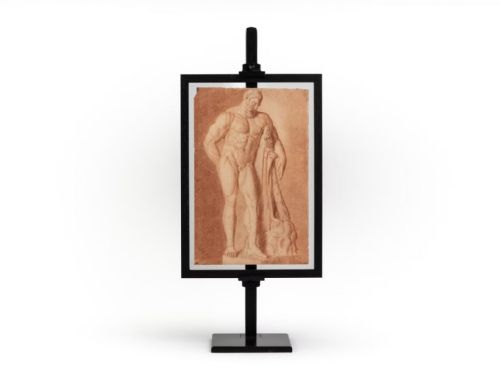
Most pieces encountered on this page take the form of framed original drawings, sketches, and life studies rendered in graphite, charcoal, and chalk. Subjects range from male and female nudes to classical figures like the Capitoline Antinous and the God Hermes.
Origins stretch across English, French, and Italian academies, showing the widespread method of copying antique sculpture and drawing from live models. Collectors find both finished studio pieces and rapid preliminary sketches executed on paper.
Quality and execution
Quality rests upon the sureness of the line and the anatomical understanding demonstrated by the draftsman. Superior works reveal a confident command of light and shadow that brings volume and weight to the human figure.
The distinction between a routine school exercise and a masterly study lies in the sensitivity of the rendering. Subtle gradations in chalk or graphite separate casual sketches from compelling artistic achievements.
The selection includes academic pieces from Georgian times through to the mid-twentieth century.
William Etty·Augustus John·Henry Arthur Roberts·Pierre-Paul Prud'hon·Winifred Eugene Ballard
The Academic Figure Study Drawing Glossary
- Academic Realism
- A style resulting from the influence of European academies of art, emphasising precise anatomy and traditional techniques. This approach prioritises faithful representation of the human form over expressive distortion.
- Sanguine
- A type of red chalk used widely for sketching and figure studies. Artists favour it for warm skin tones and expressive linear work.
- Recto and Verso
- Terms denoting the front and the back of a sheet of paper. Drawings occasionally appear on both sides of a single archival sheet.
- Toned Paper
- Paper that possesses a colour other than white, usually grey, tan, or buff. This surface allows the artist to work up highlights with white chalk alongside dark charcoal.
Academic Figure Study Drawing: Frequently Asked Questions
What is an academic figure study?
An academic figure study is a drawing created as part of an artist's training to understand human anatomy and proportion. These works typically feature nude or draped models posed in studios or art schools.
Such drawings demonstrate the foundational skills required in historical art academies across Europe. They record the artist's close observation of bone structure, musculature, and lighting.
How do I date an antique drawing?
Dating relies on stylistic evidence, artist signatures, inscriptions, and the type of paper or framing used. Eighteenth-century works often utilise red chalk and classical subjects, while nineteenth-century pieces frequently show tighter graphite rendering.
Examining the reverse of the paper can also reveal collector marks, old labels, or dates. Comparing the hand to known academic traditions helps narrow the period of creation.
How should I frame and display works on paper?
Works on paper require conservation-grade framing to protect them from environmental damage. Using acid-free mounts and UV-filtering glass prevents the paper from yellowing and shields charcoal or chalk from shifting.
Display these pieces away from direct sunlight and high humidity. Proper framing preserves the delicate mediums used in traditional life studies.
What is the difference between chalk and graphite?
Graphite provides a metallic grey line capable of sharp, precise detail and fine shading. Chalk, including red chalk and sanguine, offers a softer, warmer mark that blends smoothly across toned paper.
Artists often combined both mediums to achieve varied textures within a single study. Graphite suits meticulous outline work, whereas chalk excels at rich tonal graduation.