


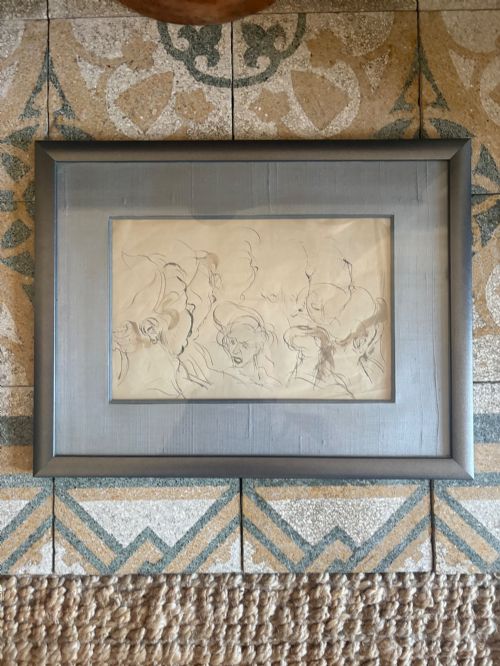


Sepia Paper Figure Drawing
These sepia paper figure drawing examples capture the human form through ink, wash, and charcoal across multiple centuries.
Sepia Paper Figure Drawing
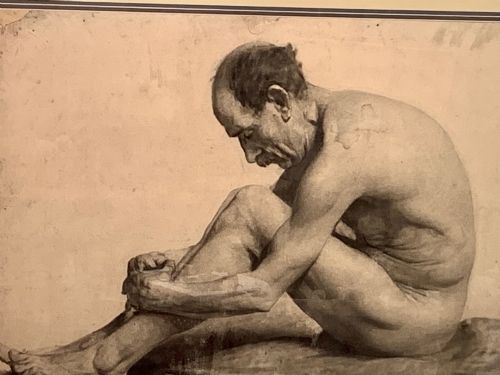
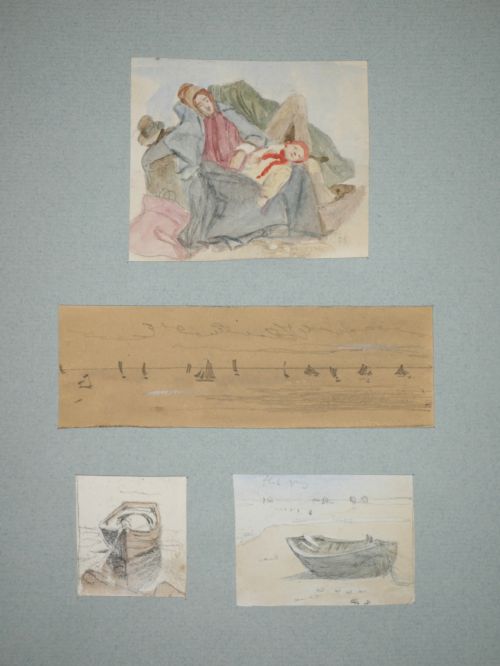
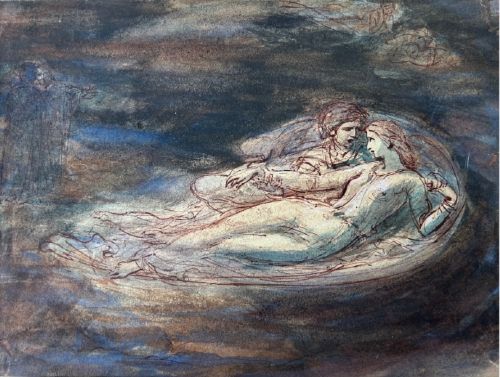
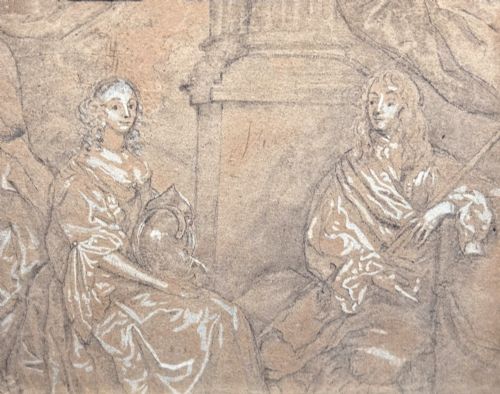
A sepia paper figure drawing presents anatomical studies, theatrical characters, and literary scenes rendered upon paper sheets. These works span from the seventeenth century through the twentieth century, encompassing academic life studies and preparatory sketches.
Framed artwork and original drawings form the core of these listings, often executed in ink, wash, watercolour, graphite, and charcoal. Collectors encounter pieces originating from British, French, Italian, and African schools.
The aesthetic ranges from Baroque and Pre-Raphaelite expressions to Academic Realism and French Romanticism. Portraiture, narrative compositions, and nude studies dominate the subjects preserved on paper.
Materials and techniques
Artists executed these works on paper supports, frequently utilising ink, wash, watercolour, graphite, and charcoal. Protective framing under glass preserves these delicate mediums from atmospheric degradation.
Preparatory studies and finished drawings rely on precise line work and tonal layering. Brown and sepia inks combined with wash techniques define the tonal depth characteristic of these historical sheets.
An anonymous seventeenth-century sitter gazes out from the paper, wondering if anyone still reads Moliere.
Assessing quality and execution
Draftsmanship precision separates routine academic exercises from compelling figurative works. The confidence of the line and the anatomical accuracy reveal the skill of the hand behind the drawing.
The relationship between medium and paper determines the visual resonance of the piece. Well-preserved ink, wash, and charcoal maintain their contrast without excessive fading of the paper support.
James Smetham·Peter Lely·Alfred Dehodencq·Moliere
The Sepia Paper Figure Drawing Glossary
- Wash
- A diluted layer of ink or watercolour applied across paper to create shadow and tonal variation. This technique adds depth behind primary ink or graphite lines.
- Academic Art
- Formal artistic production stemming from European academies, prioritising rigorous life drawing and classical historical subjects. These pieces reflect strict institutional training.
- Preparatory Study
- A preliminary drawing executed by an artist to plan a larger painting, sculpture, or finished composition. Such works record the initial creative process.
- Pre-Raphaelite
- A nineteenth-century artistic movement focusing on detailed observation, literary narratives, and vibrant colour or rich tonal contrasts. These works often draw inspiration from medieval and Dante-esque themes.
Sepia Paper Figure Drawing: Frequently Asked Questions
What is a sepia paper figure drawing?
A sepia paper figure drawing is an original artwork on paper focusing on the human body, utilising brown or sepia tones derived from ink, wash, or chalk.
These pieces range from seventeenth-century historical portraits to twentieth-century anatomical studies.
How should I frame works on paper?
Works on paper require framing under glass with acid-free mounts to prevent direct contact between the paper and the glazing.
Keep these drawings away from direct sunlight to protect fragile ink, graphite, and watercolour mediums from fading.
What periods do these drawings cover?
The available selection spans several centuries, including seventeenth-century classical compositions and eighteenth-century narrative sketches.
Nineteenth-century academic life studies and twentieth-century portraits also appear within the listings.
How do I identify academic life studies?
Academic life studies typically feature meticulous renderings of nude or clothed figures posed in studio settings. These drawings reflect formal training in proportion and anatomy from European art schools.
Artists produced them to master human form representation before executing larger paintings.