
19th Century Landscape Canvas
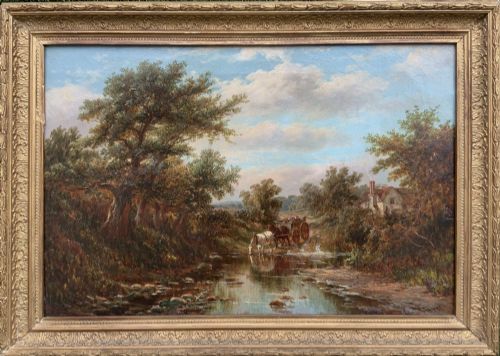
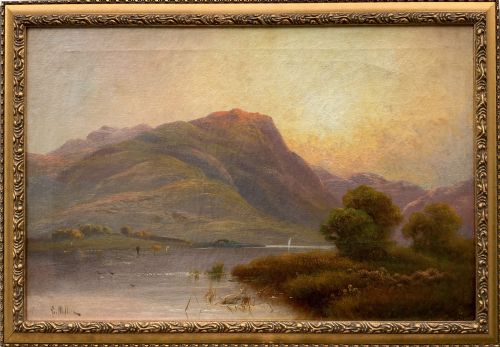
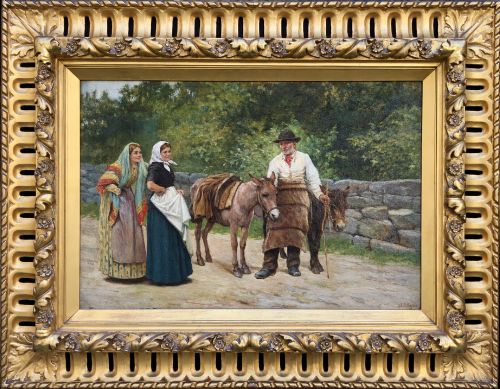
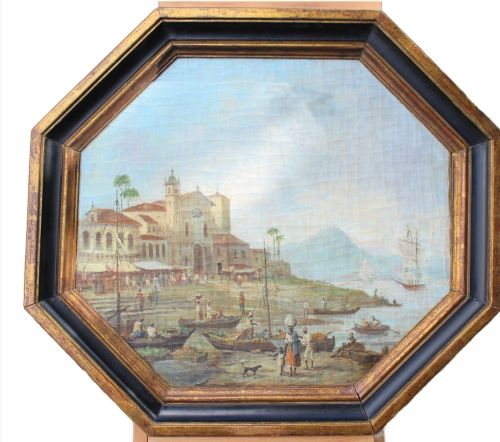
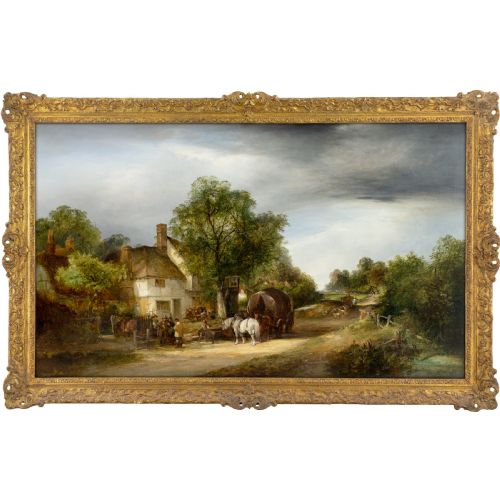
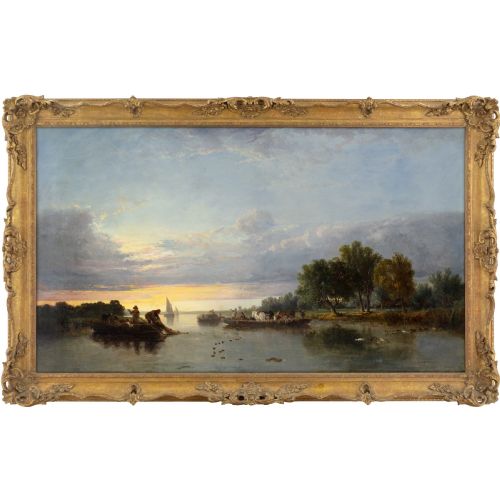
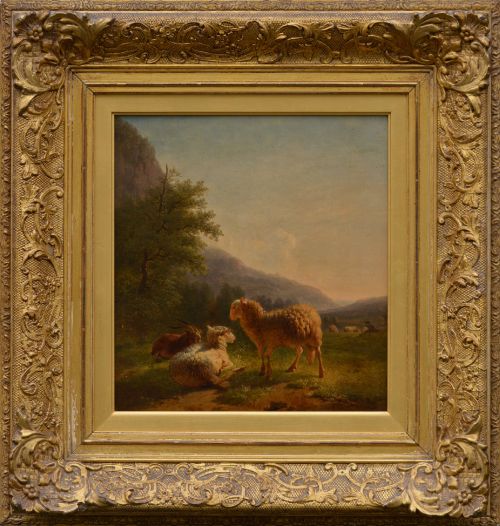
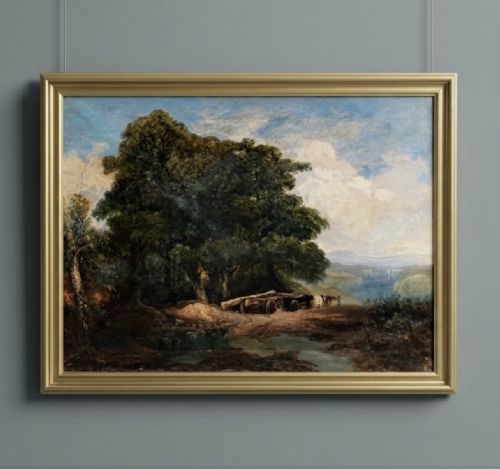
A 19th century landscape canvas brings pastoral views, dramatic coastlines and atmospheric rural scenes directly onto the wall.
19th Century Landscape Canvas
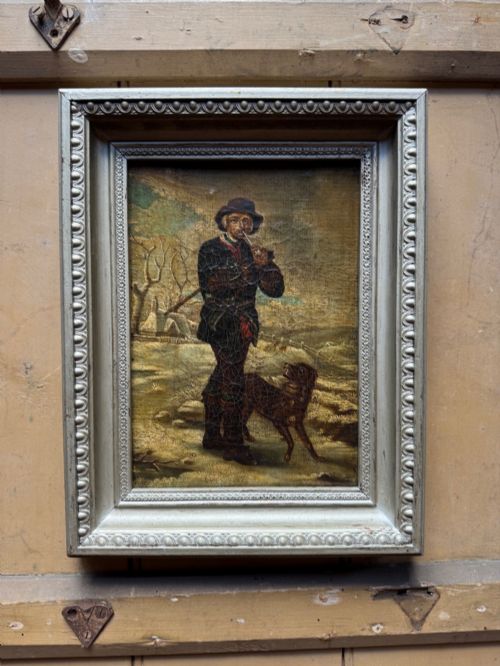
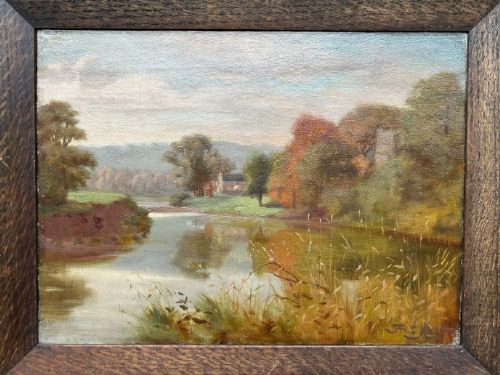
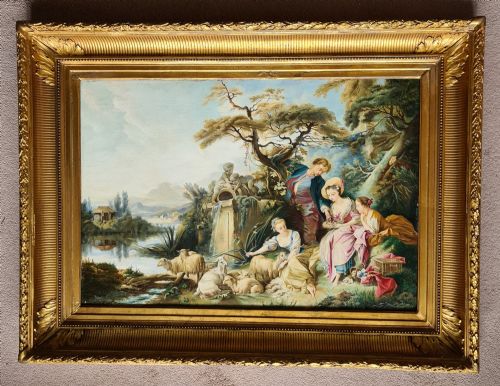
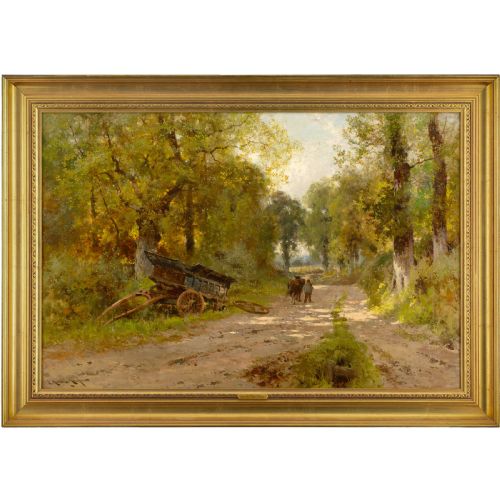
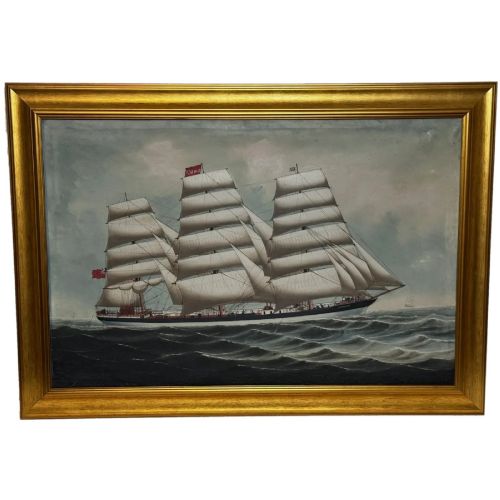
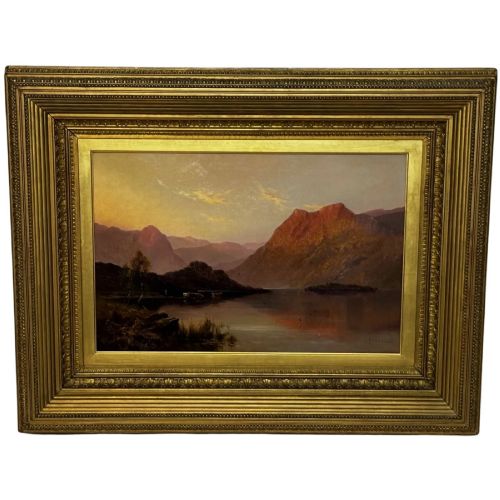
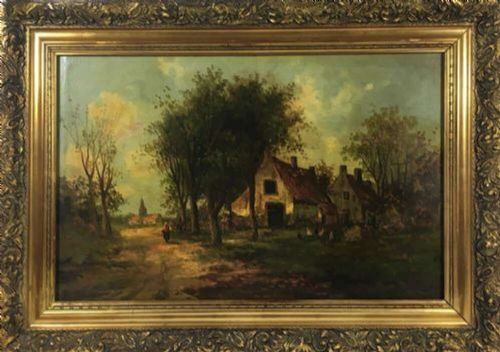
A 19th century landscape canvas captures the natural world through oil paint applied to stretched fabric, recording rural, river and mountain views from Britain and continental Europe.
The pieces on this page span British, Scottish, French, Italian and Danish schools, showing subjects from quiet woodlands and harvest fields to stormy seas and Venetian canals.
Creators worked in styles ranging from romanticism and realism to the Barbizon school, frequently incorporating figures, farm animals or cottages into the scenery.
How They Were Made
Painters applied oil paint to stretched canvas, frequently mounted on wooden stretchers or occasionally laid onto board.
Surviving works are commonly presented in period frames constructed from wood, giltwood or gesso.
Listings feature works created across the nineteenth century, utilising oil on canvas supported by wood, giltwood and gesso frames.
What Varies in Quality
The skill of the brushwork and the handling of atmospheric light distinguish individual pieces, separating routine studio output from masterworks.
The preservation of the original canvas and the decorative integrity of the period giltwood or gesso frame influence the overall character of the piece.
Eugène Verboeckhoven·Richard Sebastian Bond·William Beattie-Brown·Frederick Marriott·John Horace Hooper·Reginald Arthur Borstel·Alfred Fontville de Breanski·Thomas W Lascelles·Augusto Alberici·Gabriel Mathieu·David Bates·Benjamin Barker of Bath·Thomas Smythe·Robert John Hammond·Walter Heath Williams·Francis Moltino·Bernard Benedict Hemy·Thomas Creswick·Thomas Sidney Cooper·Albert Bierstadt·Harald Foss·Richard Redgrave·John Sargent Noble·Henry H Parker·Robert Watson
The 19th Century Landscape Canvas Glossary
- Barbizon School
- A group of French painters associated with naturalistic landscape painting during the mid-nineteenth century. They favoured working directly outdoors to capture changing light.
- Canvas
- The heavy woven fabric stretched across a wooden frame to serve as a support for oil paint. Linen and cotton varieties were standard.
- Giltwood
- Wood that has been coated with a thin layer of gold leaf or gold paint. It is frequently found on ornate nineteenth-century picture frames.
- Gesso
- A white paint mixture consisting of a binder mixed with chalk, gypsum or pigment. It was applied to wooden frames as a smooth base before gilding.
- Oil on Canvas
- The primary medium used by nineteenth-century artists, combining ground pigments with drying oils. It allowed for rich colour blending and textured brushwork.
19th Century Landscape Canvas: Frequently Asked Questions
What subjects appear in these paintings?
The works depict a wide variety of outdoor scenes, including Scottish moorlands, English riverbanks, Welsh mountains and French farmyards.
Many compositions incorporate daily rural life, showing shepherds with sheep, cattle grazing, figures outside cottages or boats upon coastal waters.
How do I hang a heavy framed canvas?
Large nineteenth-century oil paintings set in giltwood or gesso frames require robust wall fixings secured directly into wall studs or masonry.
Weight distribution is crucial, so professional picture hangers typically utilise heavy-duty D-rings and multi-strand wire.
How can I tell a British scene from a continental one?
Clues often lie in the topography, architecture and vegetation depicted, such as Scottish highland heather, English oak trees or Italian palazzos.
Signatures, artist biographies and framing styles also frequently point towards specific regional schools.
Were these painted outdoors?
While movements like the Barbizon school championed working directly in the open air, many nineteenth-century artists made initial sketches outside.
Finished canvases were then customarily completed within a studio setting using those observational studies.