

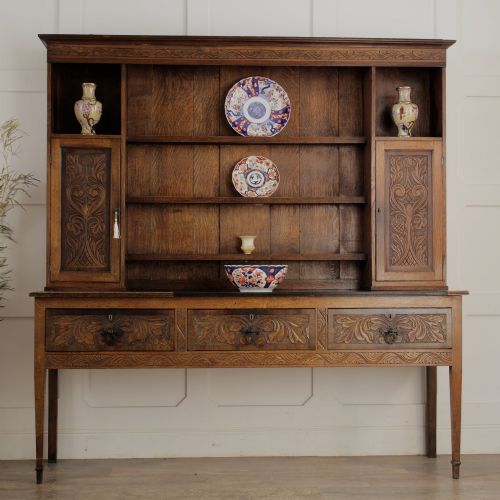
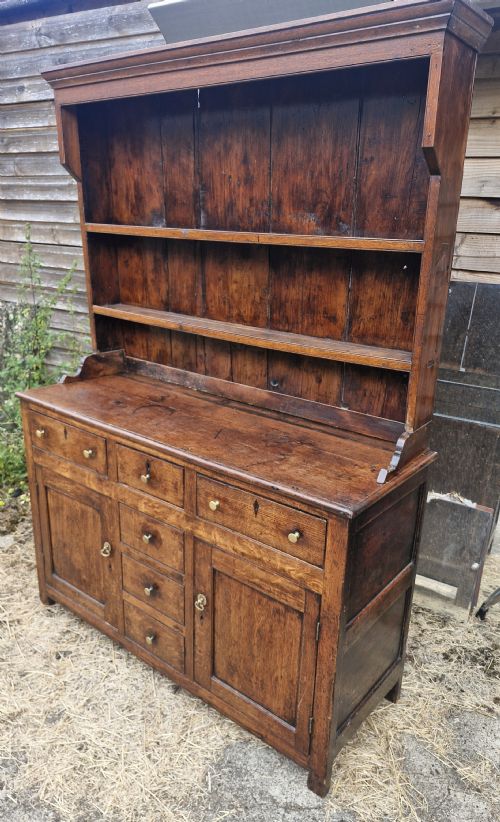
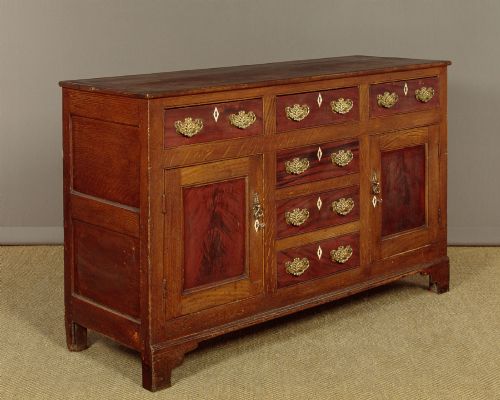
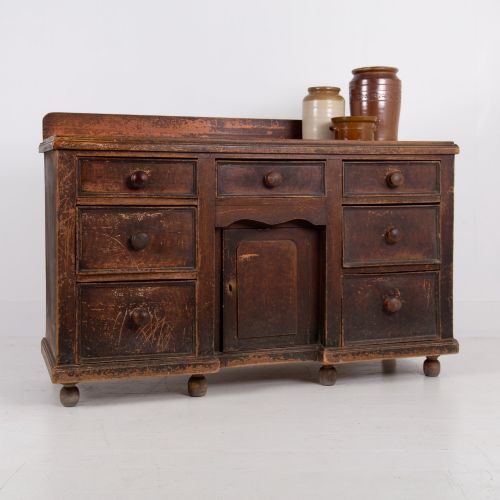
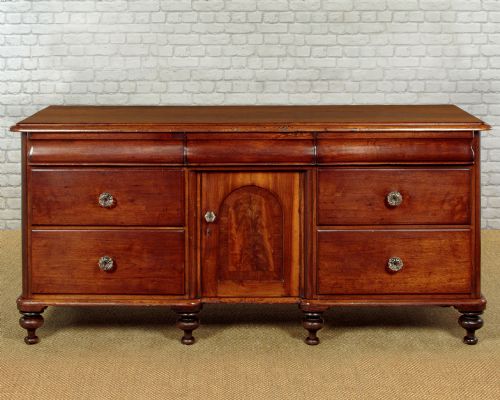
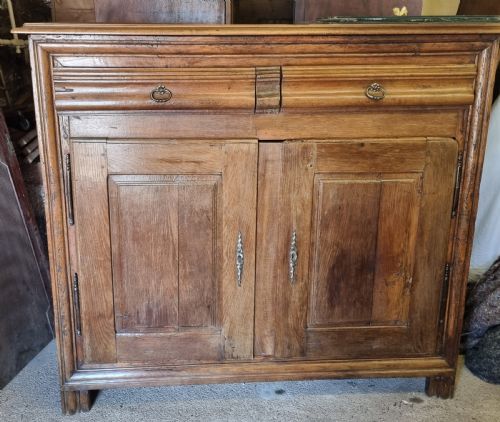
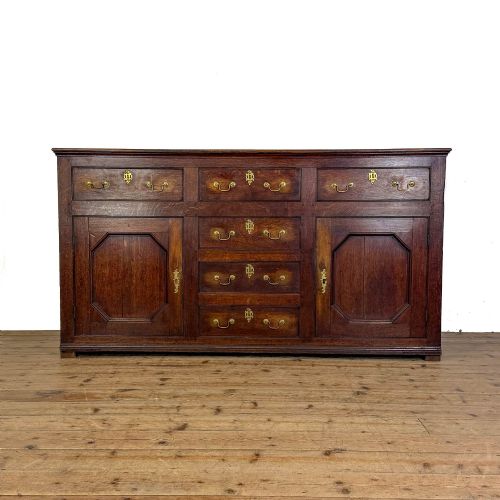
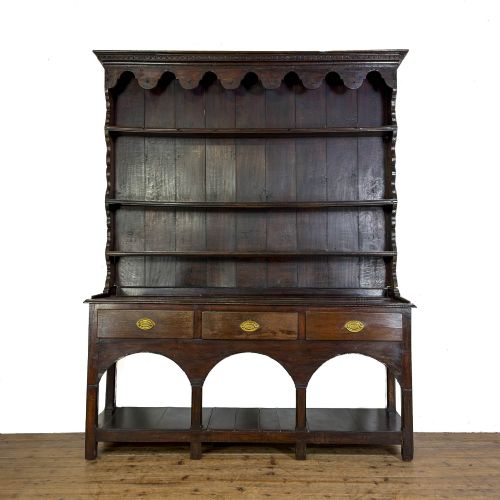
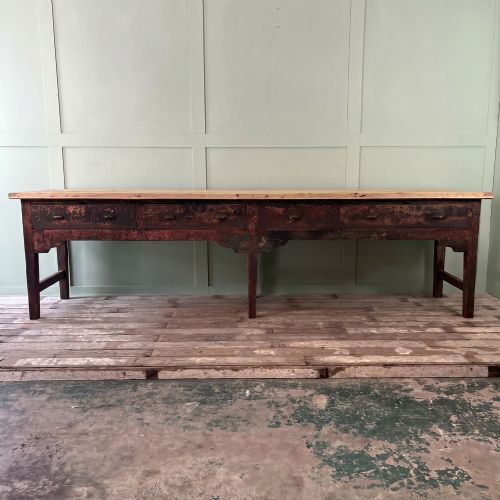

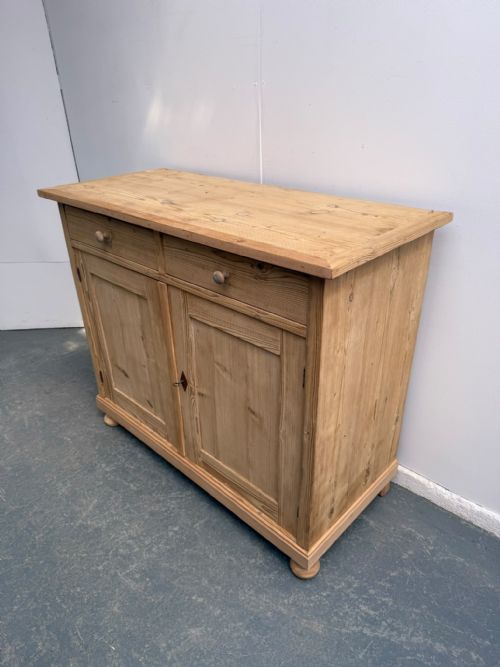
19th Century Kitchen Sideboard
A 19th century kitchen sideboard is a working utility piece built for storage and preparation, offering honest character for modern domestic spaces.
19th Century Kitchen Sideboard
A 19th century kitchen sideboard encompasses practical utility furniture built across the Georgian and Victorian eras for daily domestic work. Buyers seek these forms to anchor a room with functional surface area and substantial storage capacity.
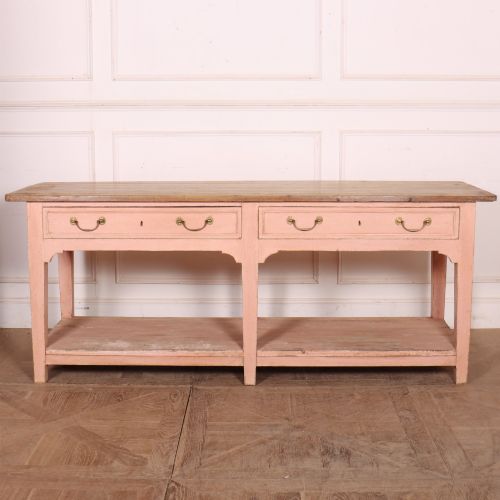
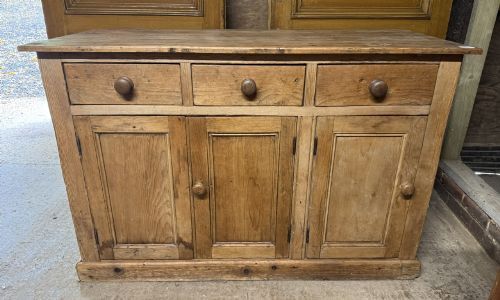
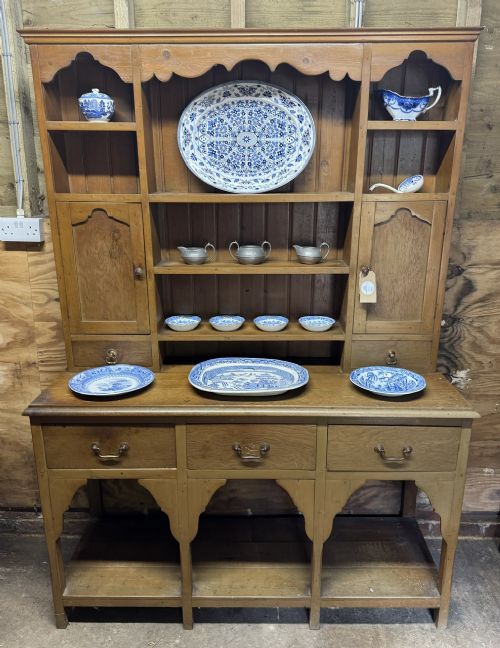
The selections span regional dresser bases, potboard tables, house maid cupboards, and serving surfaces created for provincial and country homes. Pine and oak predominate, often bearing the marks of active utility in kitchens, dairies, and pantries.
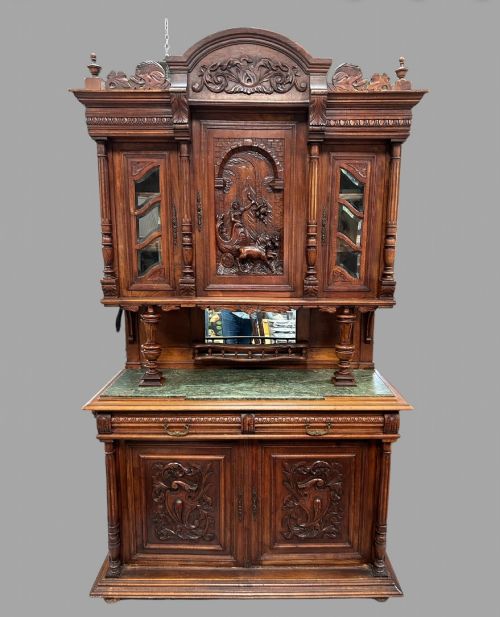
Regional variations include Welsh potboards, French provincial fruitwood cabinets, and English painted pine bases. Each form reflects the specific culinary habits and storage needs of its local origin.
Materials and construction methods
Joinery relies on solid timber construction using native woods like pine, oak, walnut, sycamore, and fruitwood. Carpenters utilised pegged mortise and tenon joints to withstand heavy daily lifting and preparation tasks.
Surfaces often retain their original paint, wax, or unadorned patination developed through decades of scrubbing and use. Secondary details incorporate iron hinges, brass pulls, and glass elements where cupboards or display sections demand them.
Craftsmen built these working pieces across diverse regional styles, encompassing French provincial, Victorian country, and rustic farmhouse traditions.
Judging build and surface integrity
Quality rests in the preservation of original surfaces, whether layered historical paint or scrubbed timber patination. Altered drawer configurations, replaced hardware, and heavily restored timber reduce the historical integrity of the piece.
Structural honesty separates utilitarian work tables from finer provincial cabinet work. Solid timber thickness, tight joinery, and minimal replacement of structural boards dictate the enduring value of each survival.
The 19th Century Kitchen Sideboard Glossary
- Potboard
- An open lower shelf beneath a dresser base or sideboard utilised historically for storing heavy pots and pans. This lower platform sits just above the floor on sturdy feet or stile extensions.
- Dog kennel
- A central recessed space flanked by cupboards or drawers located beneath the main counter level of certain dresser bases. Originally designed to house working dogs in the warmth of the kitchen.
- Bread slide
- A pull-out wooden board integrated beneath the work surface for kneading dough or cooling baked goods. These sliding shelves operate on simple wooden runners.
- Patina
- The surface sheen and colour acquired by wood and paint over decades of handling, cleaning, and exposure to light. This visual depth indicates age and continuous use.
- Dresser base
- The lower section of a kitchen dresser functioning independently as a sideboard or serving table. These units feature drawers and cupboards without the upper plate rack.
19th Century Kitchen Sideboard: Frequently Asked Questions
How were these sideboards used originally?
These pieces served as the central work station for food preparation, storage, and serving in busy domestic kitchens. Cooks used the timber tops for chopping and rolling dough while storing utensils and provisions in the drawers below.
Lower shelves and cupboards held heavy cookware, crockery, and dry goods. They functioned as durable utility furniture built to withstand the demands of daily country life.
Where do these pieces originate from?
The listings include examples originating from Welsh, English, French, Swedish, Danish, and Hungarian provincial workshops. Regional preferences dictated the choice of timber, such as local oak in Wales and pine across wider European farmhouses.
Makers utilised the materials readily available in their immediate localities. This geographic diversity creates distinct regional characteristics in joinery and proportion.
How do I care for original paint?
Preserve original paint surfaces by avoiding harsh chemical cleaners, abrasives, and excessive moisture. Dust gently with a dry, soft cloth to protect the historical layers.
Maintain stable indoor humidity levels to prevent the underlying timber from expanding and contracting. This care routine safeguards the fragile surface patination built up over centuries.
Can I use a kitchen sideboard daily?
These sturdy wooden pieces handle modern daily use reliably when treated with sensible care. Solid pine and oak surfaces accommodate everyday storage and serving requirements easily.
Protect vulnerable timber tops from standing water and heat damage using coasters and mats. Their robust construction suits contemporary kitchens and dining spaces.