

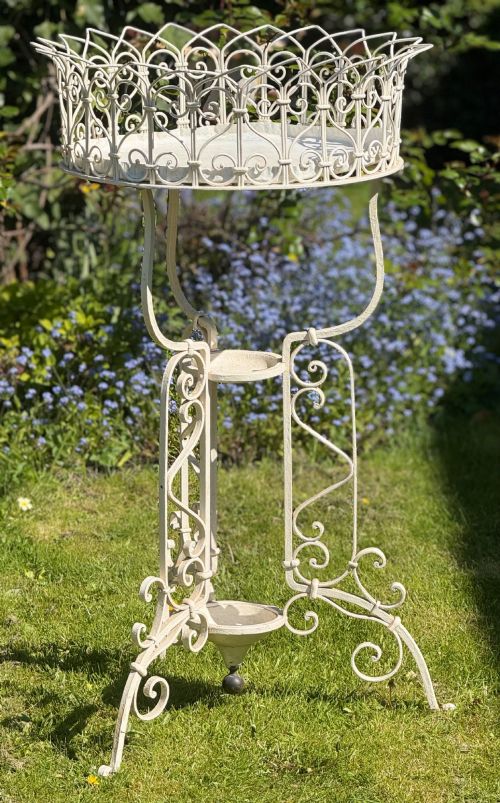

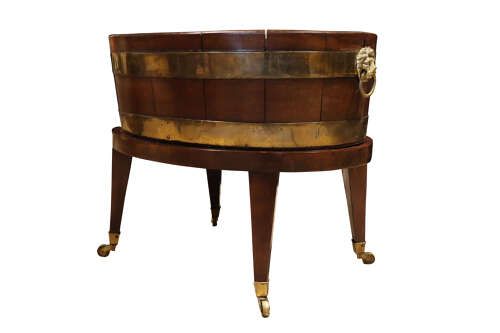
19th Century Jardiniere Stand
A 19th century jardiniere stand holds plants or wine, bringing ornamental plant displays and classical forms into period rooms.
19th Century Jardiniere Stand
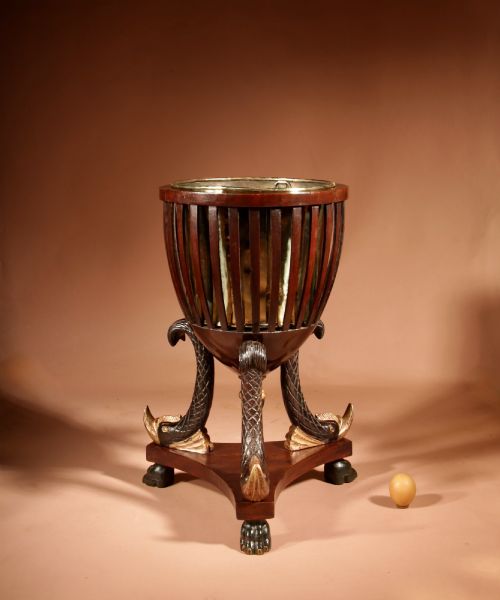
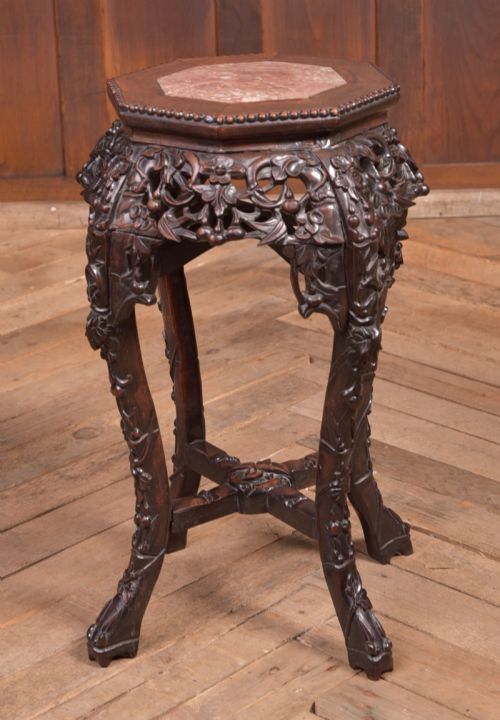
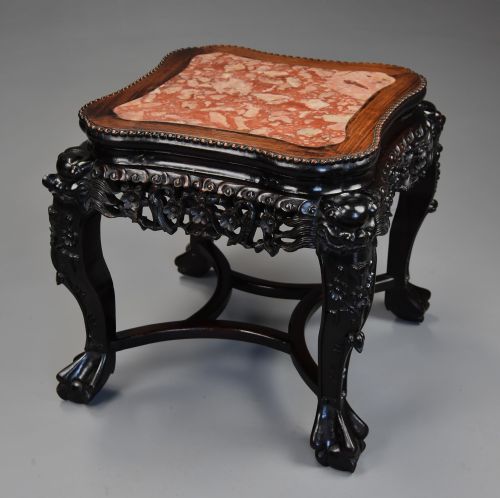
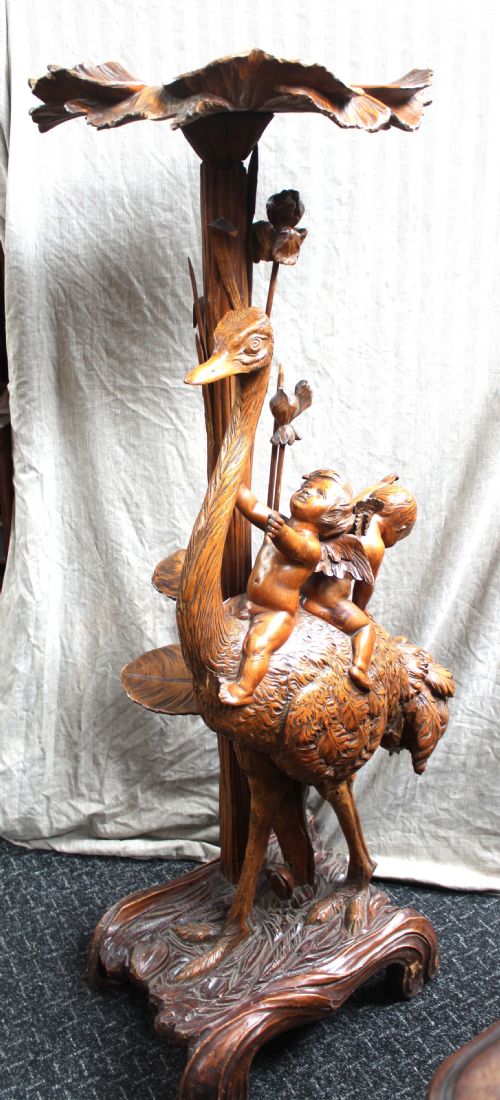
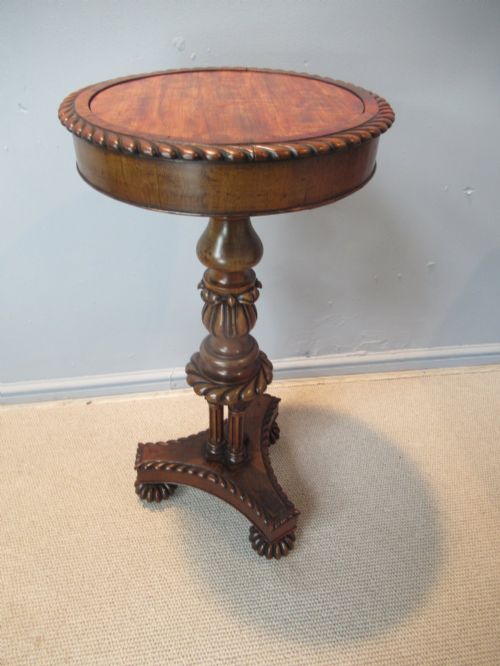
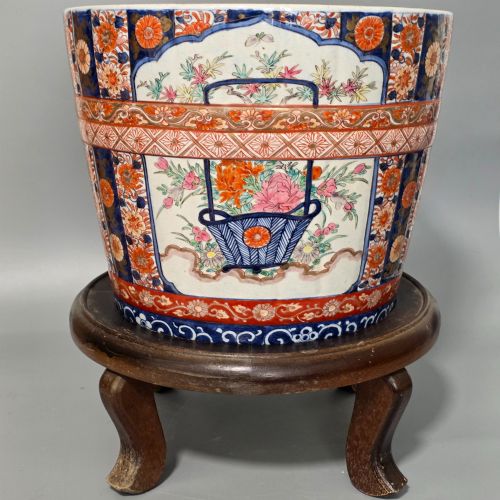
A 19th century jardiniere stand combines planters, plant stands, and occasional furniture designed to elevate greenery or vessels within domestic interiors. These pieces range from low Chinese hardwood pot stands with marble inserts to tall French walnut or mahogany pedestal tables with lined liners.
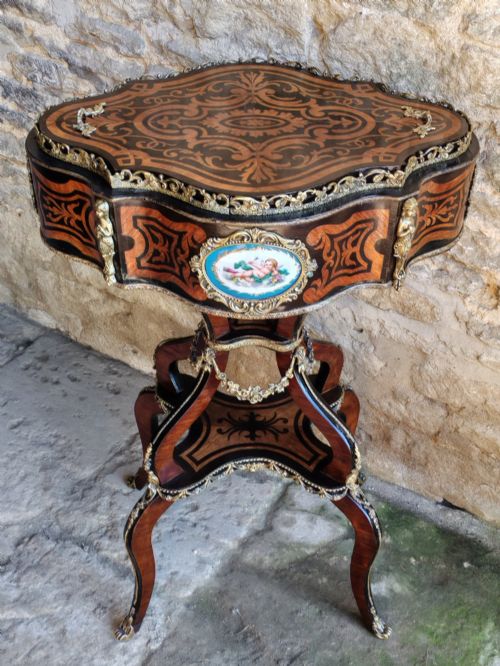
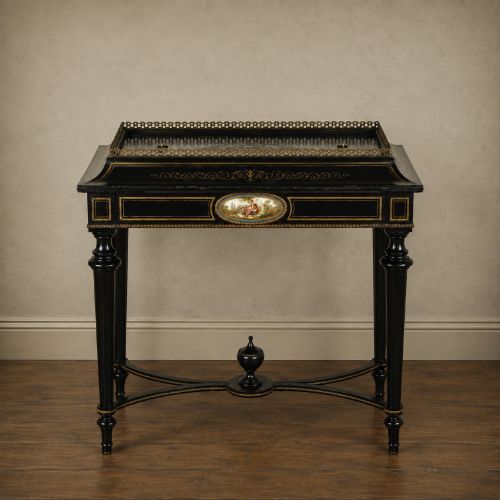
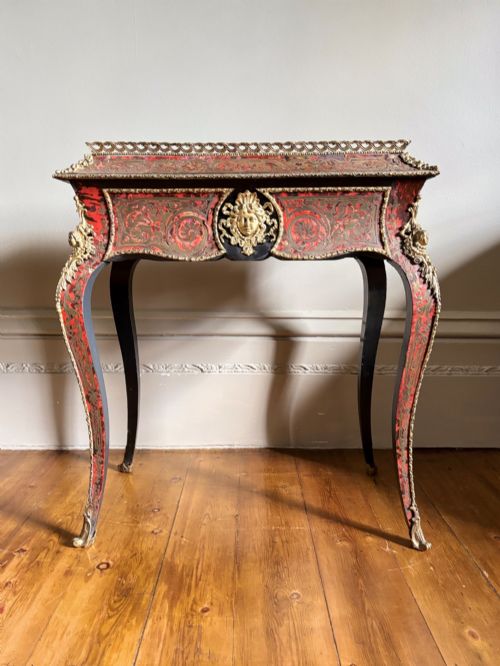
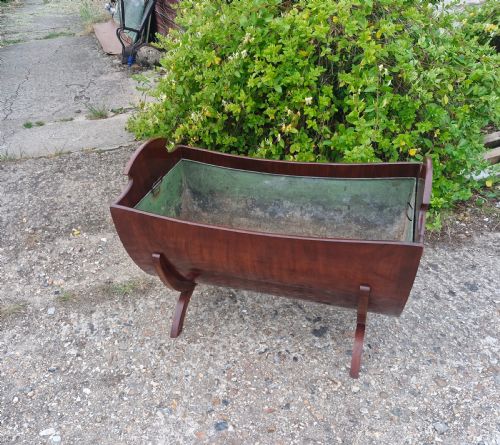
Buyers encounter numerous regional variations, including English country house mahogany coopered buckets, French Napoleon III ebonised stands with porcelain plaques, and intricately carved oriental hardwood supports. Many double as wine coolers, cellarettes, or decorative pedestals for sculpture and urns.
How They Were Made
Cabinetmakers utilised dense timbers such as mahogany, walnut, satinwood, and carved hardwood, frequently incorporating marquetry inlays, ebonised finishes, and exotic veneers. Metal elements like cast brass, ormolu mounts, and wrought iron provided structural strength and decorative contrast.
Many items integrate inset variegated rouge marble tops or painted porcelain plaques to withstand moisture from plants and vessels. Coopered construction techniques, utilising wooden staves bound with metal hoops, recur in bucket-style planters and wine coolers.
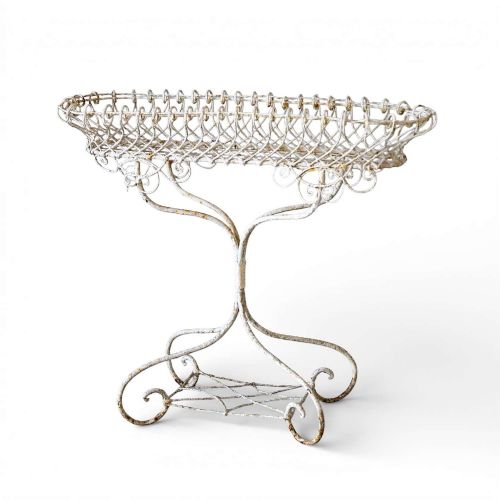
Carving, gilding, and wirework define the ornamental detailing across European and Asian workshops. French pieces frequently display elaborate boulle marquetry and gilt mounts, while Chinese Qing Dynasty stands feature precise joinery and carved hardwood surfaces.
Materials span brass, mahogany, ormolu, marble, hard woods, ebonised wood, and porcelain.
What Varies in Quality
The refinement of carving and marquetry separates standard domestic utility items from exceptional salon pieces. Superior examples exhibit crisply rendered floral inlays, detailed figural mounts, and deeply undercut wood carving rather than mechanical stamping.
Material selection dictates longevity and visual impact, with dense hardwoods, heavy cast ormolu, and undamaged inset marble panels marking the higher end of the range. Original liners, whether metal, brass, or pottery, preserve the internal structure from water damage.
Structural integrity relies on traditional joinery methods and stable timber movement, particularly on tripod bases and multi-tiered stands. Pieces retaining their original surface patination and matching mounts command greater consideration than heavily restored items.
The 19th Century Jardiniere Stand Glossary
- Jardiniere
- An ornamental pot or stand designed to hold plants or flowers indoors. They appear in porcelain, pottery, and metal.
- Coopered
- Constructed from wooden staves bound together with metal bands, similar to barrel-making. This technique prevents water leaks in wooden planters and wine coolers.
- Ormolu
- Gilt bronze mounts applied to furniture and decorative objects during the eighteenth and nineteenth centuries. French cabinetmakers used them extensively for enrichment.
- Boulle
- A type of marquetry using brass and tortoiseshell inlaid into a dark ground. It decorates high-status French furniture and stands.
- Marquetry
- Decorative patterns formed by veneering thin slices of wood onto a carcase. Craftsmen employed diverse timbers to create intricate floral or geometric designs.
19th Century Jardiniere Stand: Frequently Asked Questions
What is a 19th century jardiniere stand used for?
These pieces primarily elevated potted plants, ferns, and floral arrangements off the floor to protect interior surfaces.
Many examples also doubled as wine coolers, champagne buckets, or display pedestals for sculpture and decorative vases.
How do I care for a marble top jardiniere?
Wipe marble surfaces with a damp cloth and mild soap, avoiding acidic cleaners that etch the stone. Use protective pads underneath pots to prevent water rings and scratching.
Keep wooden frames polished and check metal liners regularly for moisture accumulation to preserve the surrounding timber.
How can I tell French styles apart?
French Empire pieces feature classical architectural motifs and gilt mounts reflecting ancient Rome. Napoleon III and Louis XV styles incorporate curving lines, marquetry, and rich walnut or ebonised finishes.
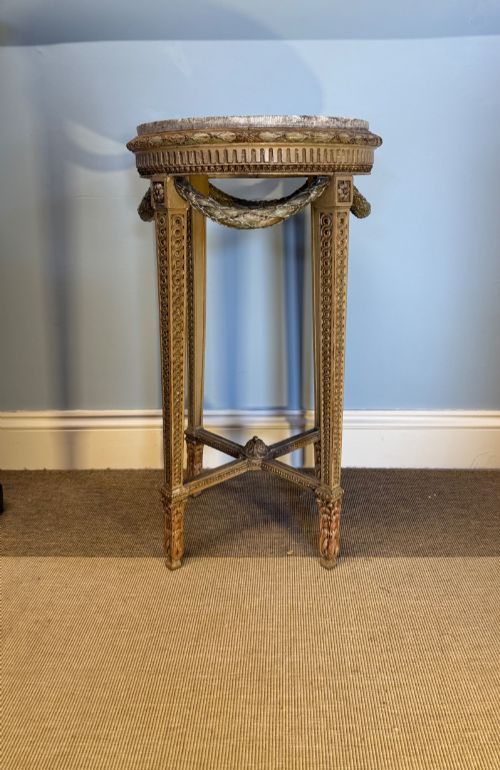
Louis XVI pieces emphasise symmetry, straight fluted columns, and restraint influenced by neoclassical revival.