
19th Century Japanese Antiques
These 19th century japanese antiques bring together bronze, porcelain, and lacquer crafted across the Meiji period and Victorian design movements.
19th Century Japanese Antiques
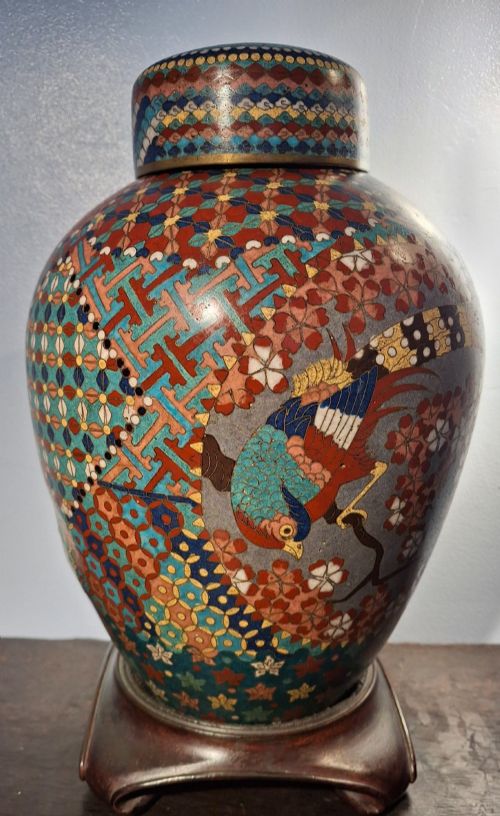
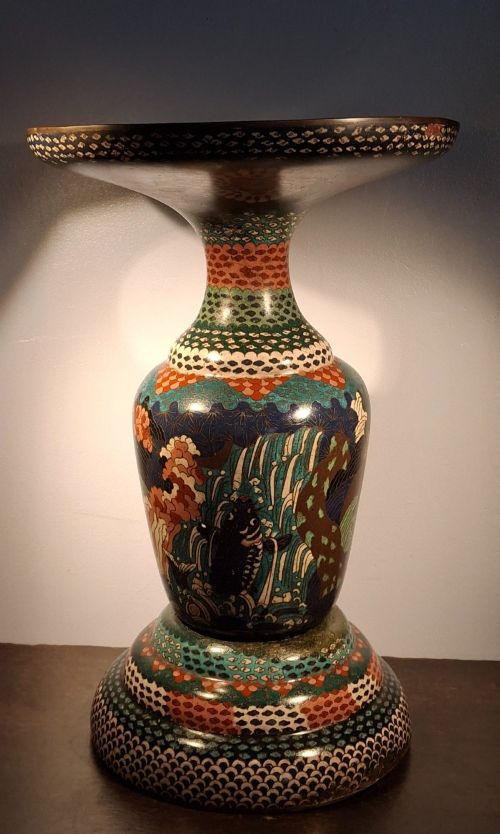
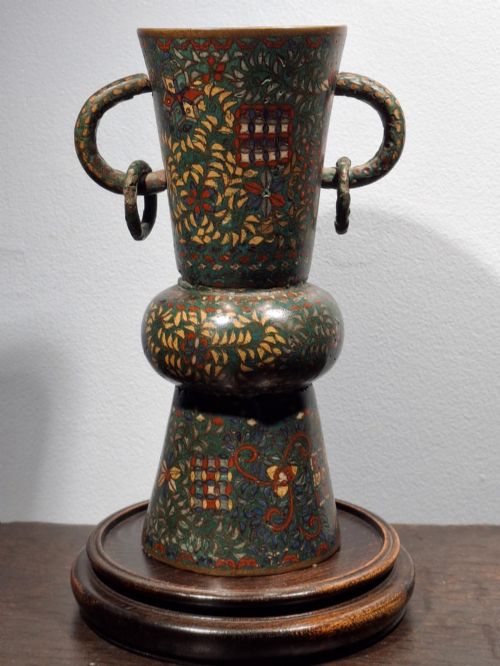
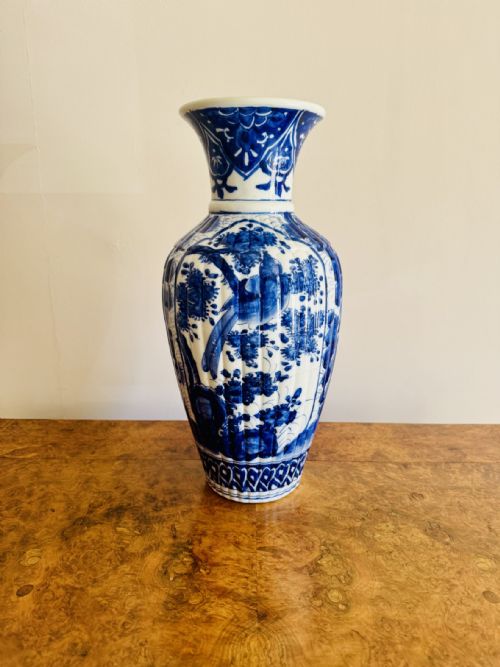
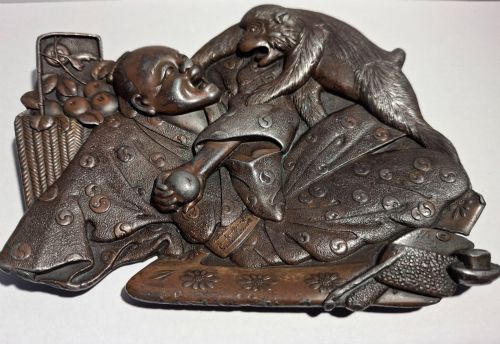
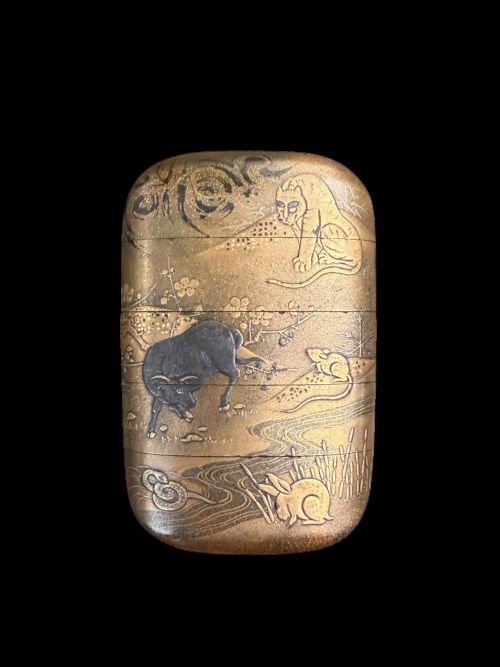
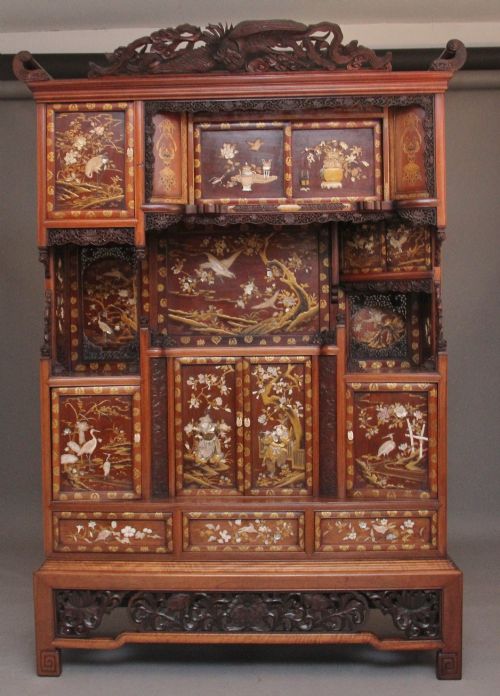
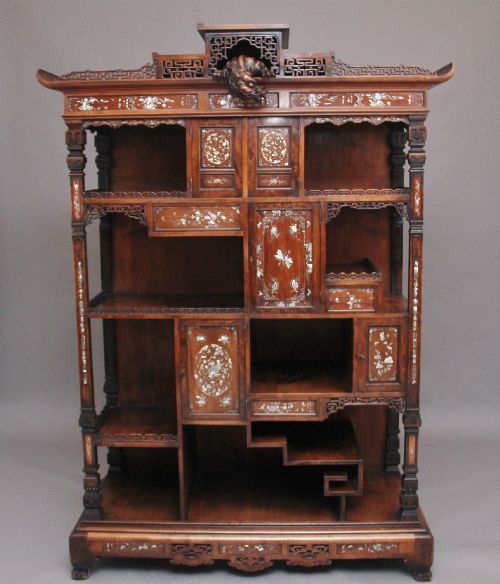
When buyers search for 19th century japanese antiques, they encounter a diverse selection of decorative and functional objects originating primarily from the Meiji period, alongside European interpretations influenced by the Aesthetic Movement and Japonisme. The domestic imports include Imari and Kutani porcelain vessels, bronze vases, cloisonné enamel lamps, intricate netsuke, and lacquered cabinetry such as shodona and kodansu. These pieces reflect both traditional Japanese craftsmanship and the intense global exchange of design ideas during the latter half of the nineteenth century.
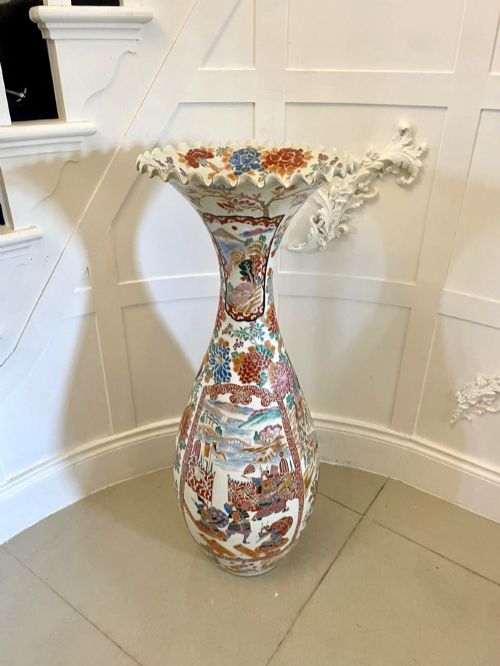
On this page, the most frequent encounters are Japanese Imari plates and chargers, Meiji bronze vases, and porcelain lidded jars, alongside British and French furniture that incorporates bamboo, lacquer, and Japanese motifs. The selection ranges from small boxwood and stag antler netsuke to large floor-standing Imari vases and decorative planters. Buyers also find desk accessories and occasional furniture produced under the umbrella of Victorian aesthetic design, demonstrating how deeply Japanese visual culture permeated Western interiors.
How they were made
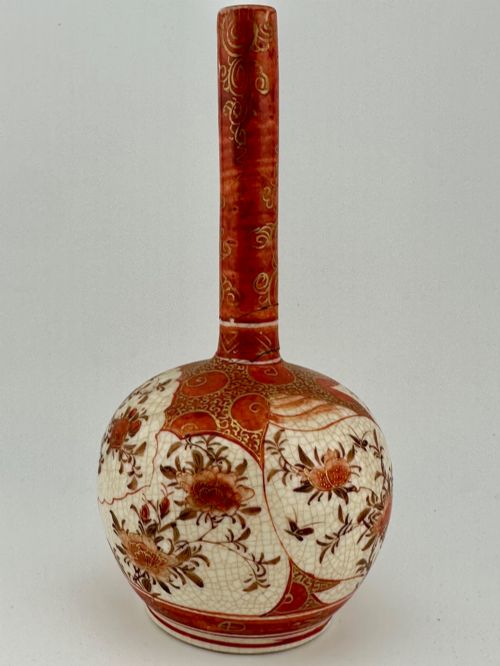
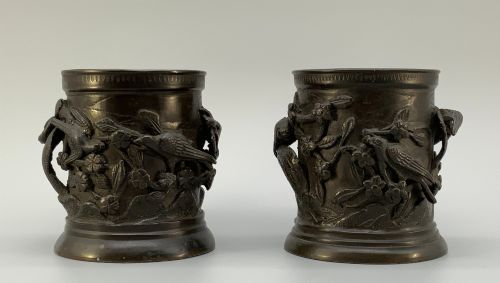
The ceramic works utilise refined porcelain clays finished with detailed glaze applications, characteristic of Imari palettes and Kutani porcelain traditions. Metalwork objects combine cast bronze and patinated finishes, frequently enhanced with applied gold leaf or enamel details as seen in cloisonné pieces.
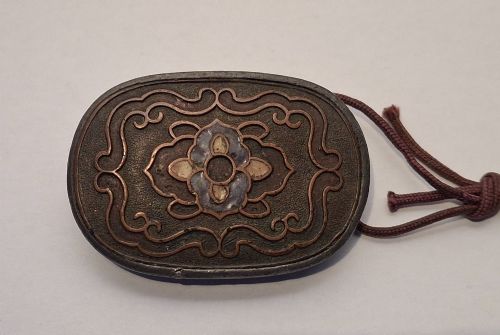
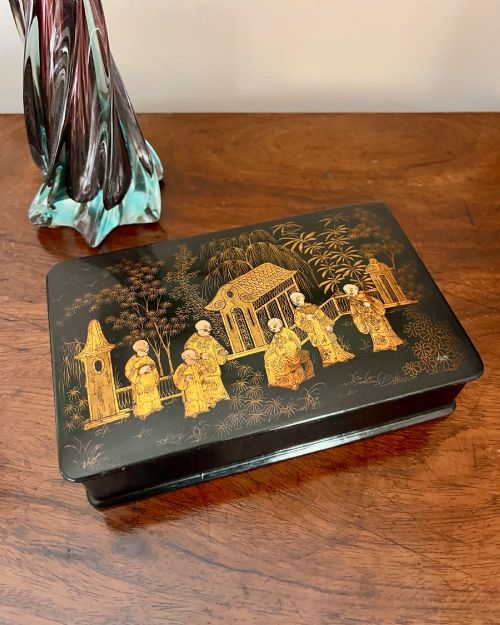
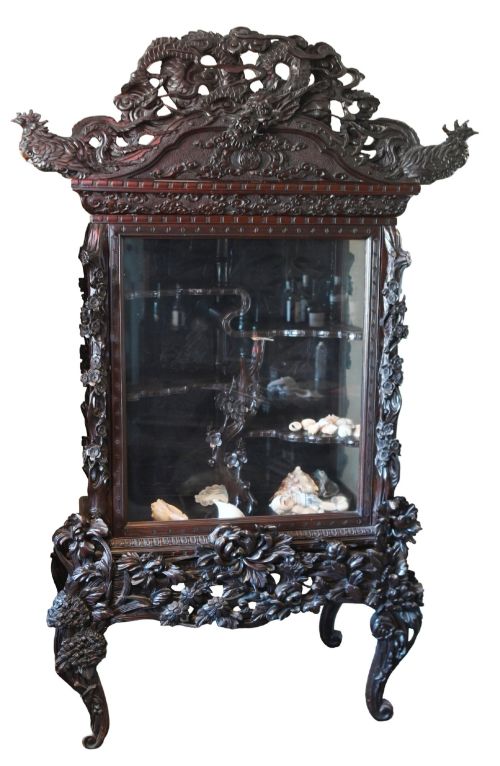
Cabinetry and decorative boxes employ timber structures finished with carved lacquer, gilt lacquer, and boxwood or bamboo elements. Artisans utilised specialised carving and mounting techniques, pairing wooden frames with gilt bronze mounts and porcelain inserts to achieve complex decorative surfaces.
Listings feature items from the Edo period and the 19th century, utilising bronze, porcelain, enamel, and lacquer.
What varies in quality
The distinction between tiers rests upon the precision of the surface decoration and the integrity of the materials, whether in the crispness of hand-painted porcelain glazes or the depth of bronze patination. Higher grade examples exhibit meticulous control in cloisonné wirework, lacquer layering, and carved detail on netsuke and cabinet panels.
Structural complexity and original mountings also divide the standard production from the exceptional. Pieces retaining intact gilt bronze mounts, signed artist marks such as Fukagawa, and well-preserved structural joinery in bamboo or lacquered wood command greater attention from collectors.
Blyth and Son·Gabriel Frederic Viardot·E W Godwin·Fukagawa
The 19th Century Japanese Antiques Glossary
- Imari
- A style of Japanese porcelain featuring distinctive underglaze blue and iron red designs, often accented with gilt. It was widely produced for export during the Edo and Meiji periods.
- Meiji Period
- The era in Japanese history spanning from 1868 to 1912, characterised by the opening of trade with the West and a flourishing of decorative arts.
- Netsuke
- A small carved toggle or fastener, typically made from boxwood or stag antler, used to secure small pouches to traditional Japanese garments.
- Cloisonné
- A metalwork technique where enamel is applied within compartments created by soldered flat wires on a bronze or copper base.
- Japonisme
- A Western term coined in the late nineteenth century to describe the study and influence of Japanese art and aesthetics on European design.
- Shodona
- A traditional Japanese tabletop or freestanding display cabinet featuring asymmetrical shelving and sliding doors for curios.
19th Century Japanese Antiques: Frequently Asked Questions
How do I identify a Meiji period piece?
Meiji period items generally date between 1868 and 1912, marked by a surge in export manufacturing aimed at Western markets. Look for intricate surface work, such as fine cloisonné enamel or detailed Kutani and Imari porcelain painting.
Many pieces from this time bear signatures, artist stamps, or kiln marks on the base. Comparing the weight, glaze consistency, and decorative motifs helps confirm the era of production.
What is the difference between Imari and Kutani porcelain?
Imari porcelain is instantly recognised by its robust palette of underglaze blue, iron red, and gilt, often featuring floral or geometric panel designs. It was heavily produced in the Arita area for export.
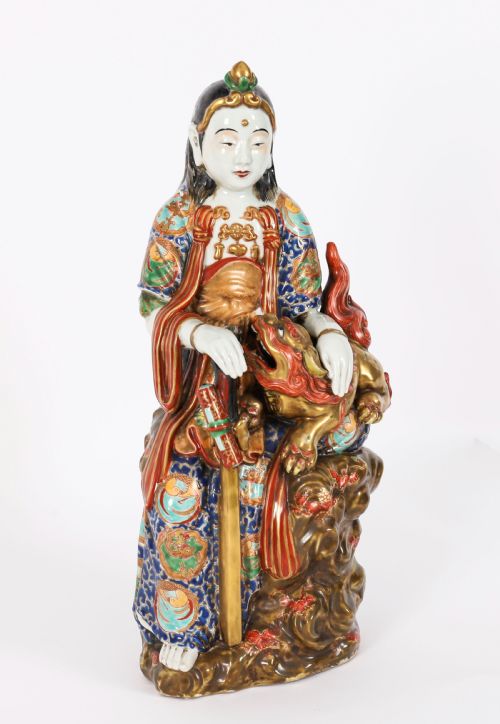
Kutani porcelain, by contrast, frequently utilises a broader range of rich enamel colours, particularly greens and yellows, often depicting figurative scenes, birds, and detailed natural elements.
How do I care for antique lacquerware?
Antique lacquer requires protection from direct sunlight and extreme fluctuations in humidity, which can cause the wooden substrate to expand and the surface to crack. Keep pieces away from heat sources and maintain a stable indoor environment.
Dust gently with a soft, dry microfiber cloth. Avoid using commercial cleaning sprays, chemical solvents, or water on antique lacquer finishes.
What is Anglo-Japanese furniture?
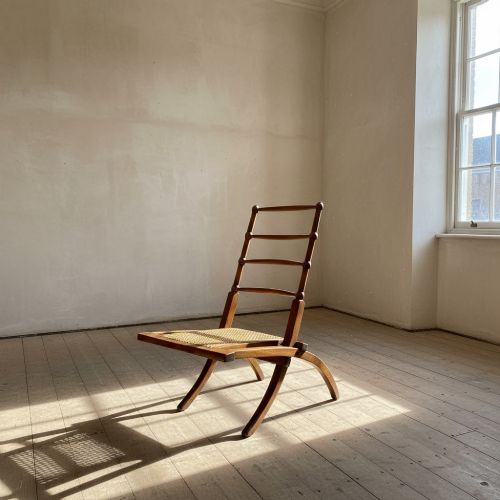
Anglo-Japanese furniture represents a Victorian design movement where British makers adopted Japanese aesthetic principles, structural simplicity, and motifs. These pieces often feature ebonized or bamboo frames paired with decorative lacquer panels.
Designers like E.W. Godwin and firms such as Blyth and Son popularized this style, blending Western furniture forms with Japanese spatial restraint and decorative asymmetry.