




19th Century Islamic Antiques
These 19th century islamic antiques span regional textiles, metalwork, and marquetry crafted across the Ottoman and Persian spheres.
19th Century Islamic Antiques
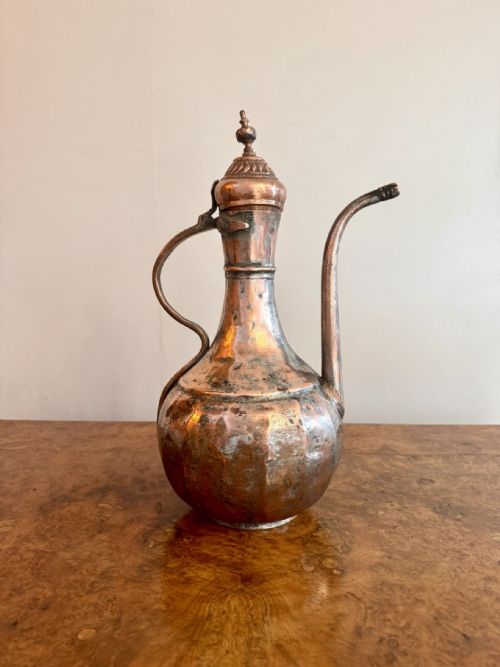
When you search for 19th century islamic antiques, you encounter a diverse range of decorative arts and furnishings originating from the Middle East, Persia, and Turkey. The selection frequently includes everyday and ceremonial objects such as copper coffee pots, brass wash bowls, occasional tables, and prayer rugs.
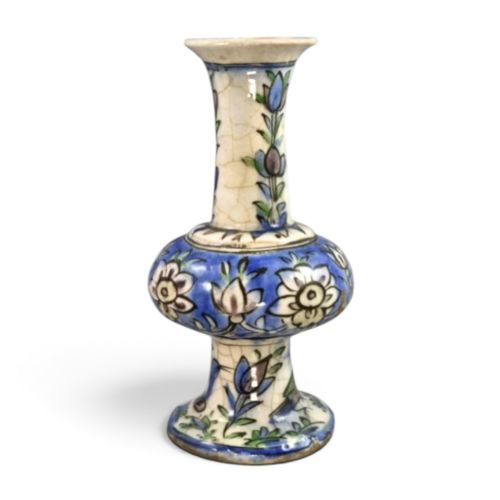
The pieces on this page represent distinct regional traditions, including Qajar Persian lacquer and ceramics, Ottoman embroideries, and Syrian inlaid woodwork. Buyers often seek these items for their intricate ornamentation, narrative paintings, and tactile textile surfaces.
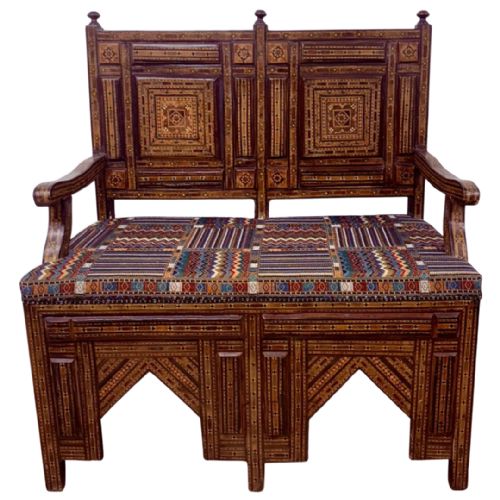
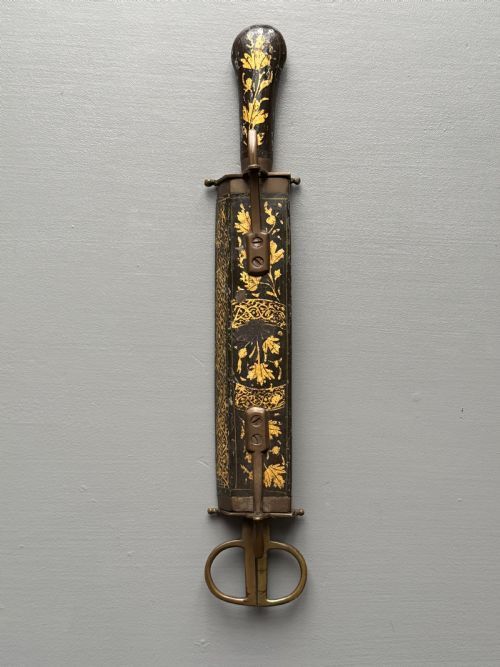
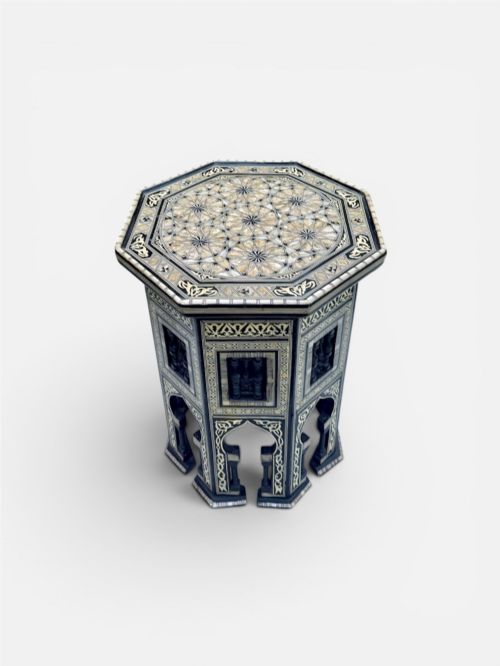
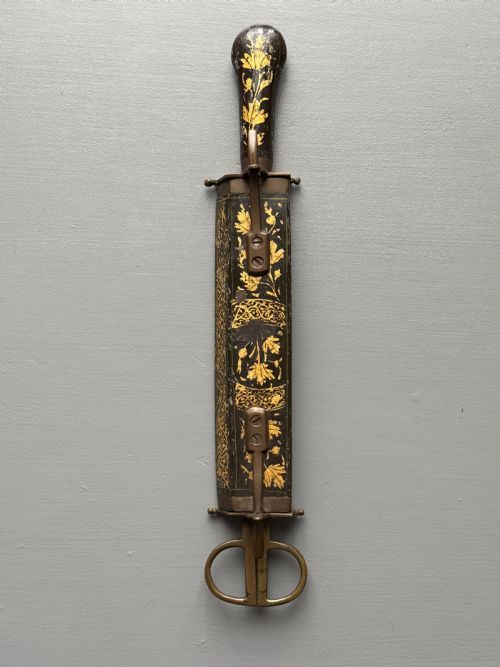
Forms vary from small personal items like pen cases and dagger sets to substantial furniture such as octagonal side tables, armchairs, and cabinets. Each object reflects the specific domestic, scholarly, or decorative practices of its region of origin.
How they were made
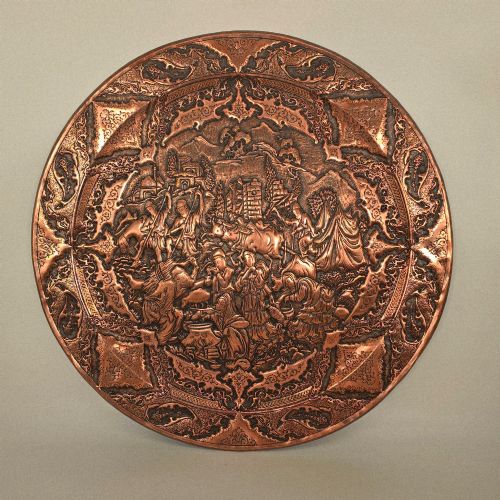
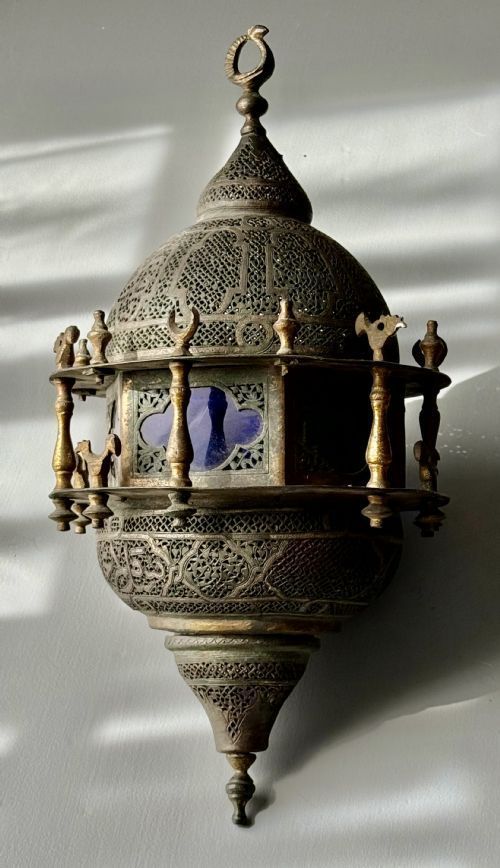
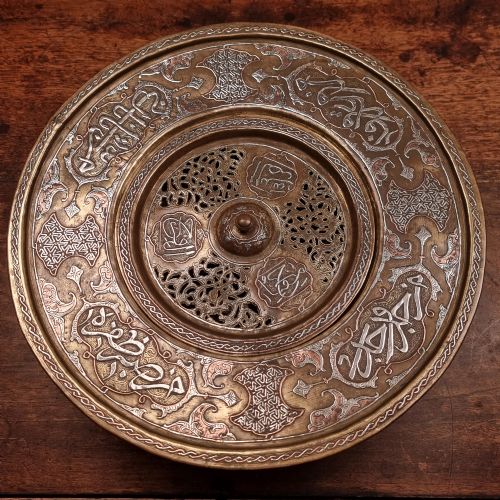
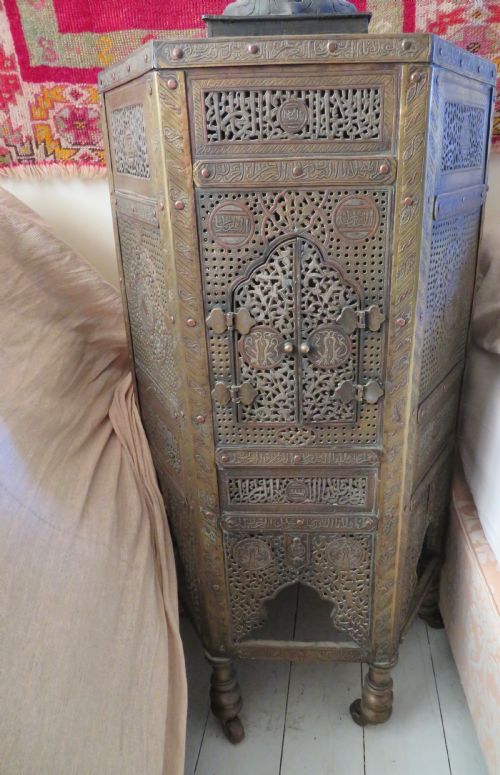
Makers utilised traditional metalworking techniques, hammering copper and brass before hand-engraving or inlaying the surfaces with silver, white metal, and copper. Brass table tops and vessels often display dense openwork patterns and calligraphic or geometric motifs.
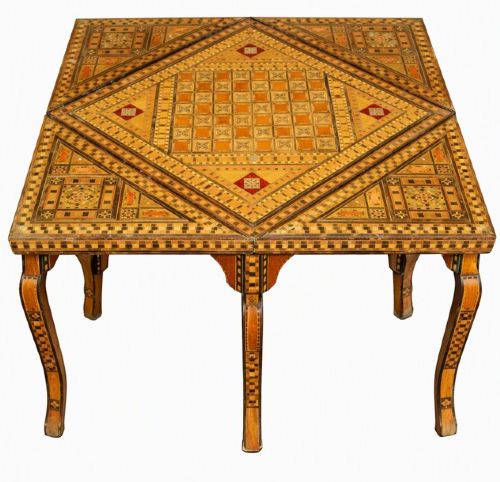
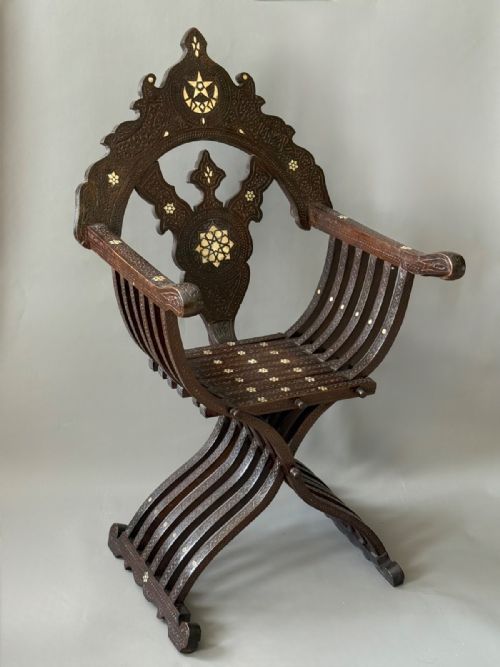
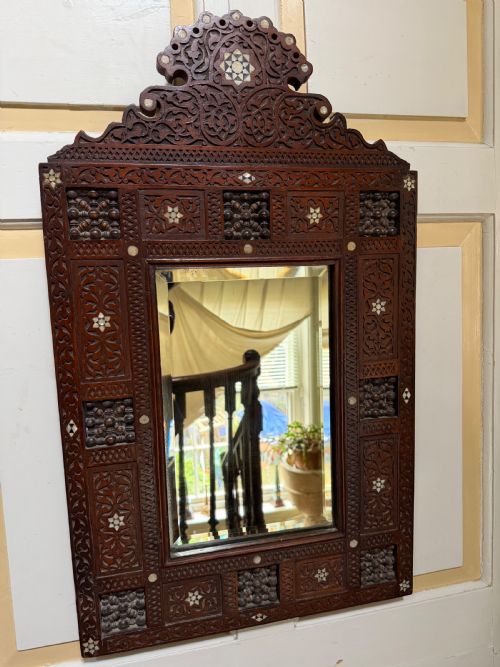
Woodworking traditions involved constructing items from walnut and hardwood, then meticulously inlaying them with mother-of-pearl, bone, and abalone shell to form geometric lattices and star patterns. Syrian cabinets, tables, and wall brackets demonstrate this complex mosaic assembly.
Textiles and works on paper combined woven silk, wool, and felt with metal-thread embroidery and meticulous appliques, as seen in prayer rugs and garments. Papier-mâché items, such as pen cases and boxes, received layers of lacquer and hand-painted polychrome decoration.
19th Century Islamic Antiques Retail Price Guide 2026
Typical asking prices for 19th century islamic antiques among the pieces listed under this phrase on Sellingantiques today, from the lower quarter to the upper quarter. They describe what is for sale here now, not the wider market.
Even a brass wall-light had to look dashing when summoned for the Islamic market.
What varies in quality
Quality in these pieces depends on the precision and depth of the hand-engraving, the complexity of the metal inlay, and the crispness of the chased details on brass and copper vessels. Superior examples display disciplined control in every line rather than hurried execution.
In inlaid woodwork, the standard is set by the tightness of the mosaic pieces and the variety of natural materials utilised, such as genuine bone and mother-of-pearl set flush into the walnut substrate. Inferior work relies on painted substitutions or sloppy assembly with visible gaps.
For painted lacquer and textiles, distinction lies in the fineness of the miniature brushwork and the density of the silk or metal-thread embroidery. Well-preserved pigments and secure appliques elevate a piece above standard decorative production.
The 19th Century Islamic Antiques Glossary
- Qajar
- Pertaining to the dynasty that ruled Persia from the late 18th to the early 20th century. This style is frequently recognised by polychrome ceramics, lacquer painting, and figurative art.
- Cairoware
- A term for metalwork produced in Egypt and the Middle East during the late 19th and early 20th centuries. These pieces typically feature heavy silver and copper inlay on brass.
- Mamluk Revival
- A 19th-century artistic movement that emulated the opulent brassware and glass of the medieval Mamluk Sultanate. Artisans utilised intricate geometric engraving and Arabic inscriptions.
- Rasht embroidery
- A traditional Persian textile technique originating from Gilan province. It involves applying fine wool and silk pieces onto a felt backing to create dense floral designs.
- Ghiordes
- A historic weaving centre in Anatolia known for classical prayer rugs. These textiles often feature distinctive mihrab designs and symmetrical knots.
19th Century Islamic Antiques: Frequently Asked Questions
How were inlaid Syrian tables constructed?
Syrian tables were built from solid hardwoods like walnut, serving as a stable armature for decorative surface work. Artisans assembled intricate geometric patterns from individual slivers of wood, bone, and mother-of-pearl.
This technique required immense precision to fit the natural materials tightly together before securing them to the wooden core with animal glue.
What is a prayer rug used for?
Prayer rugs were traditionally utilised for daily Islamic prayers, providing a clean and portable space for prostration. Their designs frequently incorporate a mihrab arch motif pointing toward Mecca.
Beyond religious use, finer examples served as decorative wall hangings or valuable household furnishings indicating the owner's status.
How do I care for inlaid wood furniture?
Inlaid wooden pieces require stable indoor humidity and protection from direct sunlight to prevent the wood from shrinking and the delicate shell inlay from loosening. Regular dusting with a soft, dry cloth is sufficient for daily maintenance.
Avoid using harsh chemical polishes or water, which can damage the adhesive beneath the bone and mother-of-pearl elements.