




19th Century Iron Chest
These heavy-duty metal-reinforced vessels held valuables, documents, and provisions across domestic, military, and maritime journeys.
19th Century Iron Chest
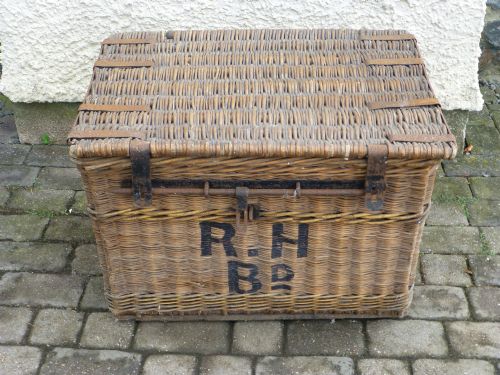
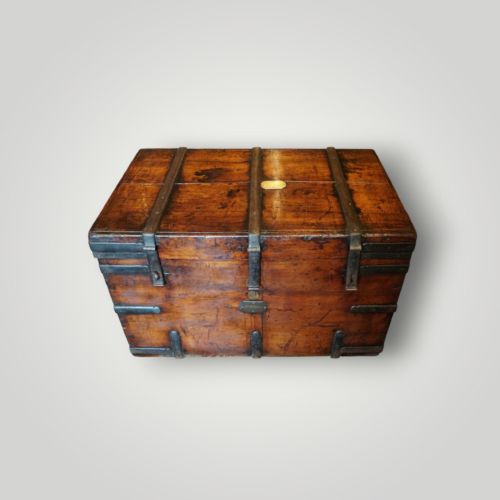
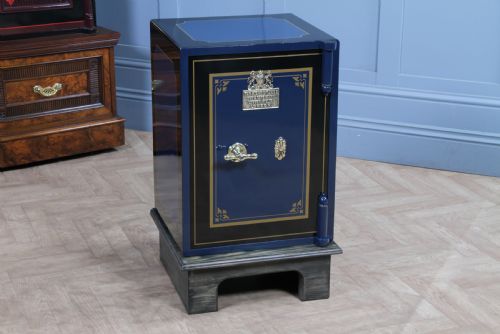
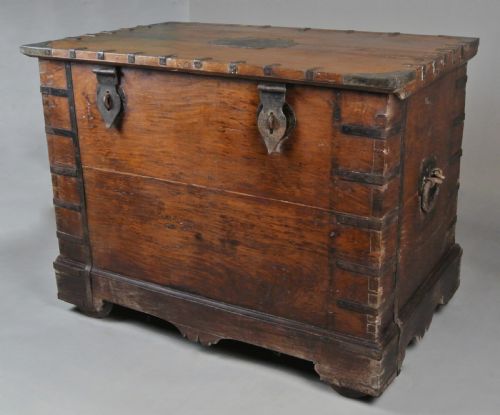
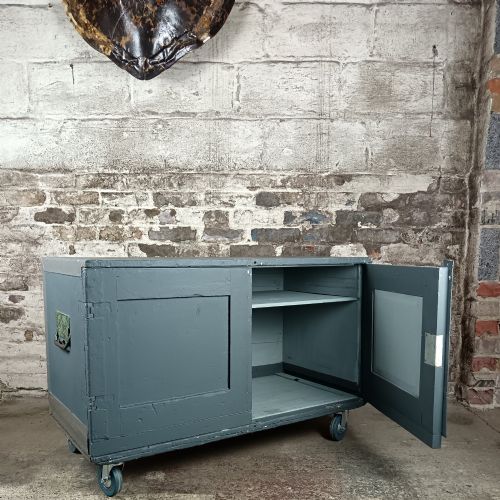
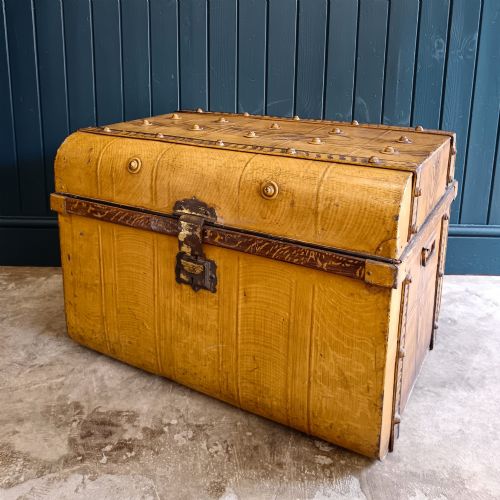
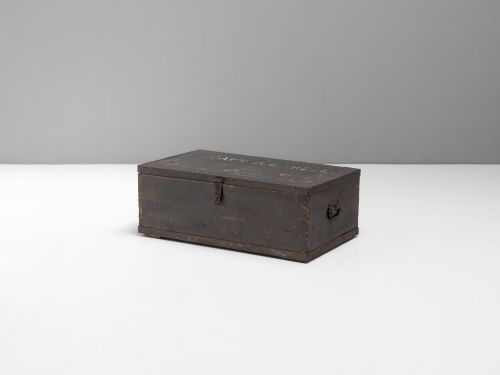
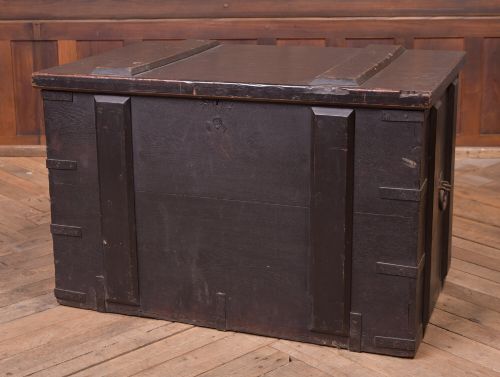
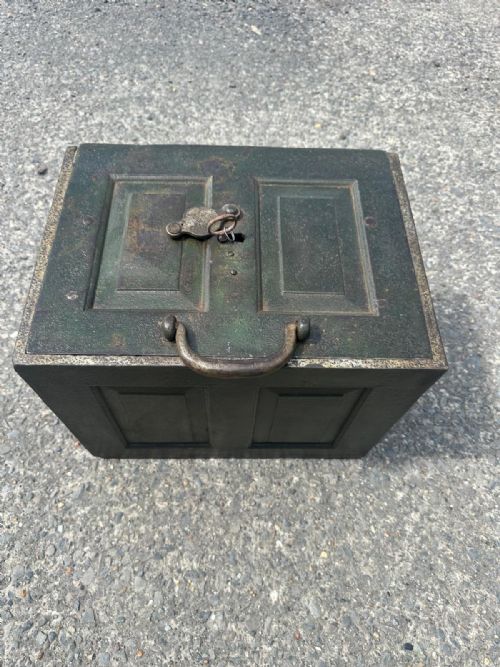
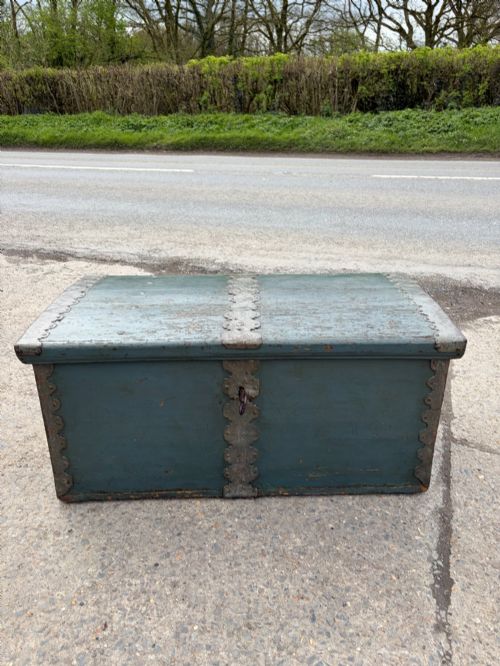
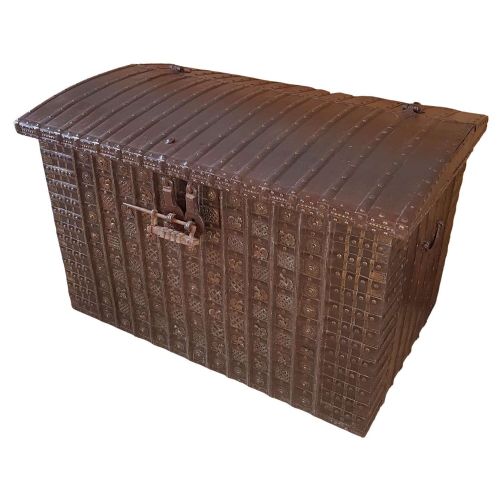
A 19th century iron chest encompasses robust storage containers ranging from domestic painted pine strongboxes and oak silver chests to monumental Anglo-Indian teak dowry trunks reinforced with metal straps. Buyers encounter numerous Scandinavian folk art marriage chests alongside British military campaign trunks and heavy Victorian safes.
The domestic versions often double as decorative coffee tables or blanket boxes in modern interiors. Meanwhile, larger industrial log bins and campaign cases serve functional storage roles while retaining their original patinated hardware and locks.
How manufacturers constructed them
Carpenters and blacksmiths joined primary timbers like pine, oak, teak, and elm using dovetailed or nailed joints, subsequently securing the structures with heavy iron bands, corner plates, and strap work. Many surfaces received protective coats of paint or faux-wood finishes while retaining functional brass or cast iron locks.
Makers integrated forged drop handles and substantial hinges to withstand heavy transit loads during international travel or military campaigns. Specialised interior compartments and robust mechanisms provided necessary security for valuable silver, documents, and currency.
Materials span wrought iron, brass, pine, oak, teak, and elm alongside painted and faux-wood finishes.
What separates examples
The integrity of the original hardware, hinges, and functioning locks heavily influences the standing of an individual piece. Retaining original paint surfaces or untouched patinated timber finishes elevates an item above those with later restorations or stripped surfaces.
Substantial proportions, such as monumental teak or oak construction combined with intricate iron strapping or maker attribution, distinguish exceptional archival examples from standard utility boxes.
TANNS DEFIANCE LONDON·Milners of Liverpool·Elkington
The 19th Century Iron Chest Glossary
- Strongbox
- A secure metal or metal-reinforced wooden box designed for safeguarding currency, plate, and important documents. These pieces frequently feature complex internal locking mechanisms and heavy exterior iron bands.
- Dowry chest
- A traditional receptacle created to hold household linens, garments, and gifts accumulated for a wedding. These items often display regional painted decoration or elaborate metal strap work.
- Silver chest
- A specialised storage container lined to protect domestic table silver and plate from tarnish and damage. They are commonly constructed from dense hardwoods like oak or teak and fitted with robust iron carrying handles.
- Campaign chest
- Portable furniture utilised by military officers on active service during overseas deployments. They prioritize functional modularity and rugged metal hardware for frequent transport.
- Coffer
- A traditional heavy storage chest featuring a hinged lid, often constructed with a domed top. Historic examples frequently incorporate structural iron bracing to secure the wooden body.
19th Century Iron Chest: Frequently Asked Questions
What were iron chests used for?
These robust receptacles safely transported and stored valuable belongings, important documents, family silver, and currency during domestic storage or long-distance travel. Military officers and colonial administrators utilised them for campaign supplies.
In domestic settings, families stored heirloom linens, garments, and dowry items within them to protect against pests and moisture.
How do I style a chest at home?
Large painted or iron-banded trunks function well as coffee tables in living spaces, providing both surface area and concealed storage for blankets and books. Smaller strongboxes sit effectively on side tables or desks as decorative focal points.
The patinated timber and industrial iron hardware complement rustic, traditional, and contemporary interior schemes alike.
How do I identify the wood types?
Examine the grain patterns and weight of the exposed timber sections where paint or hardware allows visibility. Common domestic British and Scandinavian pieces typically utilise pine or oak, whilst colonial or Anglo-Indian trunks frequently feature dense teak or exotic hardwoods.
Teak exhibits a darker, oily grain suited to tropical climates, whereas native European pine and oak display distinct growth rings and lighter natural tones.
Are original locks and keys common?
Surviving mechanisms vary widely, with many period chests retaining their original cast iron locks, brackets, and occasionally working keys. Some pieces show evidence of lock replacement or adaptation over centuries of active use.
Working mechanisms and original keys add historical interest for collectors valuing untouched integrity.