



19th Century Irish Furniture
These 19th century irish furniture pieces combine native timbers with distinct regional cabinet-making traditions, offering buyers robust construction alongside refined decorative character.

19th Century Irish Furniture
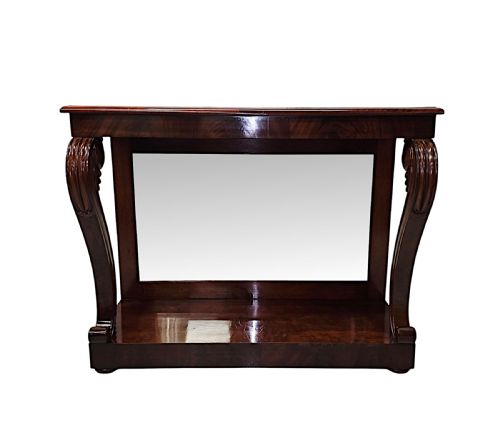
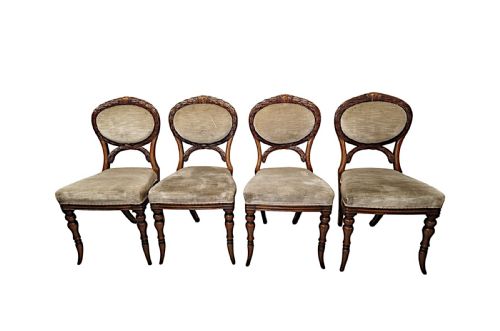
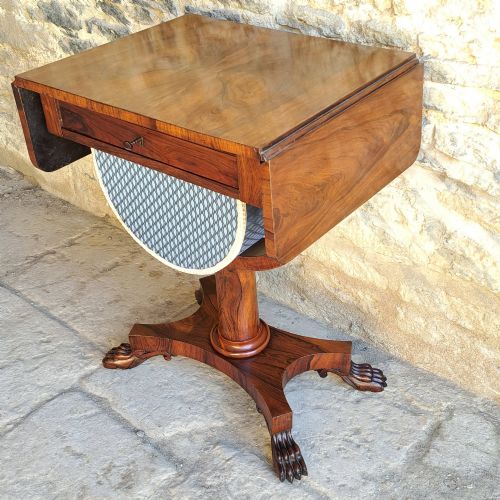
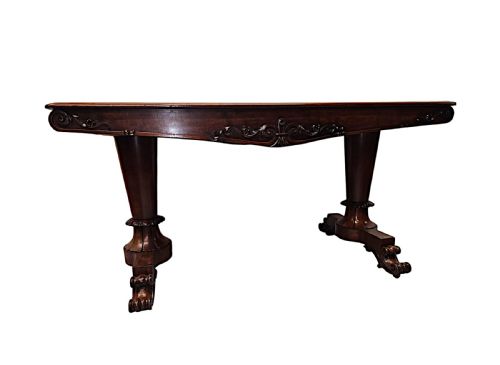
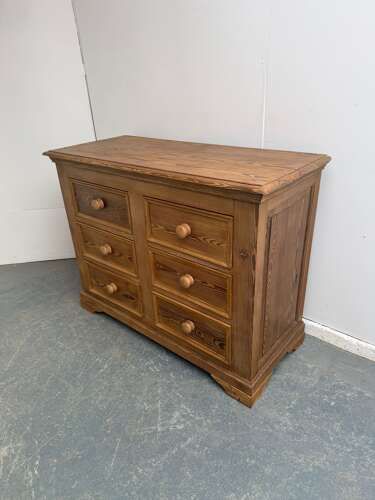
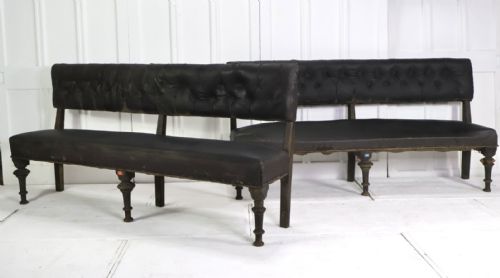
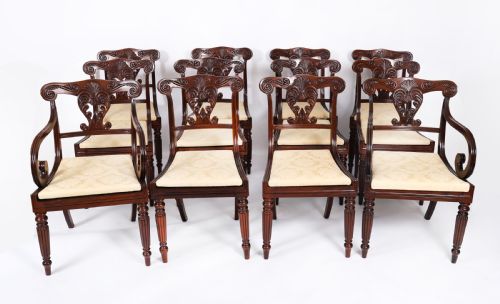
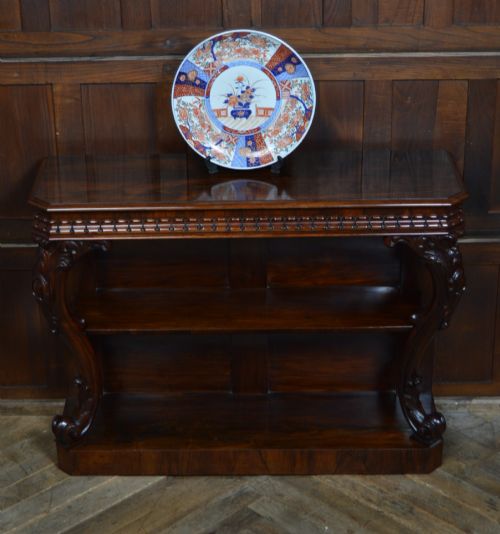
19th century irish furniture encompasses a broad spectrum of domestic and formal pieces, ranging from country house side tables and library desks to provincial pine cupboards and vernacular seating. Buyers searching this phrase encounter dining chairs, console tables, serving tables, bookcases, and centre tables produced during the Georgian, Regency, William IV, and Victorian periods.
The selections span high-style urban cabinet work from Dublin workshops alongside robust country pieces made from local woods. Surviving examples demonstrate how regional makers adapted prevailing British design trends, such as Regency and Rococo Revival, utilising indigenous materials and characteristic proportions.
Materials and Technique
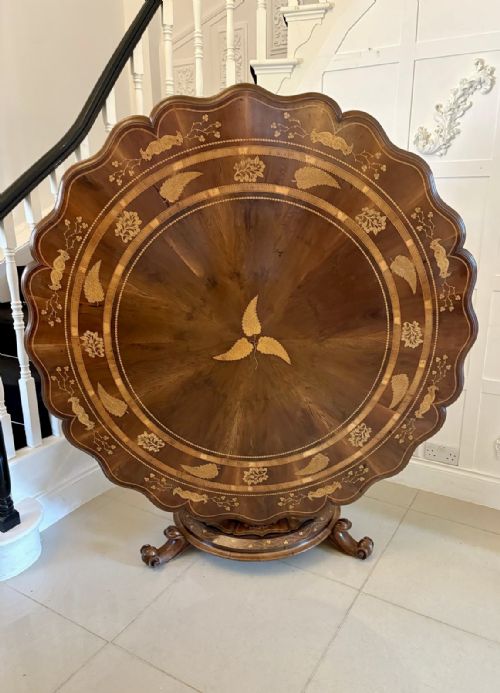
Makers utilised native and imported timbers, pairing dense hardwoods like mahogany, rosewood, walnut, and oak with regional softwoods such as pine and ash. Finer pieces incorporate decorative veneers, burr elm, and intricate Killarney marquetry inlay using yew wood, whilst vernacular seating often employs plaited straw for súgán seats.
Listings feature items spanning the 18th century through to the late 19th century, incorporating mahogany, glass, brass, and pine.
Judging Quality
Quality rests upon the selection of timber grain, the crispness of carved details, and the integrity of original construction. Pieces featuring documented workshop signatures or labels display superior execution in joinery and proportion compared to unsigned provincial alternatives.
The preservation of original surfaces, such as waxed patinas and authentic hardware, distinguishes well-maintained examples from those subject to later alterations or heavy restoration.
Gillingtons of Dublin·Williams and Gibton·Robert Strahan·Egan Workshop·Butlers of Dublin
The 19th Century Irish Furniture Glossary
- Súgán
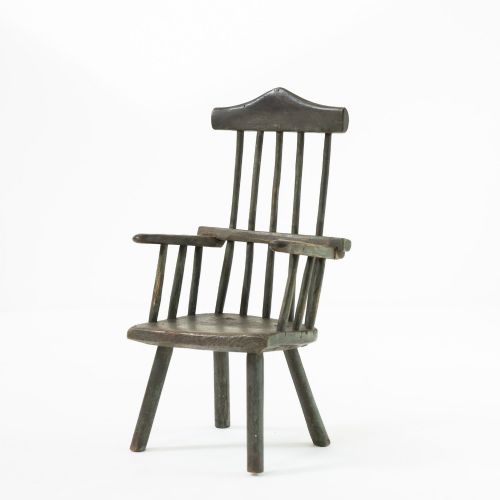
- A traditional type of seating constructed with a plaited straw or hay cord base. These rush-seated chairs represent vernacular Irish craftsmanship.
- Cellarette
- A lockable container used for storing wine bottles near the dining table. Often fashioned in a sarcophagus shape with carved paw feet.
- Marquetry
- Decorative veneer work forming pictorial patterns using various coloured woods. Killarney examples frequently incorporate native yew timber.
- Turn Over Table
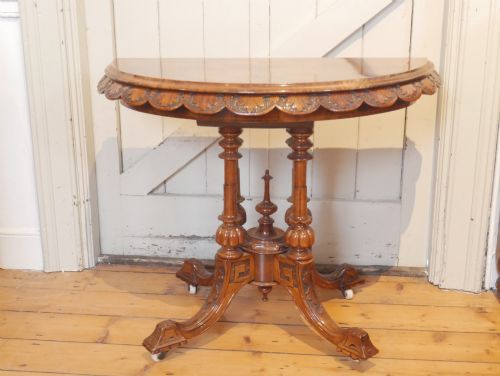
- A multifunctional table featuring a hinged top that rotates and unfolds to form a larger surface for games or dining.
- Press Cupboard
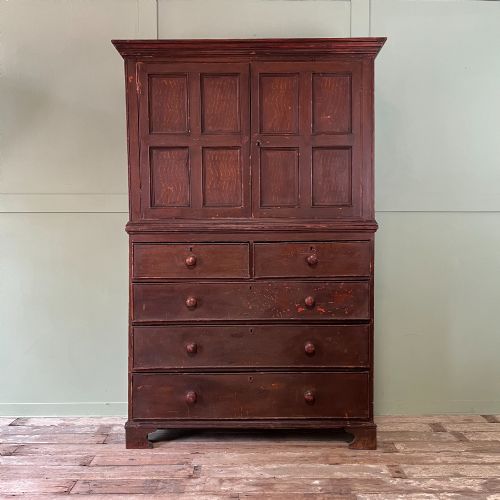
- A large enclosed piece of furniture designed for storing linens or clothing, often constructed from painted or solid pine.
19th Century Irish Furniture: Frequently Asked Questions
How do I identify Irish furniture?
Look for specific regional construction methods, native timber usage, and maker stamps or labels from Dublin cabinet makers.
Comparison with documented workshop styles helps confirm attribution to Irish makers.
What is a tea poy?
A tea poy is a small decorative container on a pedestal base used for storing loose tea leaves.
Originating in the 19th century, these pieces often feature internal compartments and lockable lids.
How should I care for rosewood?
Keep rosewood pieces away from direct sunlight and extreme temperature fluctuations to prevent timber splitting.
Regular dusting with a dry cloth maintains the polished surface without damaging the grain.
What are vernacular pieces?
Vernacular furniture comprises functional domestic items made by local rural craftsmen using accessible native woods.
Examples include stick back armchairs and pine cupboards built for everyday farmhouse use.