

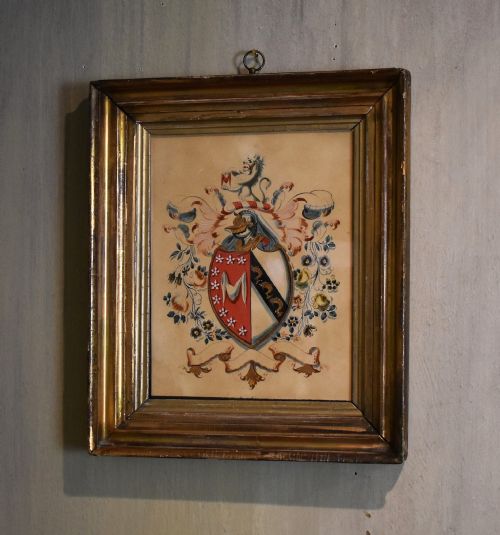


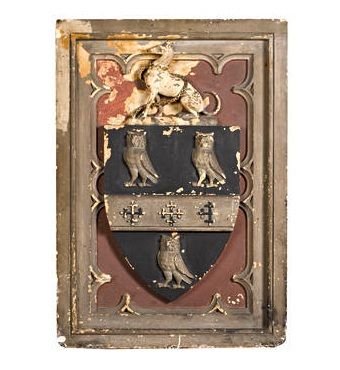


19th Century Heraldic Crest
A 19th century heraldic crest brings centuries of lineage and lineage display into a room through carved wood, painted panels, and crested seating.
19th Century Heraldic Crest
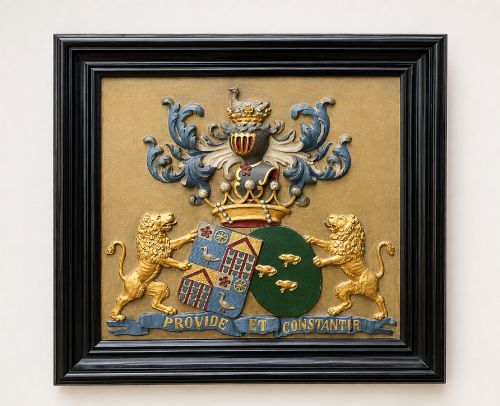
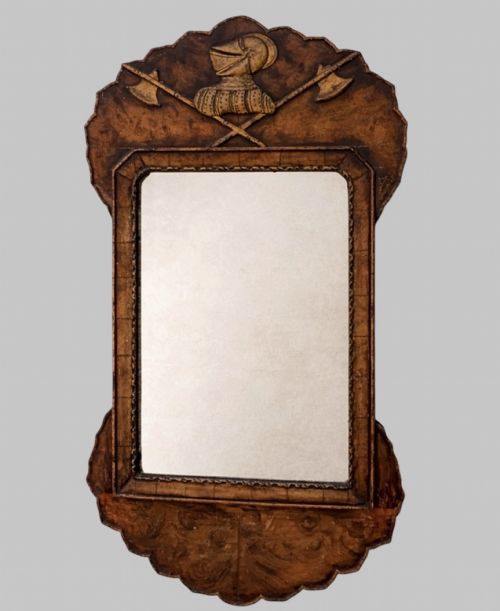
A 19th century heraldic crest captures aristocratic identity through carved wooden panels, painted wall art, and armorial hall chairs bearing family coats of arms. These pieces range from large carved oak panels and painted marriage plaques to library chairs and firescreens stamped with specific lineage.
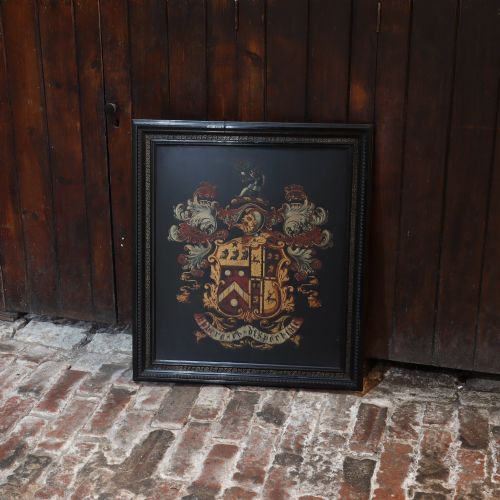
Buyers meet carved wooden shields, brass-framed insets, and oil-on-glass paintings most frequently on this page. Many items originate from British country houses, with specific examples tracing back to notable families and clans.
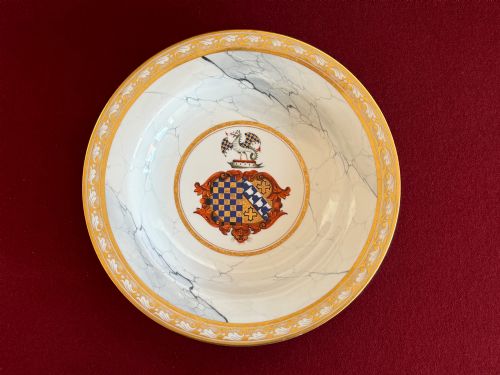
The category extends beyond flat wall art to functional furnishings like mahogany hall chairs, umbrella stands, and porcelain bowls carrying hand-painted heraldic devices. Each object serves as a tangible record of historical identity and estate provenance.
How they were made
Maker's hands shaped these pieces using traditional timber framing and cabinetmaking methods, selecting dense woods like oak, mahogany, walnut, and rosewood for structural durability. Carvers rendered lions, shields, and familial mottos in high relief, utilising tiger oak and fruitwoods to achieve sharp botanical and figurative detail.
Surface decoration combined oil paint, watercolour, and gold leaf applied directly to wood, glass, porcelain, or plaster panels. Metals such as brass and bronze provided structural mounts, frames, and cast hardware to support heavier timber crests and armorial panels.
19th Century Heraldic Crest Retail Price Guide 2026
Typical asking prices for 19th century heraldic crest among the pieces listed under this phrase on Sellingantiques today, from the lower quarter to the upper quarter. They describe what is for sale here now, not the wider market.
What varies in quality
Depth of carving and sharpness of detail separate the finest armorial panels from standard decorative work. Master carvers rendered heraldic beasts and mantling with anatomical precision and clean undercut edges, whereas lesser pieces rely on shallow relief and soft moulding.
Material selection and provenance integrity dictate the upper tier of the market. Pieces retaining documented family lineage or executed in superior hardwoods with original hand-painted polychromy command greater regard than anonymous factory reproductions.
Samson Of Paris·Chamberlain Worcester
The 19th Century Heraldic Crest Glossary
- Armorial
- Relating to heraldry or coat armour. This term describes items decorated with verified family crests or coats of arms.
- Hall Chair
- A wooden seat intended for an entrance hall or corridor. These chairs frequently feature painted or carved crests on the backrest.
- Faience
- Tin-glazed earthenware produced in Europe. This ceramic technique supports colourful painted heraldic designs on jugs and tankards.
- Gilt
- Covered thinly with gold leaf or gold paint. This technique highlights carved wooden elements and porcelain crest borders.
- Provenance
- The chronological ownership history of an object. Documented origins link specific panels and chairs to historic estates and titled families.
19th Century Heraldic Crest: Frequently Asked Questions
What is a heraldic crest?
A heraldic crest is the specific visual symbol of a family coat of arms, traditionally displayed on helmets or shields. In 19th-century antiques, these devices appear carved into wood or painted on panels to mark lineage.
Such symbols represent historical families and estates, serving as both personal identification and decorative art within country houses.
How were armorial chairs used?
Armorial hall chairs stood in the entrance halls of grand houses to impress visitors with the family's status and lineage. Guests and staff utilised them while waiting in corridors or entryways.
Their sturdy mahogany or oak construction supported daily use while displaying the household's painted or carved crest prominently on the backrest.
Are painted panels genuine?
Nineteenth-century painted panels include oil on glass, watercolour on paper, and polychrome pigments on wood or plaster. Artists rendered these armorials by hand to record marriages, alliances, or estate inventories.
Close inspection of the pigment layers and material ageing helps distinguish these period works from later reproductions.
How do I identify periods?
Period identification relies on matching the wood choice, carving style, and secondary materials to known 19th-century movements such as Regency, Gothic Revival, or Victorian design. Maker marks and family provenances further anchor the date of creation.
Cabinetmaking techniques, such as hand-cut joinery and period brass mounts, provide reliable clues to the exact decade of manufacture.