







19th Century Hand Coloured Print
When you search for a 19th century hand coloured print, you seek works on paper brought to life with deliberate pigment.
19th Century Hand Coloured Print
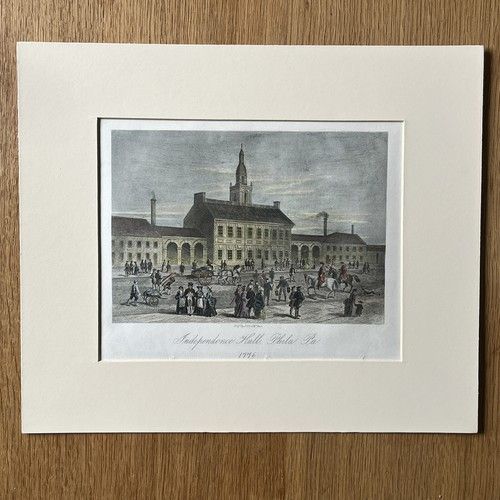
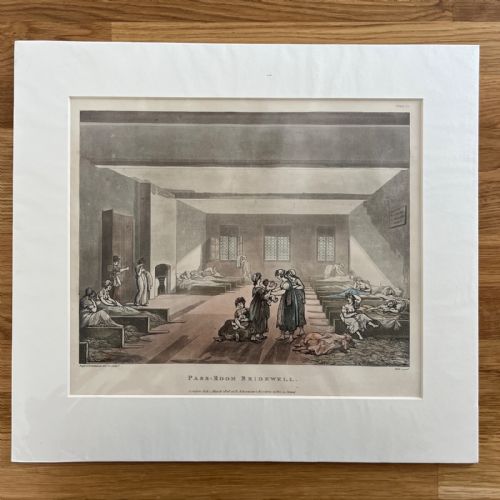
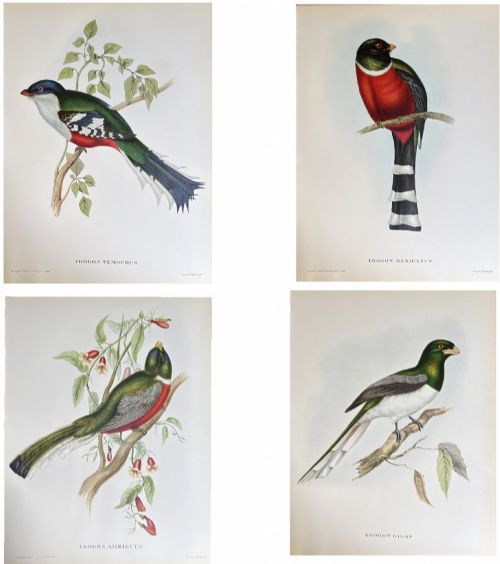
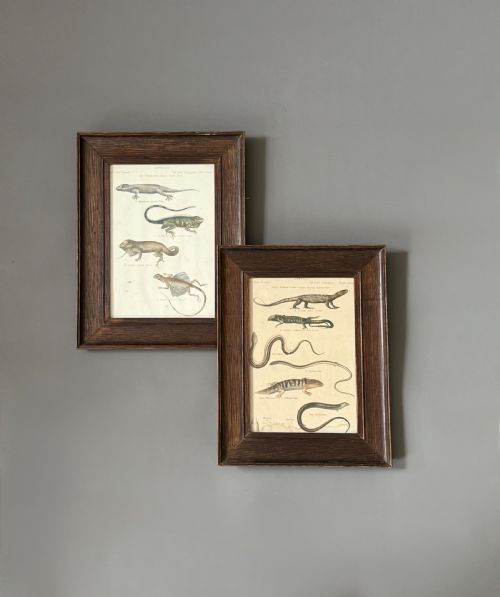
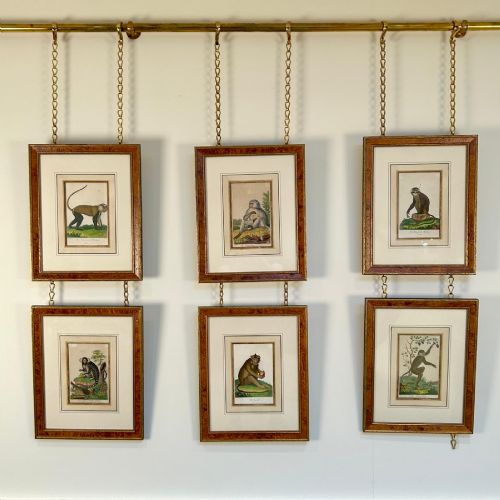
A 19th century hand coloured print encompasses framed works on paper, maps, and illustrations produced across the Georgian, Regency, and Victorian periods. The selection here leans heavily towards natural history subjects, including birds, reptiles, and botanical studies alongside topographical maps.
Buyers encounter individual sheets and matched sets housed in frames of wood, giltwood, or glass. Forms range from framed wall art and book plates to decorative items such as trinket boxes utilising printed paper elements.
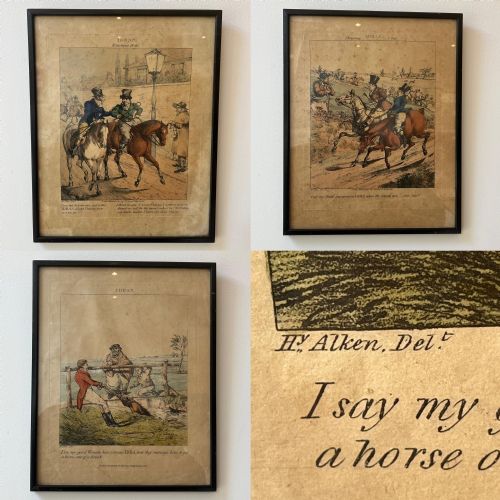
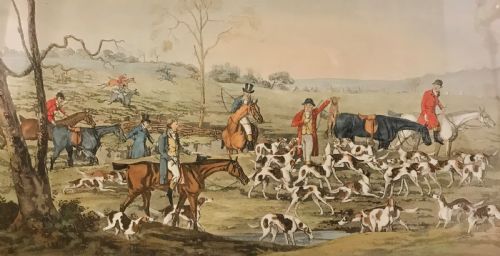
Origins span British, French, and American publishers, capturing everything from scientific taxonomy to sporting scenes and political commentary. The variety reflects the diverse output of nineteenth-century printing workshops and publishing houses.
How they were made
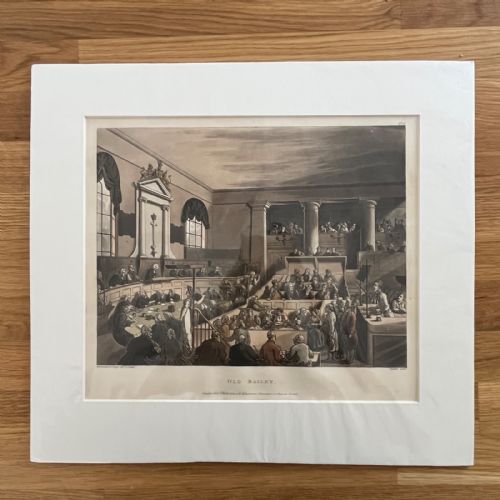
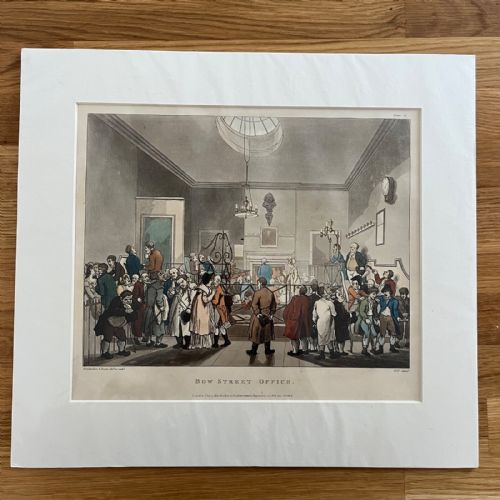
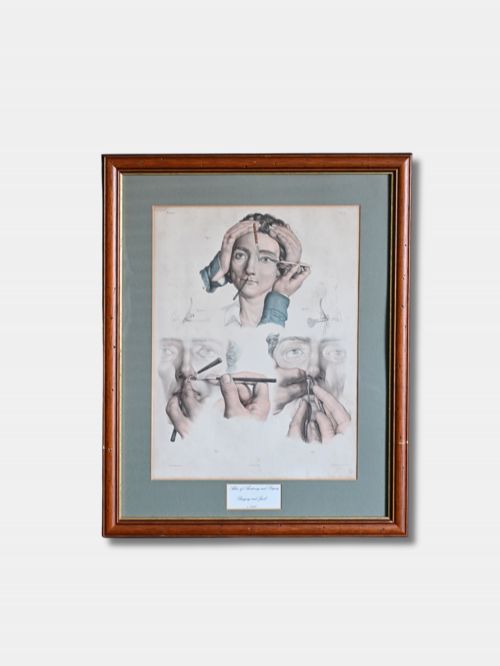
The foundation rests on printed techniques such as engraving, lithography, etching, and mezzotint executed upon paper or cardboard. Printers transferred lines and compositions using metal plates or stone matrices before colourists applied watercolour or ink by hand.
Pigments were washed delicately over the printed monochrome lines to highlight anatomical details in natural history plates or costume in theatrical scenes. Framing materials typically involve wood and gilt wood paired with protective glass.
19th Century Hand Coloured Print Retail Price Guide 2026
Typical asking prices for 19th century hand coloured print among the pieces listed under this phrase on Sellingantiques today, from the lower quarter to the upper quarter. They describe what is for sale here now, not the wider market.
What varies in quality
Quality rests upon the precision of the initial engraving or lithographic strike and the skill applied during the subsequent hand colouring. Master printers and accomplished colourists achieved depth and nuance that elevate certain plates far above standard commercial output.
The integrity of the paper support and the vibrancy of the remaining pigment determine the visual impact of each piece. Complete sets from recognised natural history publications command greater interest than isolated or trimmed examples.
John Curtis·William Swainson·John Cary·Thomas Worth
The 19th Century Hand Coloured Print Glossary
- Engraving
- A printmaking method where an artist cuts lines directly into a metal plate with a sharp tool. The resulting inked recesses transfer fine, crisp details to paper under pressure.
- Lithography
- A planographic printing process based on the mutual repulsion of oil and water upon a limestone block or metal plate. This technique allowed publishers to reproduce tonal gradations and painterly washes efficiently.
- Mezzotint
- A tonal printmaking process where the copper plate is roughened uniformly to produce dark areas, then scraped and burnished to create highlights. It yields soft, velvety shadows well suited to portraiture and moody scenes.
- Etching
- A technique where acid bites lines into a metal plate protected by an acid-resistant ground. Artists draw freely through the coating, producing fluid, expressive lines upon the printed sheet.
- Crystoleum
- A Victorian method of applying a transparent print to the inside of a convex piece of glass, hand colouring it, and backing it with paint. This process creates a luminous, three-dimensional painted effect.
19th Century Hand Coloured Print: Frequently Asked Questions
How do I care for these prints?
Keep works on paper away from direct sunlight to prevent the hand-applied watercolours from fading over time.
Ensure framing is secure and environment humidity remains stable to protect the paper and card mounts from moisture damage.
Are these prints original to the nineteenth century?
The listings comprise authentic nineteenth-century productions pulled from period publications, maps, and independent print series.
Checking the paper characteristics, printing method, and publisher details helps confirm the period origin of each item.
How were these prints used originally?
Many plates originated as illustrations bound within scientific folios, natural history volumes, and atlases before later being separated for framing.
Others served as wall decoration in homes, educational aids, or visual records of sporting events and theatrical performances.
Can I find complete sets?
Surviving sets of prints, such as botanical series or bird plates by the same publisher, appear periodically within the available selection.
Matched groupings often share uniform dimensions and matching paper stocks from their original publication source.