

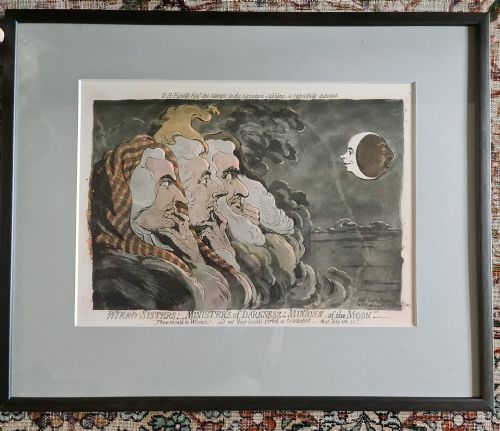
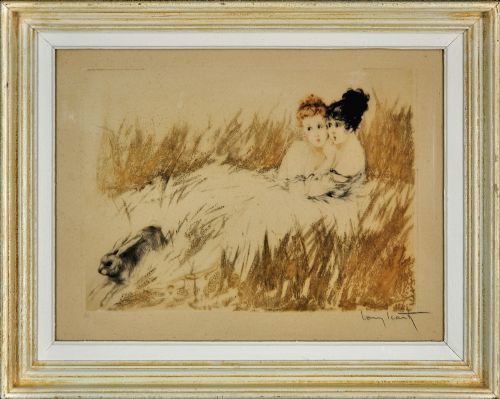


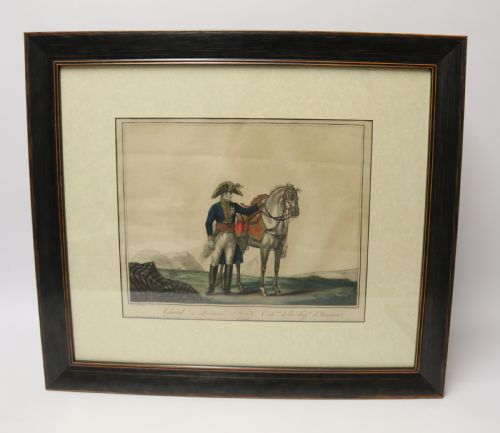


Hand Coloured Paper Etching
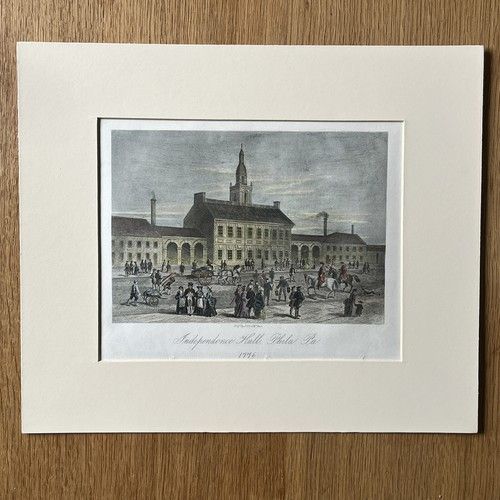
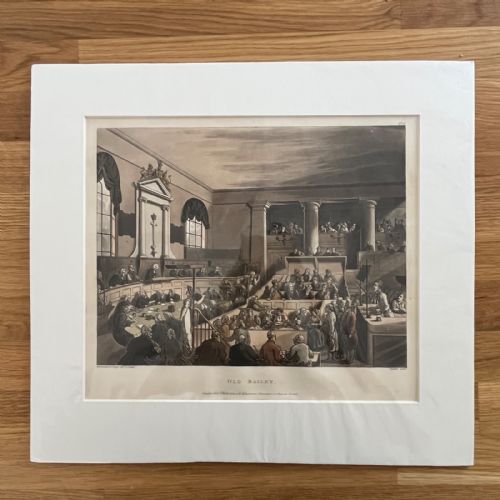
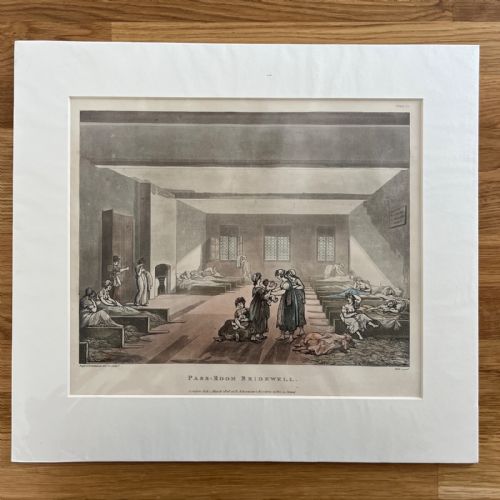
These hand coloured paper etching works combine printed line with applied pigment, offering collectors a delicate glimpse into centuries past.
Hand Coloured Paper Etching
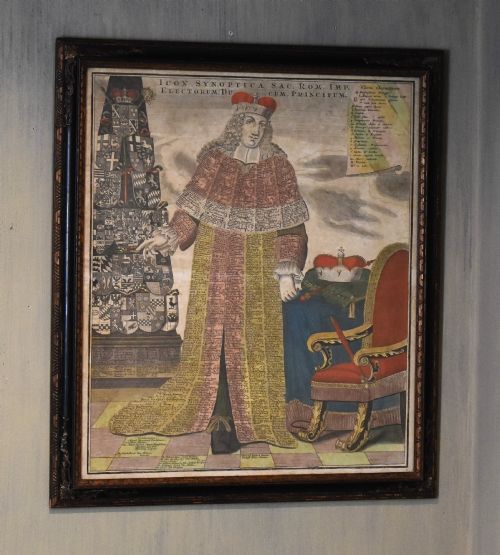
When you search for hand coloured paper etching, you examine works on paper that span the eighteenth century, the Regency era, and the nineteenth century. These items appear primarily as framed prints, wall art, and antique prints housed behind glass in wood or gilt wood frames.
The selection encompasses diverse subjects ranging from ornithological engravings of birds and sporting art to architectural studies after Raphael and Napoleonic military scenes. Collectors encounter both single sheets and grouped sets originating from British and European workshops.
How they were made
Maker workshops utilised traditional printing techniques such as etching, engraving, and aquatint on quality paper supports. Artisans then applied watercolour, ink, and hand-coloured ink washes directly onto the printed surface by hand.
Framing often involved wood and gilt wood surrounds fitted with protective glass to preserve the delicate paper and watercolours from atmospheric damage.
Hand Coloured Paper Etching Retail Price Guide 2026
Typical asking prices for hand coloured paper etching among the pieces listed under this phrase on Sellingantiques today, from the lower quarter to the upper quarter. They describe what is for sale here now, not the wider market.
Current listings feature materials including paper, wood, glass, watercolour, ink, and gilt wood across the eighteenth and nineteenth centuries.
What varies in quality
The finesse of the initial engraved or etched line work establishes the foundational quality of the piece, separating accomplished printmakers from routine producers. Crisp detail in architectural elements, plumage, or facial expressions indicates superior execution.
The skill and subtlety of the applied watercolour washes further define the standard of the piece. Controlled, vibrant pigment application enhances the composition, whereas heavy or muddy hand colouring diminishes the visual clarity.
Louis Icart·Gilray·Henry William Banbury·T.A Prior·Joseph Farrington RA·Joseph Constantime Stadler·Thomas Rowlandson·George Edwards
The Hand Coloured Paper Etching Glossary
- Etching
- A intaglio printmaking process where acid bites lines into a metal plate. The resulting grooves hold ink for transfer to paper.
- Aquatint
- A variant of etching that produces tonal areas rather than lines. It uses powdered resin on the metal plate to create gradients resembling watercolour washes.
- Engraving
- A technique where an artisan cuts lines directly into a hard plate using a burin tool. This produces sharp, clean lines on the printed sheet.
- Hand-tinted
- A descriptor for monochrome prints enhanced with applied watercolour or ink by hand. This process adds colour to specific areas of the design.
Hand Coloured Paper Etching: Frequently Asked Questions
How do I care for framed prints?
Keep works on paper away from direct sunlight to prevent the watercolour pigments from fading over time. Maintain stable indoor humidity levels to protect the paper and the wooden frames.
Ensure the glass remains intact and avoid hanging pieces in damp environments like kitchens or unheated rooms.
Are these works original antique prints?
The listings comprise authentic period pieces dating from the eighteenth century through the nineteenth century. Each item reflects the printing and colouring methods of its specific era.
Examine the paper texture, plate marks, and framing materials to understand the age and origin of an individual piece.
Can I display these in bright rooms?
Direct sunlight damages historical paper and watercolour pigments quite quickly. Position your framed art on interior walls away from windows.
Using museum-grade UV-filtering glass provides an extra layer of protection if ambient light in the room is strong.
How are sets usually displayed?
Sets of ornithological engravings or architectural plates often look best hung together in a symmetrical grid. Matching frames unify disparate subjects into a cohesive wall display.
Ensure adequate spacing between frames to let each individual sheet breathe visually.