

19th Century Hall Seating
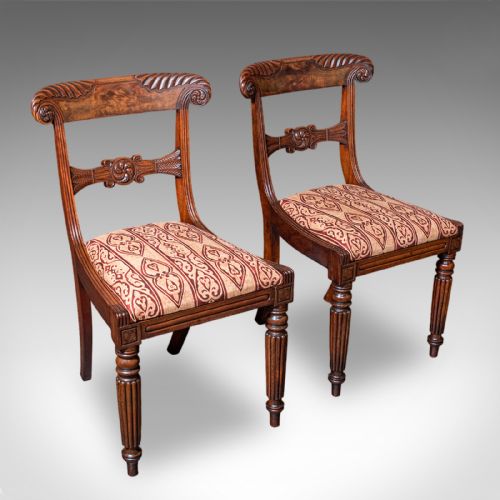
These pieces of 19th century hall seating offer architectural presence and practical entrance utility, bringing solid timber craftsmanship directly into the modern hallway.
19th Century Hall Seating
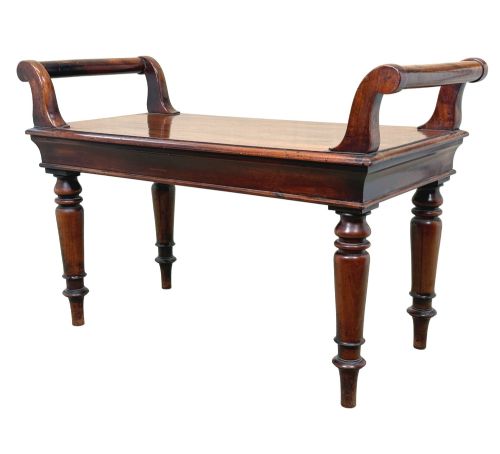
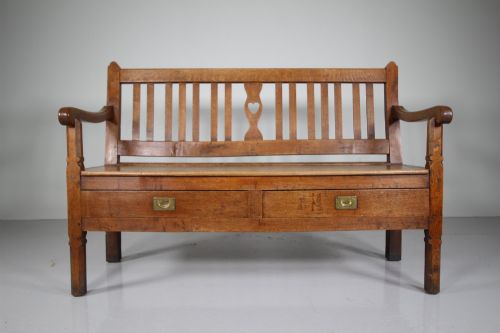
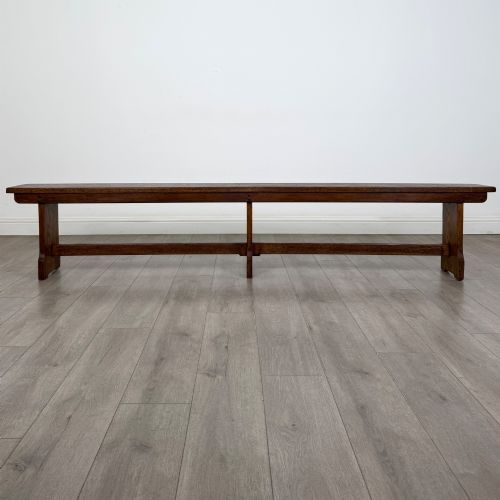
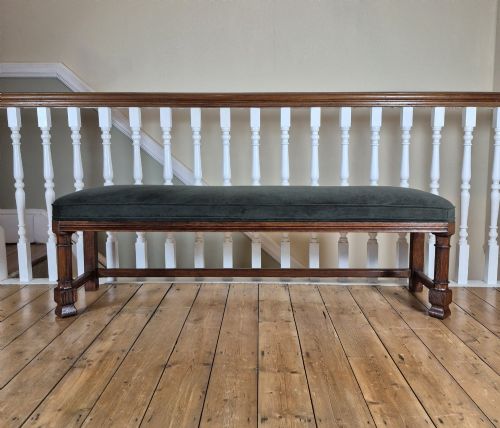
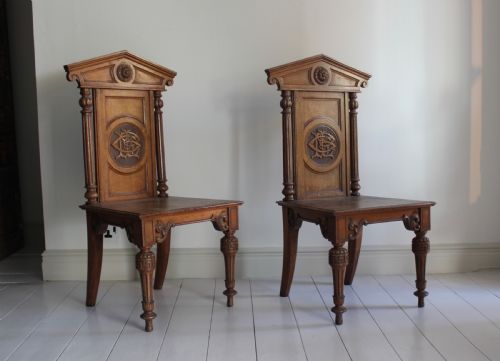
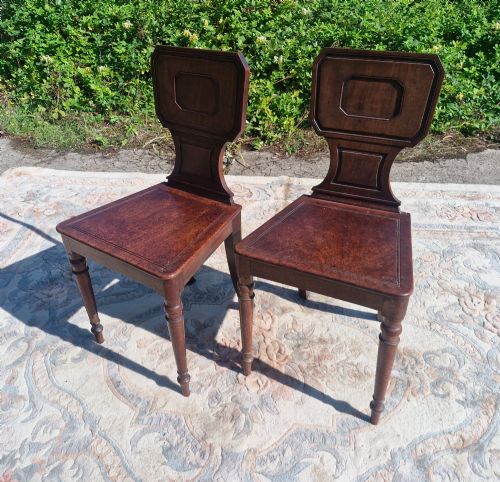
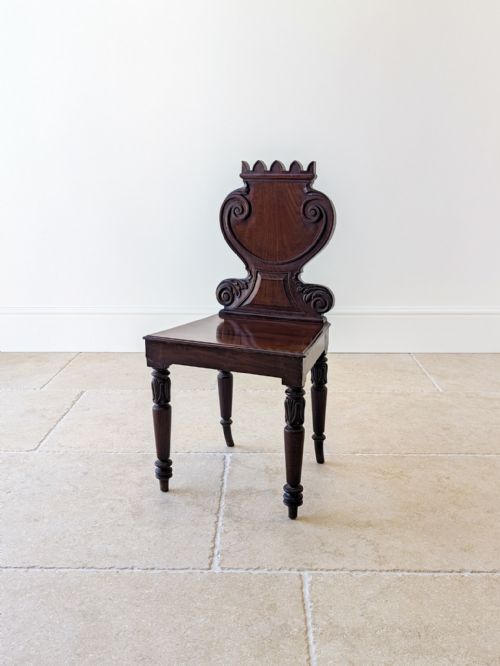
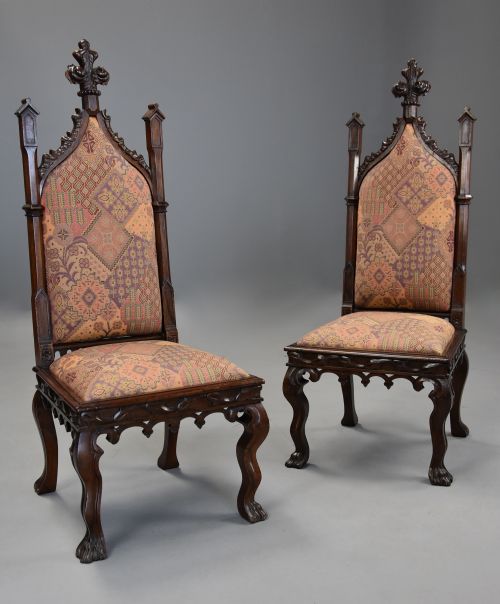
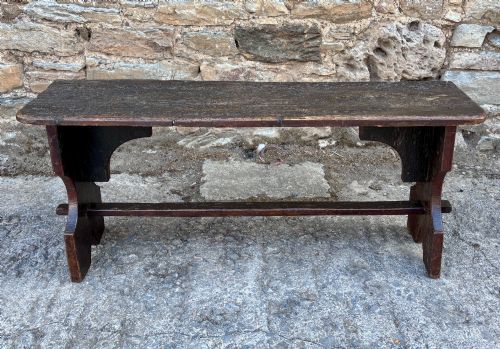
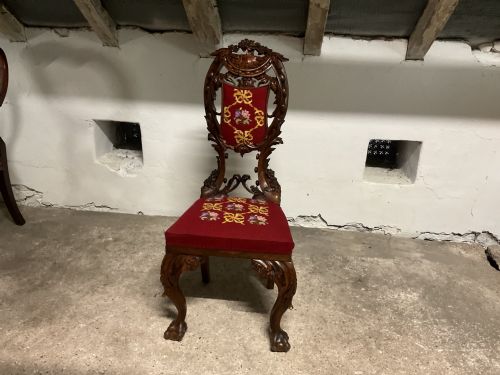
When searching for 19th century hall seating, buyers encounter substantial wooden benches, settles, and matching pairs of reception chairs designed for entranceways and corridors. The form ranges from long oak tavern benches and box settles to carved mahogany window seats and Gothic revival armchairs.
The material palette centres heavily on solid oak and mahogany, often shaped during the Victorian and Regency periods. Pieces span simple country house benches to elaborate architectural seats featuring turned legs and carved backs.
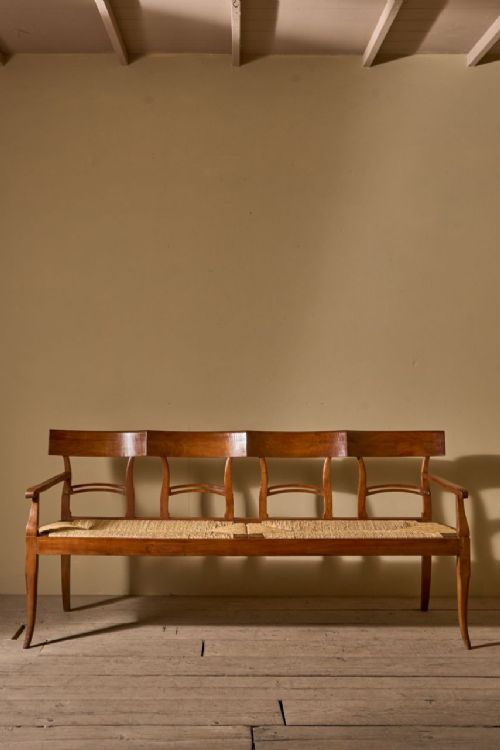
The selection frequently includes French and Spanish variants alongside English designs, incorporating rush seats, cane panels, or upholstered textiles. These items served both utilitarian and formal reception purposes in period homes.
How they were made
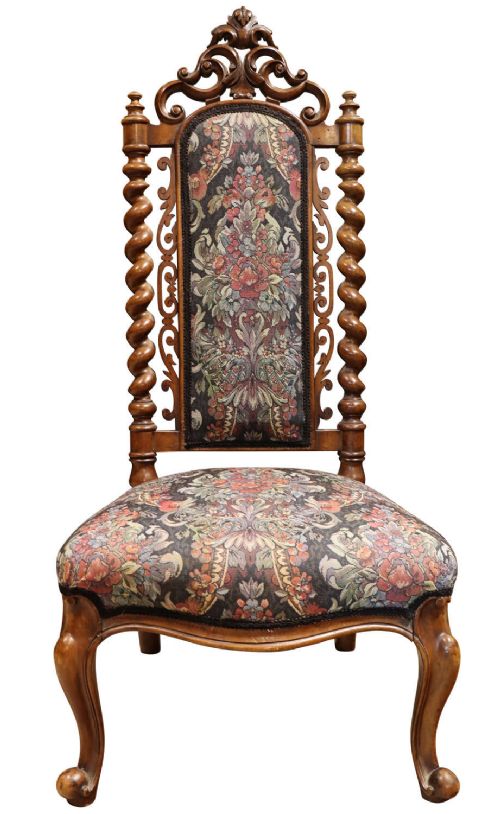
Joiners and cabinet makers constructed these seats using dense hardwoods such as oak, mahogany, walnut, and rosewood, frequently incorporating pegged joints and solid timber panels. Turnery techniques produced barley twist supports and saber legs, whilst hand-carving defined the Gothic and Jacobean revival styles.
Surface treatments included clear polishing to highlight wood grain, ebonising, and painted finishes on pine or hardwood. Upholstered elements utilised traditional textiles, tapestries, and fabrics fixed over webbing and stuffing.
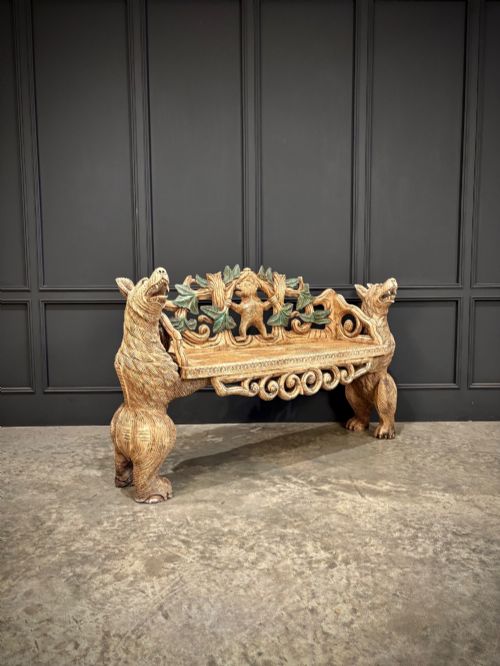
One extraordinary bench arrives complete with carved Black Forest bears, proving that Victorian hallways took their wildlife very seriously indeed.
What varies in quality
The distinction between ordinary and superior pieces rests on the weight of the timber and the depth of the carving. Heavier, thicker planks in oak benches and crisp, well-defined relief work on chair backs indicate superior workshop standards.
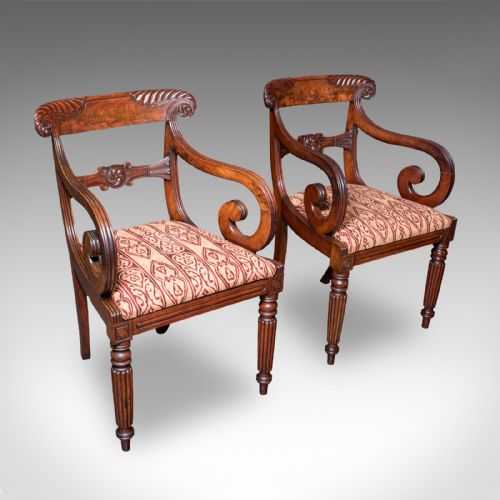
Integrity of construction defines the upper tier, where original joinery remains tight without excessive modern intervention. Matched pairs and complete sets command greater regard than single mismatched items due to their scarcity.
Gillows
The 19th Century Hall Seating Glossary
- Settle
- A wooden bench with a high back, solid arms, and often a storage box beneath the seat. This form provided draught protection in traditional hallways.
- Window seat
- A low bench designed to fit within a window recess, typically featuring upholstered seating or scrolled ends. These often match the surrounding room decor.
- Gothic Revival
- A design style inspired by medieval architecture, characterised by pointed arches, trefoils, and heavy carved woodwork. It dominated mid-Victorian interior fittings.
- Trafalgar chair
- A Regency dining or reception chair featuring saber legs and a curved top rail, associated with early nineteenth-century naval victories. They frequently served as hall or side seating.
- Box settle
- A heavy wooden bench integrating a lidded chest into the base for storage. The compartment held boots, blankets, or household items.
19th Century Hall Seating: Frequently Asked Questions
What is 19th century hall seating?
It encompasses wooden benches, settles, and matching reception chairs produced during the eighteen hundreds. These items furnished entrance halls, corridors, and reception rooms.
They combine robust construction with decorative carving, reflecting periods from Regency elegance to Victorian Gothic revival.
How were hall benches used historically?
Households utilised these sturdy seats in entranceways for putting on or removing outdoor footwear. They also provided waiting space for visitors before entering main rooms.
Some variants with box bases doubled as storage for cloaks and boots.
How do I identify a Regency hall chair?
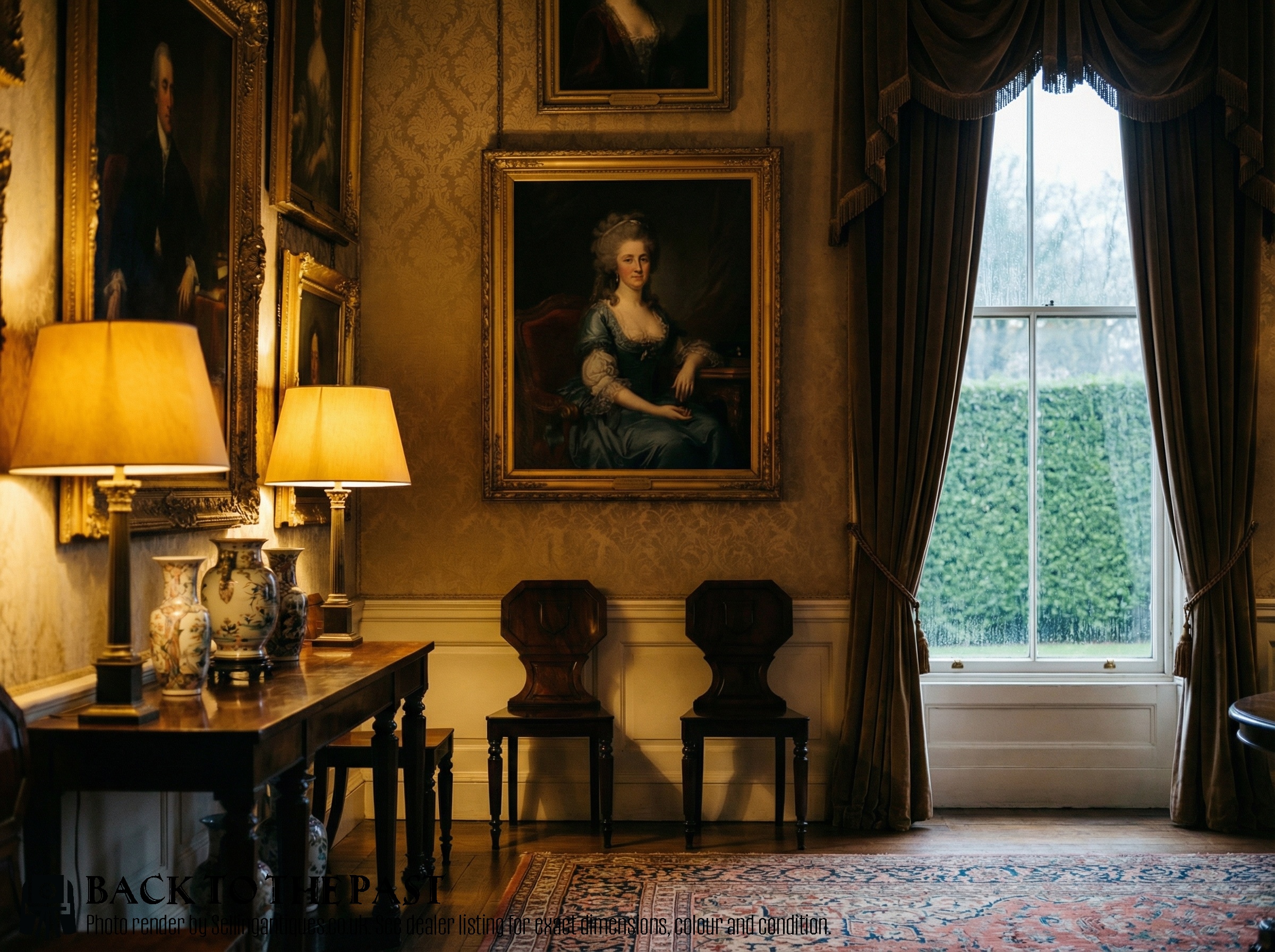
Regency chairs typically feature neoclassical influences, including saber legs, reeded details, and classical motifs. Mahogany was the primary timber utilised during this period.
They often appear as matched pairs intended for formal reception spaces.
Where should I place a wooden settle?
A wooden settle suits large hallways, boot rooms, or dining spaces where its high back creates a visual partition. Placing it against a solid wall highlights its architectural silhouette.
Adding a simple cushion provides comfort whilst preserving the historic timber surface.