



19th Century Grand Tour Bust
A 19th century grand tour bust brings the weight of classical antiquity and European travel history directly onto a mantelpiece.
19th Century Grand Tour Bust
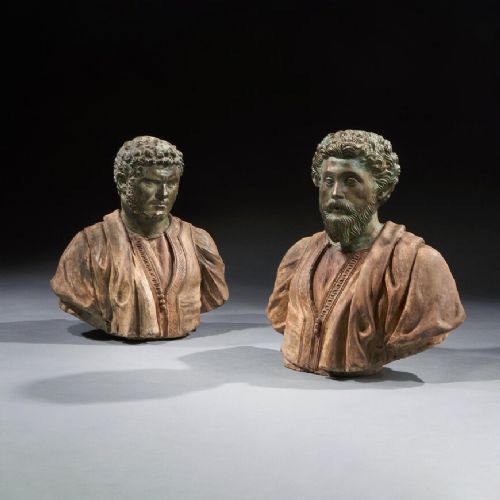
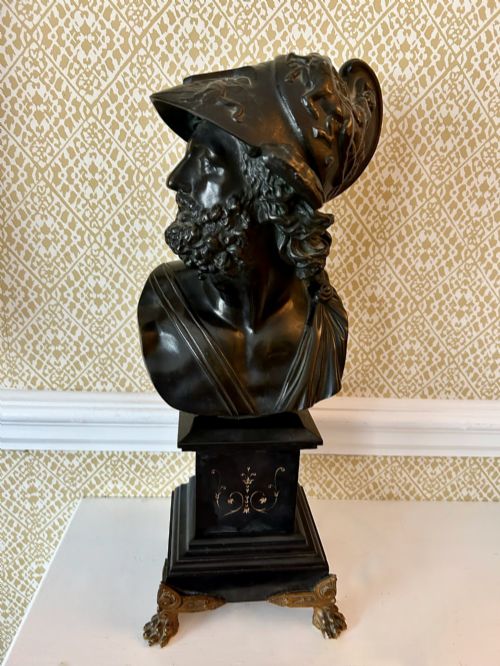
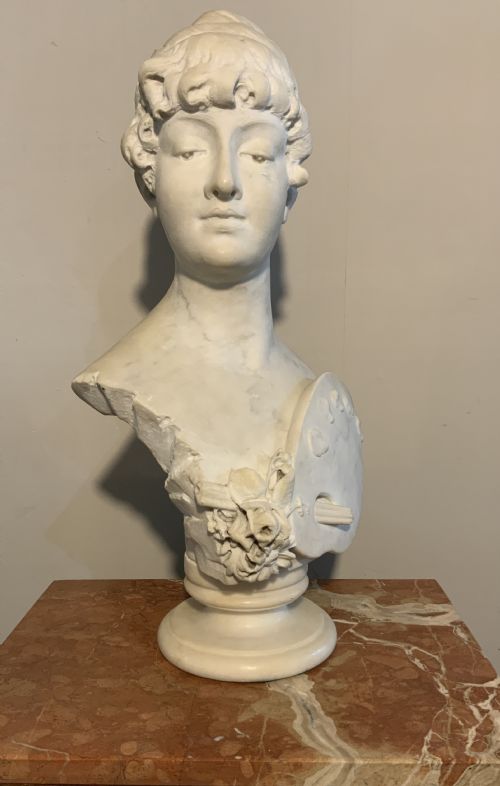
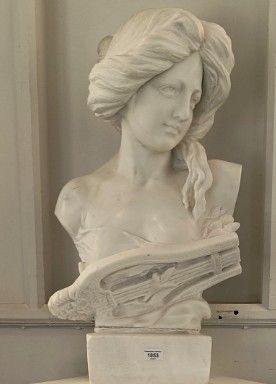
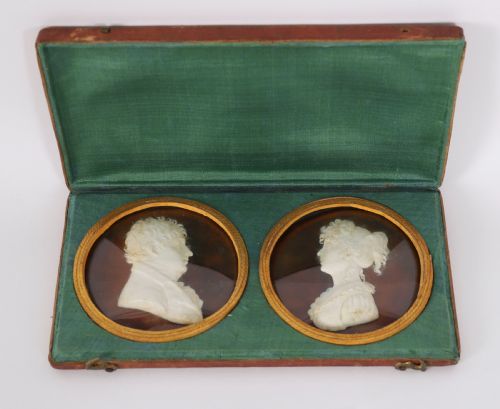
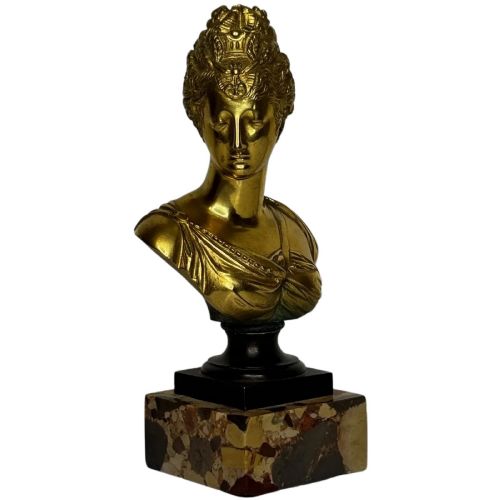
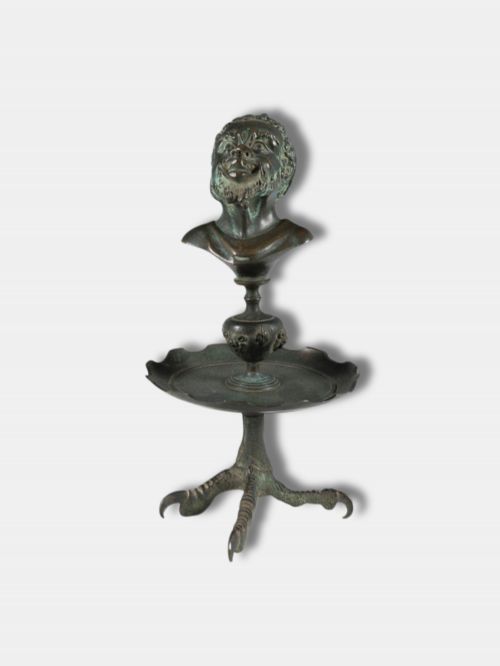
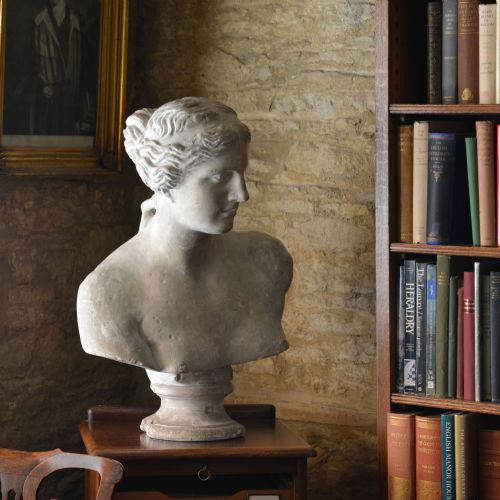
A 19th century grand tour bust captures the fascination with classical antiquity held by travellers journeying through Italy and France. These pieces take the form of miniature portraits, relief plaques, and sculptural studies portraying Roman emperors, Greek philosophers, mythological figures, and noble personages. The version most commonly met on this page is a cabinet-sized bronze or marble rendering of a classical deity, historic ruler, or literary figure.
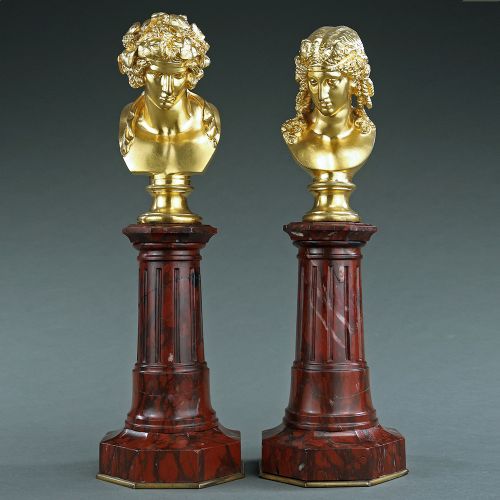
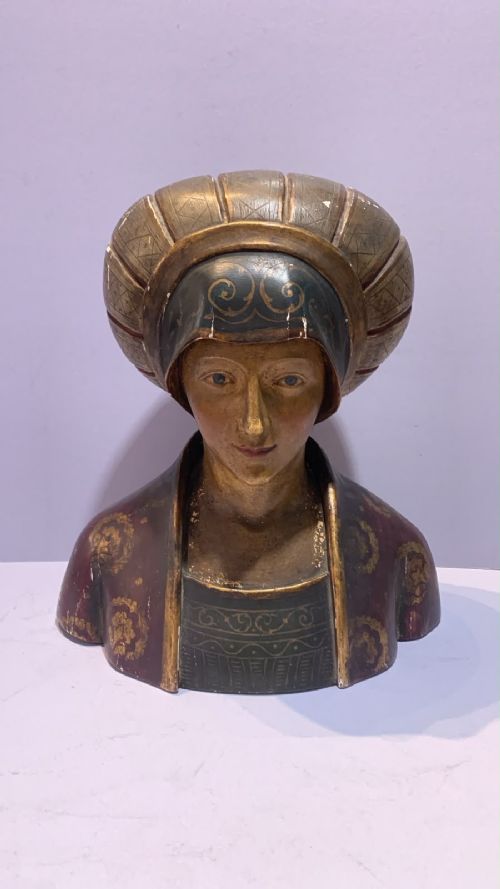
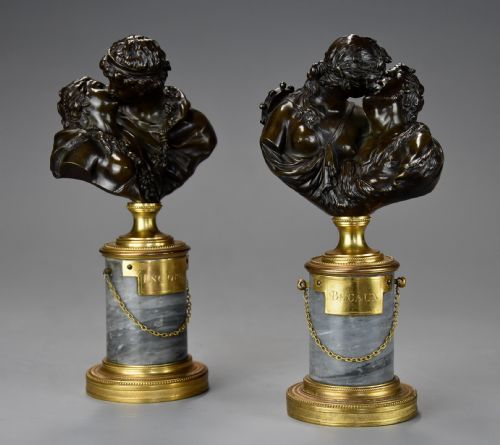
Makers and workshops across Europe produced these works within the Neoclassical and Renaissance Revival styles to satisfy collectors seeking tangible mementoes of their travels. Subjects range from mythological deities such as Venus and Diana to historical figures like Marcus Aurelius, Homer, and Seneca. They appear as standalone portrait busts, mounted pairs, or integrated elements within oil lamps and architectural temple models.
Materials and Technique
Artisans employed materials such as Carrara marble, white and mixed marble, alabaster, stone, and terracotta to replicate ancient carved originals. Cast metals including bronze, patinated bronze, gilt bronze, and brass provided alternative mediums for capturing fine facial expressions and drapery. Plaster also served as a versatile medium for classical-style study busts and relief plaques.
Foundries and studios utilised traditional casting methods for metals, applying patination to achieve aged bronze surfaces or gilding for decorative highlight. Stone carvers worked by hand to shape marble and alabaster, often mounting finished pieces upon contrasting plinths or wooden bases. Wax portrait reliefs required delicate moulding techniques to secure detailed profiles within framed settings.
19th Century Grand Tour Bust Retail Price Guide 2026
Typical asking prices for 19th century grand tour bust among the pieces listed under this phrase on Sellingantiques today, from the lower quarter to the upper quarter. They describe what is for sale here now, not the wider market.
Listings feature works from the 18th century, 19th century, and early 20th century, capturing the height of the classical revival.
Distinctions in Quality
The selection of materials and the integration of the bust with its base further define the standard of the piece. Superior examples utilise high-grade marbles, well-patinated bronzes, and secure, balanced mounts that complement the proportions of the sculpture. Less accomplished items rely on uniform casting without hand-chased refinement or feature mismatched secondary components.
Mathurin Moreau·Jean Antoine Houdon·Richard Aurili·Bulio
The 19th Century Grand Tour Bust Glossary
- Grand Tour
- An educational journey through Europe, chiefly undertaken by young upper-class men in the 18th and 19th centuries to study classical art and architecture. The objects acquired during these travels formed the basis for many private collections.
- Neoclassical
- A Western cultural movement drawing inspiration from the art and culture of classical antiquity. This style dominated European sculpture and architecture throughout the 18th and 19th centuries.
- Patinated Bronze
- Bronze treated with chemical solutions or heat to produce a stable surface colour ranging from deep brown to green. This process protects the metal and accentuates sculptural detail.
- Carrara Marble
- A type of white or blue-grey marble quarried in the city of Carrara in central Italy. Sculptors prized this stone for its fine grain and uniform appearance.
- Terracotta
- Baked red-brown clay used for sculptural models and finished works. The material allows for expressive modelling before firing.
- Renaissance Revival
- An artistic style of the 19th century that drew upon the forms, techniques, and motifs of the 15th-century Italian Renaissance. It often combined classical restraint with elaborate decorative elements.
19th Century Grand Tour Bust: Frequently Asked Questions
What is a grand tour bust?
A grand tour bust is a small-scale sculpture collected by travellers in Europe during the 19th century as a souvenir of classical art.
These pieces served as decorative reminders of ancient history and scholarly pursuits within private home interiors.
Where were these busts displayed?
Collectors placed these sculptures upon library bookshelves, mantelpieces, and dedicated display cabinets alongside books and scientific instruments.
Their cabinet proportions allowed them to fit easily into domestic spaces without dominating a room.
Are marble and bronze the only materials?
While marble and bronze are common, artisans also utilised terracotta, alabaster, plaster, brass, and gilt bronze for these sculptures.
Each material offered a different texture and weight, influencing the overall appearance and method of display.