



19th Century Glass Stemware
These 19th century glass stemware pieces span Georgian, Regency, and Victorian periods, offering heavy lead crystal and vibrant coloured glass for the table.
19th Century Glass Stemware
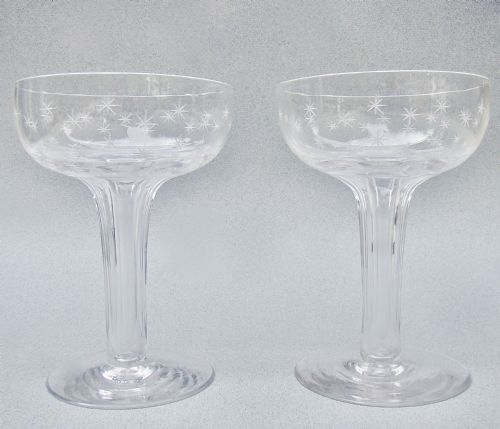
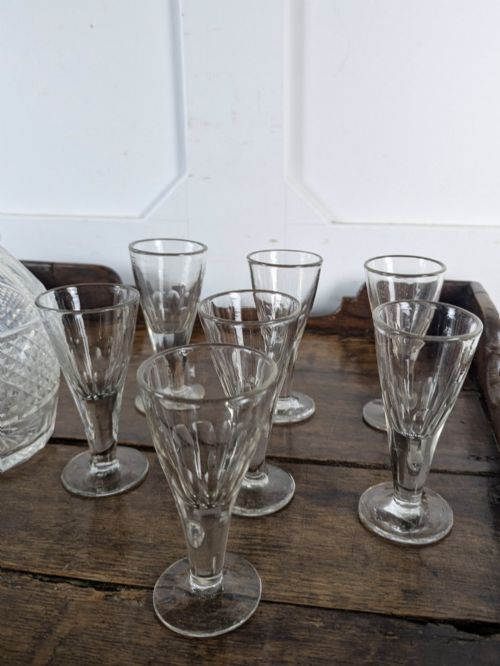
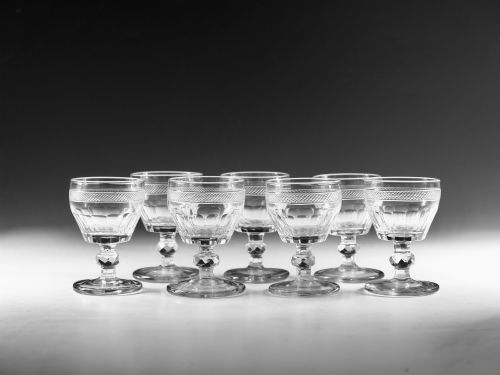
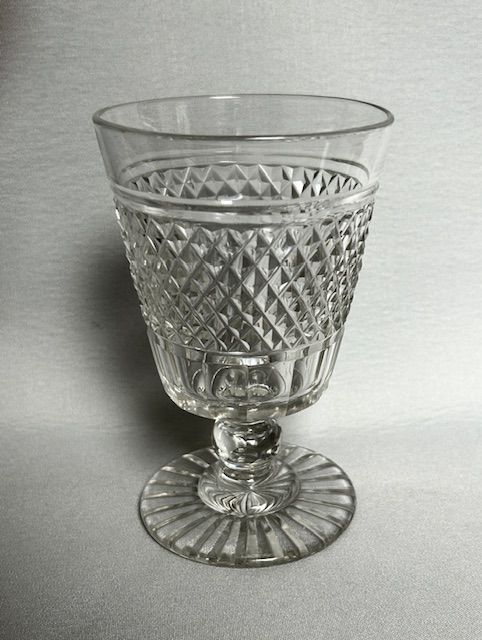
When you search for 19th century glass stemware, you encounter robust rummers, wine glasses, port glasses, and champagne coupes spanning the Georgian, Regency, and Victorian eras. The selection on this page relies heavily on English and continental production from around eighteen hundred to the end of the century.
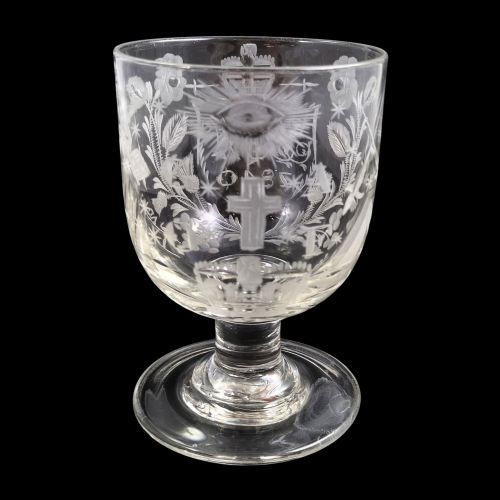
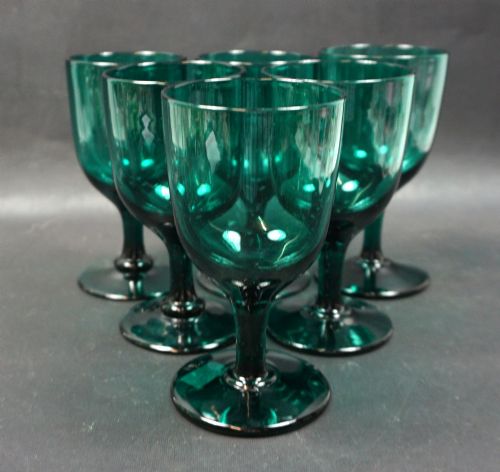
The forms range from heavy bucket rummers engraved with hops and barley to delicate green and cranberry wine glasses with hollow or bobbin stems. Sets vary from single pairs to larger gatherings of fifteen or sixteen pieces, reflecting the dining customs of the period.
Materials and Techniques
The objects in these listings utilise lead glass, clear crystal, and richly coloured glass, including cranberry, vaseline, emerald green, and amethyst hues. Makers employed free-blowing and mould-blowing techniques before finishing the surfaces by hand.
Decoration relied on wheel-engraving, intaglio cutting, thumb-cuts, star-etching, and hobnail patterns. Some pieces incorporate acid-cut cameo work or silver parcel gilt components to achieve their final appearance.
Raise a glass that survived the nineteenth century and listen closely; the clear lead crystal rings with a remarkably long, sweet note.
Assessing Quality and Execution
Quality rests upon the crispness of the wheel-engraving and the depth of the cut glass facets. Master cutters achieved sharp, clean lines on rummers and goblets that catch the light distinctly compared to softer, shallower markings.
The weight of the lead crystal and the uniformity of hand-blown bowls, stems, and feet dictate desirability. Subtle variations in colour saturation across a matched set indicate genuine hand-production rather than industrial uniformity.
Stevens & Williams
The 19th Century Glass Stemware Glossary
- Rummer
- A large, heavy drinking glass common in the Georgian and Regency periods, frequently used for ale or wine. These pieces often feature engraved agricultural motifs like hops and barley.
- Lead Crystal
- A heavy glass variety containing lead oxide, which increases brilliance and workability for deep cutting. It forms the substantial body of many rummers and goblets.
- Cranberry Glass
- A transparent red glass created by adding gold chloride to the molten batch. It appears frequently in Victorian wine glasses and matched sets.
- Intaglio
- A technique where the design is sunk beneath the surface of the glass rather than left in relief. It requires precise wheel work by skilled artisans.
- Vaseline Glass
- A yellowish-green glass coloured with uranium oxide that glows under ultraviolet light. These pieces date largely to the Victorian era.
19th Century Glass Stemware: Frequently Asked Questions
Are these glasses safe for daily use?
Many people enjoy using their 19th century stemware for special dinners or quiet evenings. Hand-blown lead glass is remarkably resilient when handled with proper care.
Consider the thinness of the rim and the weight of the stem before serving. Heavier rummers suit casual toasts, while delicate wine glasses require a more careful hand.
How can I date 19th century stemware?
Dating relies on combining the form, the weight of the lead crystal, and the style of engraving. Georgian pieces often show heavy bucket bowls and polished pontil marks, while Victorian examples introduce vibrant cranberry and vaseline colours alongside star-etching.
Pay attention to the stem construction, such as bobbin stems or hollow formations. Subtle changes in manufacturing methods help narrow down the decade of production.
What is the difference between a rummer and a wine glass?
Rummers are substantially larger, heavier drinking vessels designed for ale, punch, or generous pours of wine during the Georgian and Regency periods. They usually feature short, thick stems and deep bowls.
Wine glasses are smaller, more delicate, and intended for measured portions. They appear in diverse colours like green, amethyst, and cranberry with varied stem shapes.