



19th Century Glass Shade
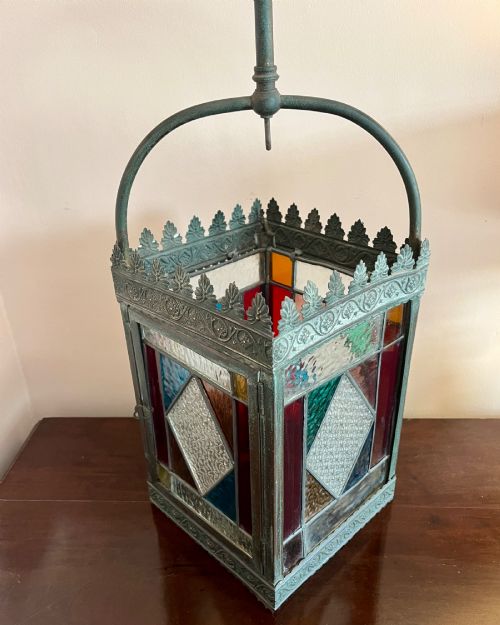
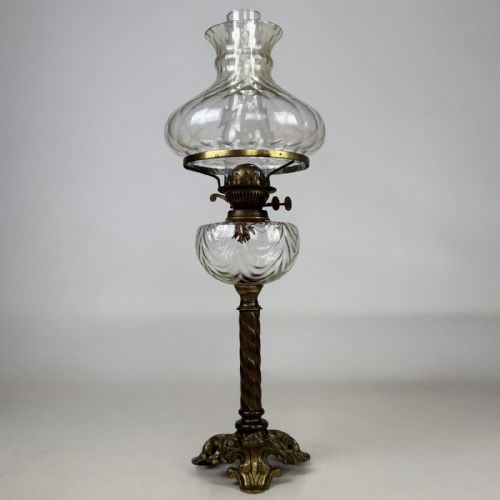
A 19th century glass shade brings soft, diffused light and rich colour to a room, whether housed on an oil lamp or mounted to a wall light.
19th Century Glass Shade
When you search for a 19th century glass shade, you encounter functional components of period lighting, primarily oil lamps and chandeliers from the Victorian era. These pieces span various forms, from table lamps to wall lights and floor-standing fixtures, reflecting the domestic illumination technology of the 1800s.
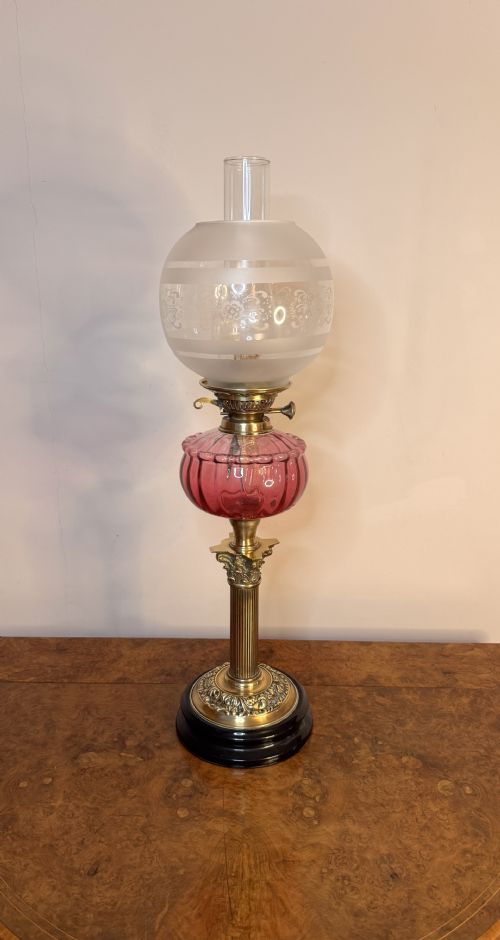
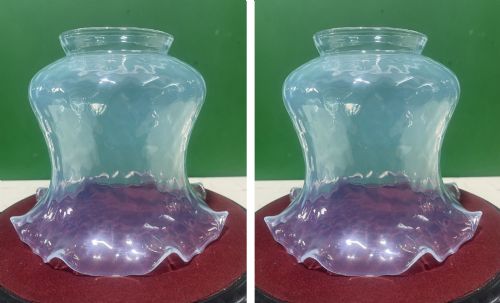
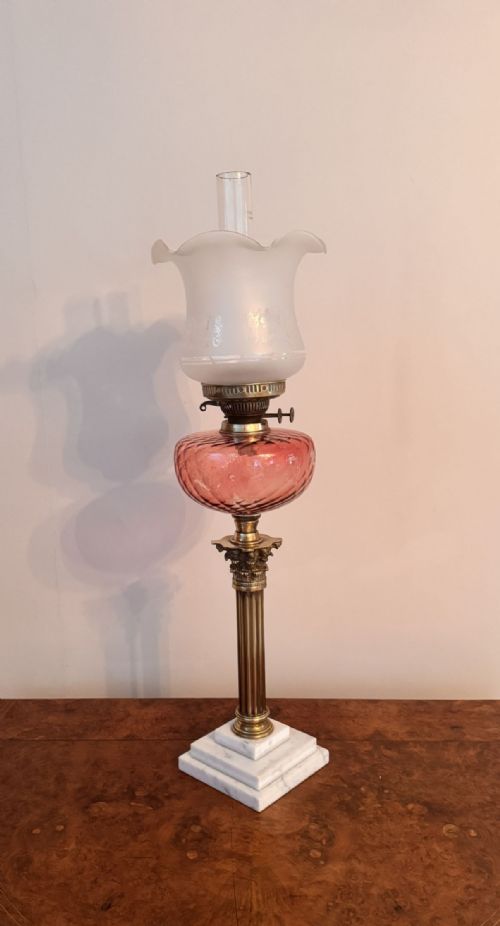
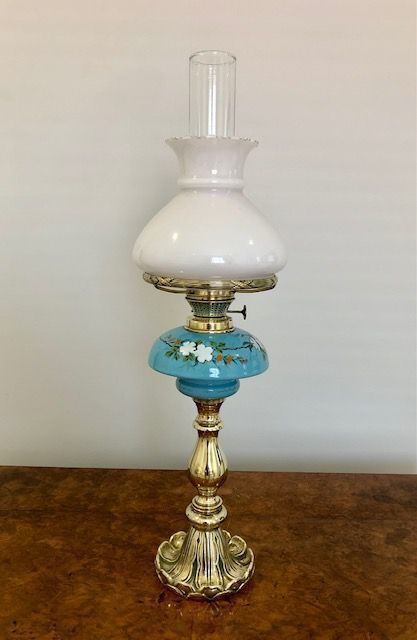
The most common versions on this page are paired or single shades rendered in distinctive glass types such as cranberry, opaline, frosted and ruby glass. Many integrate with brass, marble or porcelain mounts, often accompanied by matching reservoirs or burners from makers operating during the mid to late nineteenth century.
The aesthetic reaches across Victorian design, French Rococo Revival, and Art Nouveau influences. Buyers select these items both as replacement shades for existing antique lamps and as standalone decorative objects that capture period craftsmanship.
How they were made
Makers utilised specialised glassblowing and moulding techniques to produce these shades, incorporating metallic oxides to achieve deep cranberry, ruby and opaline hues. Frosted and satin finishes were achieved through acid etching or sandblasting the glass surface.
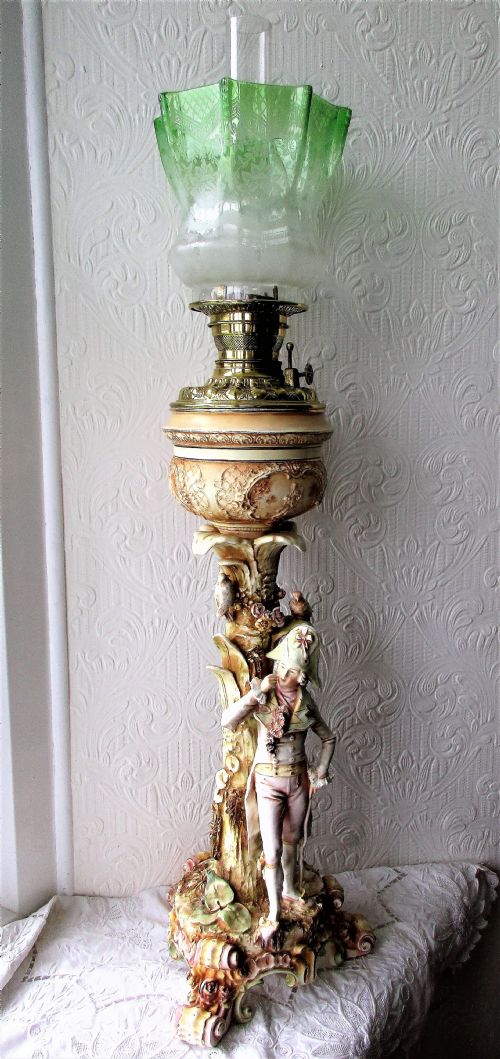
Metal components such as brass, copper, ormolu and silver plating were cast, turned and sometimes embossed to support the glass elements. Figures in bronze, spelter or porcelain frequently form part of the lamp bodies that hold these shades.
19th Century Glass Shade Retail Price Guide 2026
Typical asking prices for 19th century glass shade among the pieces listed under this phrase on Sellingantiques today, from the lower quarter to the upper quarter. They describe what is for sale here now, not the wider market.
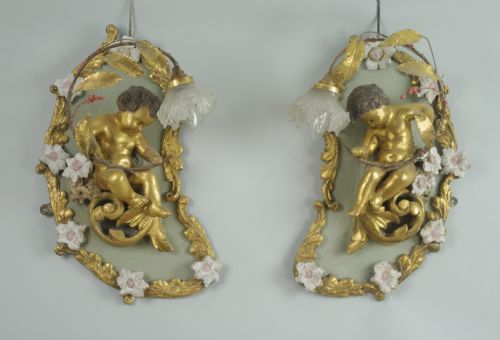
Several lamps feature cherubs and putti seemingly supervising the evening illumination.
What varies in quality
The standard of a 19th century glass shade is determined by the depth of colour in the glass and the crispness of any applied gilding, frosting or hand-painted motifs. Richer hues and even thickness throughout the bell or globe indicate superior glasshouse production.
In associated mounts and fittings, quality shows in the weight of the cast brass or ormolu and the precision of turned details. Matching pairs and complete assemblies with original burners or matched bases command greater appreciation than altered or mismatched components.
Wild and Wessel·Auguste Moreau·Meissen
The 19th Century Glass Shade Glossary
- Cranberry glass
- A transparent pinkish-red glass created by adding gold chloride to the molten batch. It is widely seen in Victorian oil lamp shades and vases.
- Opaline glass
- A semi-translucent glass, often pale or pastel in tone, that diffuses light softly. It gained popularity in nineteenth-century decorative lighting.
- Peg lamp
- A small oil lamp featuring a protruding metal or glass peg at the base. This allows the font to sit directly inside a candlestick or separate base.
- Ormolu
- Gilt bronze created by applying a finely ground high-carat gold-mercury amalgam to cast bronze. It provides a rich golden finish on French nineteenth-century mountings.
- Spelter
- An alloy of zinc and lead used as a cheaper alternative to bronze for figural lamp bases. It is typically painted or electroplated to resemble bronze.
19th Century Glass Shade: Frequently Asked Questions
What fits a 19th century glass shade?
These shades typically fit period oil lamps, duplex burners, or specific gas-lighting fixtures from the Victorian era. The fitter rim at the base must match the gallery diameter of the lamp collar.
Measuring the internal diameter of the base opening ensures compatibility with existing brass or bronze burners before mounting.
How do I clean an antique glass shade?
Wash the glass gently in lukewarm water using mild soap and a soft cloth. Avoid harsh scrubbing on frosted, etched or gilded surfaces to preserve the finish.
Dry thoroughly with a lint-free cloth before refitting the shade to any metal gallery or lamp collar.
Are these shades original to the lamps?
Many nineteenth-century lighting components were produced by separate glasshouses and metal workshops, then assembled together. Matching pairs and pieces with unified design themes are documented across the listings.
Checking for consistent wear, colour tone and fitting size helps determine if the shade and base share a common period of manufacture.
How do I identify Victorian cranberry glass?
Cranberry glass displays a distinct translucent pinkish-red coloration caused by the use of gold during the melting process. The tone varies from pale rose to deep crimson depending on the glasshouse.
Examining the piece under natural light reveals the characteristic warmth and variation typical of nineteenth-century British and Bohemian production.