



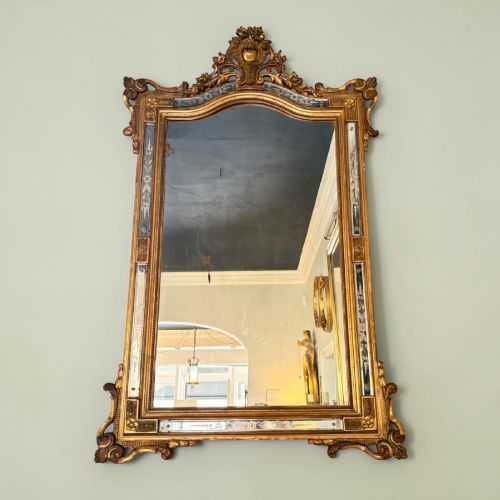
19th Century Giltwood Frame
A 19th century giltwood frame brings warmth, reflection and architectural depth to a room through centuries-old craftsmanship.
19th Century Giltwood Frame
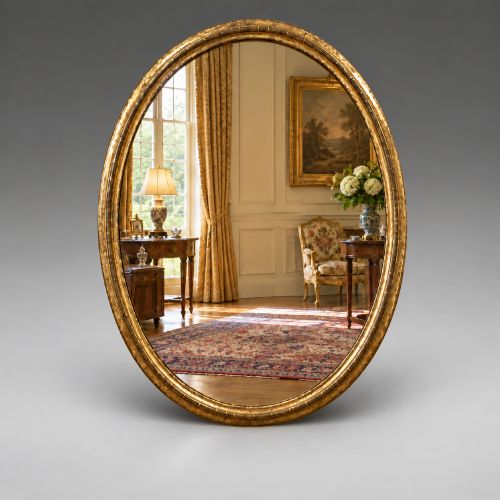
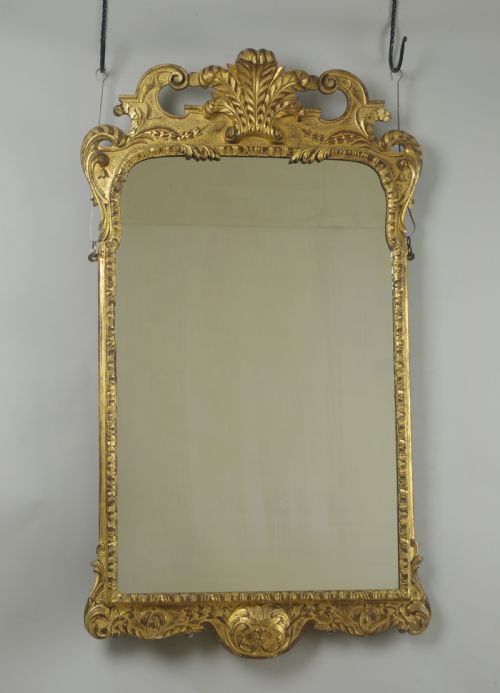
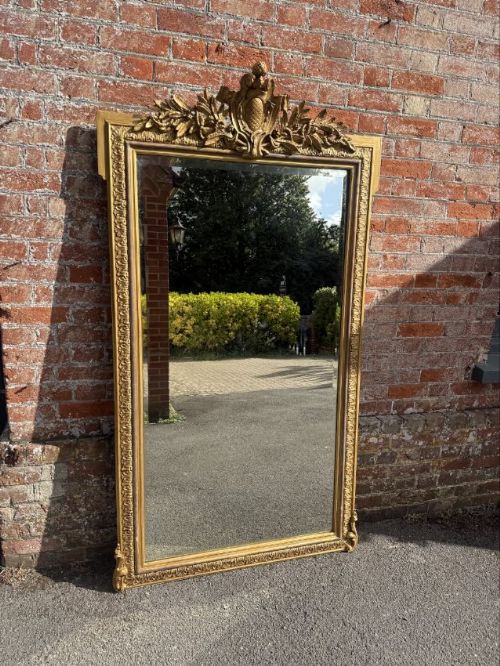
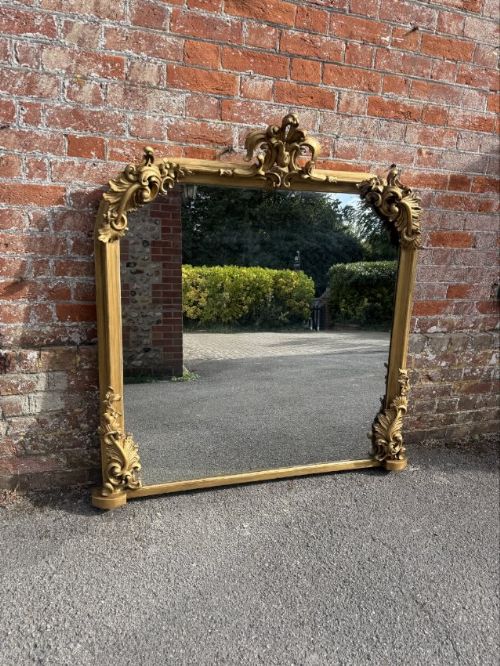
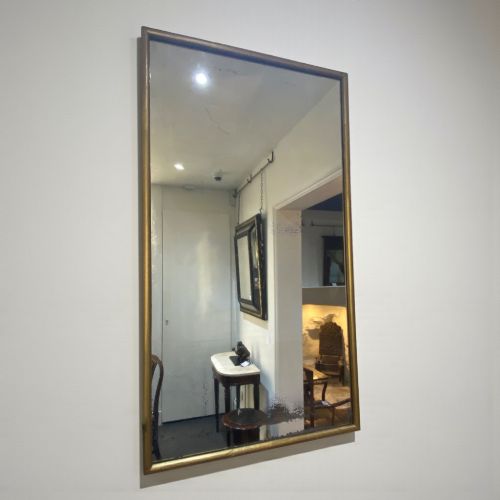
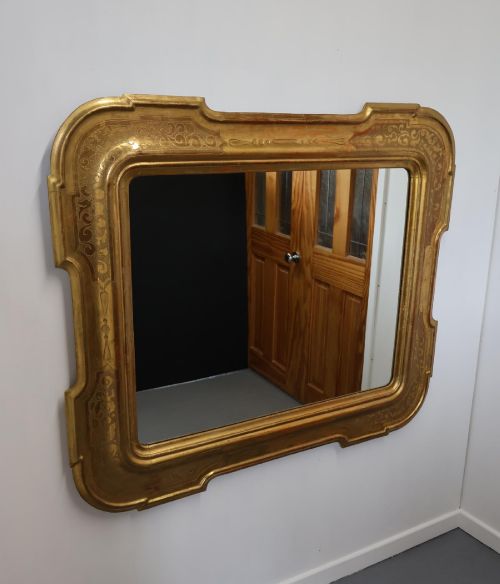
When searching for a 19th century giltwood frame, buyers encounter a diverse selection of mirrors, oil paintings and standalone picture surrounds dating from the Regency era through to the late Victorian period. These decorative items were designed to catch and amplify candlelight or daylight in principal rooms, serving as focal points above mantelpieces and consoles.
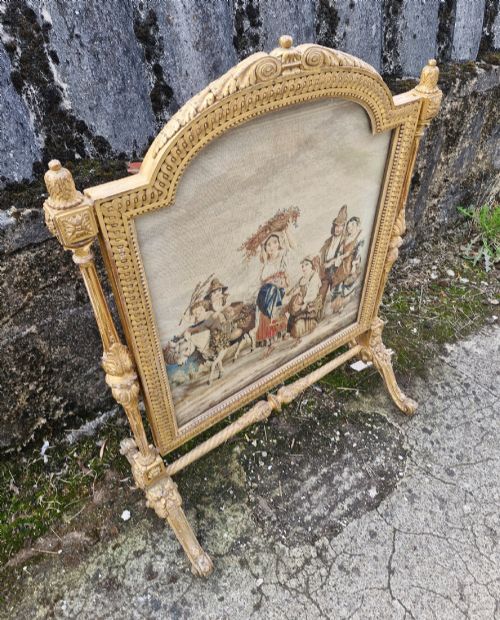
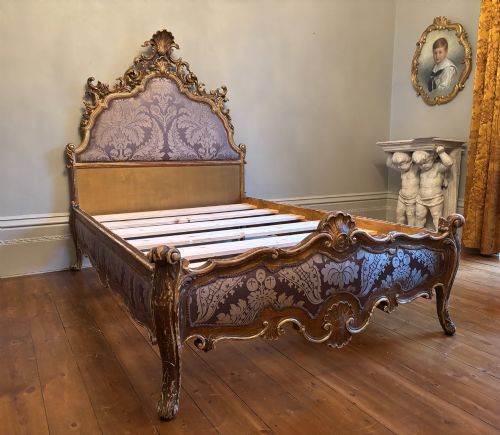
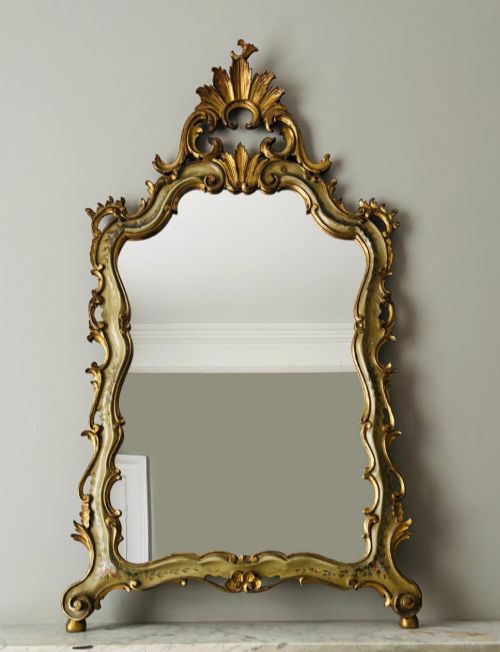
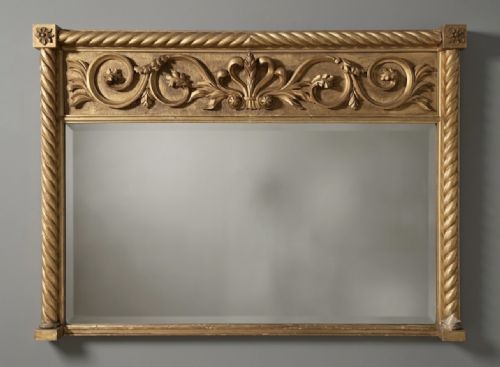
The most common examples on this page are large overmantel mirrors and tall wall glasses, alongside framed fine art pieces, oil paintings and Italian Florentine carvings. Styles range from restrained classical Regency designs to heavily ornamented Rococo Revival and Louis XVI interpretations.
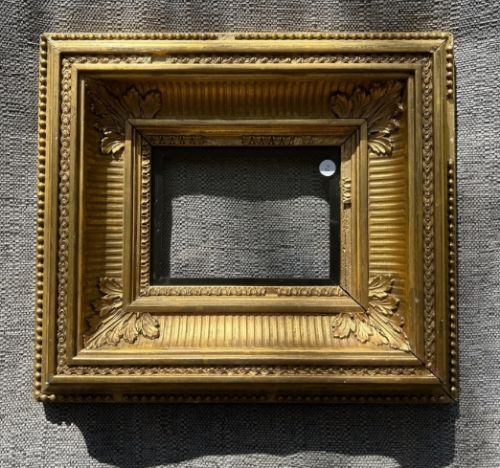
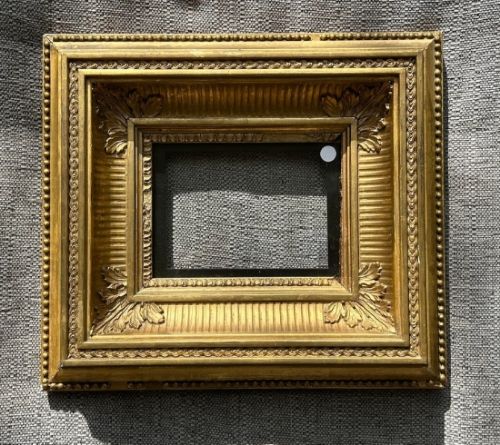
Originating from English, French and Italian workshops, these items combine timber structures with intricate surface ornamentation. They appear either as empty decorative frames or housing original canvases, prints and foxed mirror plates.
How they were made
Carved wooden foundations of pine, oak or walnut provide the structural strength for these pieces, often shaped with rope twists, floral motifs or architectural moulding. Artisans then applied layers of gesso - a mixture of chalk and glue - onto the wood to build up smooth surfaces for detailed relief work.
Gold leaf or metallic powder was meticulously laid over a bole base, then burnished to achieve a brilliant metallic sheen. Composition ornament, a pliable mixture of resin, oil and whiting, was frequently pressed into moulds and applied to the wooden carcass to create repetitive decorative borders quickly.
Listings feature pieces spanning the Regency, Victorian and 1930 periods, executed in giltwood, gesso and oil on canvas.
What varies in quality
The distinction between ordinary and exceptional pieces lies in the depth and sharpness of the hand-carved details versus the repetitive crispness of moulded composition ornament. Superior examples retain their original gilding with minimal overpainting or later restoration, displaying an authentic aged patina on the gold leaf.
The condition and authenticity of the glass plate matter significantly in mirrors, where original mercury plates with natural foxing command greater appreciation than modern replacements. Structural integrity of the underlying timber frame and the survival of early backing boards further separate standard items from collector pieces.
Benjamin Barker of Bath·Edouard Pingret·Eugène Verboeckhoven·Walter Heath Williams
The 19th Century Giltwood Frame Glossary
- Giltwood
- Timber coated with gold leaf or metallic powder over a prepared gesso ground. This technique creates a luminous surface that ages with a warm metallic glow.
- Gesso
- A mixture of chalk, gypsum and binder applied to wood frames to create a smooth surface for carving or gilding. It allows for crisp relief details.
- Overmantel mirror
- A large mirror specifically designed to hang above a fireplace mantelpiece. These pieces often feature wide proportions to reflect the hearth area.
- Foxed glass
- Mirror plates showing spots or discoloration caused by the degradation of the backing reflective layer over time. Collectors value this characteristic for authenticity.
- Composition
- A moulded mixture of whiting, resin and oil used to create ornamental relief details on frames. It offers an alternative to hand-carved wood.
19th Century Giltwood Frame: Frequently Asked Questions
How do I hang a heavy overmantel mirror?
Heavy overmantel mirrors require secure attachment directly into wall studs or masonry using heavy-duty brackets suited to the weight of the timber and gesso construction. Professional installation ensures the piece remains stable and secure against the wall.
Because these frames often feature substantial proportions and fragile gilded surfaces, distributing the load evenly prevents stress on the original wooden joints and hanging rings.
Are the mirror plates original?
Many pieces retain their original glass, often identifiable by slight distortions, hand-beveled edges, or natural foxing spots where the backing has aged. Examining the back of the frame can also reveal early wooden panels and wedges that indicate untouched condition.
Replacement glass is sometimes fitted during the lifetime of the piece if the original plate was damaged. Checking for uniformity in the reflection helps determine authenticity.
How should I clean a giltwood frame?
Dusting gently with a soft, dry ostrich feather brush is the safest method for maintaining gilded surfaces without disturbing the delicate gold leaf. Avoid using water, chemical sprays, or abrasive cloths that can strip the historic finish.
Professional conservators should handle stubborn grime or areas of flaking gesso. Regular, careful maintenance preserves the fragile metallic layers for the future.
What is the difference between Regency and Victorian styles?
Regency frames generally exhibit neoclassical restraint, featuring clean lines, reeded columns, convex circular plates, and classical motifs inspired by ancient Rome and Greece. They feel lighter and more architectural in their decorative approach.
Victorian pieces tend to be heavier and more ornate, embracing Rococo Revival curves, lavish floral carvings, and deep gesso mouldings. These later designs aimed for dramatic visual impact in formal nineteenth-century interiors.