

19th Century Gilt Portrait
A 19th century gilt portrait brings lasting character to a room through period craft and metallic framing.
19th Century Gilt Portrait
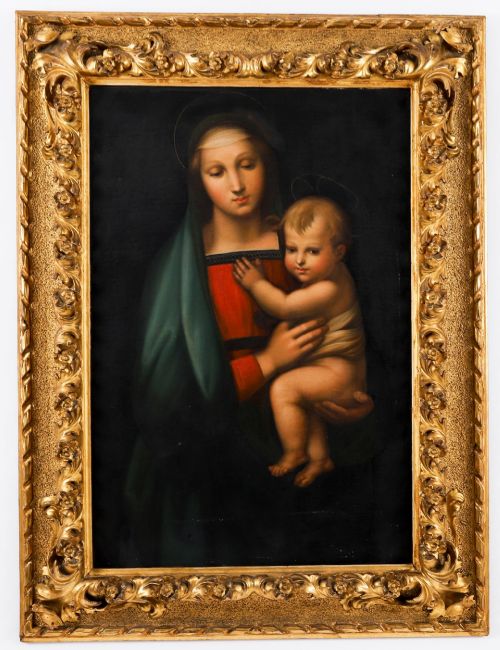
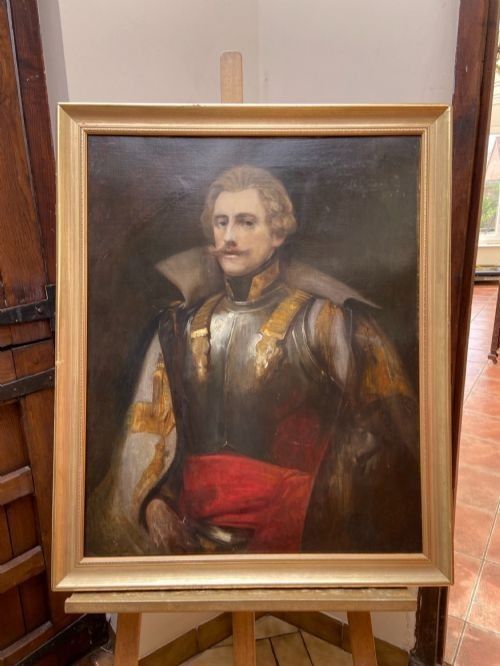
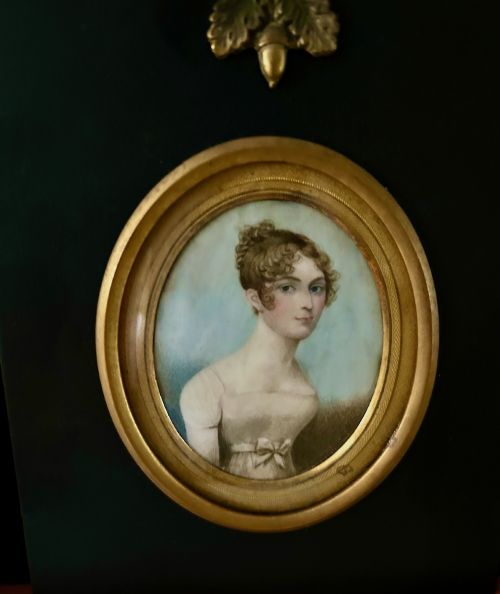
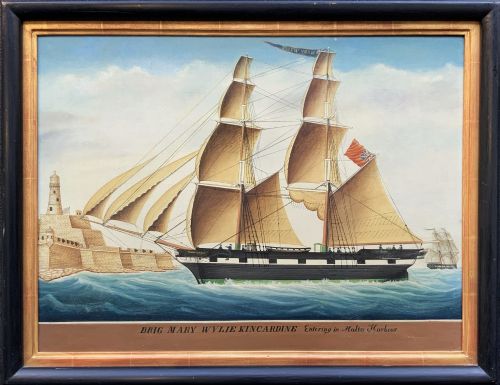
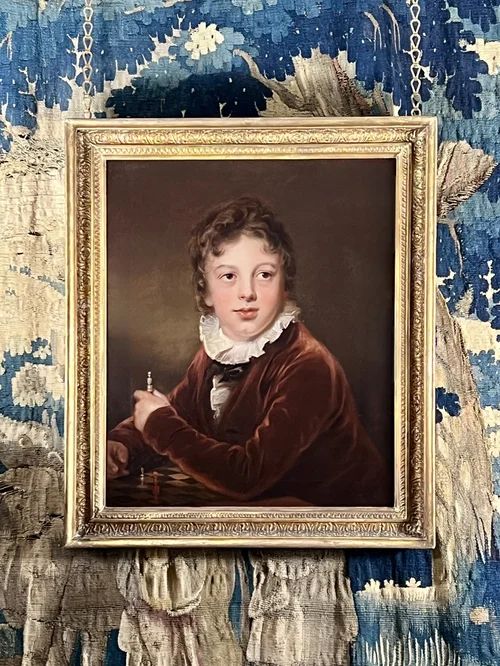
A 19th century gilt portrait encompasses framed oil paintings, watercolours, pastels, silhouettes, and porcelain plaques depicting notable or anonymous subjects. These works originate from British, French, and Italian schools across periods spanning the Regency era to the late Victorian decades.
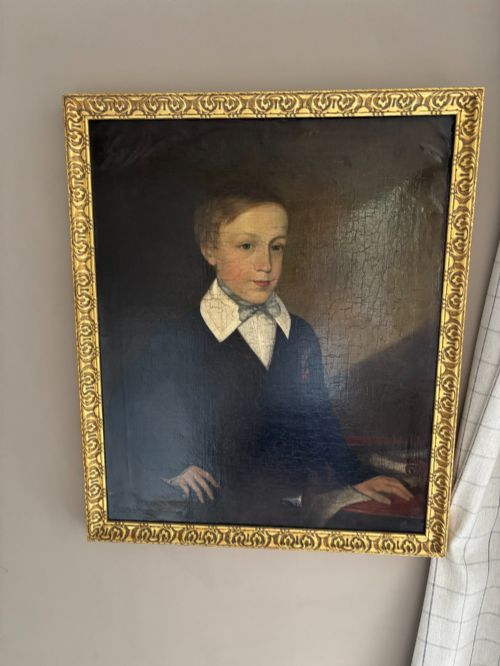
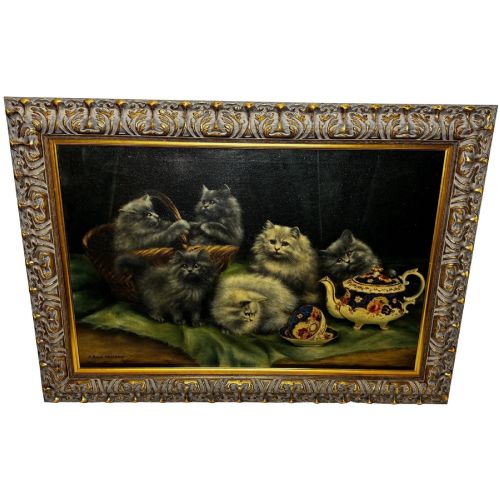
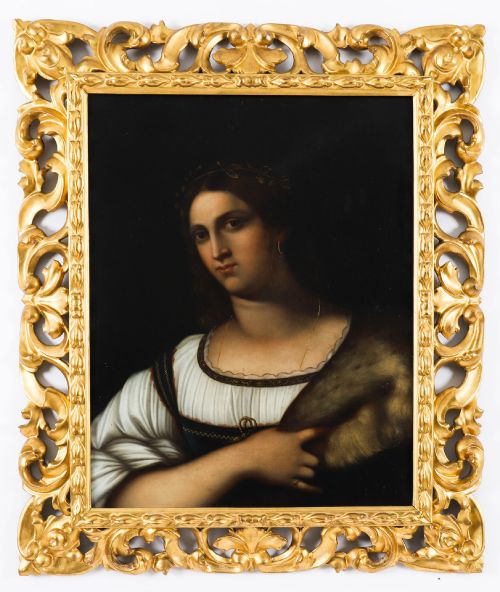
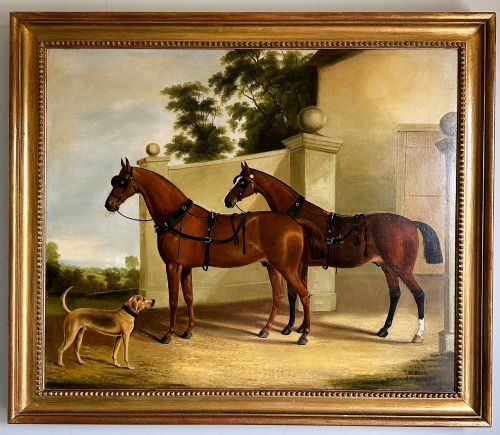
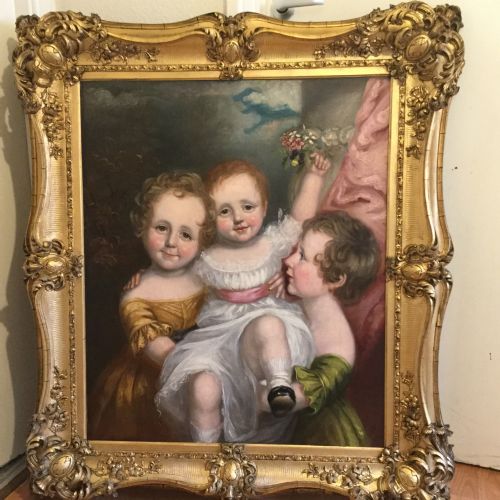
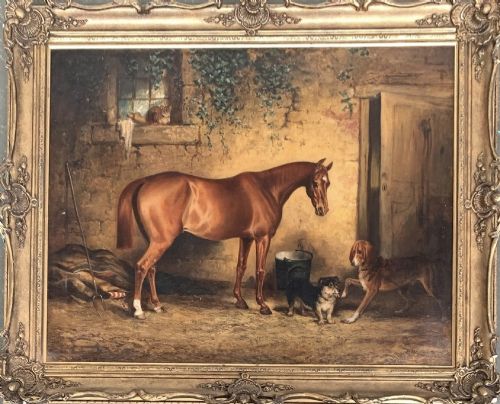
The most common examples on this page are oil paintings on canvas or panel housed in decorative giltwood frames. Many present half-length or bust depictions of gentlemen, ladies, or children in contemporary dress.
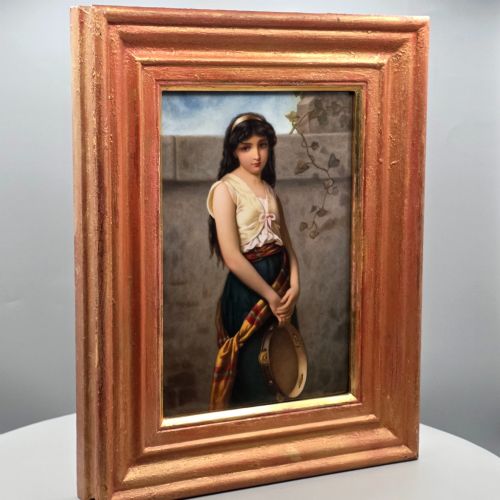
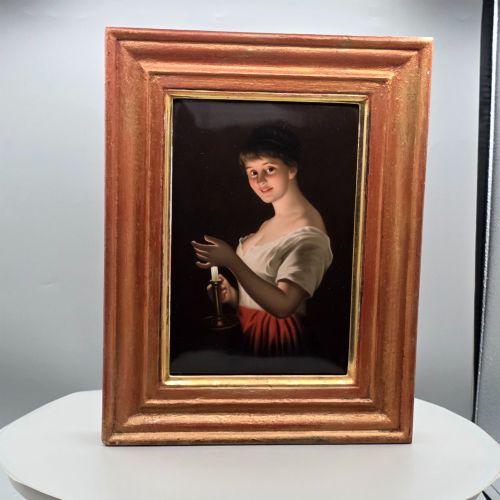
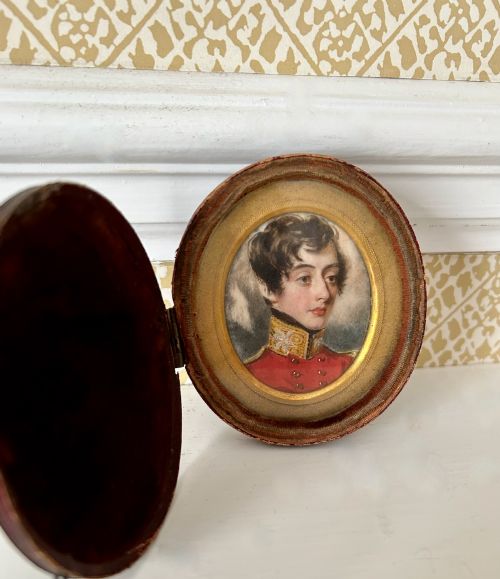
Beyond standard canvas works, collectors encounter miniature portraits, silhouettes on paper, and framed porcelain items. Each type utilises metallic gilding to highlight the subject within a polished setting.
How they were made
Makers applied oil paint, watercolour, pastel, or cut paper to canvas, wood panels, paper, or porcelain supports. Painters built up layers of pigment to capture realistic skin tones and fabrics while draughtsmen worked in fine ink and pigment.
Frames and surrounds were constructed from wood or gesso, then finished with gold leaf or bronze. Artisans carved intricate decorative motifs directly into the wooden mouldings or cast ornamental details in gesso before applying the metallic leaf.
The inventory records framed silhouettes, porcelain plaques, and wall mirrors alongside standard oil paintings.
What varies in quality
The skill of the artist dictates the artistic merit of the work, distinguishing academic precision from simpler regional output. Finer portraits demonstrate superior handling of light, expression, and anatomical proportion.
Frame construction also defines standard, with deeply carved giltwood and gesso surrounds holding greater artistic weight than plain mouldings. Original pairings of artwork and frame elevate the overall integrity of the piece.
William James Hubard·Joseph Clover RA·John Maler Collier·Vittorio Reggianini·Leon Sprinck
The 19th Century Gilt Portrait Glossary
- Giltwood
- Wood that has been decorated with a thin layer of gold leaf or metallic powder. This finish adds reflective warmth to picture frames and decorative objects.
- Gesso
- A plaster-like mixture applied to wood frames to create a smooth surface for gilding. Artisans carved intricate relief patterns into this compound.
- Silhouette
- A portrait profile filled in with a solid dark colour, often cut from paper or painted. These works frequently date to the Regency period.
- Portrait Miniature
- A small, highly detailed painting executed on ivory, vellum, or card. These items were often housed in protective gilt metal or wooden cases.
- Regency
- The period in British history from 1811 to 1820, characterised by distinct neoclassical aesthetics in art and framing. Pieces from this time often display restrained elegance.
19th Century Gilt Portrait: Frequently Asked Questions
How do I hang a heavy gilt portrait?
Secure the frame using appropriate wall fixings rated for the weight of the wood and canvas. Ensure the hanging wire or brackets are firmly attached to the structural frame rather than the backing.
Position the work at eye level to replicate historical display methods and protect the surface from direct sunlight.
Are these portraits original or copies?
The listings include both original life portraits and period copies after established masters. Examination of the pigment, canvas weave, and framing materials helps determine age and provenance.
Documentation or signatures on the reverse often provide further evidence of the creator's identity.
How do I clean a gilt frame?
Dust the gilded surfaces gently with a soft, dry brush to remove surface particles without disturbing the metallic leaf. Avoid using water or chemical cleaners, which can strip the delicate gold finish.
Consult a professional restorer if the gesso shows signs of cracking or flaking.
What periods do these portraits cover?
The selection spans the nineteenth century, including Regency, Victorian, and late period works. Stylistic shifts from neoclassical restraint to realism are evident across the decades.
Clothing and hair styles within the paintings often offer clues to the exact decade of creation.