



19th Century Gentleman Picture
A 19th century gentleman picture captures the character of an era through oil paintings, watercolours, silhouettes and miniature portraits.
19th Century Gentleman Picture
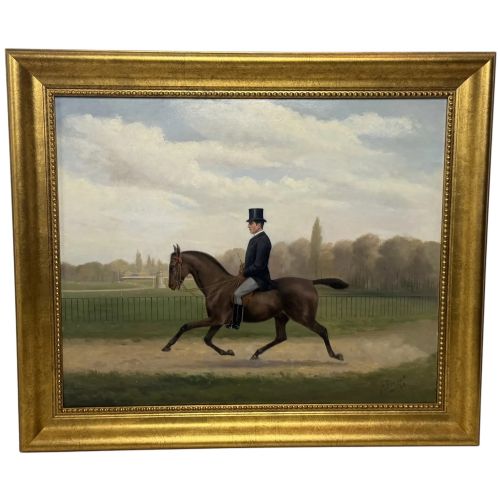
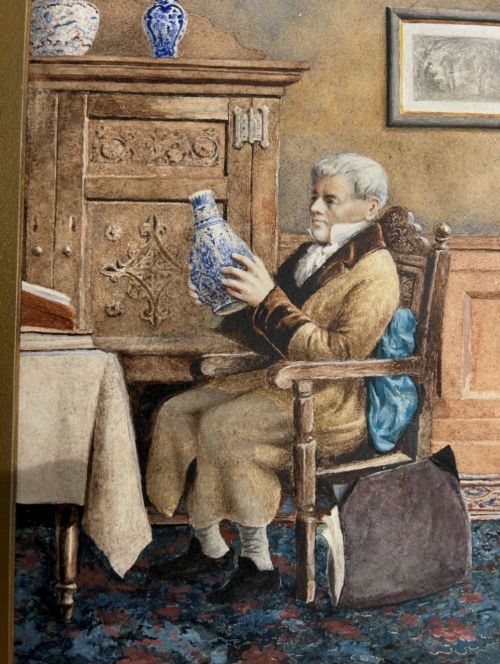
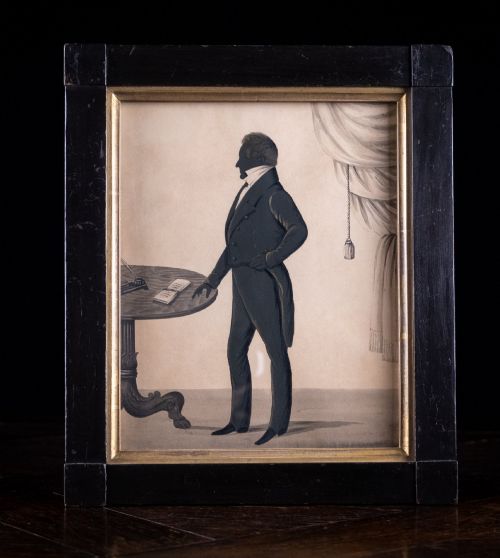
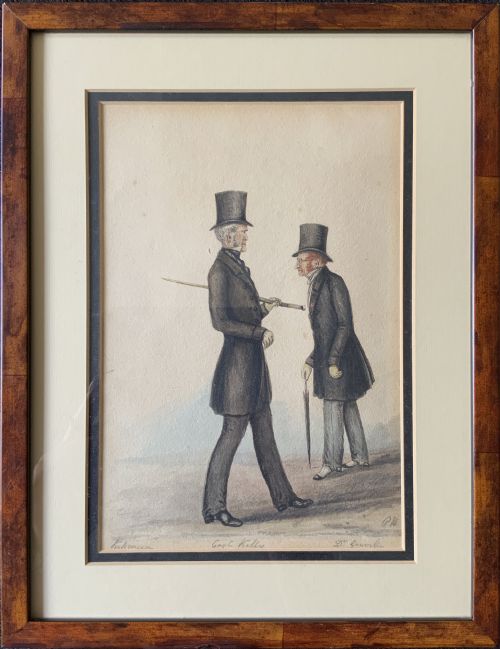
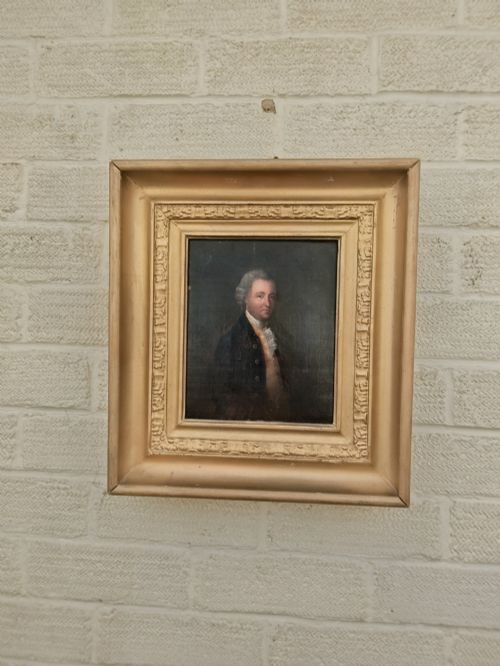
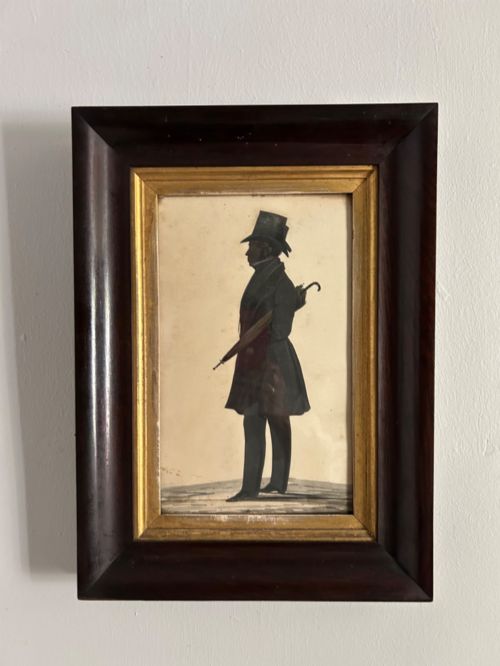
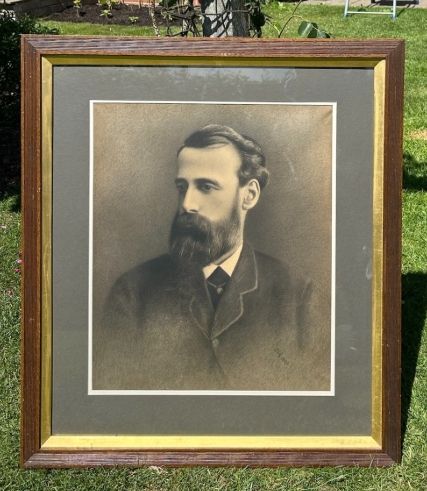
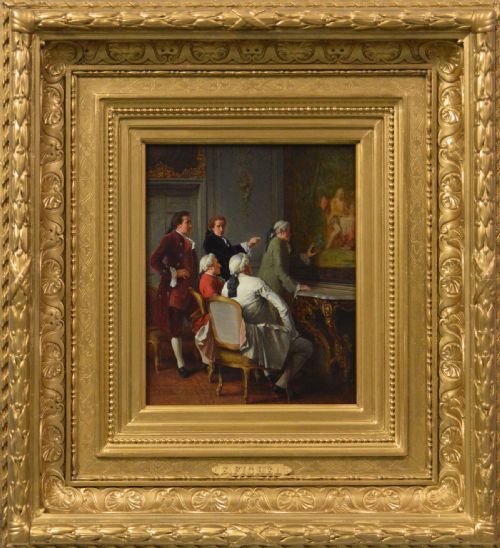
A 19th century gentleman picture encompasses formal oil portraits, intimate watercolours and detailed silhouettes produced across the Victorian, Regency and Georgian periods. These works record individual sitters ranging from country gentlemen and political campaigners to fictional characters and military figures.
The most common examples on this page are oil paintings on canvas housed in gilt gesso frames, alongside delicate paper silhouettes and framed watercolour paintings. Many originate from British and Irish schools, reflecting both academic portraiture and folk art traditions.
Materials and Techniques
Artists relied on oil on canvas for large formal portraits, utilising pigments built up in layers to capture the texture of formal evening wear and facial expressions. Watercolours and charcoal pencil drawings on paper offered a quicker medium for intimate portrayals and caricatures.
Silhouettes combined cut paper and ink, often enhanced with gold leaf and housed behind protective glass within wooden frames. Giltwood and gesso frames provided the structural housing and decorative finish for the heavier canvas works.
19th Century Gentleman Picture Retail Price Guide 2026
Typical asking prices for 19th century gentleman picture among the pieces listed under this phrase on Sellingantiques today, from the lower quarter to the upper quarter. They describe what is for sale here now, not the wider market.
One naive portrait immortalises a gentleman proudly displaying a wooden leg.
Judgments of Quality
Quality rests upon the precision of the draughtsmanship and the ability of the artist to convey psychological depth rather than mere likeness. Finer works demonstrate confident brushwork in oils or meticulous detail in miniature watercolours and silhouettes.
The sophistication of the framing contributes significantly to the overall merit of the piece, particularly where original gilt gesso frames remain paired with the artwork. Attribution to a recorded artist or documented school elevates the historical importance of the portrait.
Bateman·Hubard Gallery·Frederick Buck·George Hargreaves·Thomas Woolnoth·John Arthur Lomax·Walter Dendy Sadler·Thomas Robson·John Opie·Josiah Gilbert·William Biscombe Gardner·Henry Wyatt
The 19th Century Gentleman Picture Glossary
- Silhouette
- A portrait profile cut from paper or painted in ink, often highlighted with gold leaf. These shadow portraits gained immense popularity during the Georgian and Regency eras.
- Giltwood
- Wood carved and coated with gold leaf or gold paint. This material forms the ornate frames typical of nineteenth-century oil paintings.
- Genre painting
- Artwork depicting scenes from everyday life involving human subjects. In this collection, these works frequently show gentlemen engaged in hobbies or social gatherings.
- Portrait miniature
- A small, highly detailed painting executed on ivory, vellum or paper. Collectors prize these intimate works for their delicate execution and preservation.
19th Century Gentleman Picture: Frequently Asked Questions
What is a 19th century gentleman picture?
These works are portraits and genre scenes depicting male subjects in various artistic mediums. They include oil paintings, watercolours, drawings and silhouettes created during the nineteenth century.
They reflect the social standing, attire and daily pursuits of men from the period, ranging from formal sitters to figures in narrative scenes.
How do I date a 19th century portrait?
Dating relies on stylistic clues such as the sitter's clothing, hairstyles and framing materials. Evidence often comes from artist signatures, exhibition dates or accompanying documentation.
Regency and early Victorian attire differ distinctly in collars, cravats and tailoring, providing reliable benchmarks for the decade of production.
Where were these pictures originally displayed?
Original owners hung these portraits in domestic parlours, libraries and country estates as statements of lineage, personal achievement or artistic taste. Smaller silhouettes and miniatures often rested on tabletops or travelled with the owner.
Larger oil paintings served as focal points in reception rooms, demonstrating the social status of the household.
How should I care for a paper silhouette?
Paper silhouettes and watercolours require protection from direct sunlight to prevent fading of the ink, paper and gold leaf highlights. Stable humidity levels prevent warping of the paper and deterioration of the adhesive.
Displaying them away from heat sources preserves both the delicate paper medium and the antique wooden or gilt frames.