



Victorian Portrait Artist
A victorian portrait artist created oil paintings and watercolours that capture the character and likeness of people and animals.
Victorian Portrait Artist
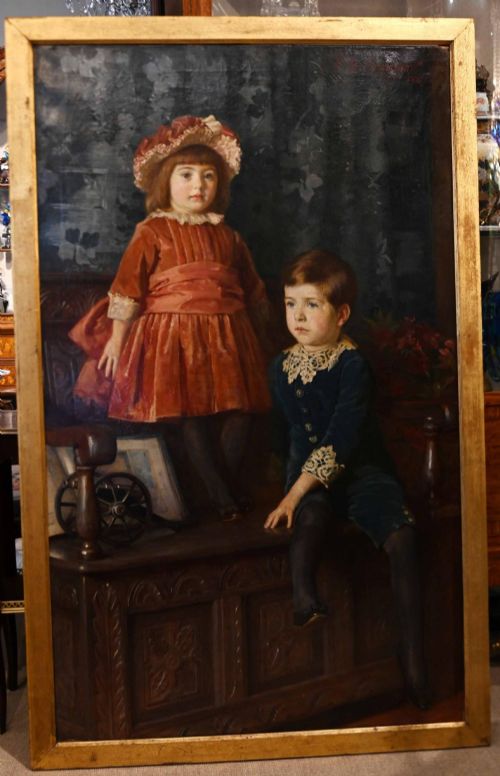
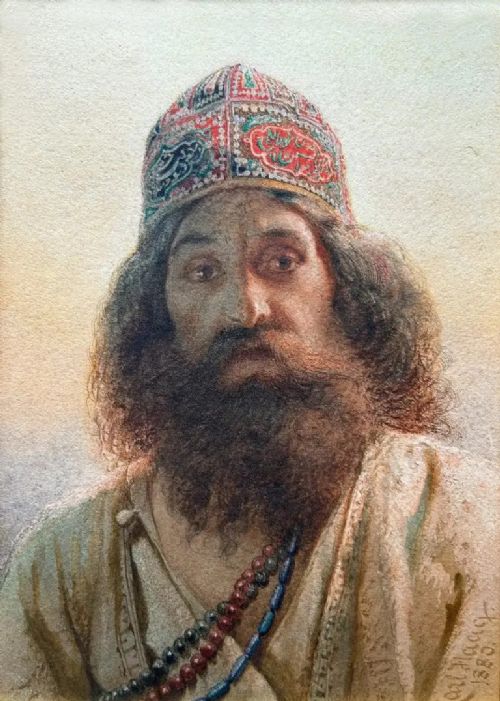
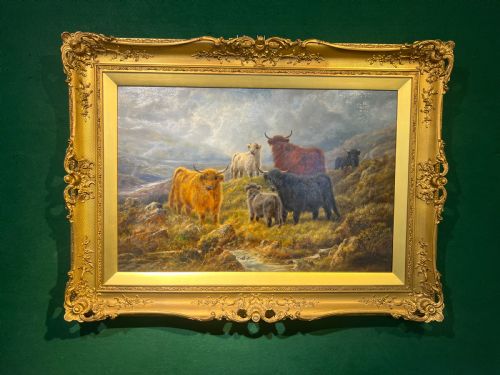
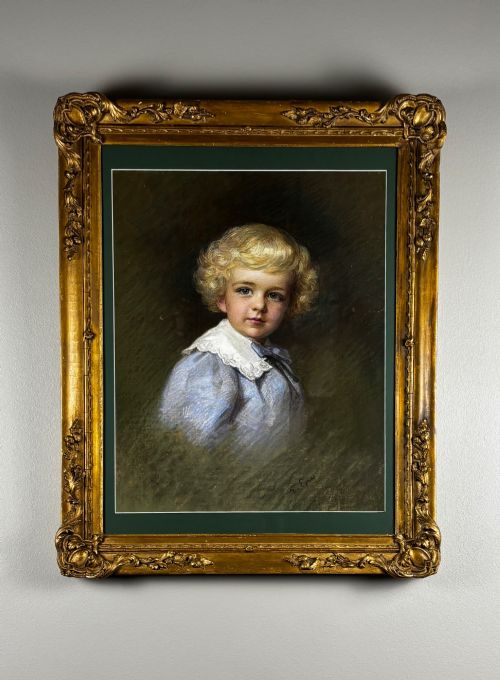
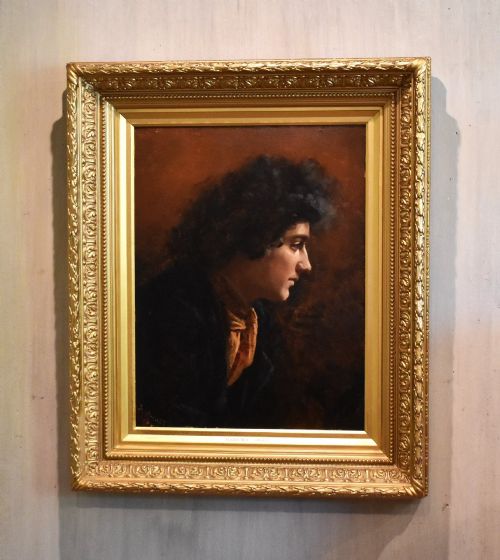
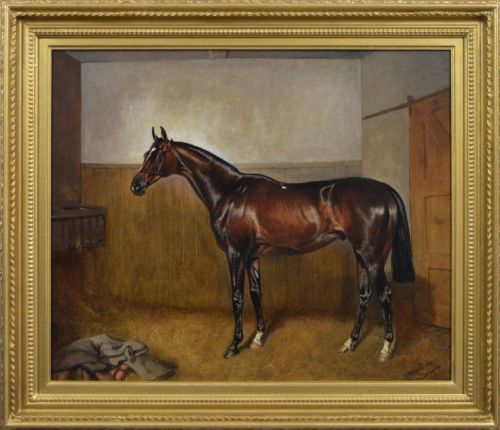
When you search for a victorian portrait artist, you encounter works produced during the nineteenth century and the early twentieth century. The selection on this page includes oil paintings on canvas, watercolours, and pastels depicting humans, dogs, horses, and cats.
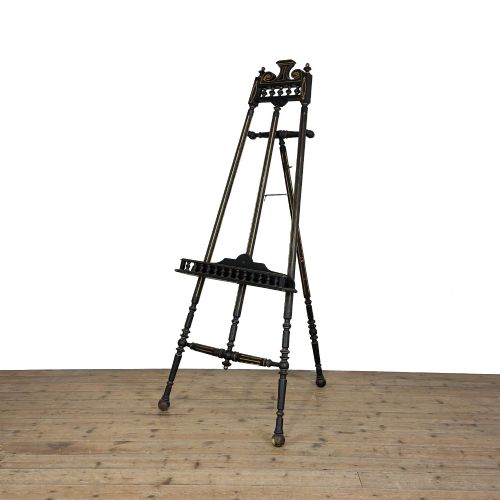
Most pieces date from the Victorian period through to the Edwardian era, spanning styles such as Victorian fine art, the Aesthetic Movement, and Orientalism. Alongside finished portraits, related items such as floor-standing and double-sided gallery easels appear in the inventory.
How they were made
Display hardware relies on sturdy timber construction, seen in oak and ebonised floor-standing or double-sided gallery easels designed to hold heavy paintings.
Victorian Portrait Artist Retail Price Guide 2026
Typical asking prices for victorian portrait artist among the pieces listed under this phrase on Sellingantiques today, from the lower quarter to the upper quarter. They describe what is for sale here now, not the wider market.
Listings feature works created across the nineteenth and early twentieth centuries, utilising oil, watercolour, pastel, and bronze.
What varies in quality
The standard of a portrait rests on the artist's ability to render anatomy, expression, and texture with precision, whether depicting human sitters or animals such as hounds and horses. Masterful handling of light, shadow, and fabric distinguishes superior works from more formulaic studio output.
The framing contributes significantly to the integrity of the piece, with period frames featuring detailed gilding or burr maple veneers holding higher aesthetic value than later replacements.
Carl Haag·Robert Watson·Florence Small·Emily Eyres·John Alfred Wheeler·Arthur Wardle·Jean Jules Salmson·Agnes Augusta Talboys·Fannie Moody·Ralph Todd·GW Horlor·Jane Maria Bowkett·John R Houston·Philip Eustace Stretton·Pompeo Massani·Thomas Robson·Theobald Chartran·John Phillip·George Hamilton Barrable·William Woodhouse·Samuel Fulton·Alexander Melville·Josiah Gilbert
The Victorian Portrait Artist Glossary
- Oil on Canvas
- A painting medium where pigments are suspended in a drying oil, applied to a stretched canvas support. This combination allows for rich colour depth and blending.
- Giltwood
- Wood that has been covered with a thin layer of gold leaf or powder. It frequently frames fine art from the nineteenth century.
- Ebonised
- Timber treated with a finish to imitate ebony. This technique was popular in Aesthetic Movement furnishings and display stands.
- Watercolour
- A paint consisting of water-soluble pigments used on paper. It creates luminous, transparent washes characteristic of Victorian works on paper.
- Aesthetic Movement
- A late nineteenth-century design style emphasising visual beauty over narrative or moral themes. It influenced both interior framing and easel design.
Victorian Portrait Artist: Frequently Asked Questions
What subjects did portrait artists paint?
Victorian portrait artists recorded human sitters ranging from political economists and writers to royalty and everyday people. Animals also served as primary subjects, with numerous works dedicated to hounds, racehorses, terriers, and kittens.
These depictions often captured the subjects in specific settings, such as hunting scenes, domestic interiors, or formal poses.
What is a gallery easel?
A gallery easel is a heavy-duty wooden stand designed to hold and display large paintings securely. Examples from the nineteenth century often feature oak construction and double-sided utility for exhibition spaces.
These pieces were built to support the substantial weight of framed oil canvases.
How do I identify the date of a painting?
Dates can often be determined by signatures, inscriptions, artist lifespans, or stylistic markers associated with specific decades of the nineteenth century. Clothing styles and framing materials also offer clues to the approximate decade of creation.
Archival records and artist biographies help confirm the active working periods of the creators.