



19th Century Gate
These 19th century gate pieces range from sturdy iron estate barriers to timber folding tables, offering enduring architectural character.
19th Century Gate
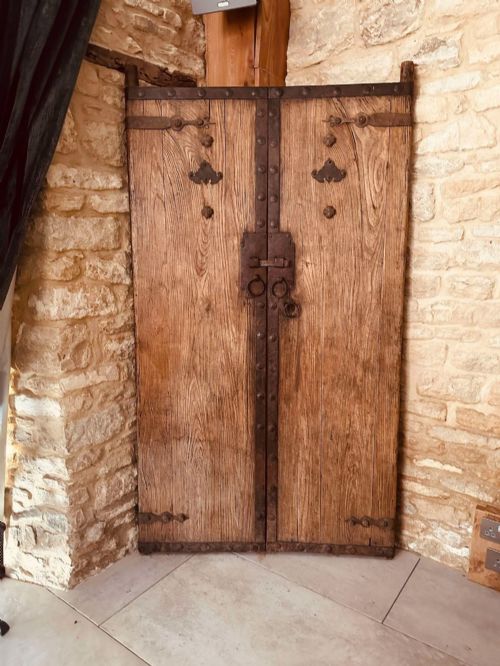
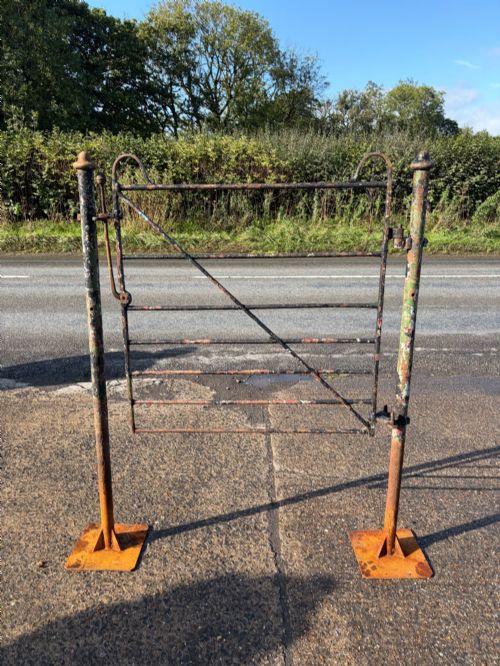
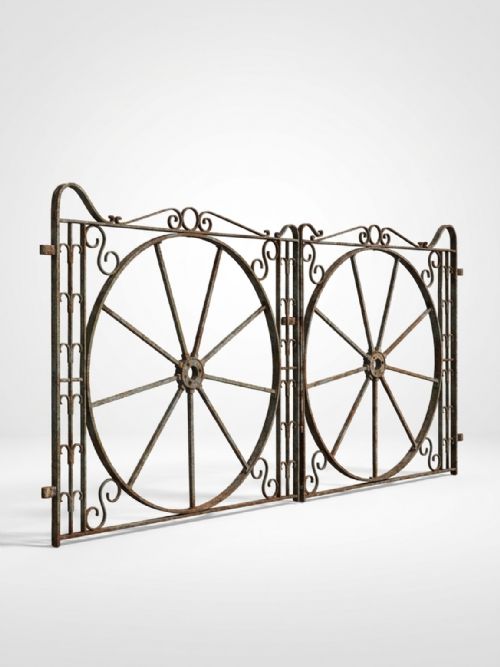
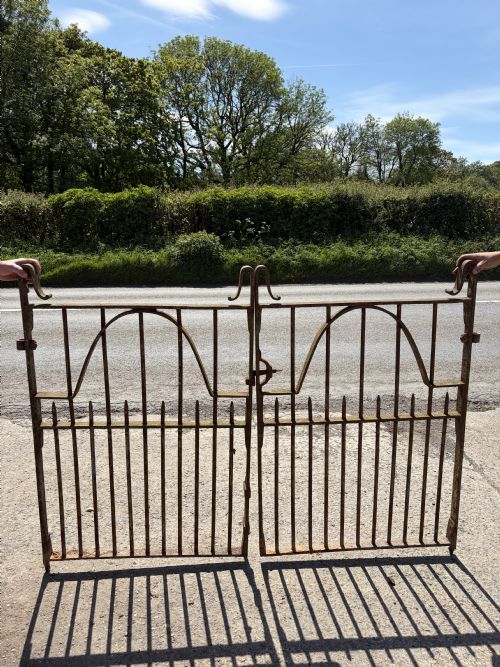
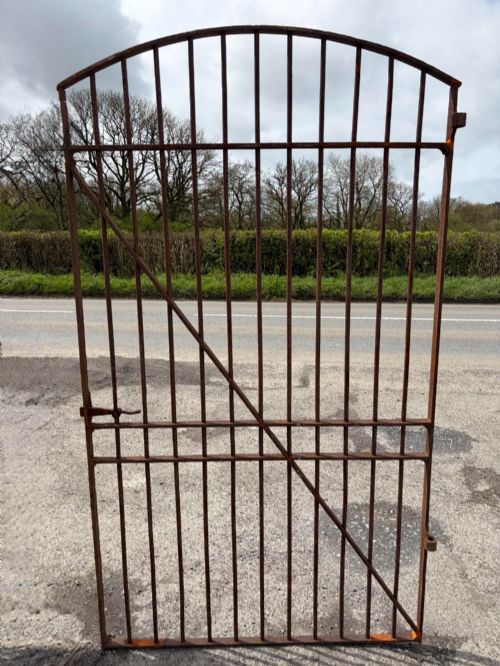
When searching for a 19th century gate, buyers encounter two distinct forms of antique furnishings: heavy architectural ironwork meant for perimeters and timber folding furniture designed for domestic spaces. Architectural examples include single pedestrian field barriers, tall arched pedestrian structures, and massive estate entrances forged from iron. These metal pieces often feature strapwork or riveted construction suited for exterior boundaries.
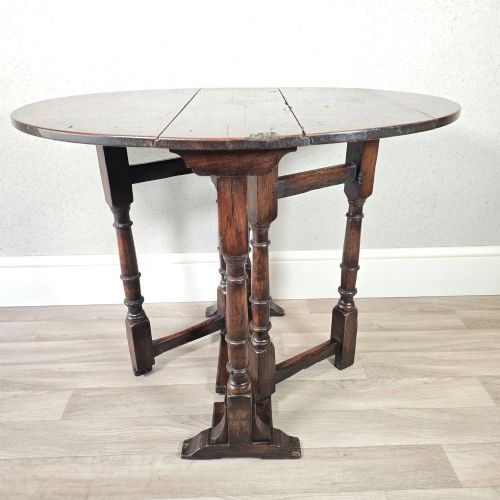
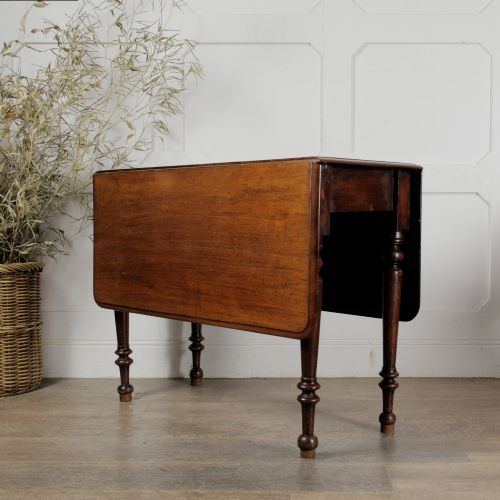
Domestic variations appear frequently alongside exterior hardware under the same general classification. These interior pieces consist primarily of timber folding tables, including oak and walnut gate leg dining tables, occasional tables, and smaller sutherland variations. The nomenclature bridges sturdy outdoor metalwork and flexible indoor folding furniture originating from the same broad era.
Construction and Materials
The exterior metalwork relies on a combination of wrought iron, cast iron, and occasional brass components. Blacksmiths shaped these metals by hand to form strapwork, rivets, and arches for estate barriers. Iron bars were beaten and joined to withstand weather and prolonged outdoor use.
Indoor timber versions utilise hardwoods such as oak, walnut, and mahogany. Carpenters constructed folding table frames with hinged legs that swing outward to support drop leaves, requiring precise joinery to ensure stability when open.
19th Century Gate Retail Price Guide 2026
Typical asking prices for 19th century gate among the pieces listed under this phrase on Sellingantiques today, from the lower quarter to the upper quarter. They describe what is for sale here now, not the wider market.
Listings combine architectural wrought iron with oak and walnut timber folding furniture under the nineteenth century gate category.
Evaluating Quality
Quality in exterior ironwork depends on the heaviness of the metal stock and the complexity of the hand-forged strapwork. Superior architectural pieces display clean riveting and balanced symmetry across large spans, whereas lesser examples rely on simpler welded repairs or thinner gauge iron.
For timber folding tables, superior specimens feature dense grain woods, sturdy hinge mechanisms, and intact original structural timber. Poorer quality often shows excessive warping in the drop leaves or loose joints where the folding legs attach to the frame.
The 19th Century Gate Glossary
- Gate Leg Table
- A table with hinged legs that swing out from the centre to support drop leaves when opened. This form maximises floor space in smaller rooms.
- Wrought Iron
- Iron that has been heated and hammered into shape by a blacksmith. This material resists corrosion better than cast iron and allows for decorative strapwork.
- Strapwork
- Flat bands of metal applied in decorative interlaced patterns across iron gates. This technique reinforces the structure while adding visual ornamentation.
- Cast Iron
- Iron poured into a mould to create rigid components for gates. It offers intricate detail but lacks the fibrous flexibility of hammered metal.
- Sutherland Table
- A narrow drop leaf table with exceptionally slender folding legs and leaves that drop nearly to the floor. It functions well as an occasional piece.
19th Century Gate: Frequently Asked Questions
Are these iron gates suitable for outdoor use?
Most iron gates were built for exterior perimeters and handle outdoor placement well when properly maintained. Protective coatings help preserve the metal against weathering over time.
Buyers should assess the existing condition of the iron before installation outdoors. Regular treatment prevents rust from compromising the original rivets and strapwork.
How do gate leg tables function?
These tables feature hinged gate legs that swing outward like a gate to support folding leaves on either side. This design allows the table to remain compact when leaves drop down.
The swinging leg mechanism requires clear floor clearance and steady placement. Sturdy joints ensure the leaves remain level during daily use.
What is the difference between cast and wrought iron?
Wrought iron is beaten by hand while hot, resulting in a fibrous material that bends rather than snaps. Cast iron is poured into moulds, yielding rigid and detailed structures.
Combined use of both metals often appears in estate gates. Wrought components provide structural strength, while cast elements add decorative detail.
How do I fit a large estate gate?
Large estate gates require sturdy mounting posts and professional installation to support their substantial weight. Measuring clearance and weight distribution ensures proper alignment.
Surrounding masonry or wooden posts must be secured firmly into the ground. This prevents sagging along the hinged sides over years of operation.