

19th Century Garden Antiques
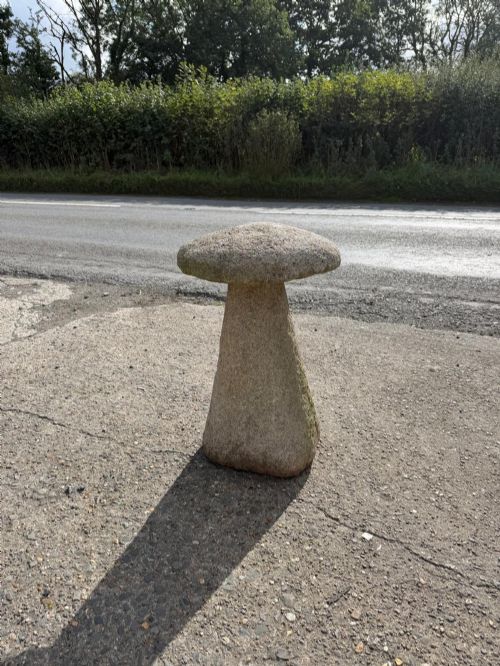
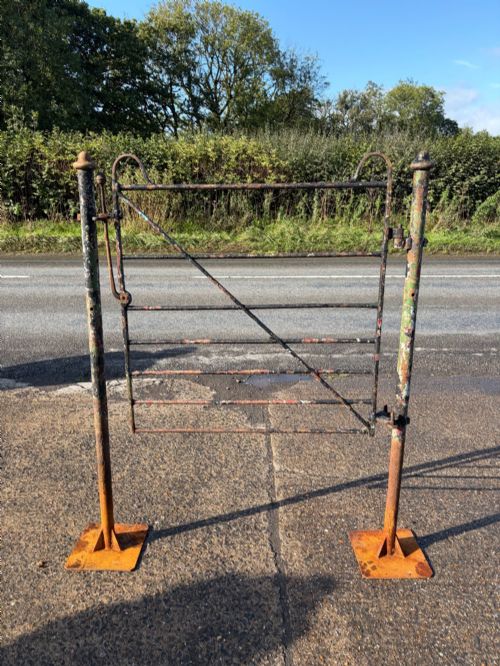
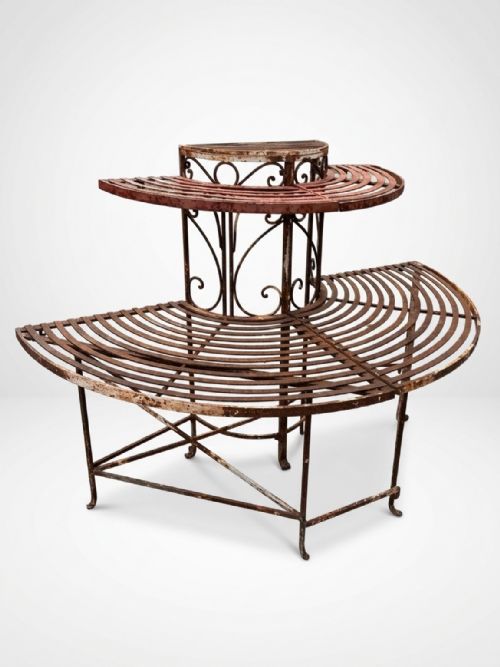
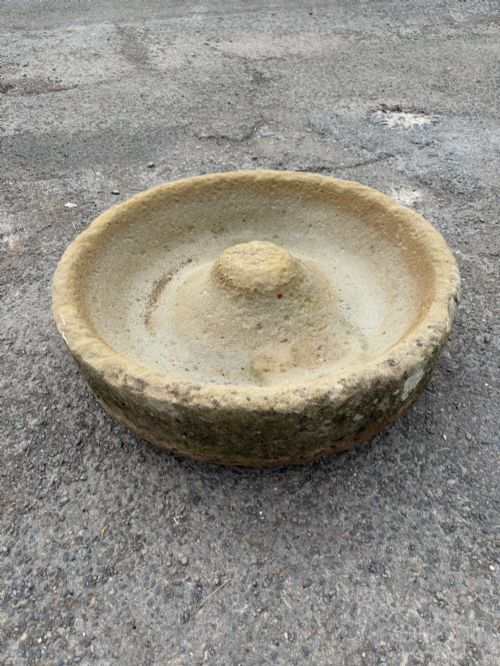
These 19th century garden antiques are period ironwork, terracotta and copper pieces designed to shape and enliven outdoor spaces.
19th Century Garden Antiques
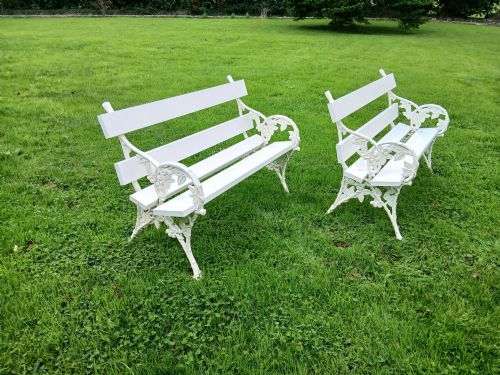
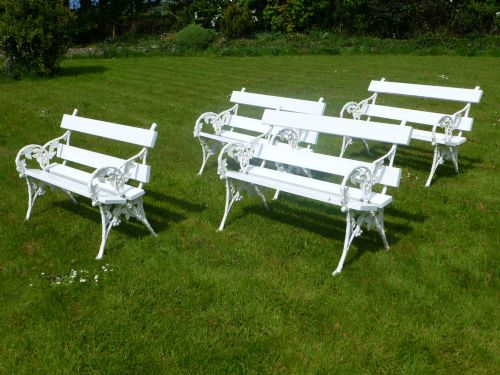
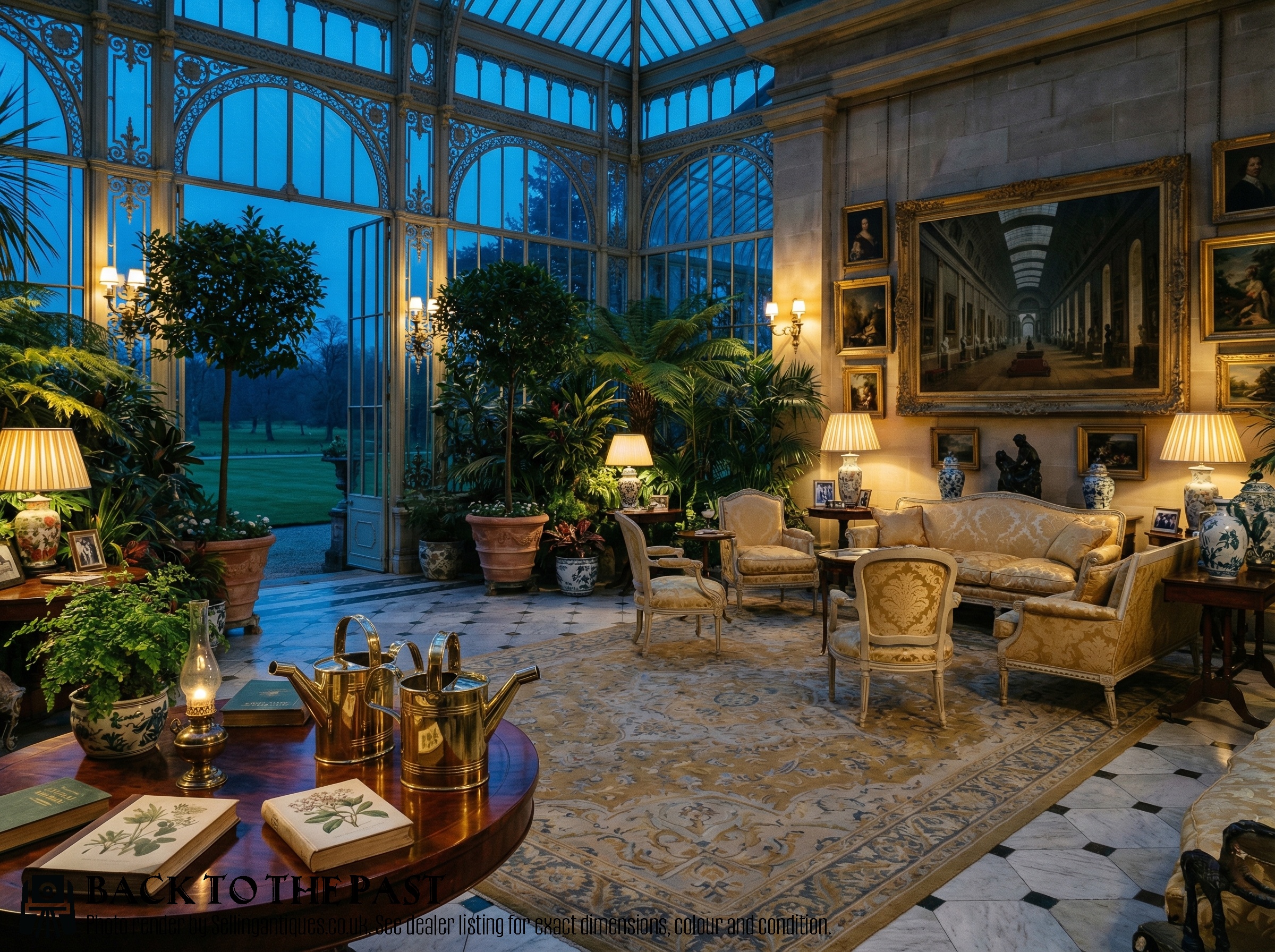
When you search for 19th century garden antiques, you encounter durable outdoor furnishings and vessels spanning Victorian, Regency and French Country styles. The selection centres heavily upon heavy seating, including garden benches and chairs, alongside utilitarian planters and ornamental urns.
The objects serve both practical and decorative functions within grounds and courtyards, ranging from utilitarian salt glazed troughs to monumental campana urns. Many pieces reflect specific regional tastes, balancing industrial metalcasting techniques with rustic charm.
How they were made
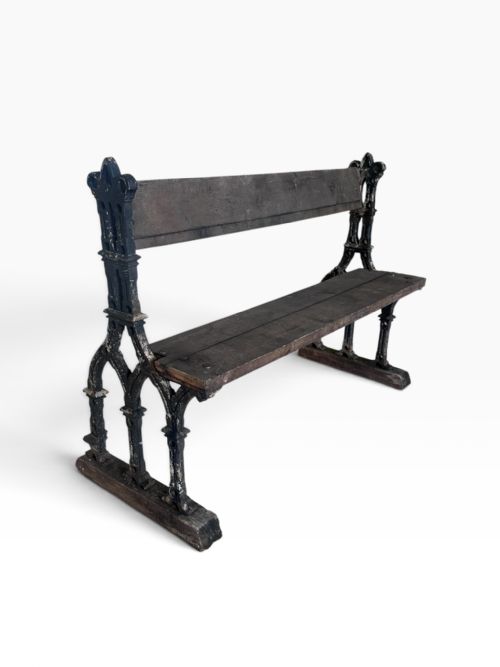
The metalwork relies heavily on cast iron and wrought iron, shaped through foundry casting or manual forging into intricate scrollwork, strapwork, and structural frames. Foundries like Carron and Coalbrookdale poured molten iron into detailed moulds to achieve complex relief patterns on garden benches and urns.
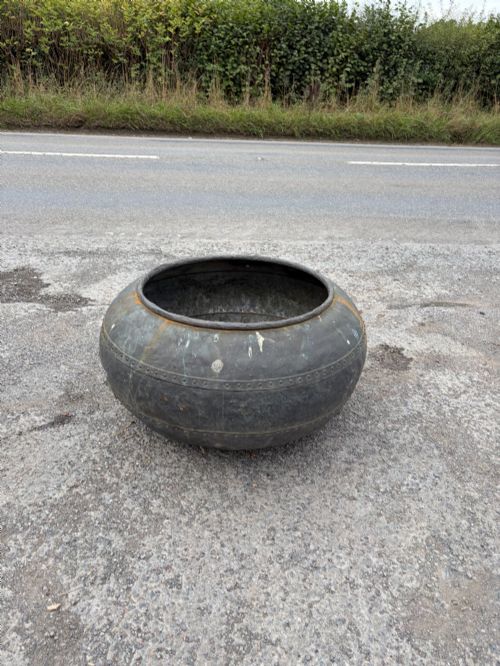
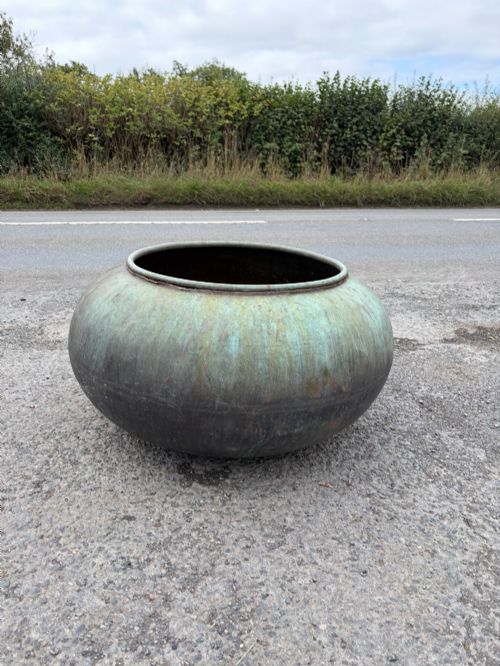
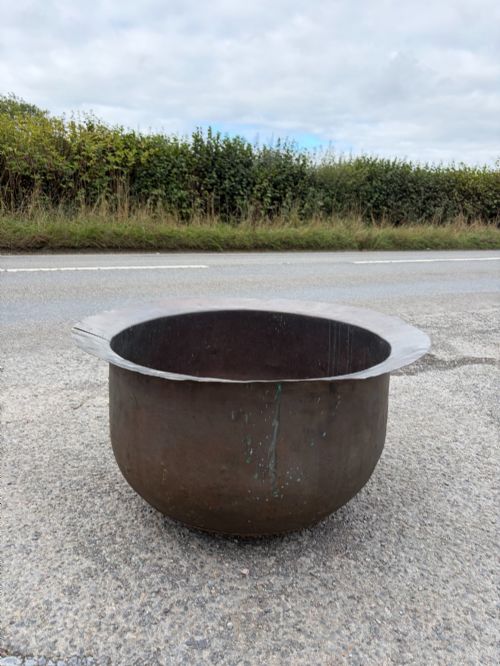
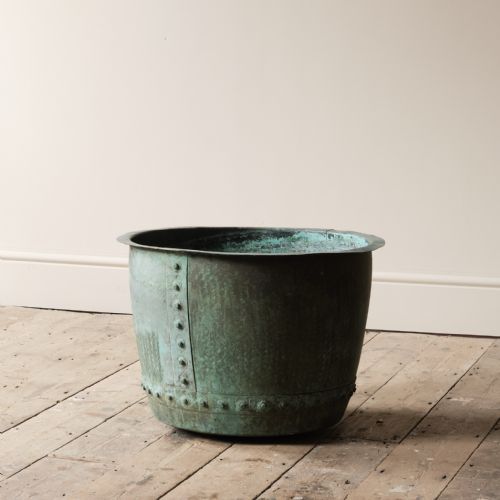
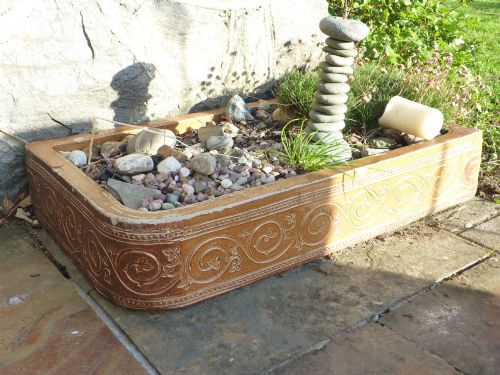
Vessels and planters utilise ceramic materials such as terracotta, salt glazed stoneware, and creamware, often shaped by hand or wheel before kiln firing. Large copper containers employ manual fabrication methods, featuring hand-riveted sheet construction that yields strong, watertight joints.
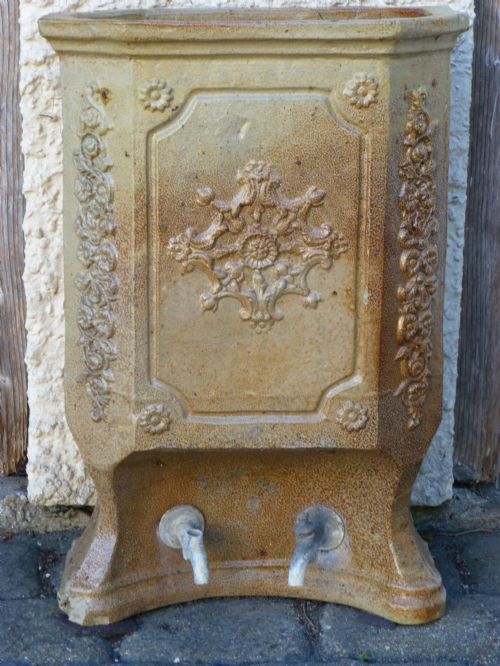
Listings feature 19th century garden antiques spanning cast iron, copper, terracotta, and wrought iron forms.
What varies in quality
The crispness of the casting and the depth of relief detail distinguish superior ironwork from simpler production, particularly on benches and urns where botanical motifs should remain sharp and well-defined. Foundry marks and attribution to recognised makers like Andrew Handyside or Falkirk add considerable weight to a piece.
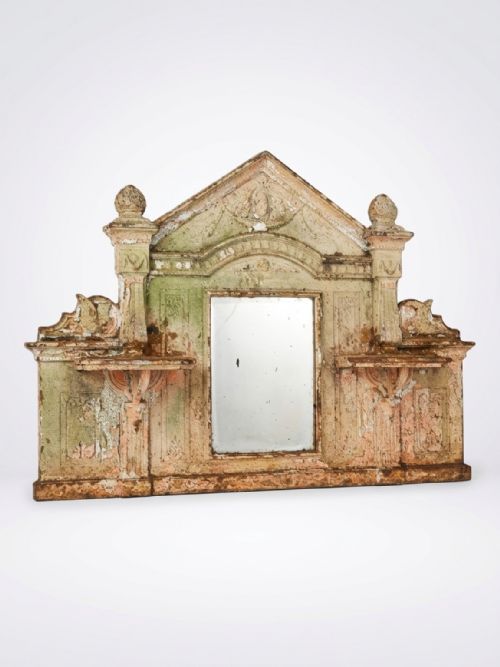
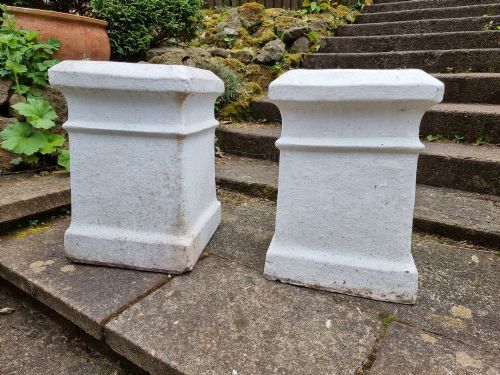
Material preservation and natural weathering dictate the visual appeal of surfaces, where stable verdigris on copper or honest oxidation on iron preserves structural integrity without pitting. The balance of proportions, especially in architectural elements like lions and plinths, determines the overall elegance of the object.
Falkirk Carron Foundry·Carron Foundry·Andrew Handyside·Coalbrookdale
The 19th Century Garden Antiques Glossary
- Campana urn
- A bell-shaped garden vessel originating from classical antiquity, typically mounted on a pedestal and cast in iron or carved in stone.
- Faux bois
- A decorative technique mimicking the texture, grain and knotting of real wood, frequently executed in cast iron or concrete for garden seats.
- Jardiniere
- An ornamental pot or stand designed specifically to hold indoor or outdoor plants and flowers.
- Salt glazed
- A ceramic finish achieved by throwing common salt into the kiln during high-temperature firing, producing a characteristic textured glaze.
- Strapwork
- An ornamental motif composed of flat, interlaced band-like patterns, common in Regency and Victorian metalwork.
19th Century Garden Antiques: Frequently Asked Questions
What materials are common in these antiques?
The listings show a strong presence of cast iron and wrought iron, alongside copper, terracotta, and salt glazed stoneware. Wood and painted elements also appear frequently in seating.
These materials were chosen for their durability outdoors, developing rich patinas over decades of exposure to the elements.
How do I identify a Victorian garden bench?
Victorian garden benches often feature distinct stylistic indicators such as Gothic revival tracery, rustic faux bois branches, or botanical reliefs like leaves and berries. Foundry marks or registry numbers can sometimes be found cast directly into the iron frame.
These pieces typically utilise heavy cast iron construction designed to withstand permanent outdoor placement.
Are these items suitable for outdoor use?
Most of these pieces were engineered specifically for exterior environments, utilising weather-resistant metals like iron and copper or frost-resistant terracotta and stone. Centuries of exposure have often stabilized the materials.
Proper placement on stable ground or plinths helps protect porous ceramics like terracotta from prolonged winter moisture.