
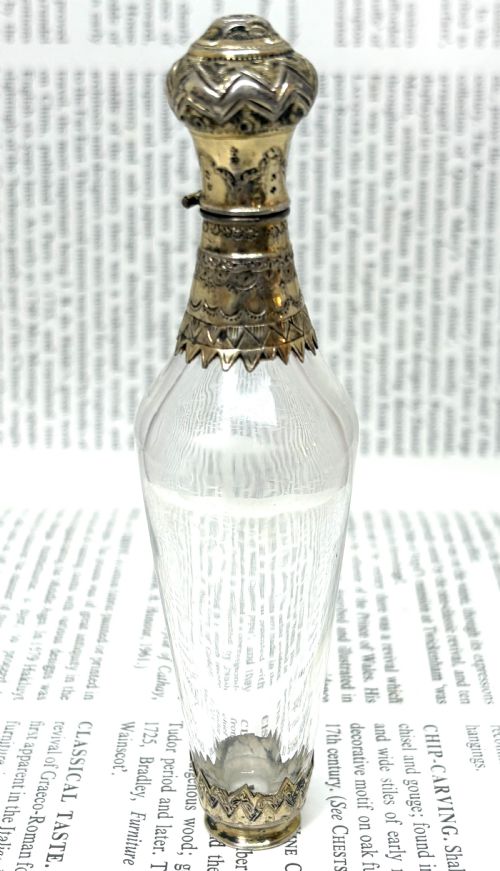


19th Century French Perfume Bottle
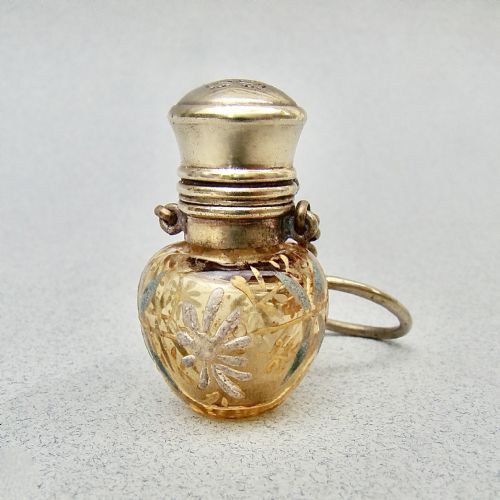
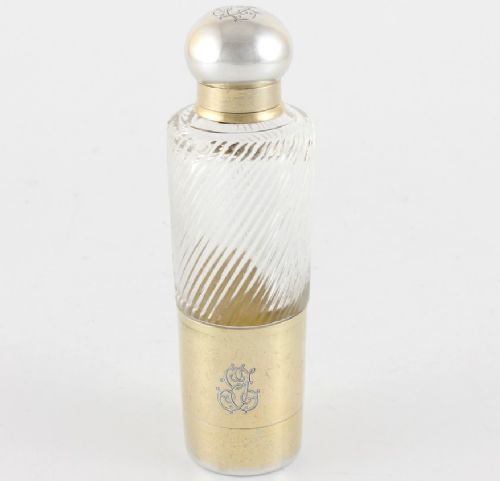
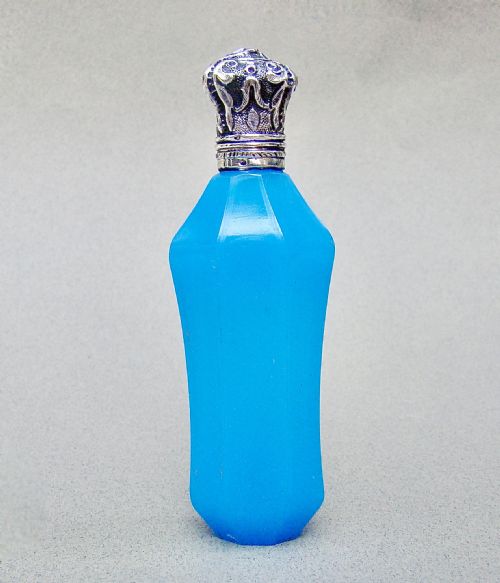
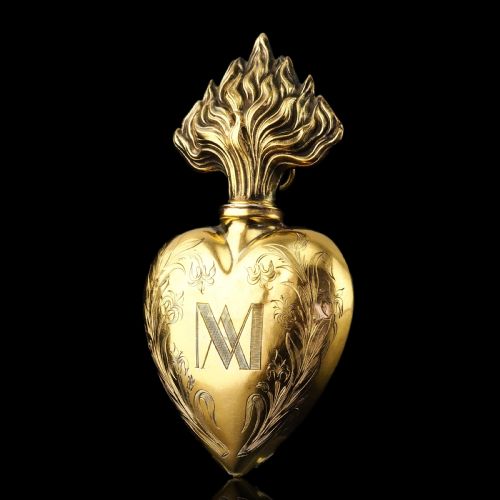
These 19th century french perfume bottle examples combine glass and metalwork to hold fragrance on dressing tables or chatelaines.
19th Century French Perfume Bottle
A 19th century french perfume bottle serves as a small vessel for fragrance, appearing as scent bottles, flasks, and vanity bottles. These pieces stem from various periods including Charles X, Second Empire, and Belle Epoque styles.
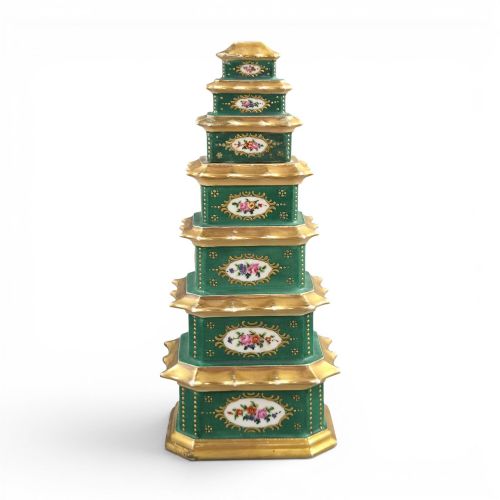
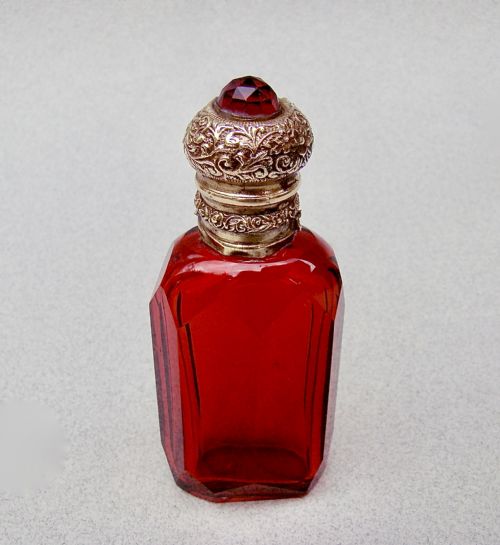
The most common versions on this page combine coloured glass bodies with silver, silver gilt, or ormolu mounts. Collectors also encounter porcelain pagoda bottles, glass spirit barrels on stands, and larger perfume caskets lined to hold multiple items.
Materials and Technique
Glass forms the primary body of these vessels, utilising crystal, ruby, cranberry, amethyst, satin, and opaline glass, often layered or overlaid. Makers applied gold leaf, enamel decoration, and gilded motifs directly onto the glass surfaces.
Metal mounts in silver, silver gilt, vermeil, ormolu, brass, and bronze secure the necks and stoppers. Skilled artisans carved fruitwood for boxes or shaped porcelain for figural and pagoda designs.
Listings feature glass, silver, gold leaf, enamel, vermeil, ormolu, brass, and fruitwood across Victorian, Charles X, and Belle Epoque styles.
Evaluating Standards
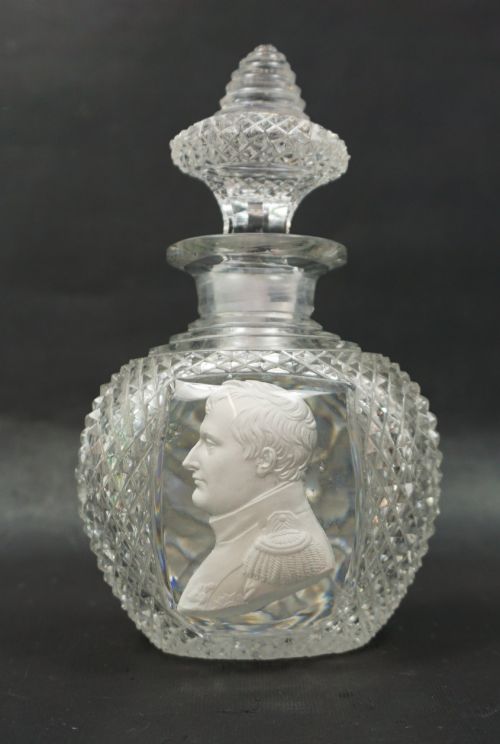
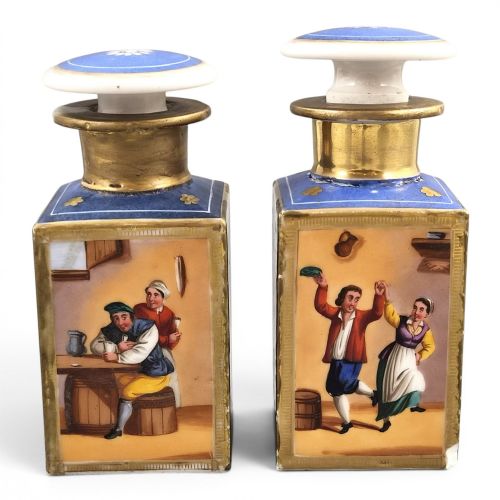
The sophistication of the glasswork distinguishes finer examples, particularly multi-layered cased glass and detailed sulphide portraits. Hand-painted scenes and precision in enamel work elevate individual pieces above standard production items.
The execution of the metal mounts dictates overall calibre, where chased ormolu and substantial silver housings demonstrate superior craftsmanship. Original stoppers and fitted caskets further enhance the integrity of the object.
Tonnel Paris·Jacob Petit
The 19th Century French Perfume Bottle Glossary
- Opaline glass
- An opaque or translucent glass developed in France, frequently tinted in shades of blue or turquoise. It provides a smooth surface well suited to gilding.
- Ormolu
- A gilt bronze technique applied to metal mounts and stands. It gives a rich gold finish to decorative hardware.
- Chatelaine
- A decorative belt hook worn with chains to suspend small items like scent bottles and pill boxes. It allowed personal accessories to be carried easily.
- Silver gilt
- Silver coated with a thin layer of gold on the surface. This treatment combines the strength of silver with the warm appearance of gold.
- Sulphide
- A small white cameo plaque encased within clear glass. These portraits depict historical figures such as Napoleon.
19th Century French Perfume Bottle: Frequently Asked Questions
What are 19th century french perfume bottles made of?
These vessels combine glass bodies with metal mounts in silver, silver gilt, or ormolu. Glass varieties include opaline, ruby, crystal, and layered overlay.
Additional materials include porcelain, enamel, gold leaf, and carved fruitwood found in larger perfume caskets.
How were chatelaine scent bottles used?
Chatelaine scent bottles hung from decorative waist chains alongside other small vanity items. This allowed owners to carry fragrance conveniently throughout the day.
Many of these specific bottles feature rings or chains designed for attachment to a chatelaine hook.
How do I identify Charles X pieces?
Charles X items date to the 1820s and 1830s, displaying distinct neoclassical influence combined with early romantic details. Look for bronze-mounted glass barrels on stands and structured gilt bronze mounts.
These pieces often show clean architectural lines distinct from later flamboyant Second Empire designs.
What is opaline glass?
Opaline glass is an opaque material produced in various pastel and deep colours during the nineteenth century. It forms the smooth body of many vanity bottles and caskets.
Artisans frequently decorated these surfaces with applied gilding or hand-painted scenes.