



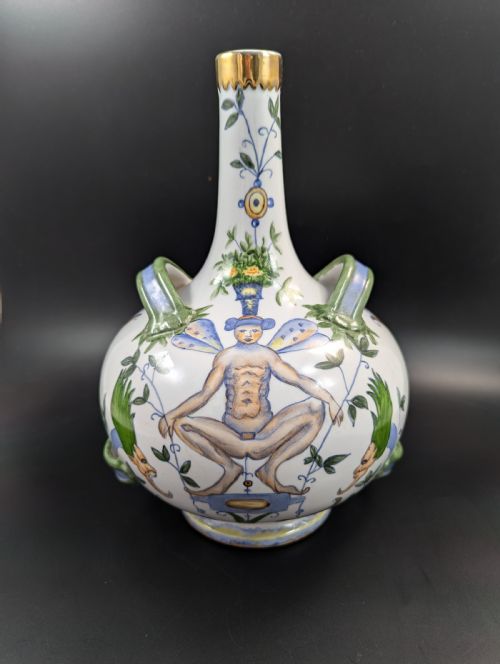

19th Century French Faience
These 19th century french faience pieces are tin-glazed earthenware objects carrying painted regional designs that bring colour and historic craft into a room.
19th Century French Faience
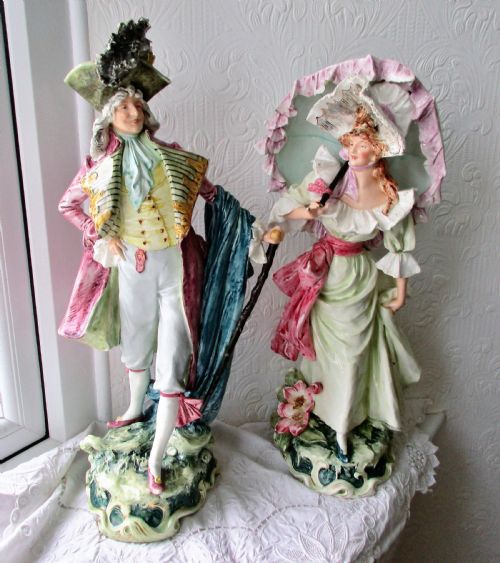
When you search for 19th century french faience, you encounter glazed ceramic items ranging from decorative vases and umbrella stands to wall plaques, figurines, and water pitchers. These pieces originate from historic manufacturing centres across France, including Desvres, Gien, Quimper, and Rouen.
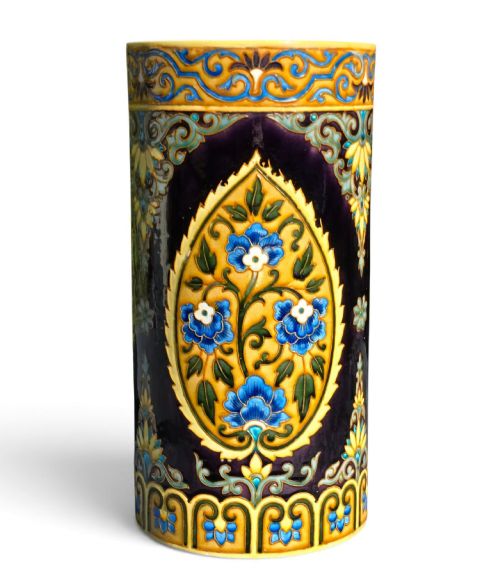
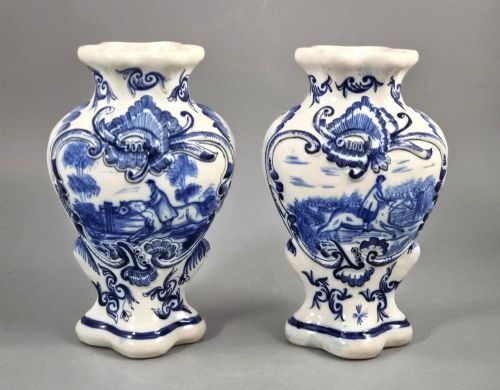
The objects on this page span the nineteenth century and incorporate regional styles such as French provincial, Rococo revival, and Iznik revival. Common domestic and decorative forms include serving platters, vide-poche dishes, jardinieres, and oil lamps mounted on bronze.
How they were made
Potters shaped these objects from earthenware or porcelain bodies before applying a tin-glaze that provided a smooth, opaque white background for painted decoration. Artisans then brushed polychrome or manganese blue pigments directly onto the unfired or fired glaze.
Makers often integrated metal mounts in bronze for table lamps and urns, combining ceramic bodies with cast metal components. Workshops utilised distinct regional moulding techniques and hand-painting traditions to produce both utilitarian wares and ornamental display items.
19th Century French Faience Retail Price Guide 2026
Typical asking prices for 19th century french faience among the pieces listed under this phrase on Sellingantiques today, from the lower quarter to the upper quarter. They describe what is for sale here now, not the wider market.
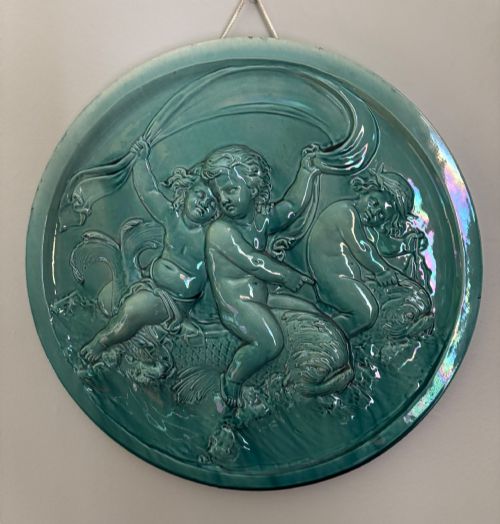
The inventory includes functional domestic forms alongside sculptural animal figures and architectural wall plaques.
What varies in quality
Quality in these ceramics rests upon the precision of the hand-painting, the clarity of the tin-glaze, and the ambition of the moulded form. Pieces featuring intricate mythological scenes, armorial details, or complex figural modelling represent the upper tier of production.
Subtlety in brushwork and depth of polychrome or blue and white pigment distinguish major pottery houses from smaller regional kilns. The integration of bronze mounts and the overall crispness of relief decoration further separate standard domestic items from exhibition-grade works.
Théodore Deck·Fourmaintraux-Courquin·Clement Messier·Gien·Niderviller·HR Quimper·Jules Vieillard
The 19th Century French Faience Glossary
- Faience
- Tin-glazed earthenware produced in France and other European countries. This ceramic type allows for painted decoration applied directly to the opaque white glaze.
- Tin-Glazed Earthenware
- Pottery fired with a lead glaze made opaque by the addition of tin oxide. This surface serves as a canvas for underglaze painting.
- Vide-Poche
- A small shallow dish designed for emptying pockets of loose items such as coins or keys. These decorative trays often feature fretted rims or hand-painted motifs.
- Jardiniere
- An ornamental ceramic container designed to hold potted plants or flowers. Examples often display dragon handles, heraldic motifs, or polychrome floral patterns.
- Polychrome
- Decoration employing multiple distinct colours painted onto the ceramic surface. This technique contrasts with single-colour manganese blue or cobalt designs.
19th Century French Faience: Frequently Asked Questions
How do I clean 19th century french faience?
Dust these glazed ceramic surfaces gently with a dry microfibre cloth. Avoid soaking or using abrasive detergents that might harm historic tin-glazes.
Water can penetrate hairline cracks in older earthenware bodies. Keep pieces away from direct moisture and damp environments.
Where were these ceramics made?
Production centres spread across France, including Rouen, Quimper, Gien, Desvres, and Niderviller. Each region developed distinct painting styles and local forms.
Towns like Bavent in Normandy specialised in specific sculptural items such as ceramic animal figures.
What is the difference between faience and porcelain?
Faience is tin-glazed earthenware with an opaque white surface designed for painted decoration. Porcelain uses a vitrified, translucent body fired at higher temperatures.
Earthenware pieces have a porous clay body beneath the glaze, whereas true porcelain remains completely non-porous.
How do I identify regional styles?
Study the colour palette, brushwork, and subject matter characteristic of specific French potteries. Quimper wares often feature regional figures, while Rouen designs showcase dense lambrequin motifs.
Maker marks, painted signatures, and impressed stamps on the base provide definitive attribution to specific workshops.