

19th Century French Drawers
When exploring 19th century french drawers, you encounter walnut commodes and mahogany chests offering both generous storage and refined continental elegance.
19th Century French Drawers
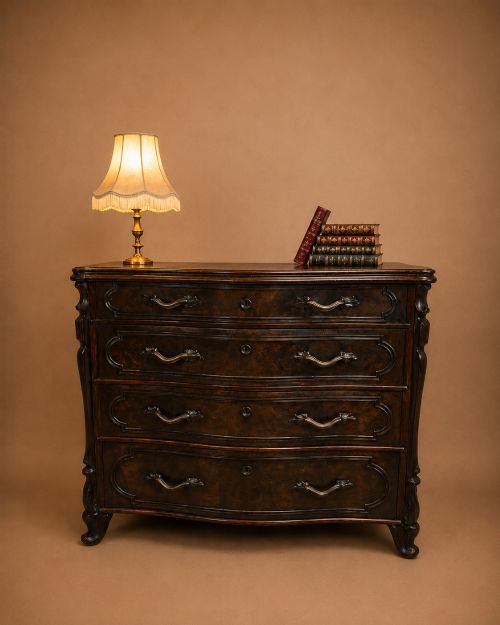
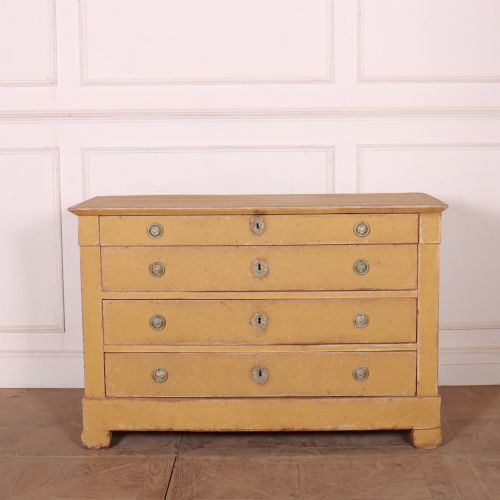
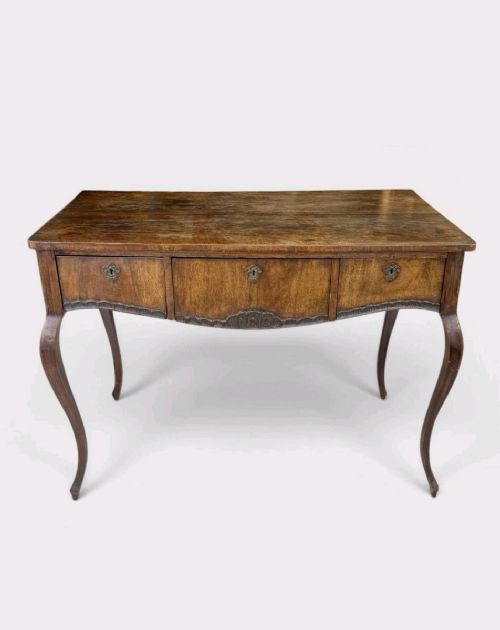
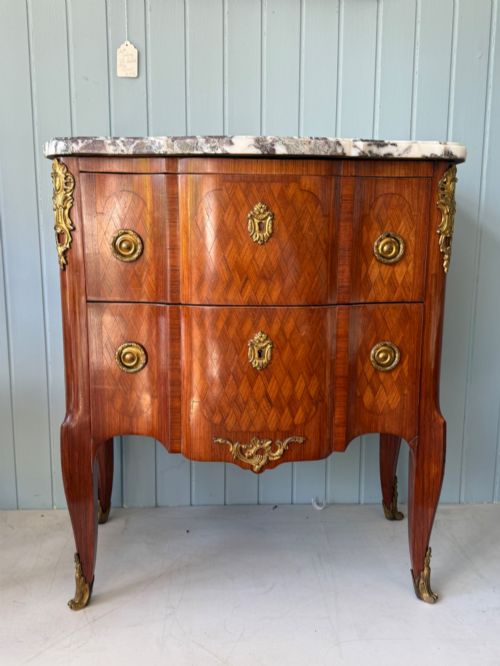
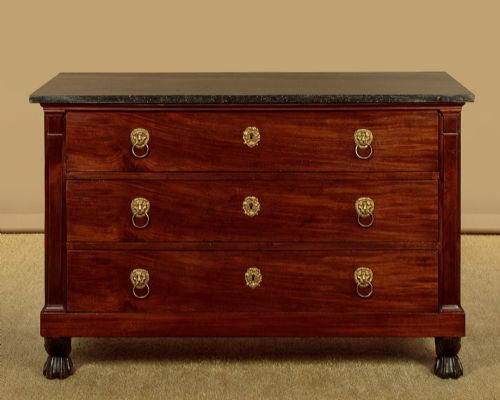
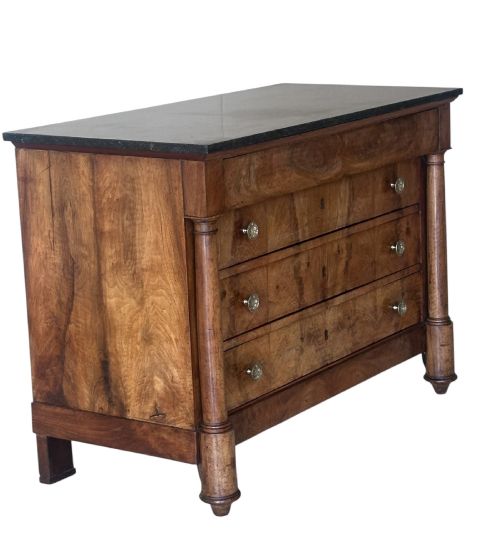
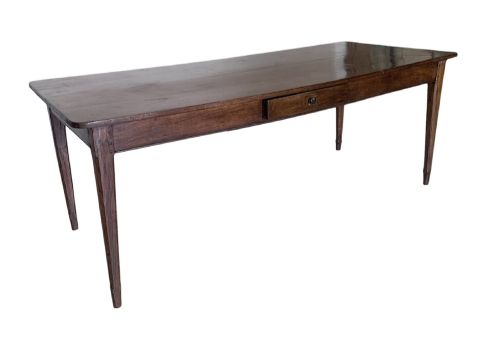
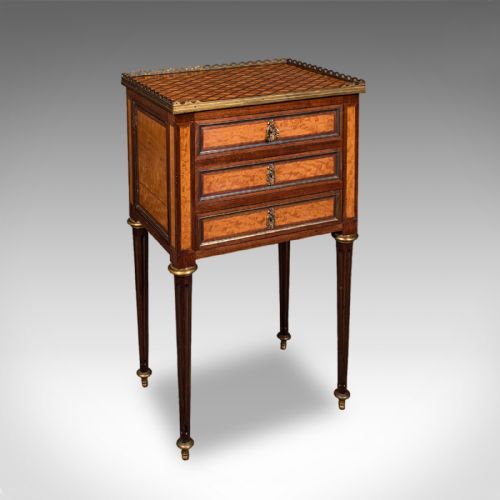
When searching for 19th century french drawers, buyers typically encounter commodes, bedside cabinets, and tall chests originating from various regional workshops and Parisian ateliers. The selection ranges from severe Louis Philippe designs to elaborate marquetry bombe commodes and simple provincial fruitwood pieces.
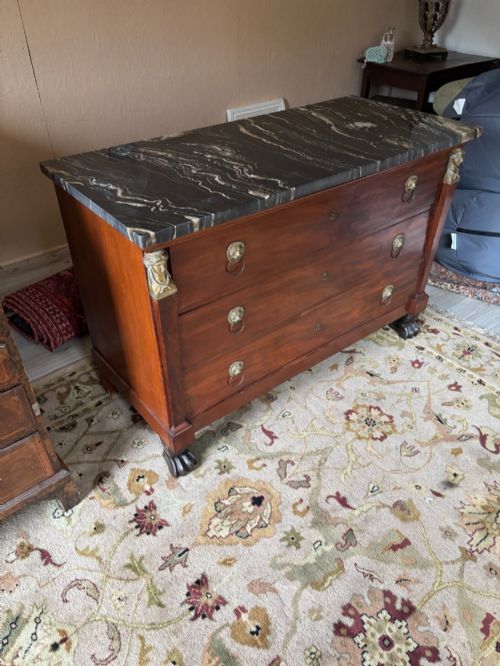
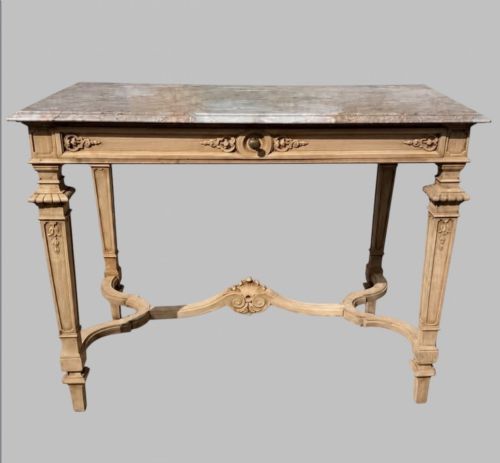
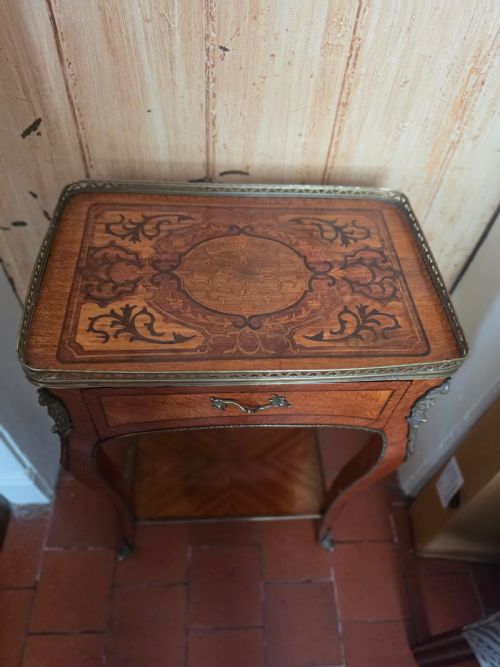
Most examples function as storage furniture for bedrooms or living spaces, frequently featuring heavy marble tops in grey or white marble. These items reflect the shifting aesthetic movements of the eighteen-hundreds, encompassing Empire, Louis XVI Revival, and rustic farmhouse traditions.
How they were made
Cabinetmakers utilised solid timbers and veneers, building carcases from oak, pine, or chestnut while applying decorative faces of walnut, mahogany, and kingwood. Drawer construction typically relies on hand-cut dovetail joints, reflecting traditional joinery methods of the period.
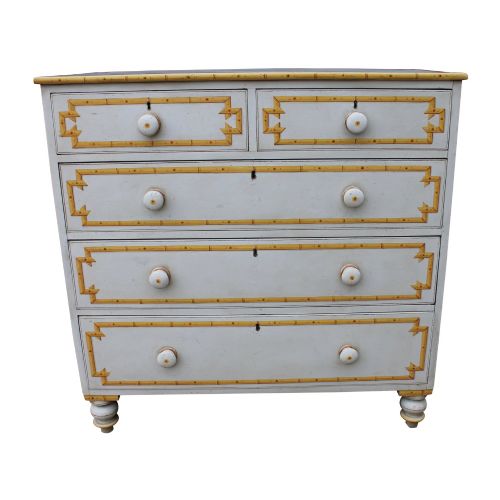
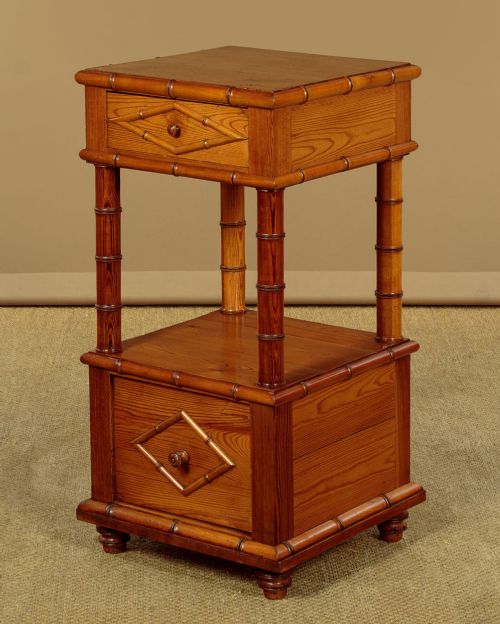
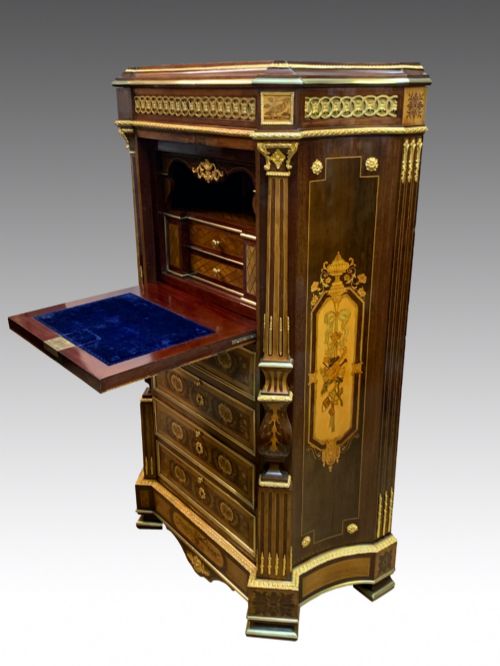
Surface ornamentation involved cast or gilt bronze and brass mounts known as ormolu, alongside intricate marquetry and parquetry inlay patterns. Tops frequently incorporated fitted slabs of polished marble, whilst painted finishes and faux bamboo turned elements appeared in lighter decorative interpretations.
Listings feature 19th century periods alongside specific materials including walnut, mahogany, oak, pine, and marble.
What varies in quality
Quality differences stem from the precision of the cabinetmaking and the selection of timber figures, where book-matched veneers and dense hardwoods distinguish finer metropolitan pieces from rustic country workshop output. The weight and finish of the marble top also indicate grade, alongside the crispness of cast ormolu mounts and the smoothness of drawer operation.
Structural integrity depends upon the original thickness of drawer linings and the preservation of secondary timbers such as oak and pine. Pieces retaining original hardware, locks, and keys command greater appreciation among collectors than those with later replacements.
Maison Krieger
The 19th Century French Drawers Glossary
- Commode
- A low chest of drawers or cabinet developed in France during the seventeenth century and widely produced throughout the eighteen-hundreds. They often feature marble tops and decorative veneer work.
- Bombe
- A swelling, convex curved shape applied to the front and sides of case furniture. This undulating form requires advanced woodworking skill to execute properly.
- Ormolu
- Gilt bronze mounts applied to furniture for decorative accent. The technique involves a mercury gilding process producing a rich metallic lustre.
- Marquetry
- Decorative patterns formed by fitting together thin pieces of wood veneer onto a carcase structure. Craftsmen used various tinted and exotic woods to create pictorial or geometric designs.
- Secretaire
- A cabinet incorporating a writing surface, often hidden behind a drop-front panel or upper drawer. These multifunction forms provided private space for correspondence.
19th Century French Drawers: Frequently Asked Questions
How do I identify a marble top commode?
Marble top commodes feature thick stone slabs fitted directly to the upper carcase, usually shaped to follow the serpentine or straight lines of the timber structure below.
These tops protected the wood underneath and provided a durable surface for washing or display in bedrooms and salons.
Where were provincial pieces made?
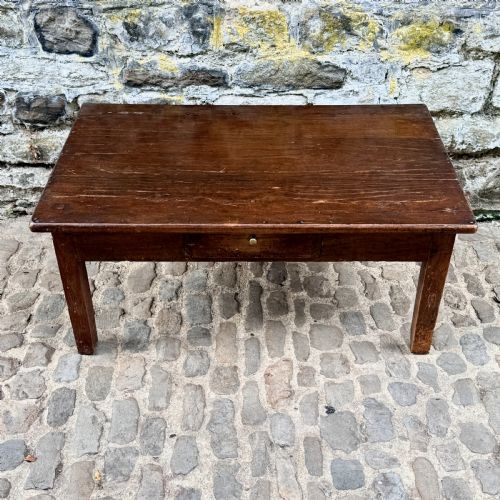
Provincial furniture was produced in regional French areas outside Paris, such as Alsace or general country workshops, utilising local timber species.
These regional items often relied on fruitwood, oak, or cherry rather than imported mahogany or exotic marquetry veneers.
How do I care for antique French drawers?
Maintain these items by keeping them away from direct heat sources and sudden humidity changes that cause timber and veneer to crack.
Apply occasional microcrystalline wax to nourish polished wood surfaces and clean marble gently with warm water.