
19th Century Framed Picture
A 19th century framed picture brings the character of Victorian and Regency parlours directly to a modern wall.
19th Century Framed Picture
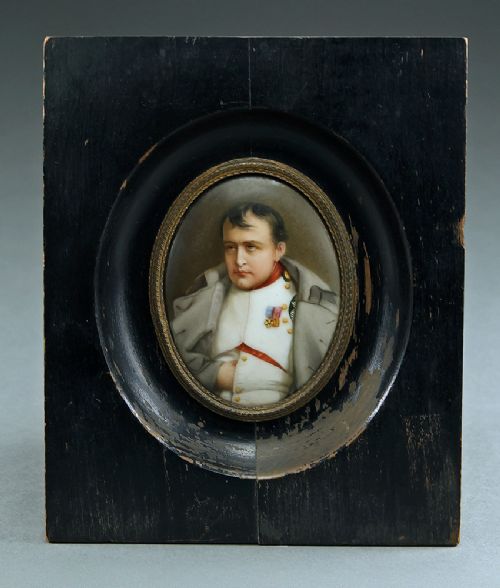
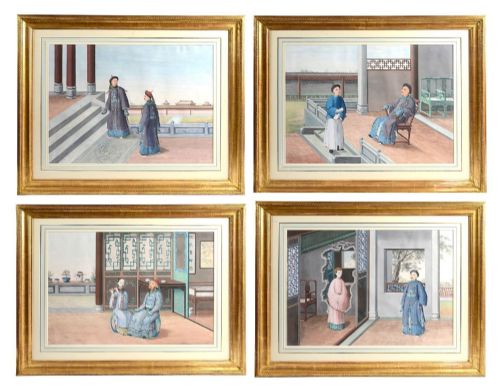
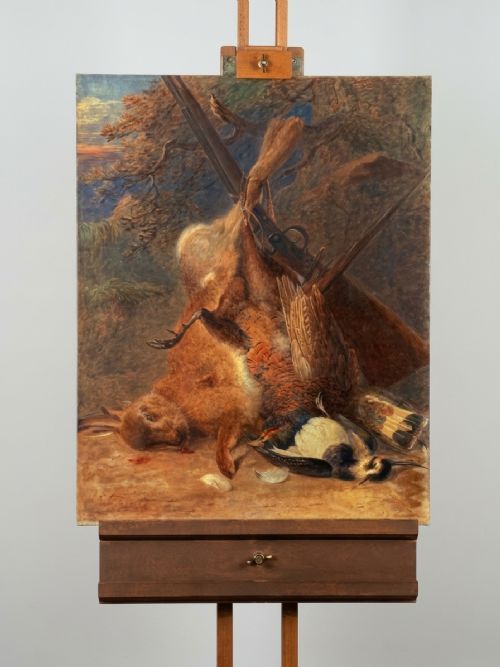
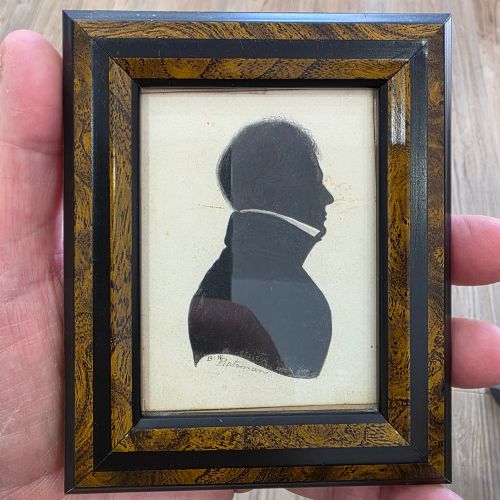
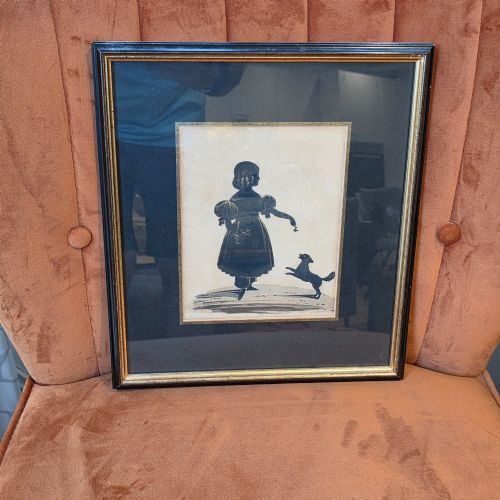
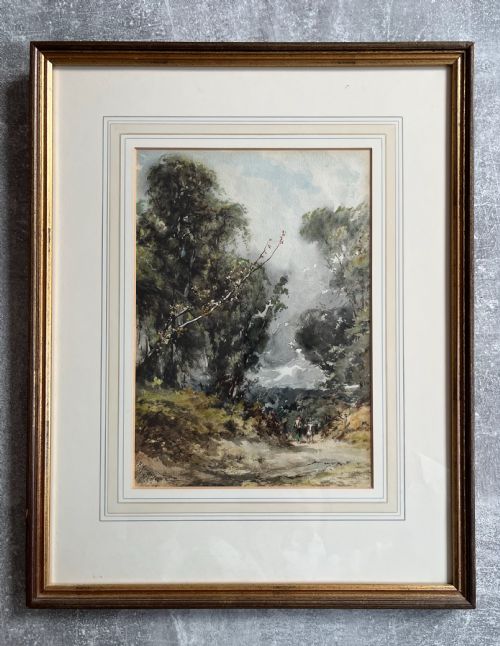
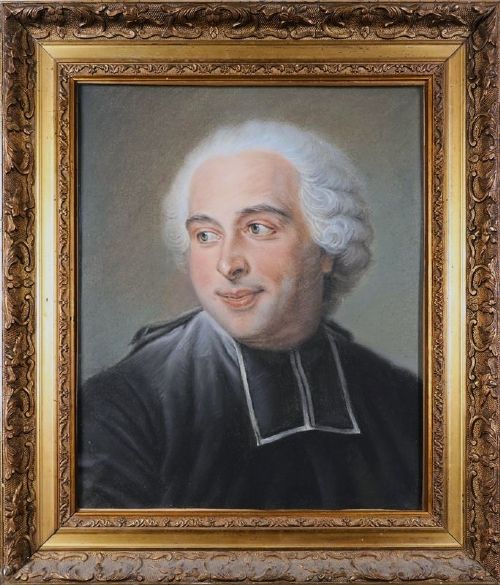
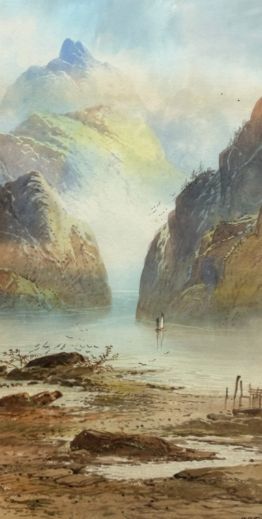
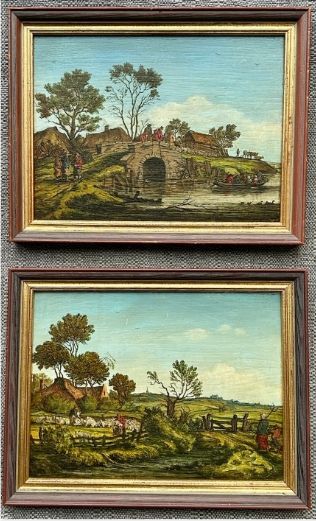
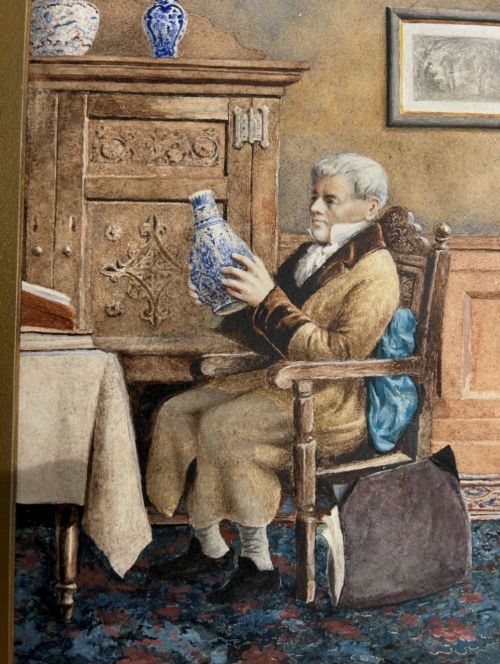
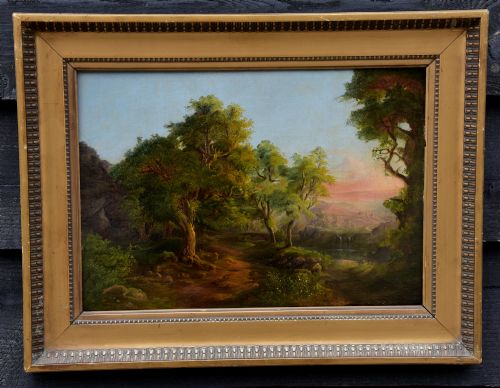
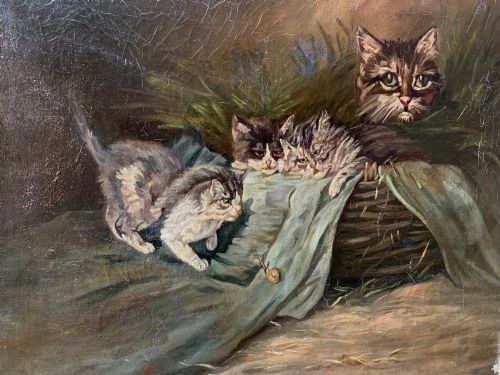
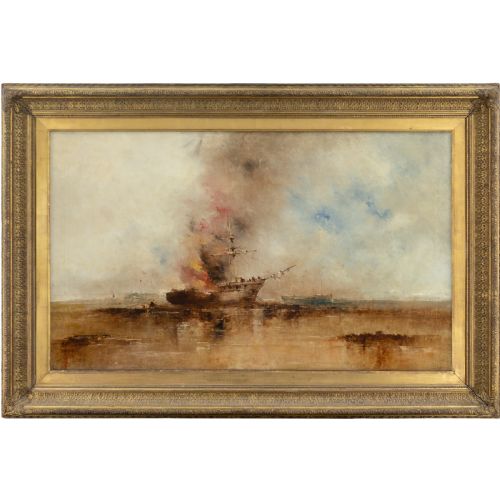
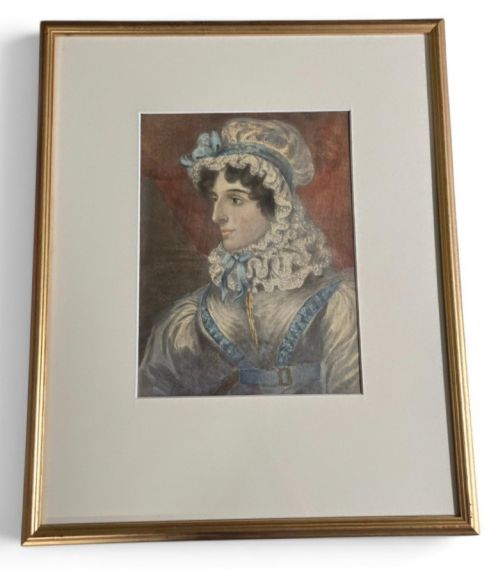
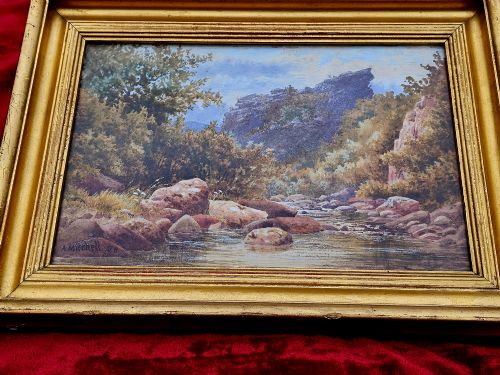
When you search for a 19th century framed picture, you encounter a diverse array of wall art spanning oil paintings, watercolours, silhouettes, and textile works. The selections on this page range from detailed botanical studies and landscape oil paintings to cut-paper silhouettes and needlework pictures housed in period surrounds.
You are most likely to meet Victorian and Regency examples, alongside specific regional schools such as the 19th Century French School and Flemish style panels. These works capture everything from tranquil Scottish landscapes and country house interiors to intimate portraiture and botanical subjects.
Materials and Technique
The physical construction relies on traditional substrates including canvas, wood panels, paper, and card, upon which artists applied oil paint, watercolour, pastel, or ink. Needlework and textile creations such as Berlin work and plushwork utilise coloured threads and fabrics mounted within rigid frames.
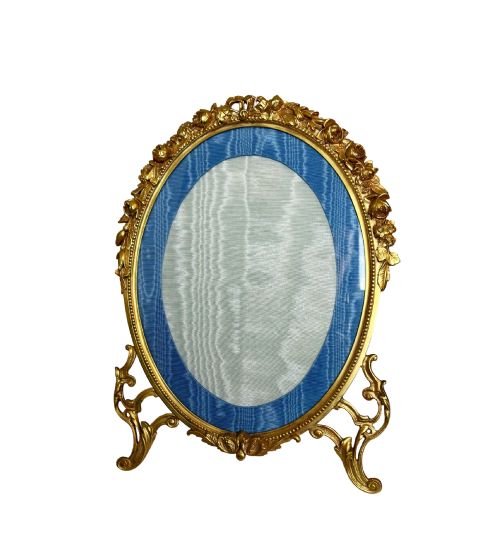
Frames and mounts are constructed from timber such as rosewood and burr maple, finished with gold leaf, giltwood, or simple dark mouldings like Hogarth frames. Glazing with period glass protects delicate watercolours, silhouettes, and prints from environmental wear.
The period selection spans from Regency watercolours through mid-Victorian landscapes to late 19th-century French and Flemish school oils.
Distinctions in Quality
Quality rests upon the skill of the execution, whether in the confident brushwork of a listed landscape painter or the precise cutting of a silhouette portrait. Works by identified artists or established academies demonstrate superior draughtsmanship and compositional depth compared to anonymous student pieces.
The preservation of the original framing material heavily influences the integrity of the piece. Surviving in a matching period burr maple, rosewood, or gilded frame elevates the overall cohesion and historical authenticity of the artwork.
William James Hubard·George Fotherly Hargitt·Maurice Quentin de la Tour·William Henry Earp·Henry Stacy Marks·Edward Bradford·Alfred Fontville de Breanski Jr·Edward Mills·Stephen Samuel Lewin·David Bates·Leon Sprinck·William Powell Frith·Benjamin Barker of Bath·Vincent Clare·Walter Heath Williams·Augustin Edouart·Robert Thorne Waite·Howard Helmick·Francis Moltino
The 19th Century Framed Picture Glossary
- Silhouette
- A solid black or dark profile portrait, typically cut from paper or painted on card. These are often highlighted with gold leaf or watercolour details.
- Berlin work
- A type of coloured needlework embroidered on canvas using a charted pattern. This technique gained immense popularity during the Victorian era for domestic wall art.
- Giltwood
- Wood that has been treated with a thin layer of gold leaf or gold paint. It frequently appears on ornate picture frames from the period.
- Hogarth frame
- A distinctive narrow wooden picture frame with an inner profile curve, finished in dark tones. It is commonly found on Georgian and 19th-century engravings and prints.
- Plushwork
- A raised embroidery technique using looped yarn that is sheared to create a velvety texture. It is seen in decorative animal subjects like the Victorian pheasant.
19th Century Framed Picture: Frequently Asked Questions
How do I identify a Victorian watercolour?
Victorian watercolours often exhibit soft washes of colour depicting landscape, botanical, or genre scenes on heavy, textured paper. They frequently bear signatures, dates, or inscriptions relating to the artist or location.
Examining the back often reveals period framer labels, old handwriting, or discoloured backing paper that confirms its nineteenth-century origin.
Are these frames original to the artwork?
Many pieces retain their original period frames, such as gilded wood, rosewood, or burr maple surrounds chosen specifically for the artwork. The fit, ageing of the wood, and matching wear patterns generally indicate whether a frame has belonged to the piece for generations.
Replacements do occur over time, but finding an artwork housed in its contemporaneous Hogarth or gilt frame preserves its historical context.
How should I care for a framed textile picture?
Textile works such as needlework pictures and Berlin wool work require protection from direct sunlight to prevent the fading of coloured threads. Keeping them away from excessive moisture and fluctuating temperatures safeguards the delicate fibres and backing materials.
Displaying them on interior walls with stable humidity ensures the fabric and the surrounding wooden frame remain preserved for the future.