



19th Century Flower Stand
These 19th century flower stand designs elevate greenery indoors and out, bringing sculptural presence and period craftsmanship to any room.
19th Century Flower Stand
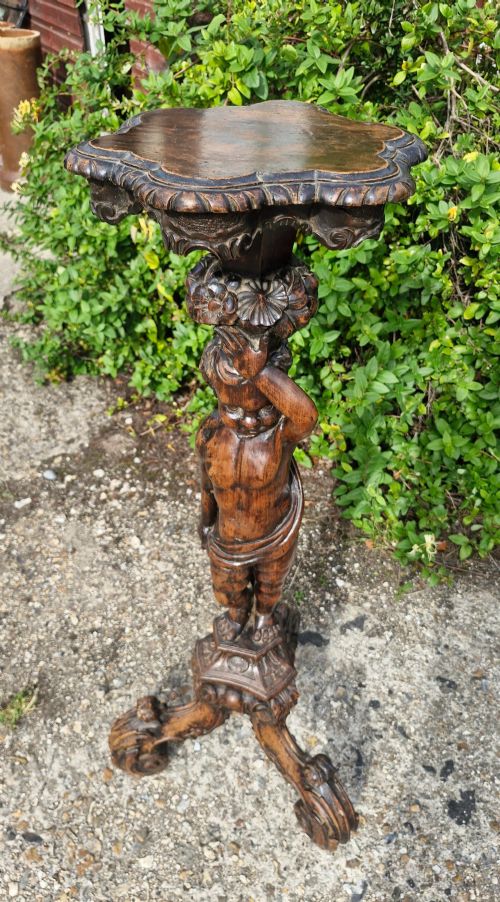
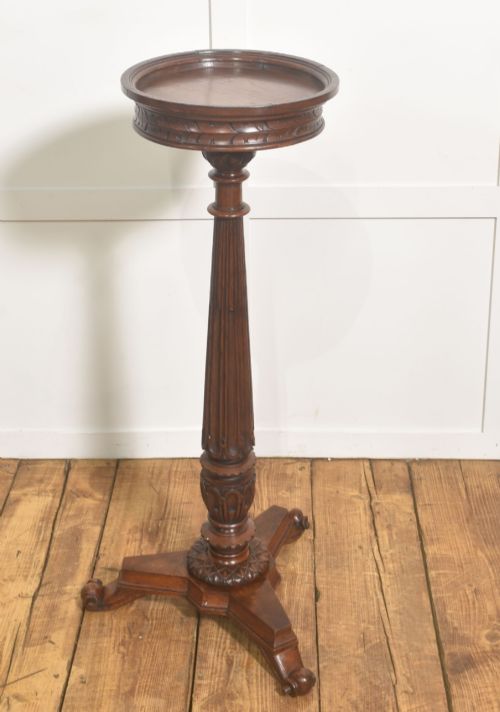
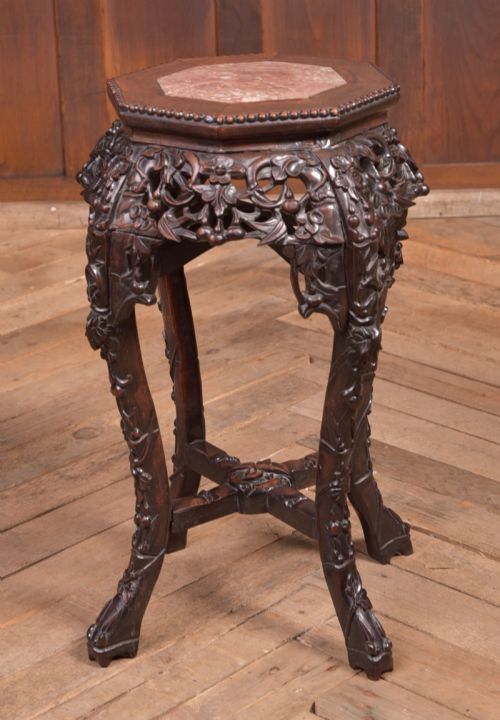
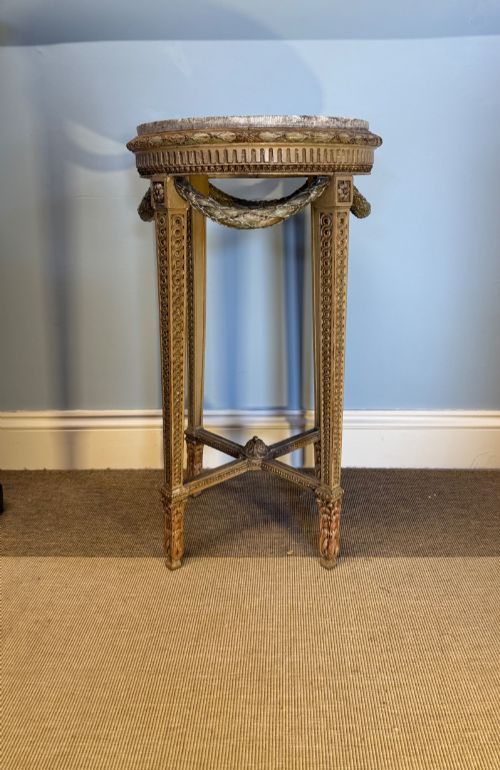
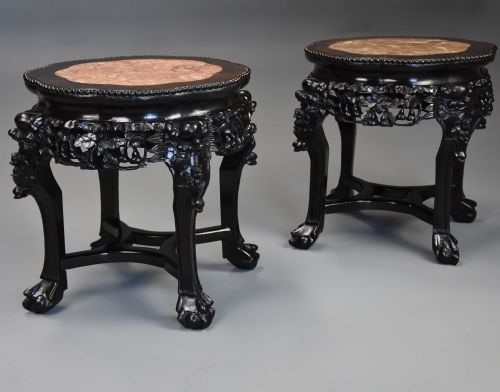
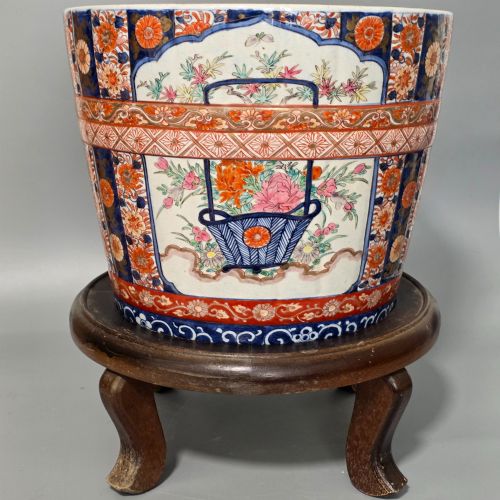
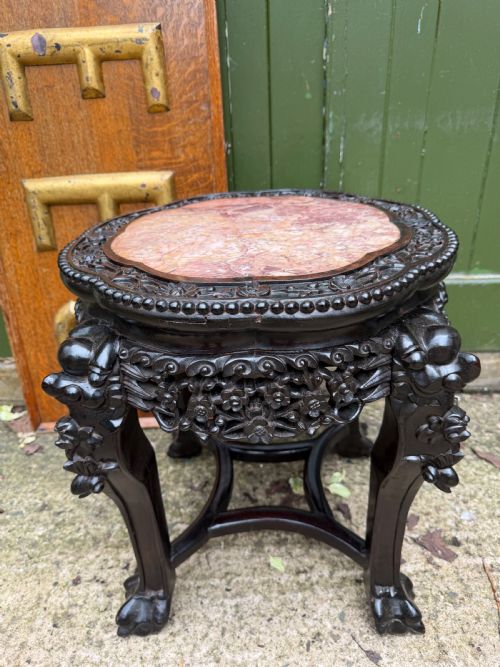
Makers produced these pieces as pedestals, low tables, and tiered stands designed to support heavy planters while displaying natural materials. Buyers encounter everything from French marble-top side tables to intricate oriental hongmu vase stands dating from the nineteenth century.
How they were made
Craftsmen utilised dense woods such as walnut, rosewood, and hardwood, frequently employing intricate hand carving for scrollwork, foliage, and framing. Many examples incorporate inset marble or onyx tops designed to withstand moisture from watering plants.
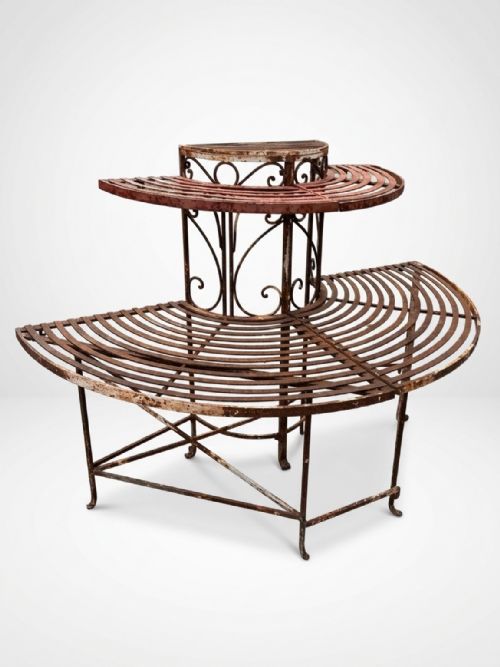
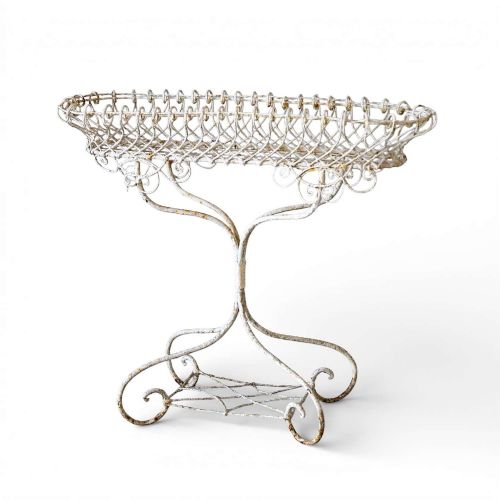
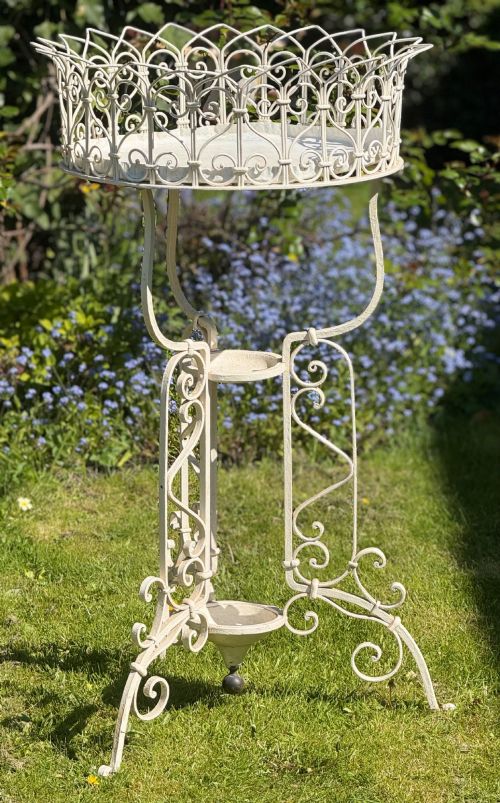
European workshops added metalwork elements including ormolu mounts, giltwood frames, and heavy wrought iron lattice baskets. Ebonised finishes and applied gilt detailing appear alongside traditional Chinese joinery techniques on oriental pieces.
Listings span the nineteenth century, including Chinese Qing Dynasty hardwood pieces, Victorian wrought iron garden jardinieres, and French giltwood styles.
What varies in quality
Quality rests in the crispness of the carving and the selection of materials, particularly the choice of dense hardwoods and the grain of inset marble slabs. Superior examples display balanced proportions, robust structural joinery, and refined decorative mounts.
Lower tiers of quality show mechanical rather than hand carving, thinner timber sections, and simpler secondary woods. The integration between the decorative frame and the functional top determines the lasting stability of each piece.
Thomas King
The 19th Century Flower Stand Glossary
- Hongmu
- A traditional Chinese term for dense hardwoods, often translated as red wood. These heavy timbers take fine detail and form the basis of many nineteenth-century pot stands.
- Jardiniere
- An ornamental pot or stand designed to hold a plant or floral arrangement. They appear in porcelain, metal, and carved wood.
- Ormolu
- Gilded bronze applied as decorative mounts to furniture and stands. It provides metallic contrast against dark woods and ebonised surfaces.
- Rouge marble
- A variegated red limestone used for inset table and stand tops. Its colourful patterning resists water stains from potted plants.
19th Century Flower Stand: Frequently Asked Questions
What is a 19th century flower stand used for?
These pieces elevate potted plants, urns, and jardinieres to catch the light and protect floor surfaces. They functioned as both practical plant holders and decorative occasional tables in period rooms.
Today they serve the same purpose, providing stable display surfaces for interior foliage or functioning as small side tables in living spaces.
How do I identify Chinese stands from the 19th century?
Nineteenth-century Chinese stands typically utilise dense hardwoods like hongmu and feature pierced, hand-carved aprons with floral or geometric motifs. Many incorporate inset variegated marble or rouge marble tops designed to handle damp pots.
European examples often employ walnut, giltwood, or wrought iron with distinct revival styles rather than traditional Chinese joinery and carving patterns.
Are marble top stands water resistant?
The inset marble or onyx panels provide a durable surface that resists water rings and moisture damage from potted plants. This practical feature made stone-topped tables ideal for indoor horticulture during the Victorian period.
The surrounding wooden frames still require care, as spills running off the stone edge can affect vulnerable finishes below.
What is the difference between a jardiniere and a plant stand?
A jardiniere refers specifically to the decorative container or bowl that holds the plant, though the term also describes integrated stand-and-bowl combinations. A plant stand or pedestal is the supporting table itself.
Many listings combine these terms when describing multi-tiered pieces or matched sets designed to display greenery together.