



19th Century Fireplace Surround
A 19th century fireplace surround anchors a room with period character, offering structural presence and decorative focus around a hearth.
19th Century Fireplace Surround
When searching for a 19th century fireplace surround, buyers encounter a mix of substantial timber surrounds, overmantel mirrors, and metal hearth protection. The items span architectural timber structures and hearth furniture such as club fenders and fire guards.
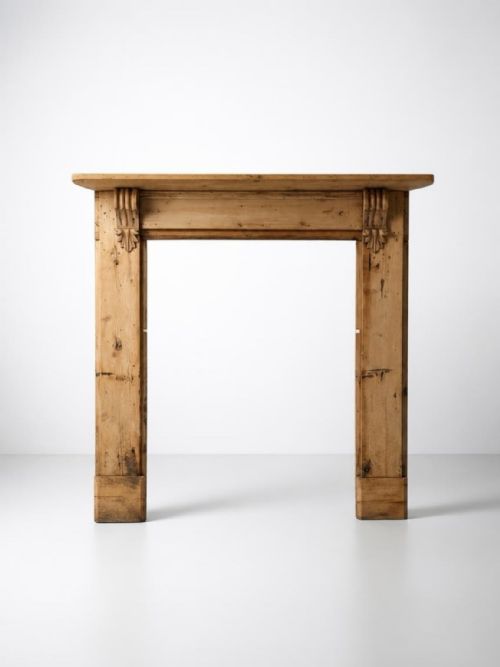
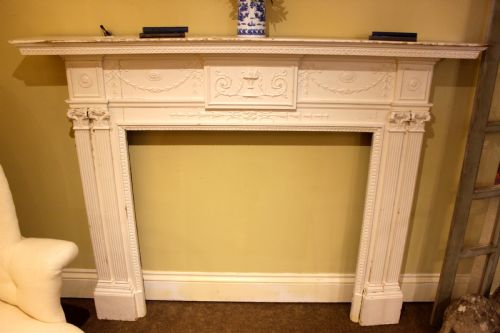
Wooden examples appear in oak, pitch pine, white painted pine, and elm, sometimes incorporating hand-carved fretwork columns or gesso ornament. These architectural pieces provide the formal frame for the hearth opening.
Materials and Construction
Wood elements rely on traditional joinery applied to seasoned timber like oak, mahogany, pine, and elm, frequently detailed with carved gesso or architectural mouldings. Painted finishes or polished surfaces protect the wood while defining the period style.
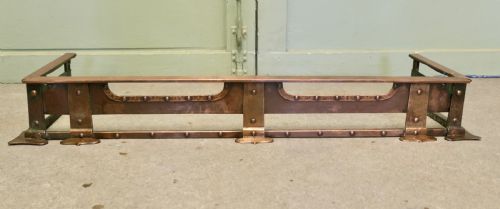
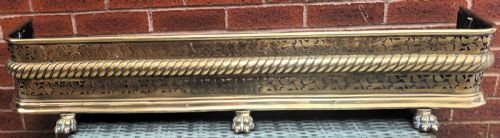
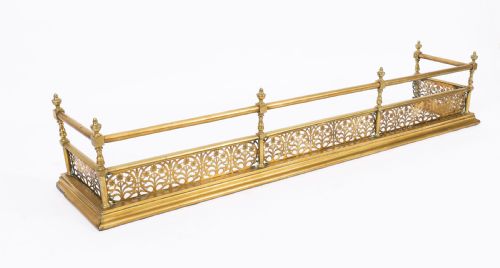
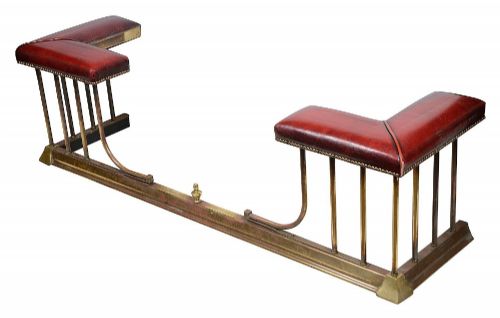
Metalwork utilises brass, cast steel, iron, and copper, shaped through casting, piercing, and riveting techniques. Club fenders combine these heavy metal frames with leather or fabric upholstered seats supported on steel or oak bases.
Listings feature materials spanning cast iron, brass, steel, oak, pine, elm, leather, and gesso across the nineteenth century.
Evaluating Quality and Detail
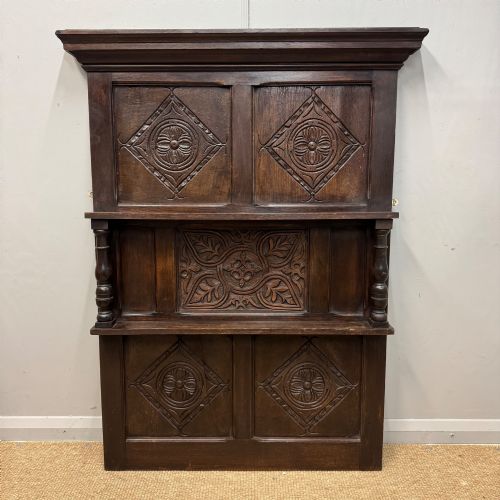
Quality rests on the crispness of the casting in metalwork and the depth of the carving in timber elements. Pieces displaying detailed floral motifs, bronze ormolu mounts, or substantial gauge brass distinguish themselves from simpler production.
The integrity of construction matters significantly, particularly in extending or adjustable fenders and joined wooden surrounds. Original surface patination on both the metals and the woods adds distinction to the surviving examples.
The 19th Century Fireplace Surround Glossary
- Club Fender
- A low metal hearth barrier featuring upholstered corner or bench seats. These originated in English country houses to allow comfortable seating close to the fire.
- Overmantel
- A mirror or panel designed to be placed directly above the mantelpiece. They frequently incorporate gilt frames and architectural framing.
- Gesso
- A plaster-like material applied to wood surfaces and carved or moulded into decorative reliefs before gilding or painting. It defines much of the ornamentation on Regency and Victorian frames.
- Fender
- A low metal guard placed around the hearth to contain sparks and rolling embers. 19th-century variants utilise brass, steel, and pierced iron.
- Chenets
- Fire dogs or firedogs placed within the hearth to support logs. They often match the decorative style of the surrounding fender.
19th Century Fireplace Surround: Frequently Asked Questions
How do I fit a vintage surround?
Installation requires professional carpentry skills to align the timber structure securely against the chimney breast. The inner opening must match the dimensions of the existing grate and flue system.
Measurements should account for hearth depth and any clearance needed for heat safety regulations. Historic timber surrounds often require custom shimming to sit level against uneven period walls.
What is a club fender used for?
A club fender serves as both a hearth guard and perimeter seating. The integrated upholstered top allows people to sit close to the fire for warmth.
These pieces were common in large country house libraries and drawing rooms. The open corner design maximised seating capacity around the hearth.
How do I clean polished brass?
Cleaning requires a soft cloth and a gentle metal polish formulated for antique brass. Aggressive rubbing can damage the surface and remove the accumulated patina.
Many collectors prefer to retain the mellow tone rather than restoring the metal to a bright shine. Regular dusting prevents grime accumulation in pierced and chased details.
Are these pieces adjustable in size?
Certain metal fenders include an extending mechanism to fit varying hearth widths. This design allowed a single guard to accommodate different fireplace openings.
Wooden architectural surrounds are fixed in size and cannot be altered easily without professional joinery work. Buyers must check internal aperture dimensions carefully before purchase.