

19th Century Enamel
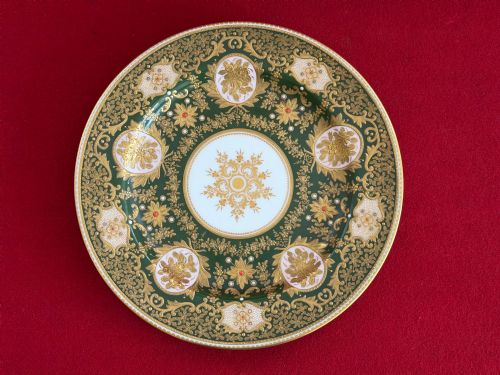
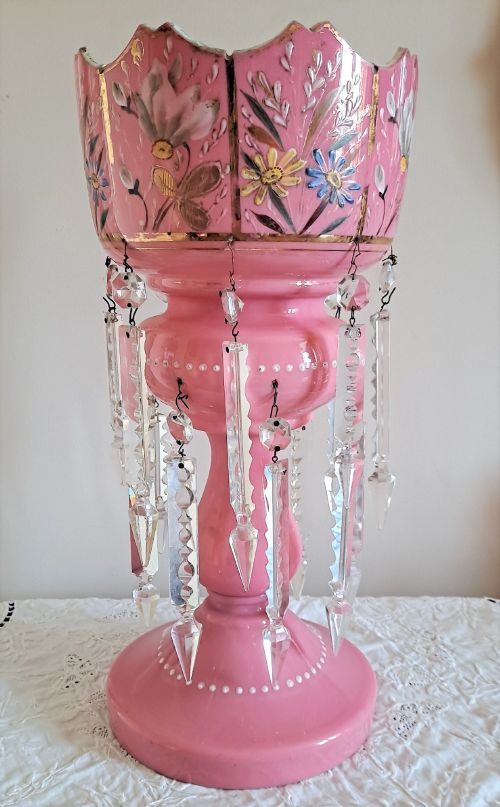
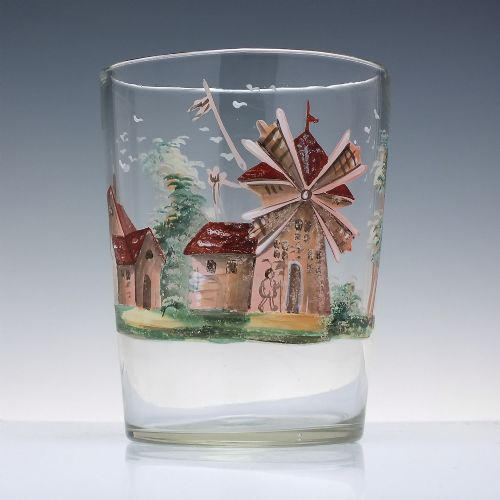
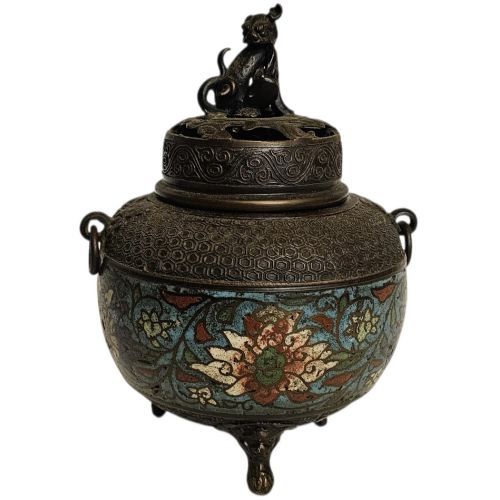
These 19th century enamel pieces bring together vibrant colour and metalwork from French, Chinese, and Japanese makers.
19th Century Enamel
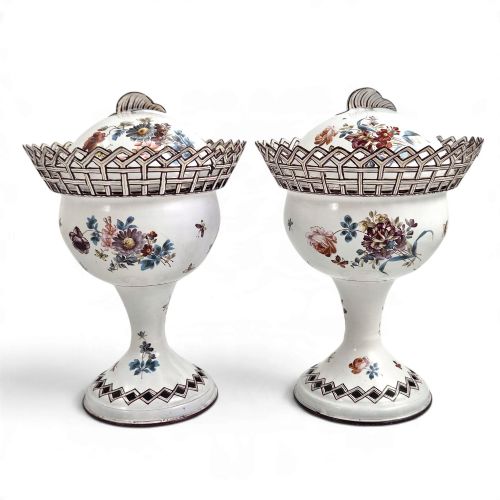
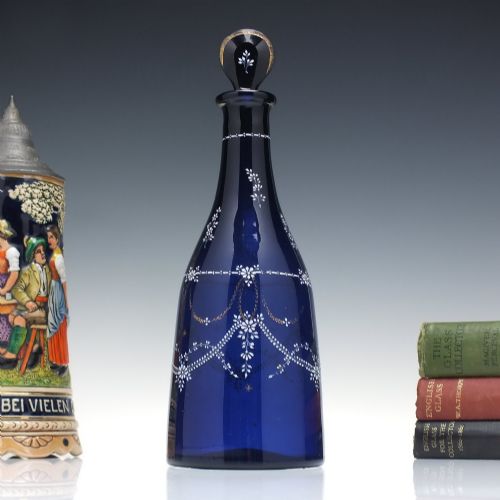
When you search for 19th century enamel, you encounter a diverse range of decorative and functional objects originating from European and Asian workshops. These items span domestic clocks, writing sets, and scent bottles alongside Asian vases, censers, and bowls.
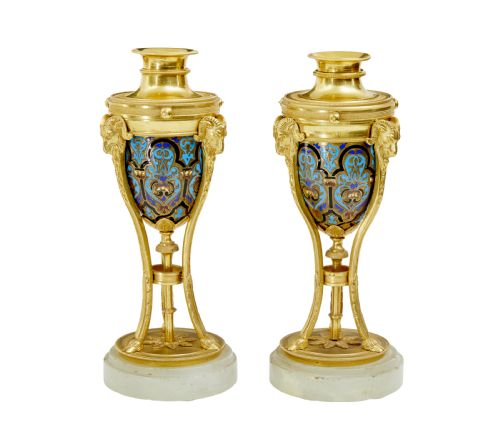
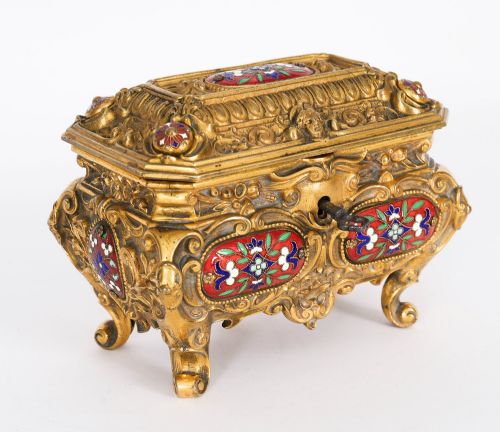
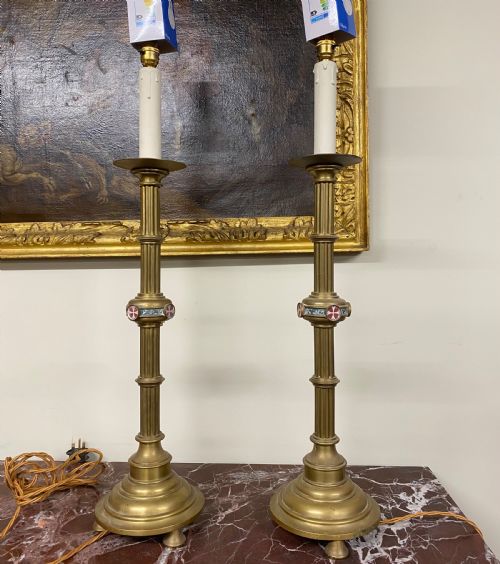
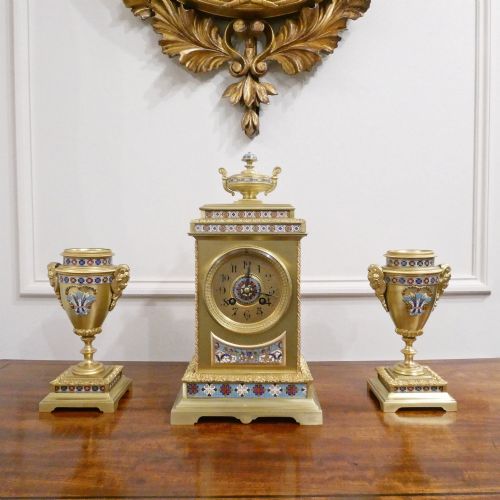
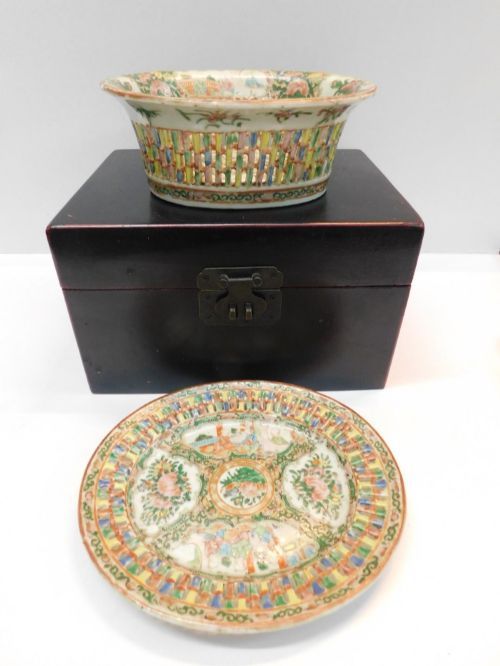
The objects most frequently met on this page include French gilt bronze mantel clocks and table lamps inset with champleve enamel panels, as well as Japanese cloisonne vases and Chinese porcelain vessels.
How they were made
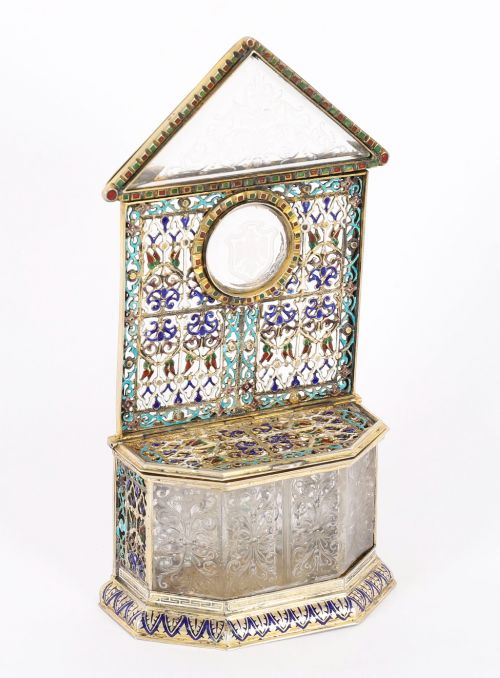
Manufacturers combined glass pastes and metallic oxides fired onto copper, bronze, brass, porcelain, or silver bases. Cloisonne technique relied on thin metal wires soldered to a body to form cells which held coloured enamel powders before kiln firing.
Champleve methods involved carving or casting troughs directly into bronze or brass surfaces to receive the vitrifiable pastes. Artisans then ground and polished the cooled glass surfaces flush with the surrounding metal partitions.
19th Century Enamel Retail Price Guide 2026
Typical asking prices for 19th century enamel among the pieces listed under this phrase on Sellingantiques today, from the lower quarter to the upper quarter. They describe what is for sale here now, not the wider market.
French carriage clocks and Japanese cloisonne vases form the most common object types in these records.
What varies in quality
The division between standard commercial output and superior craftsmanship rests on the precision of the metalwork and the depth of the enamel palette. Finer pieces demonstrate meticulous wire placement in cloisonne or crisp, deep casting in champleve mounts.
Makers such as Henri Jacot or Henry-Lepaute achieved distinction through the integration of mechanical movements with polished gilt bronze and enamel housings. Superior porcelain and glass items exhibit hand-painted detail with controlled kiln firing rather than printed transfers.
Henry-Lepaute of Paris·KPM Berlin·Henri Jacot·Longines
The 19th Century Enamel Glossary
- Cloisonne
- Enamelling technique using soldered metal wires to create enclosed compartments for coloured glass pastes. These wires form intricate geometric or pictorial patterns across the metal body.
- Champleve
- Enamelling method where troughs or hollows are excavated directly into a metal surface to hold coloured glass paste. The piece is subsequently fired and polished level.
- Gilt bronze
- Bronze metal coated with a thin layer of gold, often termed ormolu in French decorative arts. It provides a durable, lustrous mount for enamel panels.
- Kovsh
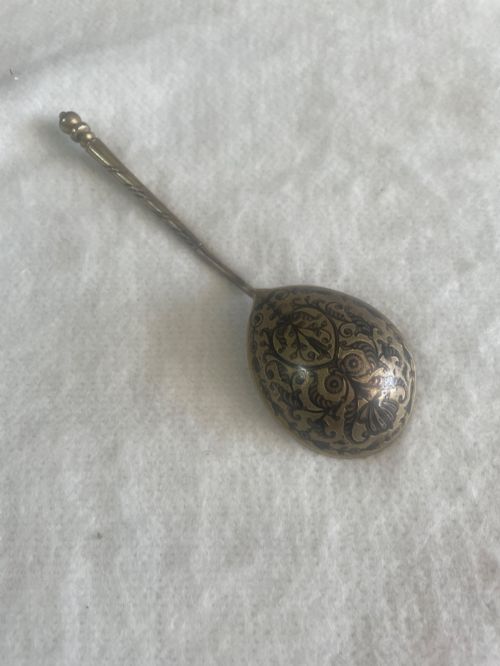
- Traditional Russian drinking vessel shaped like a boat or bird with a single flat handle. These objects frequently display vibrant cloisonne enamel decoration in silver gilt.
- Chatelaine
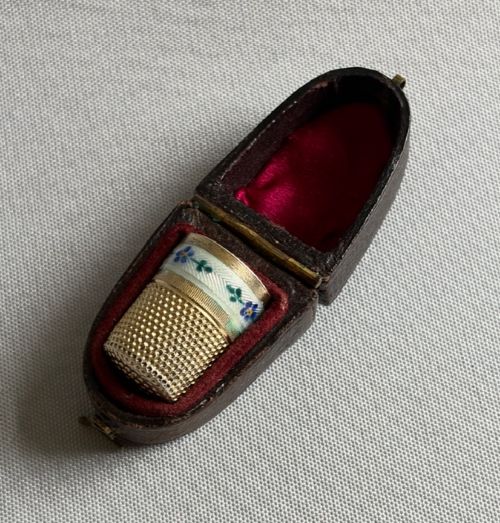
- Decorative belt hook with suspended chains used to carry small utility items like scent bottles or watches. They were popular accessories during the Victorian era.
19th Century Enamel: Frequently Asked Questions
What is champleve enamel?
Champleve is a technique where depressions are carved into a metal base like bronze or brass to hold coloured glass paste. The object is fired and polished until the metal and enamel surfaces are flush.
This method produced durable decorative elements used extensively on French clocks, desk sets, and architectural vases during the nineteenth century.
Where were carriage clocks made?
Carriage clocks were predominantly produced by specialist horological workshops in France, particularly around Paris. Makers integrated enamel dials and side panels into polished brass and gilt bronze cases.
Travellers utilised these portable timepieces, which were housed in fitted leather travel cases for protection during transit.
What is Chinese Canton enamel?
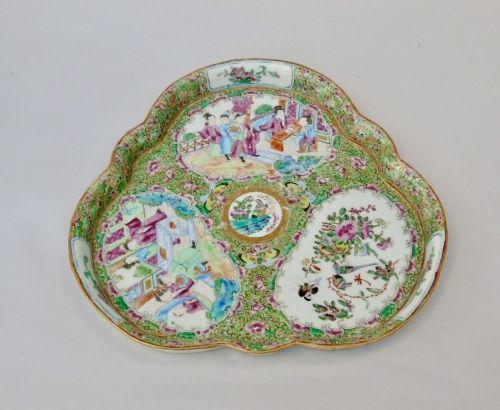
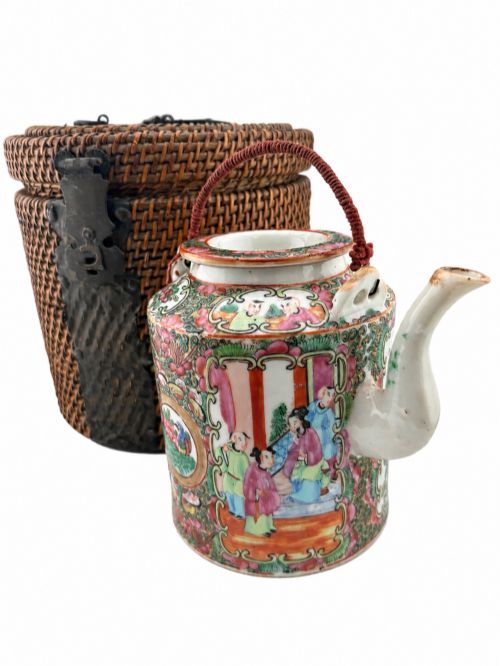
Canton enamel refers to painted metalwares produced in southern China for domestic use and export markets. Artisans applied coloured enamels directly to copper or bronze foundations without metal wire partitions.
These items often feature vibrant yellow grounds decorated with repeating floral motifs, figures, and birds.