


19th Century Elbow Chairs
These 19th century elbow chairs offer sturdy seating and varied regional character, spanning simple Windsor forms to carved Gothic revivals.
What 19th century elbow chairs are
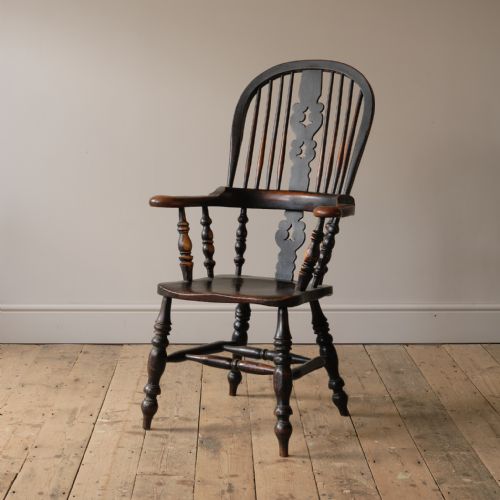
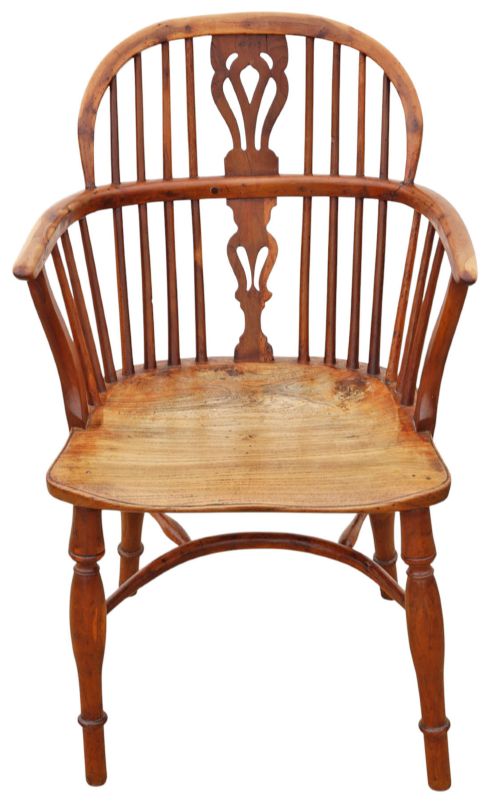
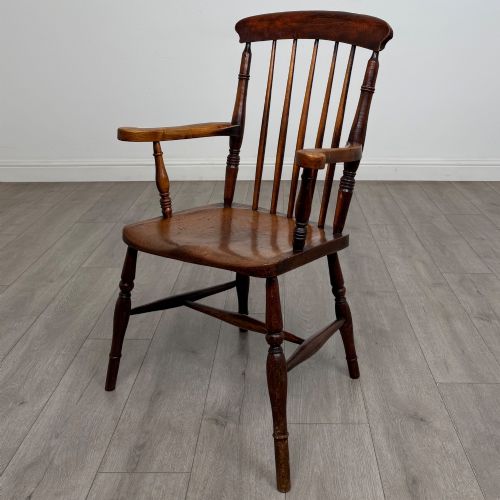
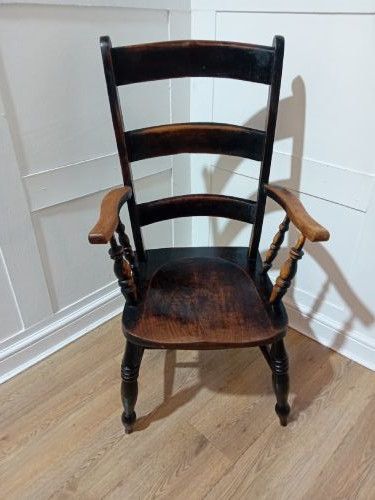
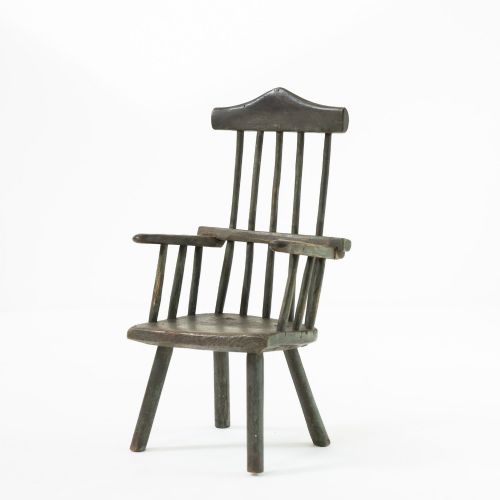
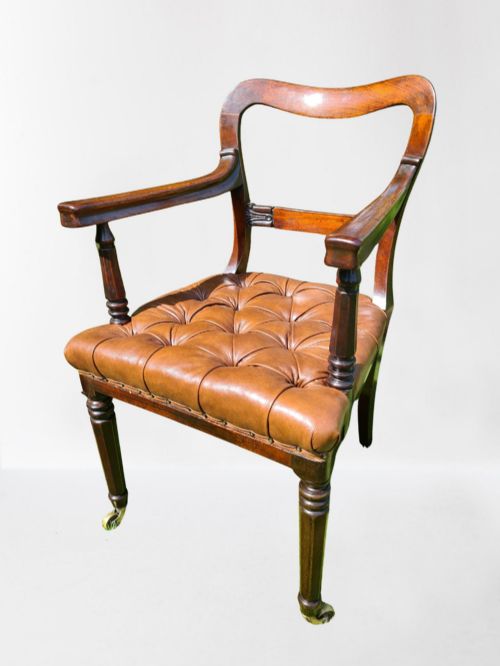
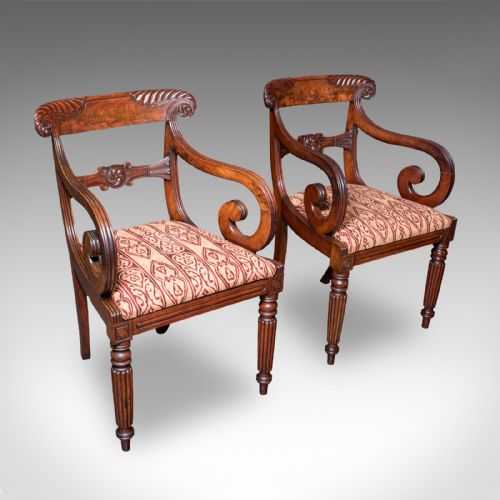
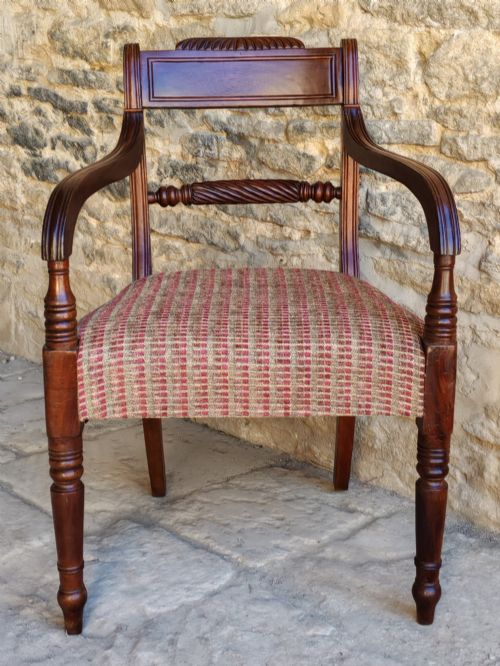
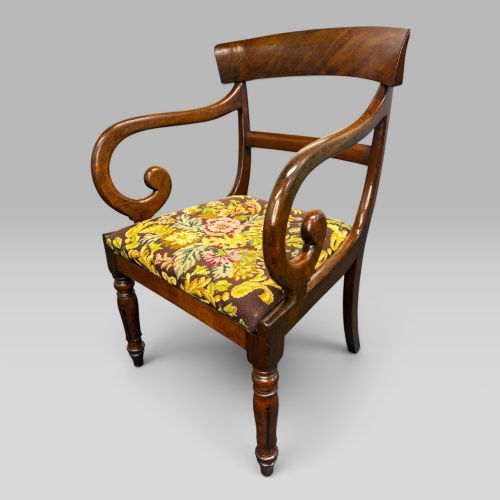
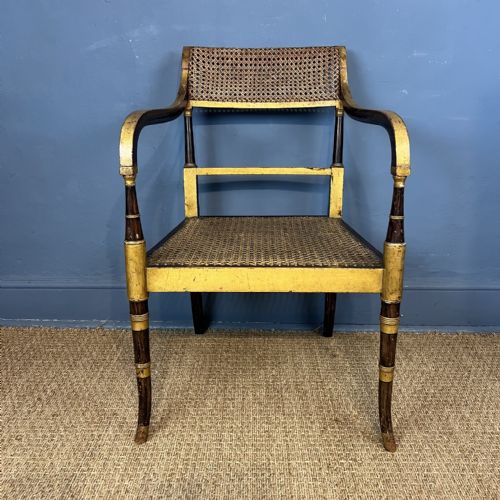
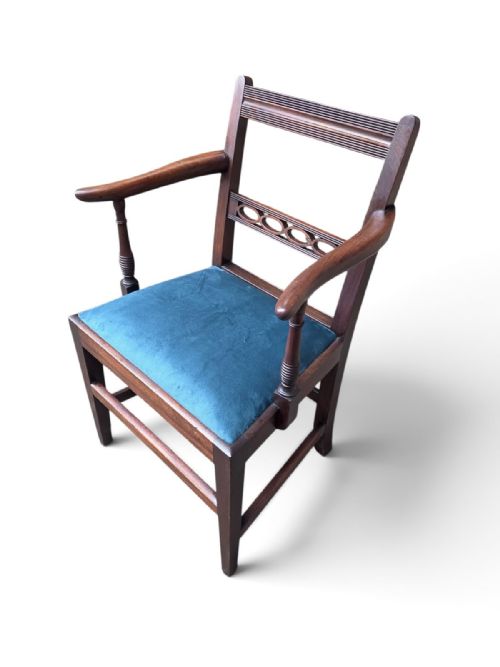
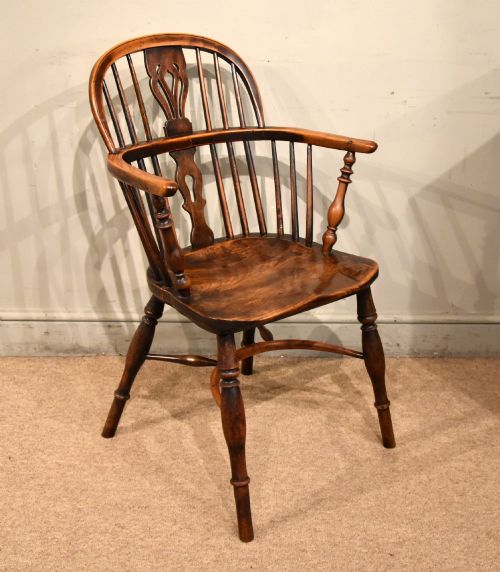
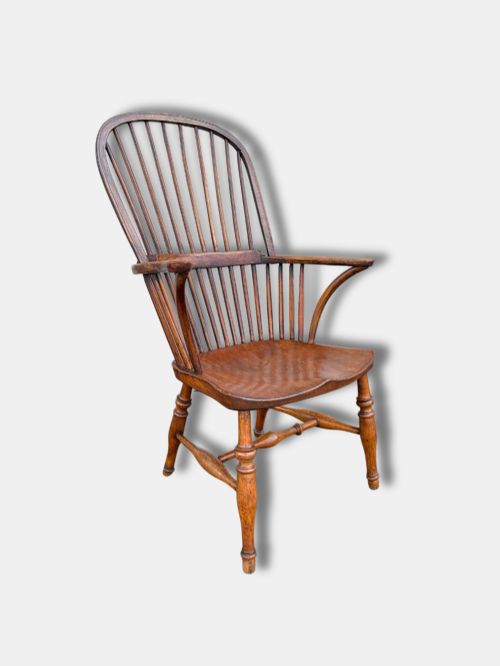
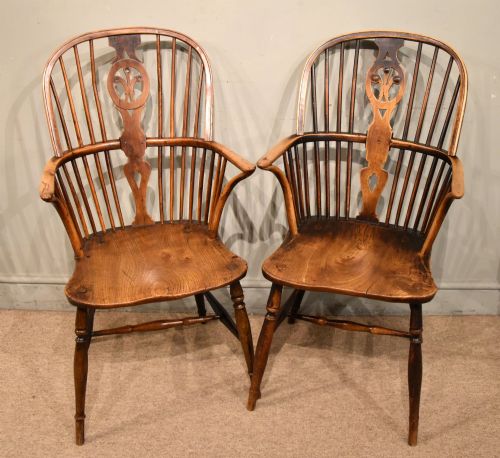
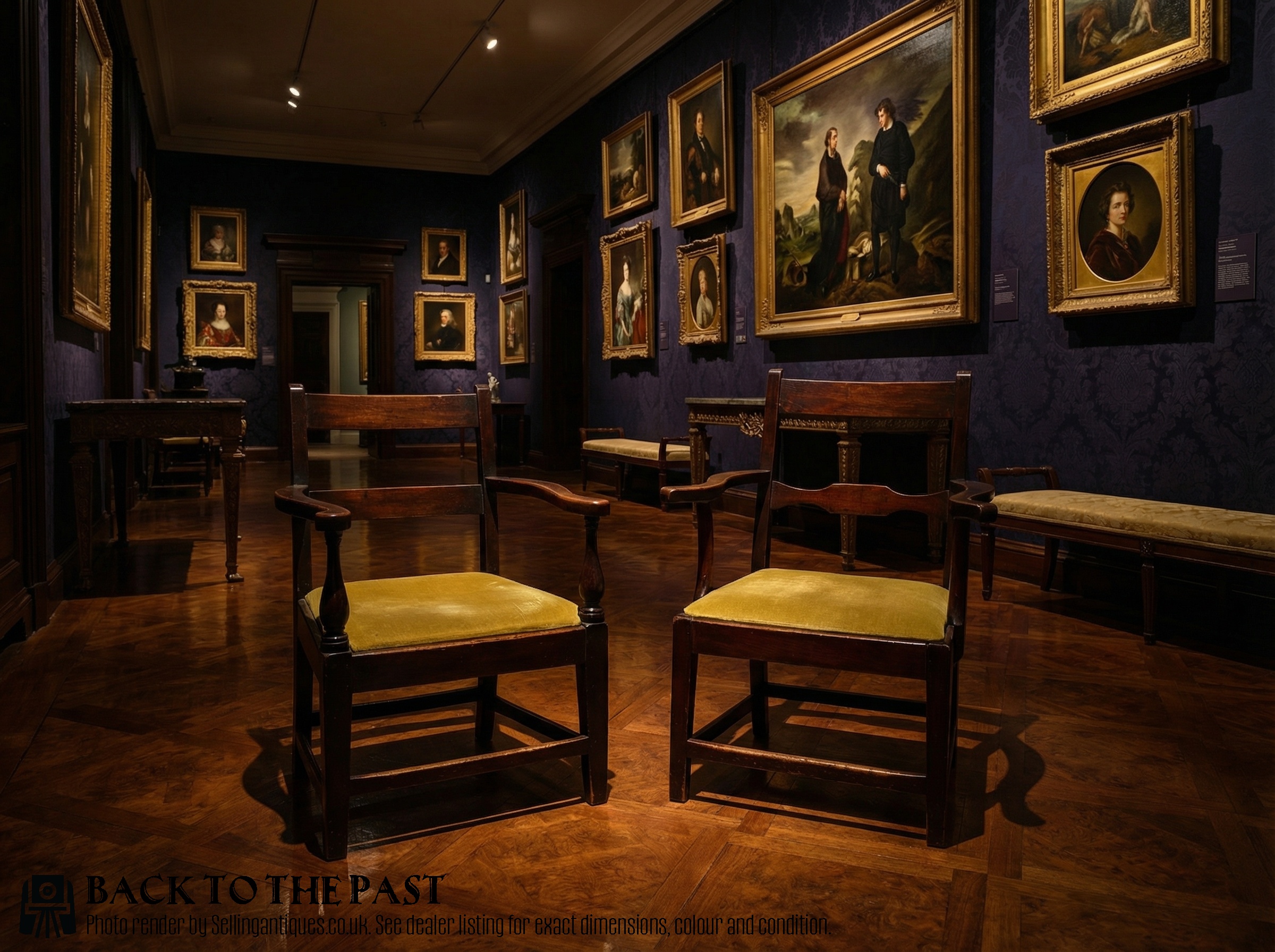
When you search for 19th century elbow chairs, you encounter a diverse range of armchairs designed for dining, reading, and informal rooms. These pieces include sturdy Windsor forms, formal dining carvers, and distinct regional variations made across Britain and beyond.
You are most likely to meet mahogany dining chairs and robust elm or yew Windsors on this page. The selection also encompasses English country styles, Victorian Gothic revivals, and Anglo-Indian designs.
These armchairs served various domestic roles, from fireside seating to formal dining settings. Their varied construction reflects the diverse workshop traditions of the nineteenth century.
Materials and construction
Cabinetmakers and country joiners utilised timber such as oak, mahogany, walnut, yew, elm, and beech. These woods were chosen for their structural strength, grain pattern, and suitability for turning or carving.
Upholstered versions incorporate hessian and padding finished in fabric, velvet, or leather. Metal elements like brass appear in specific decorative or structural capacities.
Construction methods range from traditional pegged joints in country Windsors to refined mortise and tenon frames in mahogany dining carvers. Turned spindles, curved armbows, and shaped splats demonstrate distinct regional techniques.
Retail Price Guide 2026
Typical UK retail prices for 19th century elbow chairs, calculated from the Sellingantiques database of over a million retail prices indexed since 2003. This retail price guide relies exclusively on Sellingantiques data; no external sources or auction records are used, so the figures do not describe the wider market.
Listings feature woods such as mahogany, oak, yew, elm, and walnut, alongside upholstered elements in velvet, leather, and fabric.
Judging quality in elbow chairs
The standard of timber selection and the depth of natural patination distinguish different examples. Richly patinated wood surfaces that show age and handling without excessive restoration represent a higher tier.
The crispness of carved details in revival styles and the balance of turned members in Windsor chairs indicate the maker's skill. Proportions and structural integrity remain central to an item's overall standing.
The 19th Century Elbow Chairs Glossary
- Elbow chair
- An armchair, often used at the head of a dining table or as a fireside seat, featuring supportive armrests.
- Windsor chair
- A wooden armchair constructed with a solid saddle-shaped seat into which the legs and back spindles are wedged directly.
- Carver
- A traditional term for an armchair designed to match a set of dining chairs, typically featuring low elbow rests.
- Patination
- The surface sheen and colour acquired by wood and leather through decades of handling, exposure to light, and use.
- Gothic Revival
- A nineteenth-century design style drawing inspiration from medieval architecture, notable for pointed arches and tracery motifs.
Frequently Asked Questions
What is an elbow chair?
An elbow chair is an armchair designed with wooden or upholstered supports for the arms. They were traditionally used in dining rooms, libraries, and parlours.
These chairs often served as the principal seat at a dining table or as a comfortable reading chair by the fire.
How do Windsor elbow chairs differ from dining carvers?
Windsor elbow chairs feature distinct construction where spindles and back pieces are socketed directly into a solid wooden seat. They originate from country vernacular traditions.
Dining carvers possess framed, joined construction and are styled to match a specific set of dining chairs around a formal table.
What woods were commonly used for nineteenth-century armchairs?
Cabinetmakers and country joiners utilised native timbers including oak, elm, yew, beech, and walnut. Mahogany was frequently imported for formal dining furniture.
Combination woods were often employed in country seating, such as an elm seat paired with yew or beech spindles.
How can I care for antique wooden armchairs?
Antique wooden armchairs require stable indoor humidity and protection from direct sunlight to prevent timber shrinkage and fading. Regular dusting with a dry cloth maintains the surface.
Applying appropriate wax polishes occasionally helps nourish the wood and preserve the natural patination built up over the centuries.