

19th Century Drop Table
A 19th century drop table offers flexible surface space through hinged leaves, combining period craftsmanship with practical utility for modern interiors.
19th Century Drop Table
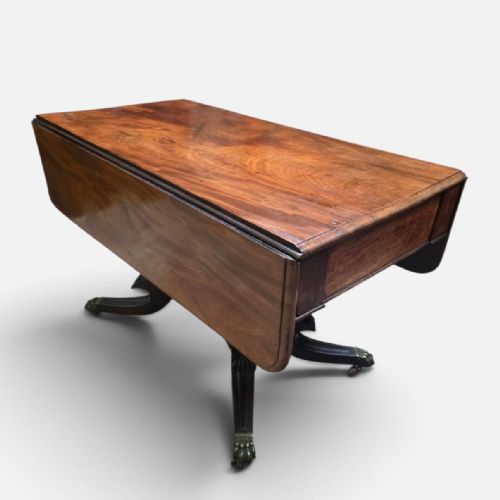
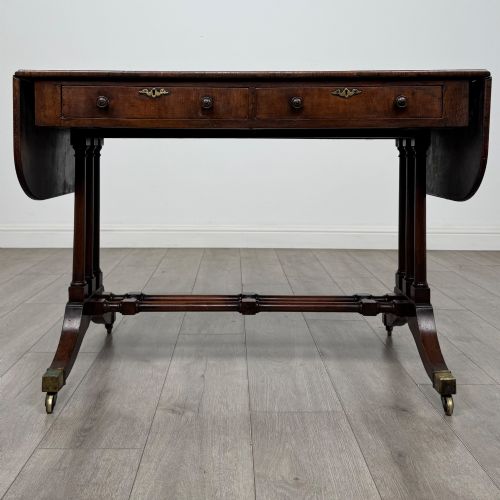
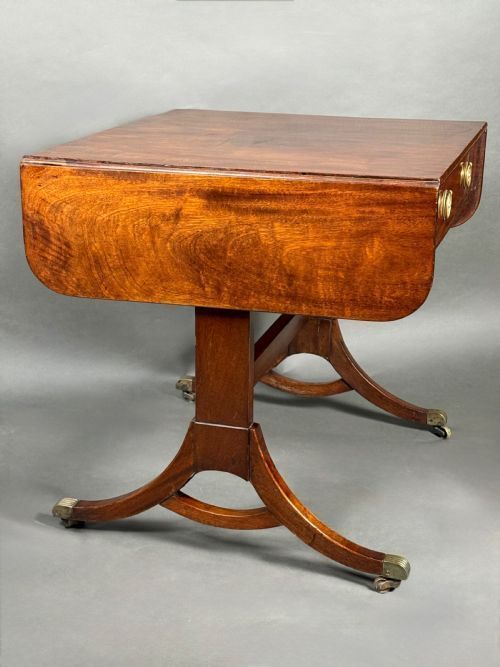
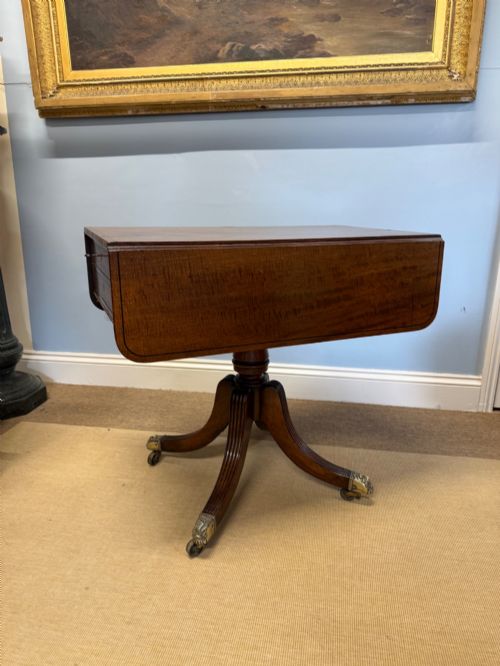
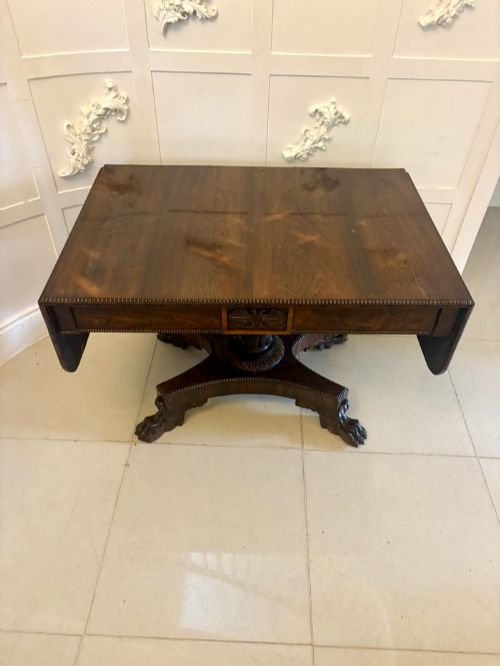
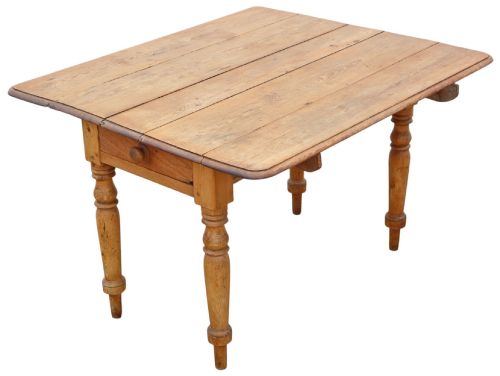
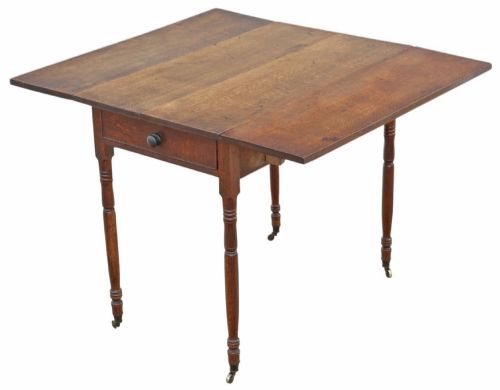
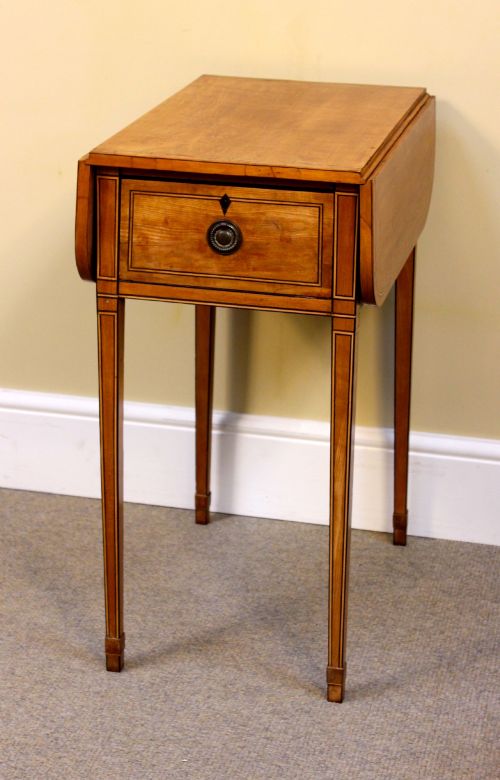
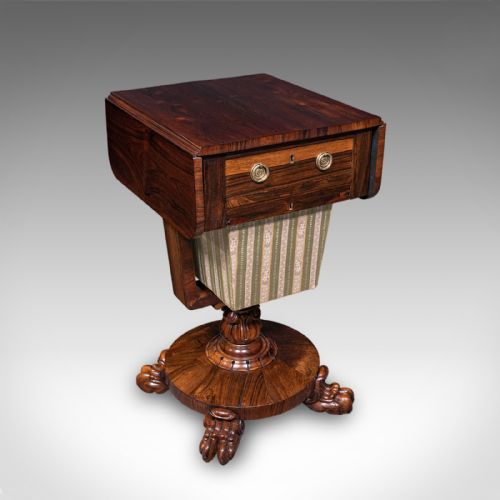
A 19th century drop table encompasses versatile furniture types designed to expand when needed and fold down to save space. The selection spans formal sofa tables, Pembroke tables, and dining formats from the Georgian, Regency, and Victorian periods.
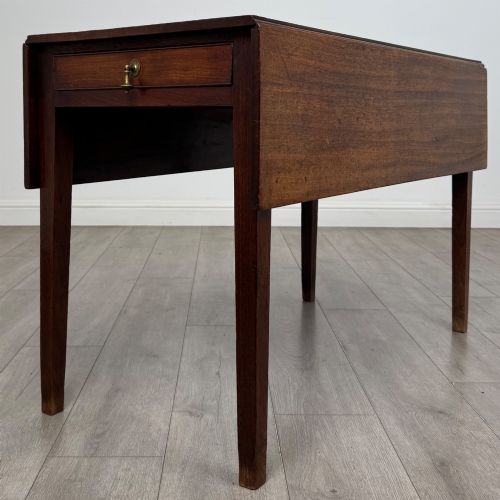
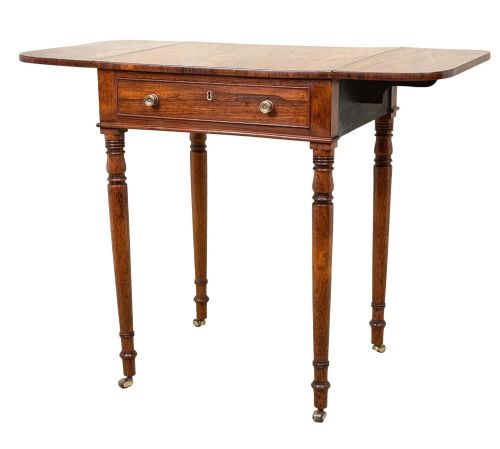
Mahogany and walnut predominate among the surviving examples, alongside rosewood, oak, and pine. Buyers frequently encounter Pembroke tables with single or double drawers alongside drop-leaf dining and sewing tables.
What Varies in Quality
The choice of timber grain defines the visual merit of a piece, with figured flame mahogany and burr walnut commanding attention. Finer examples display meticulous book-matching in the veneers across the drop leaves and top.
Structural integrity and the precision of the folding leaf mechanisms dictate day-to-day utility. Pieces retaining original brass hardware, stable gatelegs, and uncompromised structural frames represent the higher tier.
Johnstone and Jeanes
The 19th Century Drop Table Glossary
- Drop leaf
- A table featuring a fixed centre section and hinged flaps that fold down at the sides. These leaves are supported by swing legs or brackets when raised.
- Pembroke table
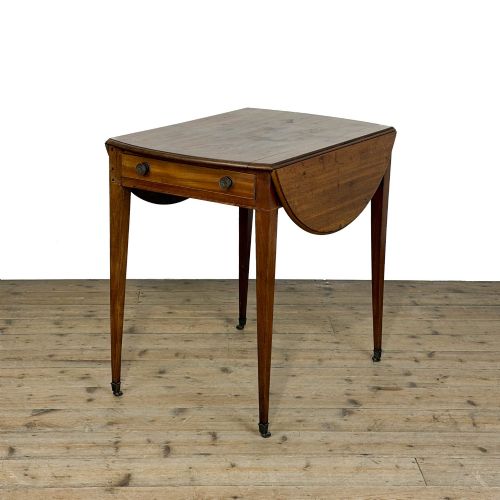
- A small rectangular table with hinged drop leaves on two opposing sides, typically fitted with a single drawer. It gained popularity during the 18th and 19th centuries as a versatile parlour piece.
- Sofa table
- A long, narrow occasional table designed to stand in front of a sofa, featuring drop leaves at either end. They often incorporate trestle supports or twin pillar pedestals.
- Sutherland table
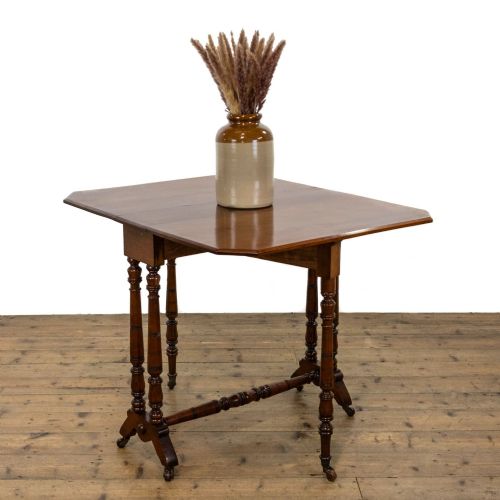
- A compact drop leaf table characterised by particularly narrow leaves and a folding underframe that allows the top to fold almost entirely flat.
- Marquetry
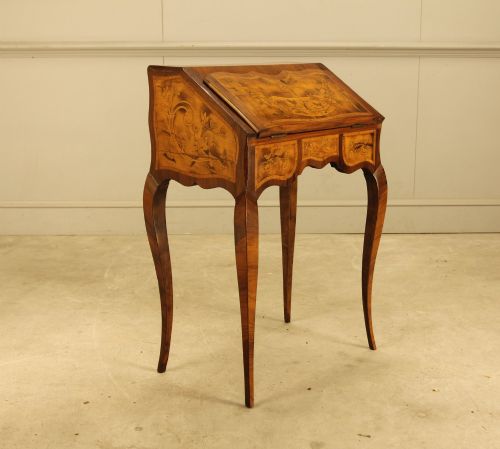
- Decorative veneer work forming pictorial or geometric patterns using various woods, ivory, or shell. It appears on finer walnut and rosewood tables.
19th Century Drop Table: Frequently Asked Questions
How were drop tables used originally?
These tables served multiple domestic functions depending on their form, acting as dining surfaces, writing desks, and sewing stations. Their folding leaves allowed households to alter room layouts quickly.
Smaller Pembroke and work tables stood in parlours for needlework and correspondence, while larger gateleg and dining variants accommodated meals before being folded away against a wall.
Where should I place a drop table?
A drop table fits well in entryways, living rooms, and dining areas where floor space fluctuates. With both leaves lowered, the table occupies minimal depth against a wall.
Raising one or both leaves creates a functional surface for dining or display. They function effectively behind sofas or as occasional tables in narrower rooms.
How do I identify a Regency drop table?
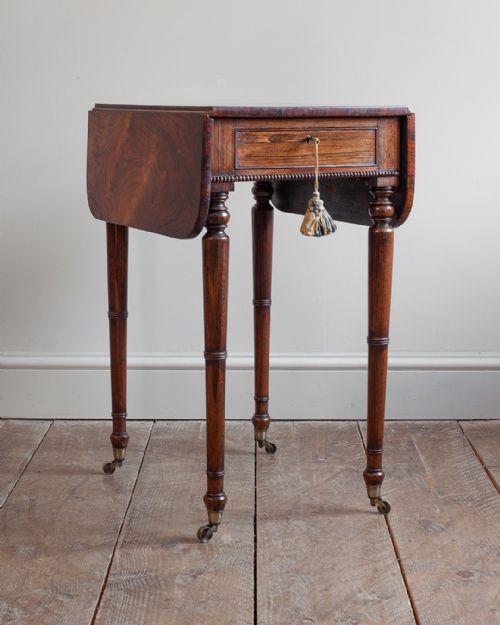
Regency pieces typically date from the early decades of the 19th century and often feature mahogany or rosewood. Look for classical restraint, sabre legs, and brass paw castors.
Many examples incorporate brass inlay or cross-banded borders. The overall silhouette prioritises architectural proportion and clean lines.