

19th Century Dining Furniture
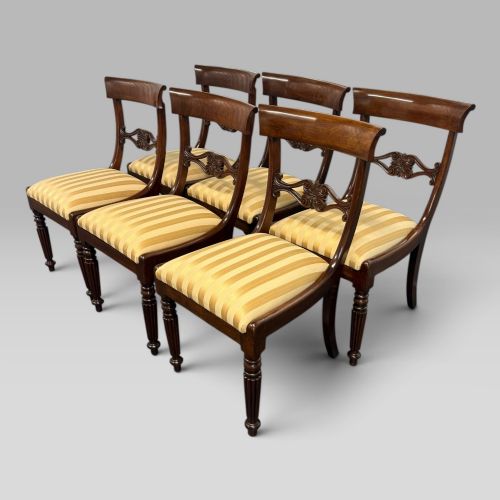
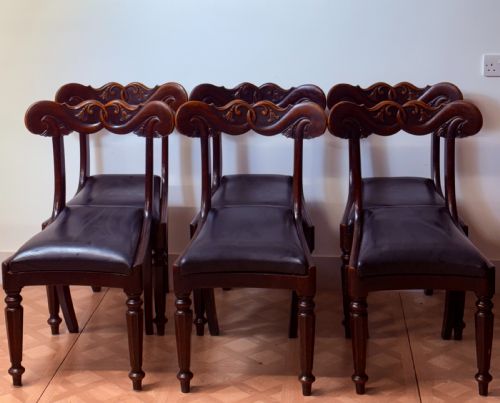
These pieces of 19th century dining furniture bring substantial timber construction and formal presence to a room, offering practical gathering spaces and seating.
19th Century Dining Furniture
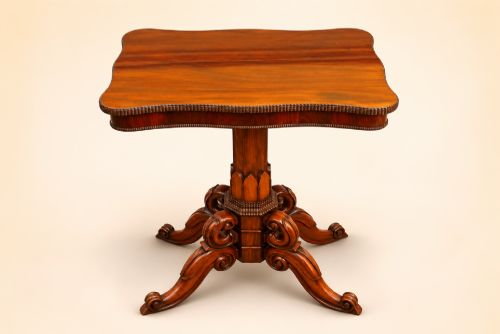
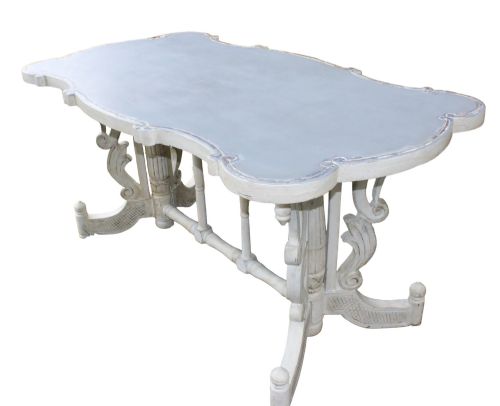
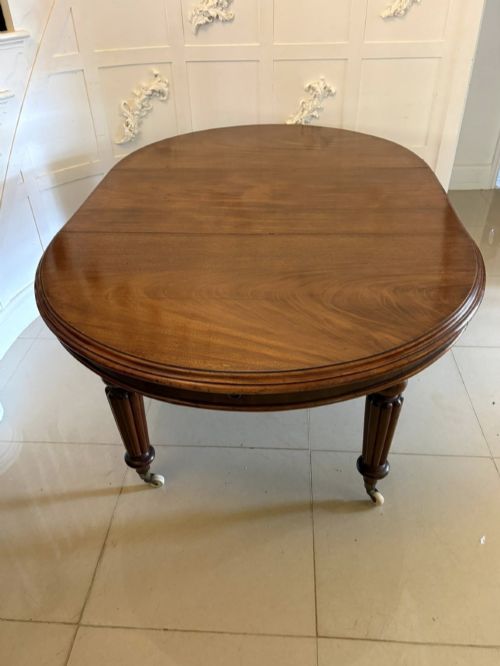
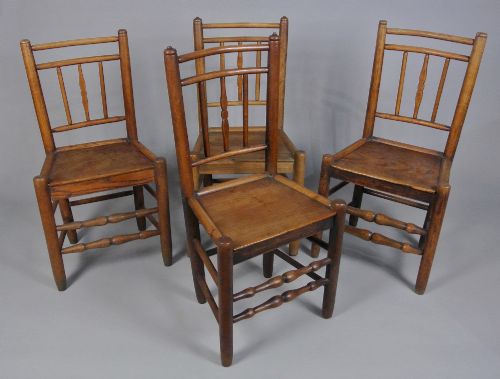
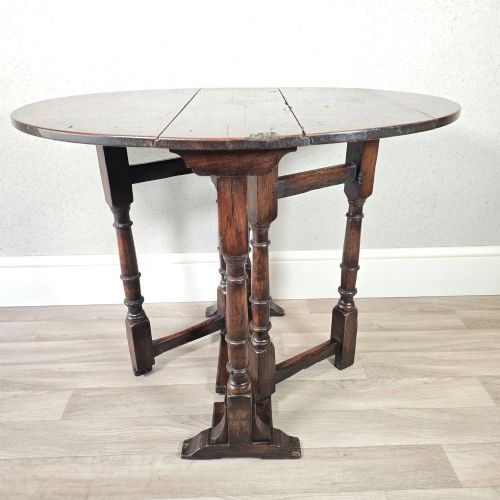
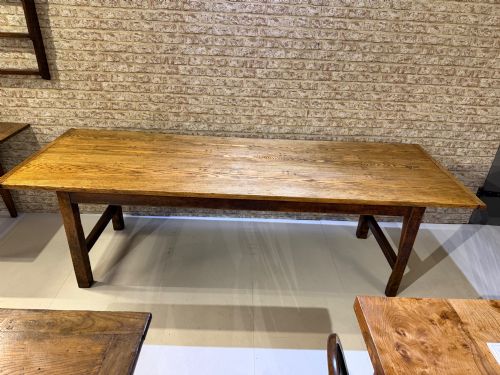
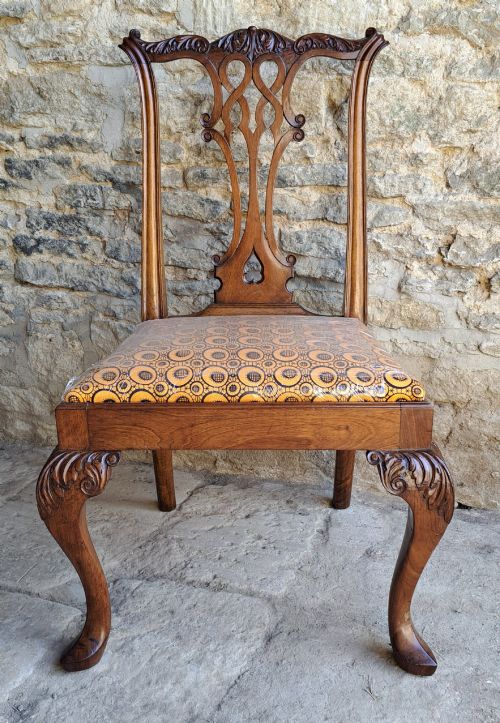
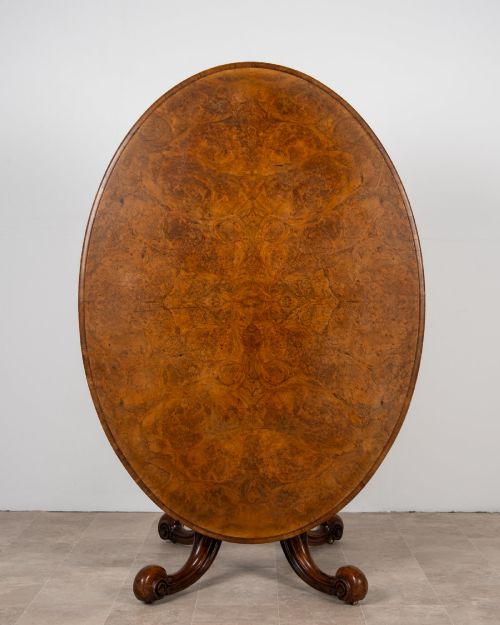
When you search for 19th century dining furniture, you encounter a varied assortment of timber seating, large dining tables, serving sideboards, and occasional centre tables. These items originate across various periods including the Regency, Georgian, and Victorian eras, taking forms from formal mahogany suites to rustic country elm pieces.
You are most likely to meet complete sets of dining chairs alongside extending or tilt-top tables and substantial sideboards in mahogany, walnut, and rosewood. Regional British variations such as Scottish laburnum chairs and Welsh elm Windsor armchairs appear alongside imported Anglo-Indian padauk and calamander works.
Materials and construction techniques
Cabinet makers utilised dense hardwoods such as mahogany, rosewood, walnut, and oak, often applying finely figured veneers like burr walnut or pollard oak across tabletops and sideboard doors. Secondary timbers like ash and elm provide structural integrity to country chairs and primitive tables.
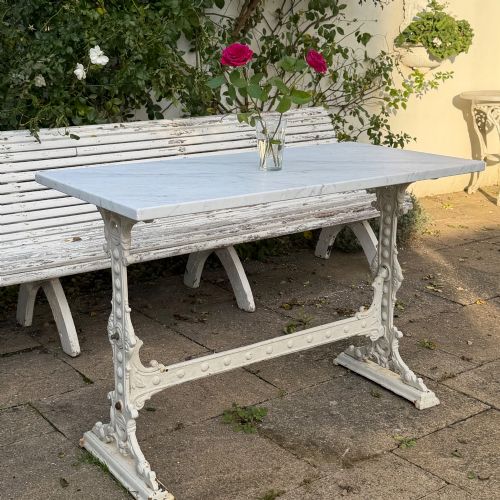
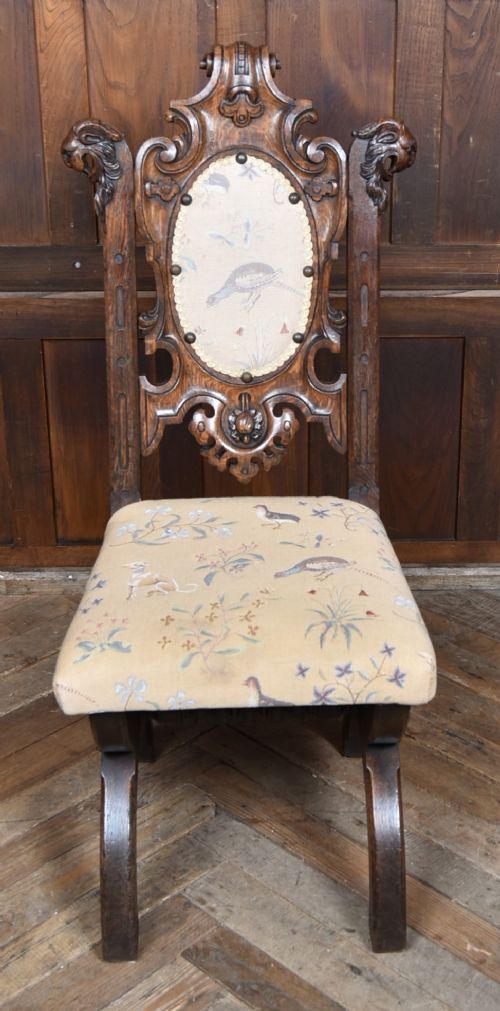
Construction relies on traditional joinery techniques, cabinet work, and turned elements, augmented by carved ornamentation, marquetry inlay, and brass hardware. Cast iron appears in specific garden dining sets, while fabric and velvet provide upholstery for seating.
19th Century Dining Furniture Retail Price Guide 2026
Typical asking prices for 19th century dining furniture among the pieces listed under this phrase on Sellingantiques today, from the lower quarter to the upper quarter. They describe what is for sale here now, not the wider market.
Iron garden tables named The Rotherham bring cast metal durability to nineteenth-century outdoor dining.
Distinctions in quality
The standard of 19th century dining furniture rests upon the selection of timber, the precision of cabinet making, and the depth of carved detail or inlay work. Pieces bearing workshop stamps or attributions to makers reflect a higher tier of design and execution.
Proportion and structural integrity separate robust, well-proportioned examples from simpler regional output. The harmony of matched timber grains and the crispness of turned or carved elements distinguish refined urban furniture from everyday domestic pieces.
Hewetsons London·Wylie and Lochead Glasgow·Strahan of Dublin·Peters of Genoa
The 19th Century Dining Furniture Glossary
- Sideboard
- A large dining room cabinet used for serving food and storing tableware. These pieces often feature drawers and cupboards.
- Tilt-top table
- A table with a hinged top that pivots vertically to allow compact storage against a wall when not in use.
- Marquetry
- Decorative veneer work arranged in intricate geometric or pictorial patterns using various coloured woods.
- Padauk
- A heavy, durable tropical hardwood with a reddish-brown colour used in Anglo-Indian and colonial furniture.
- Windsor armchair
- A traditional wooden seat featuring a bentwood bow back and spindles inserted into a solid saddle-shaped wooden seat.
19th Century Dining Furniture: Frequently Asked Questions
How do I care for antique wood dining tables?
Maintain timber surfaces by dusting regularly with a soft cloth and avoiding placement near direct heat sources or strong sunlight. Apply natural beeswax periodically to nourish the polish and protect the grain.
Use protective mats under hot dishes and liquids to prevent surface marking. Handle mechanism extensions or tilt-top hinges with care to preserve original joints.
Can I mix different wood tones in a dining room?
Combining varying timber tones such as mahogany, walnut, and oak creates a layered, collected interior rather than a uniform matching suite. Ensure pieces share similar proportions or stylistic periods to maintain visual harmony.
Anchor the space with a dominant central dining table, allowing surrounding sideboards and chairs to introduce complementary wood figures and patinas.
How do I identify Regency style dining furniture?
Regency pieces draw inspiration from classical Greek and Roman designs, featuring clean architectural lines, rosewood or mahogany veneers, and brass inlay. Look for klismos-style curved chair backs and sabre legs.
Proportions are typically refined and restrained, avoiding the heavier carving associated with later Victorian production.
Are antique dining chairs sturdy enough for daily use?
Solid hardwood chairs constructed with traditional joinery remain robust for everyday seating when properly maintained. Period frames built from mahogany, oak, or elm offer lasting structural strength.
Periodically check leg joints and stretcher connections to ensure stability, reinforcing loose parts before heavy daily use.