



19th Century Desk Tidy
A 19th century desk tidy brings order to papers and pens while anchoring a writing surface with period craftsmanship.
Identifying a 19th century desk tidy
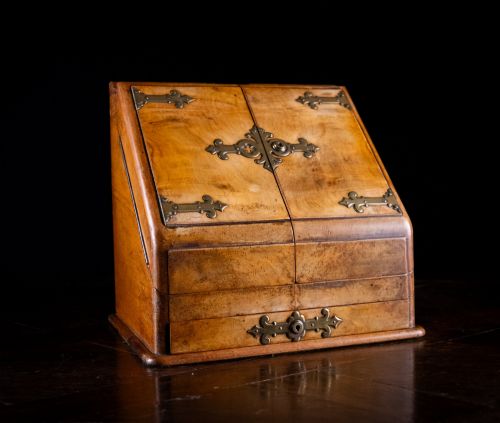
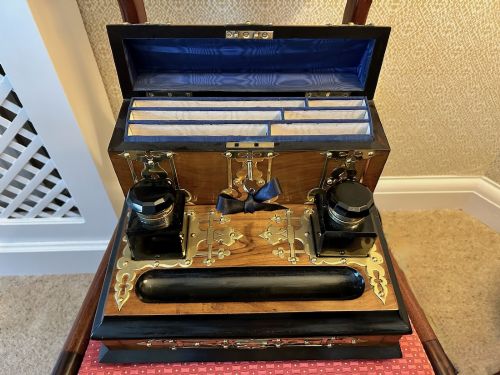
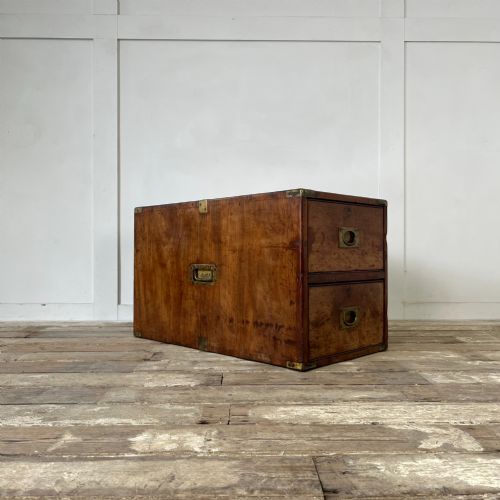
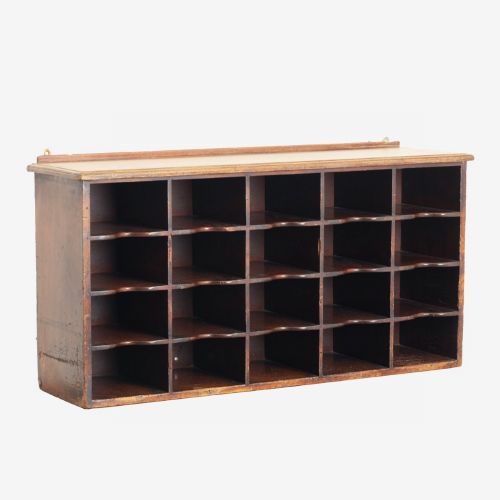
These accessories organise correspondence and writing implements on a desktop, taking forms such as inkstands, stationary cabinets, letter racks, and box desk-tidys. When searching for a 19th century desk tidy, you encounter pieces spanning from the George IV period through the Victorian era to the late 1800s.
The materials reflect the global reach and diverse manufacturing methods of the 19th century. Common forms include brass and glass combinations, papier-maché items with hand-painted details, and heavy wood constructions in oak, walnut, rosewood, and ebony.
Stylistic influences range widely across the items found here. Pieces show Victorian Gothic Revival, Anglo-Indian, Neoclassical, and French champlevé enamel or gilt bronze designs alongside regional British works like Tunbridge ware and Cornish serpentine specimen stone.
Materials and construction methods
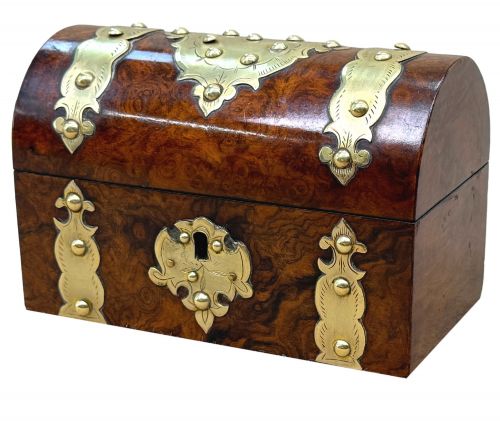
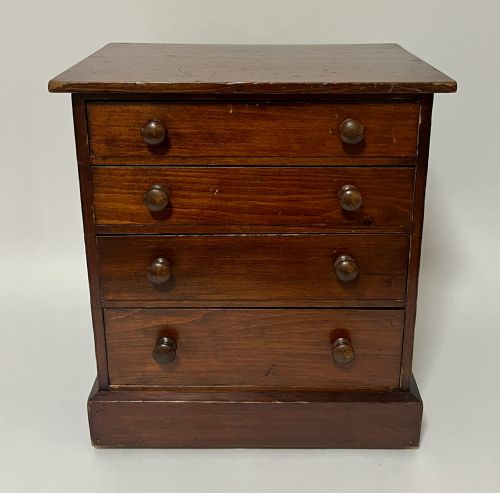
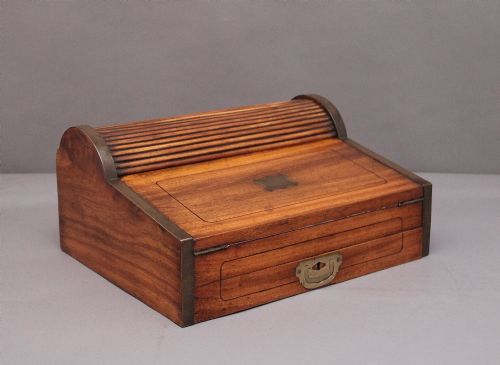
Wood pieces rely on solid timbers like oak, walnut, rosewood, and ebony, frequently configured as cabinets, letter racks, or lined jewellery boxes. Metal elements involve cast brass, gilt bronze, and French champlevé enamel applied to structural frames or decorative figures.
Surface decoration utilises distinct techniques across different material types. Papier-maché items feature hand-painted finishes with gold leaf, while stone pieces employ Cornish serpentine and Italian granite shaped for Grand Tour ornaments.
Retail Price Guide 2026
Typical UK retail prices for 19th century desk tidy, calculated from the Sellingantiques database of over a million retail prices indexed since 2003. This retail price guide relies exclusively on Sellingantiques data; no external sources or auction records are used, so the figures do not describe the wider market.
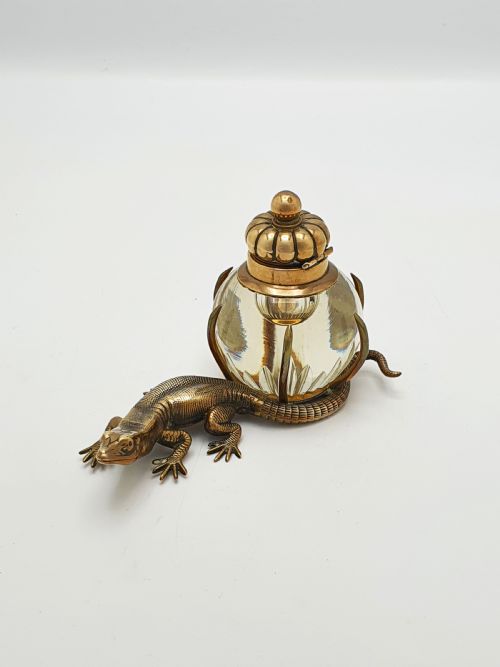
Several Victorian inkwells feature startled stags and lizards equipped with original glass eyes peering across the desk.
Assessing quality in period pieces
The distinction between standard and superior pieces rests on the complexity of the materials and the precision of the assembly. Finer examples incorporate specialised decorative arts such as champlevé enamel, figural gilt bronze castings with inset glass eyes, or intricate Tunbridge ware mosaics.
Material selection and decorative depth separate ordinary desk accessories from exceptional ones. Hand-painted papier-maché with detailed motifs and solid exotic woods show a higher degree of workshop skill than plain utility boxes.
Gillows of Lancaster
The 19th Century Desk Tidy Glossary
- Inkstand
- A desktop stand holding one or more inkwells alongside pen recesses. These accessories formed the centrepiece of nineteenth-century writing equipment.
- Papier-mache
- A composite material made from paper pulp or layers of paper mixed with glue and oil, then pressed and dried. It provides a smooth surface for painting and lacquer work.
- Champleve
- An enamelling technique where troughs or cells are hollowed out in the metal surface and filled with vitreous enamel before firing. It appears frequently on French desk pieces.
- Tunbridge ware
- Woodworking characterised by tiny coloured wood mosaics forming geometric or pictorial patterns. It takes its name from the Kent town where craftsmen produced these decorative surfaces.
- Serpentine
- A compact, dark green rock often polished for ornamental objects and desk pieces. Cornish examples show distinctive mottled patterns resembling snake skin.
Frequently Asked Questions
What is a desk tidy used for?
These pieces hold everyday writing tools, ink bottles, and incoming correspondence in an organised manner on a library or study desk. They keep loose paper and pens contained while serving as decorative desktop ornaments.
Most incorporate specific compartments for inkwells, sanders, stamps, and letters. Their primary function was to maintain order on a busy nineteenth-century writing surface.
How do I date a 19th century desk tidy?
Dating relies on identifying the prevailing decorative style, such as George IV Neoclassical forms or later Victorian Gothic Revival details. Material preferences and manufacturing techniques also shift from early century rosewood boxes to late century stone and bronze ornaments.
Examining internal construction, hinges, and linings provides further clues to the decade of manufacture. Hallmarks on metal mounts or attributed workshop characteristics help narrow the production window.
Are inkwells included with these stands?
Many inkstands and desk sets retain their original glass or ceramic inkwells fitted into designated recesses. Some pieces feature lidded glass inserts or figural bronze holders designed specifically for the stand.
Original inserts match the dimensions and period style of the outer frame. Replacements occur frequently due to the fragile nature of glass over long periods.
How should I care for a wood and metal desk tidy?
Wood surfaces require occasional dusting and minimal waxing to preserve the natural finish of walnut, oak, or rosewood. Metal components like brass and bronze benefit from gentle cleaning without abrasive polishes that remove patination.
Keeping items away from direct sunlight and excessive humidity protects painted papier-maché and delicate inlays. Proper placement prevents warping in timber cabinets and letter racks.