

19th Century Decorative Mirror
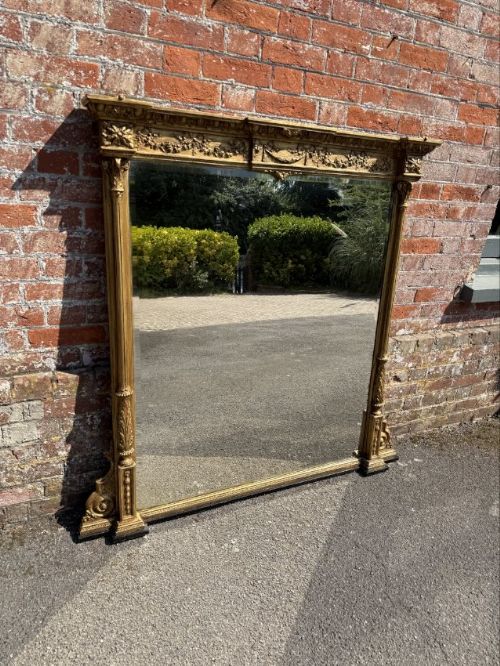
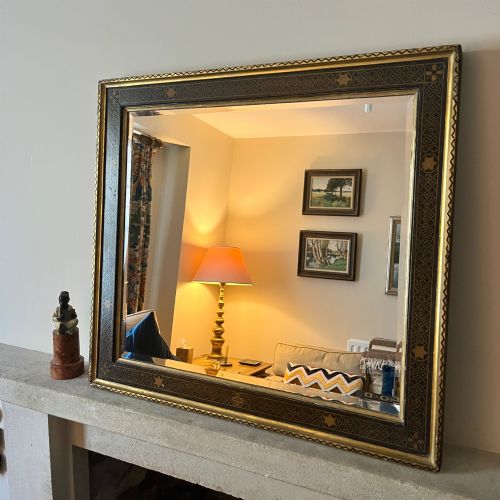
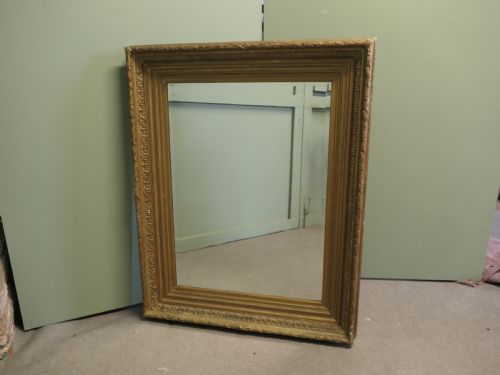
When sourcing a 19th century decorative mirror, collectors find grand wall pieces and overmantels that bring immediate character and historical presence to an interior.
19th Century Decorative Mirror
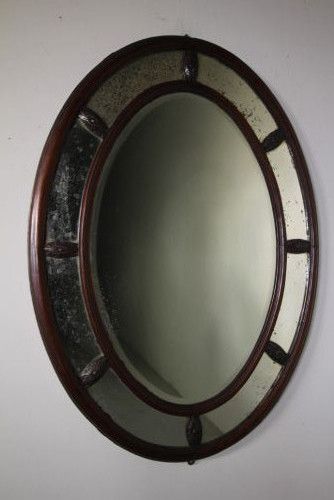
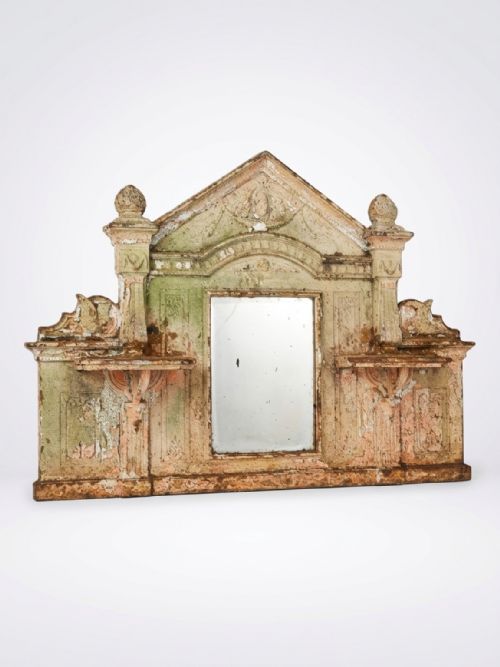
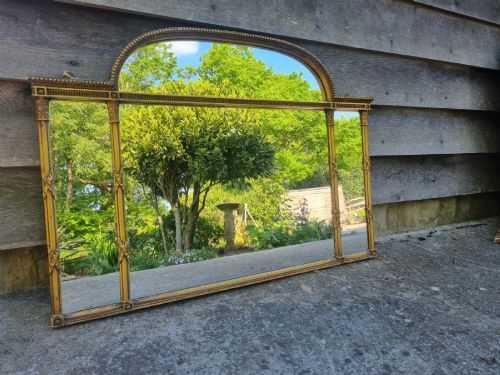
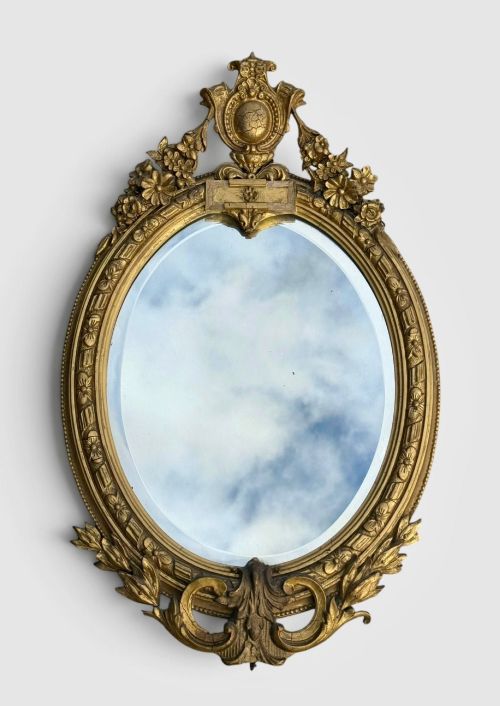
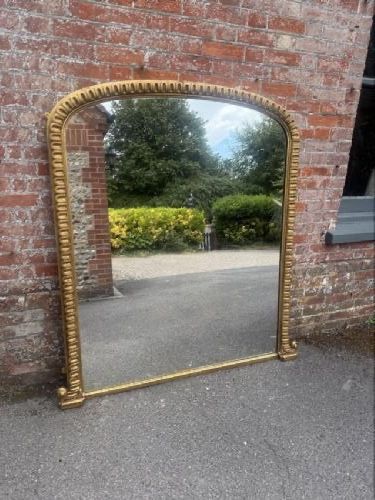
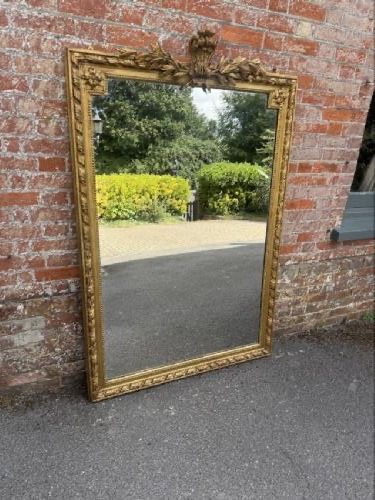
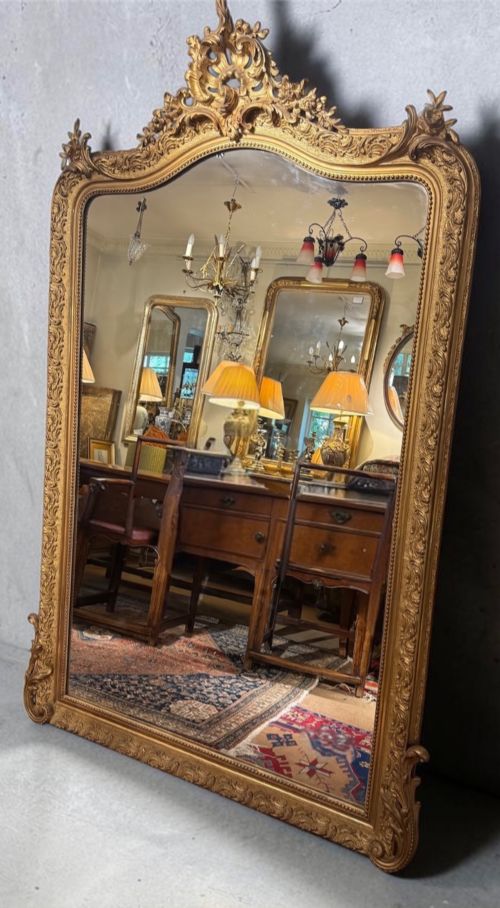
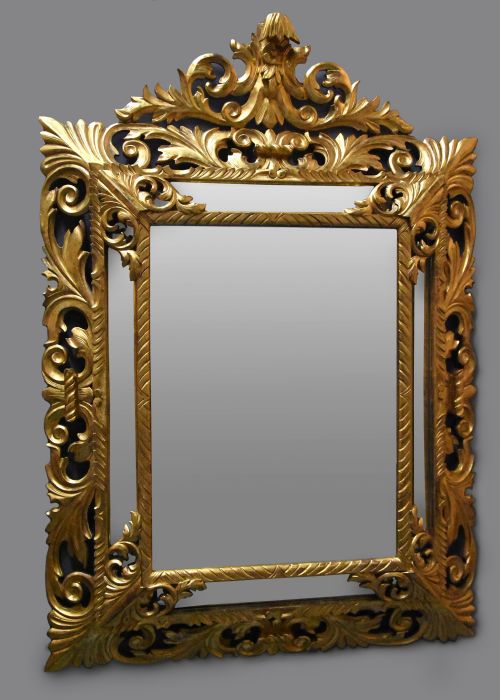
A 19th century decorative mirror encompasses a diverse selection of forms designed to reflect light and ornament period rooms. The most common examples meeting buyers on this page include large gilt overmantel mirrors, tall pier mirrors, and elaborate wall-hung frames originating from English, French, and Italian workshops.
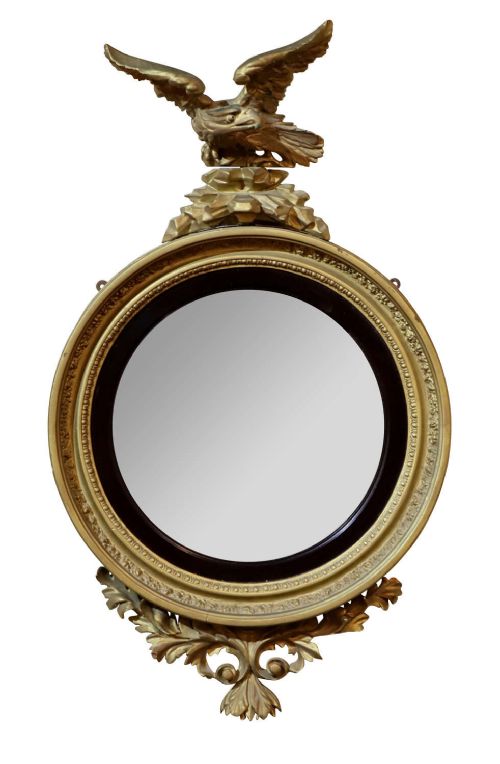
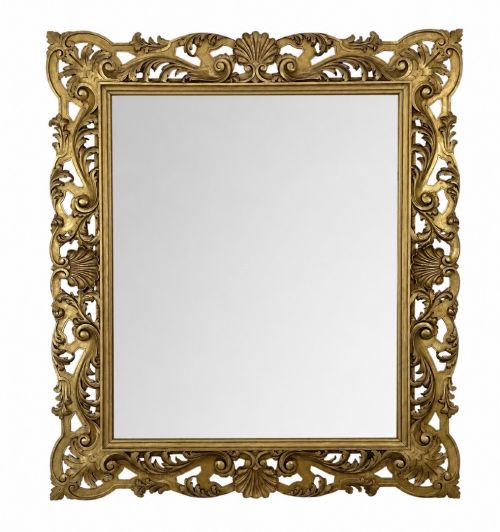
The architectural scale of these objects ranges from substantial overmantels intended to sit above fireplaces to circular convex designs and intricate Venetian cushion mirrors. Styles draw heavily on historical revivals, incorporating French Rococo, Renaissance, and Regency design vocabularies into domestic spaces.
How They Were Made
Craftsmen built structural frames primarily from timber substrates such as oak, pine, mahogany, and walnut, often applying moulded plaster or gesso layers to build up intricate surface ornamentation. Gilding was achieved by laying gold leaf over the prepared gesso, while alternative treatments utilised paint, ebonised finishes, or red lacquer.
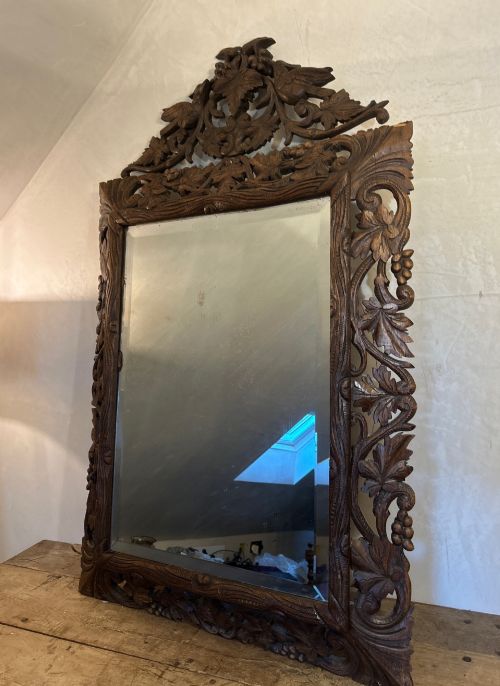
Carved wooden elements required skilled joinery and manual chisel work to produce detailed motifs like vine leaves, rope twists, and armorial crests. Glass plates were hand-silvered and fitted into the rebates, frequently retained by slips or secured behind carved mouldings and decorative cartouches.
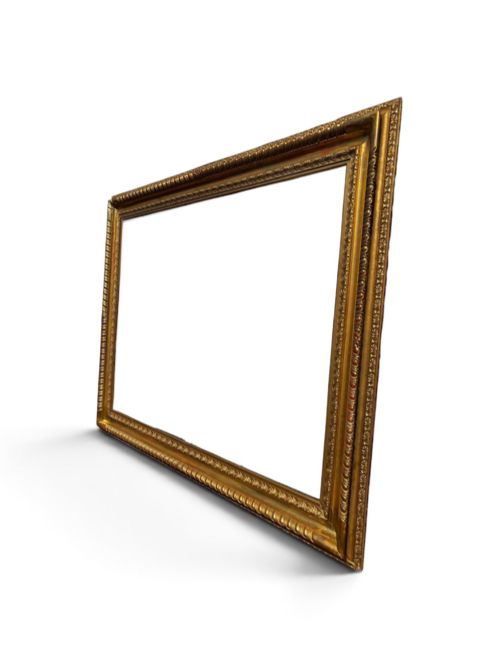
Common forms include wall mirrors, overmantel mirrors, pier mirrors, and picture frames styled in French Rococo, Regency, and Venetian designs.
What Varies in Quality
Quality reveals itself in the depth and crispness of the hand-carved detail and the integrity of the original gesso and gilding layers. Superior examples display sharply defined ornamentation without heavy restoration hiding the original ground.
The proportion of the frame relative to the glass plate dictates visual balance, with finer pieces maintaining harmonious symmetry and sophisticated integration of crests or pediments. Original mirrored glass with genuine ageing adds considerable character compared to later modern replacements.
The 19th Century Decorative Mirror Glossary
- Giltwood
- Wood that has been coated with gold leaf over a prepared gesso ground. This technique creates a luminous metallic finish characteristic of high-status frames.
- Gesso
- A plaster mixture applied to wooden frames as a smooth base for gilding or painting. It allows craftsmen to model intricate relief ornamentation.
- Overmantel mirror
- A large horizontal mirror designed specifically to hang on the wall directly above a fireplace mantelpiece. These pieces often feature architectural cornices or central cartouches.
- Pier mirror
- A tall, narrow mirror designed to hang on the wall space between windows. They maximise natural light reflection in period reception rooms.
- Convex mirror
- A circular mirror featuring a curved outwards glass plate that provides a wide-angled panoramic reflection. They frequently incorporate ebonised slips and eagle surmounts.
- Trumeau mirror
- A decorative wall mirror combined with an oil painting or carved panel above the glass plate. Originating in France, they formed an integrated part of interior wood panelling.
19th Century Decorative Mirror: Frequently Asked Questions
Where should I hang an overmantel mirror?
These large mirrors traditionally sit directly above a fireplace mantelpiece to anchor the room's main focal point. Their scale allows them to reflect surrounding light and open up the visual space of a reception room.
Ensure the wall construction safely supports the substantial weight of a timber and gesso frame before installation. Positioning them at the correct height relative to the mantel creates a balanced architectural proportion.
How do I identify a French chateau style mirror?
French chateau pieces typically exhibit elaborate carved wood and gesso ornamentation with organic motifs like leaves and scrolls. Distressed painted finishes and shaped arched tops frequently accompany these grand decorative formats.
Look for distinctive regional traits such as trumeau panels or parcel-gilt highlights that reflect 19th-century French revival aesthetics. The craftsmanship often prioritises theatrical display and ornamental richness.
What is an ebonised slip?
An ebonised slip is a dark, blackened inner moulding that sits between the main outer frame and the mirrored glass plate. This technique creates a sharp visual boundary that draws the eye toward the reflection.
Makers utilised ebonised wood to provide contrast against gilt or carved wooden outer borders. The detail appears frequently on convex and wall mirrors from the period.
How do I care for antique gilt wood?
Maintain gilt wood surfaces by gently dusting with a soft, dry brush to prevent the accumulation of particles in the carved recesses. Avoid liquid cleaners and chemical solvents that can damage fragile gold leaf and gesso layers.
Keep the mirrors away from direct sunlight and areas prone to high moisture to protect the timber substrate and silvered glass. Stable room temperatures ensure the historic materials do not warp or crack over time.