



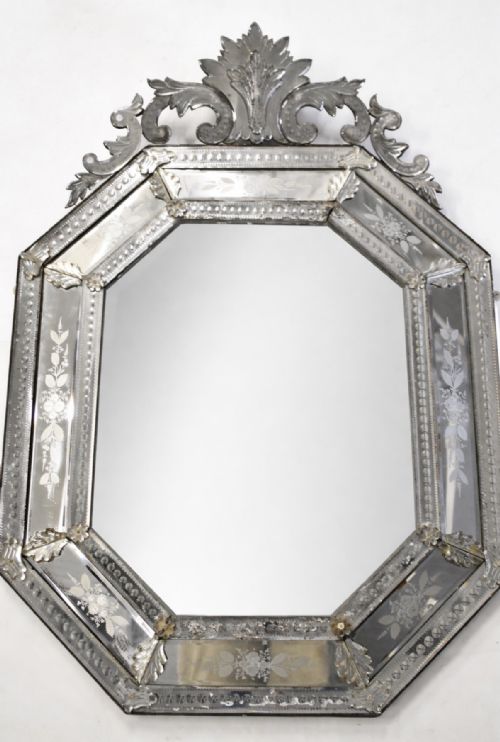
19th Century Cushion
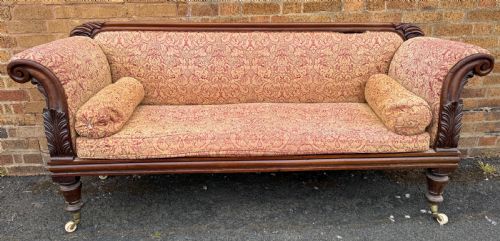
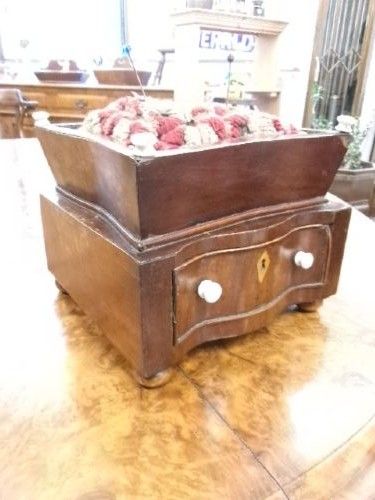
A 19th century cushion typically brings together gilded wooden frames, plush textiles, and intricate metalwork for decorative interiors.
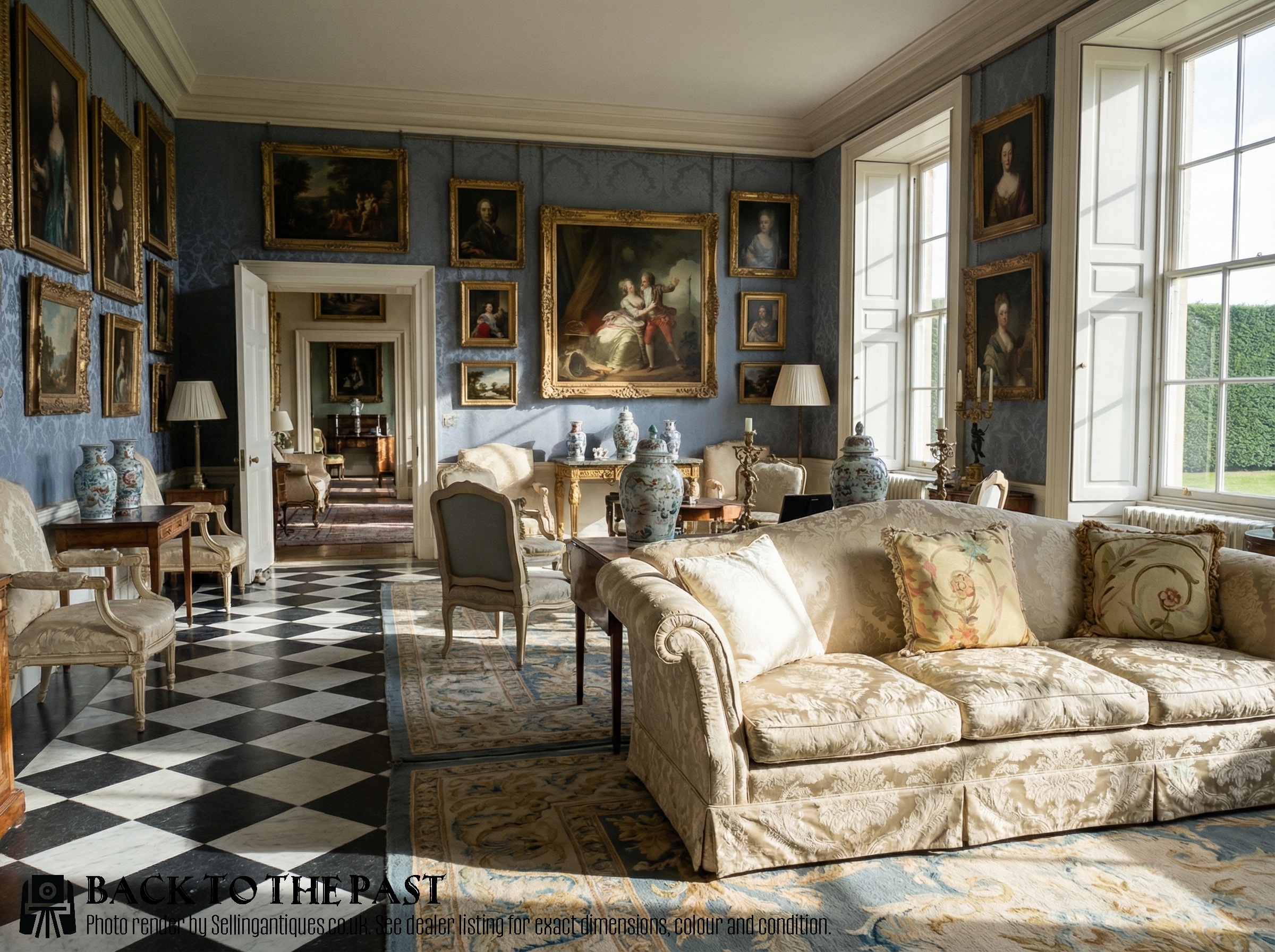
19th Century Cushion
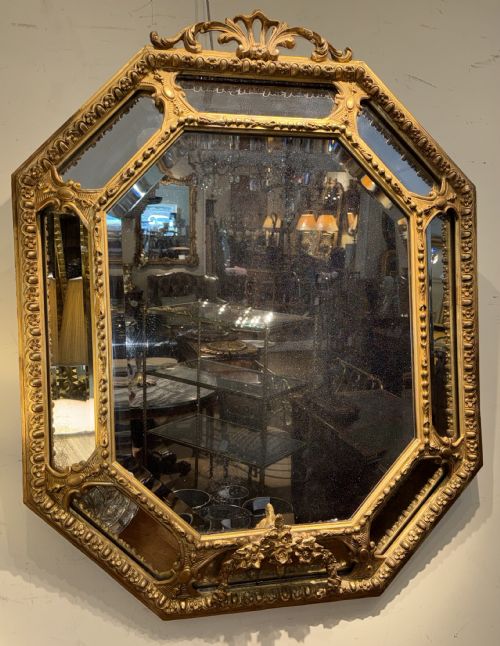
When searching for a 19th century cushion, buyers encounter two distinct categories: decorative soft furnishings made from historical textiles and architectural cushion framed mirrors.
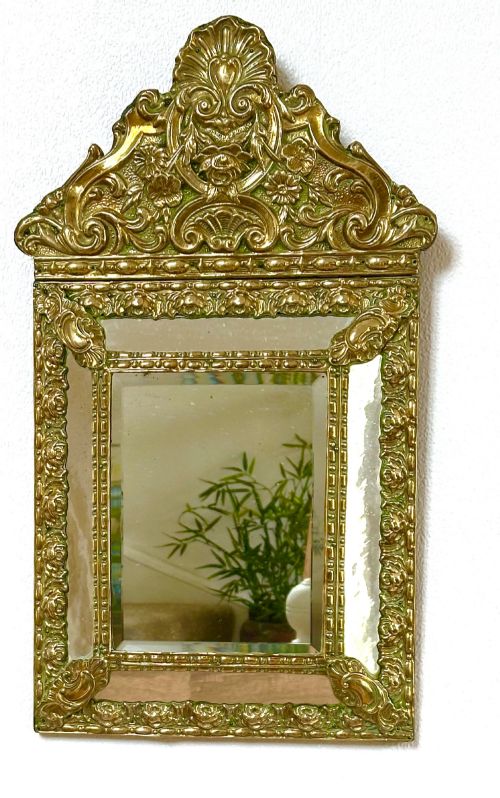
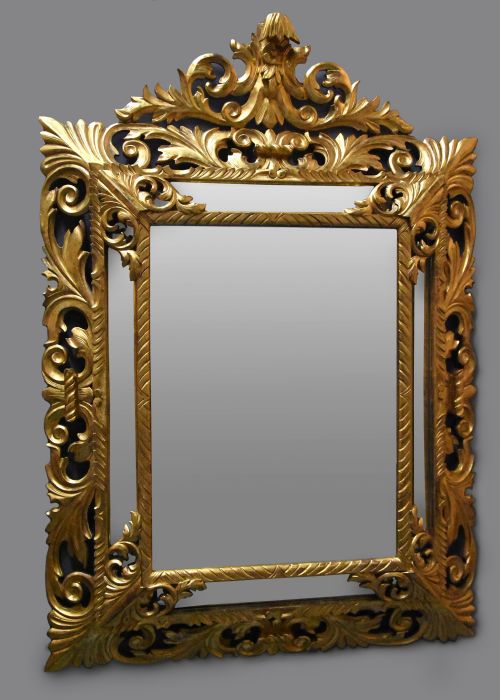
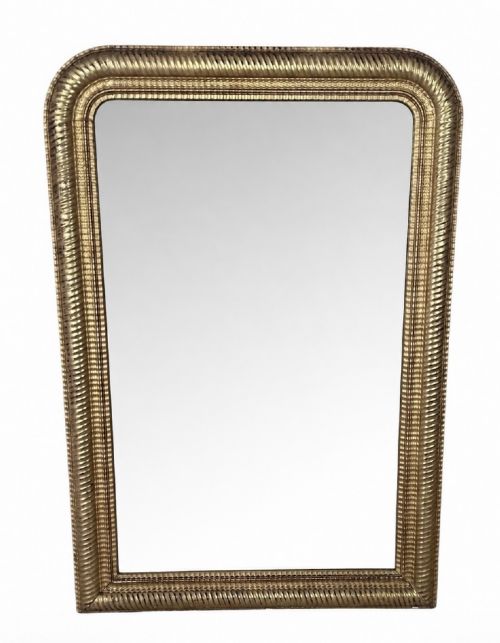
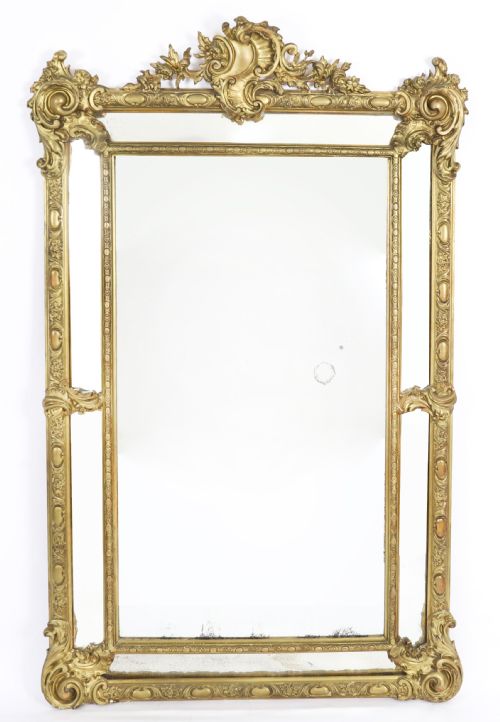
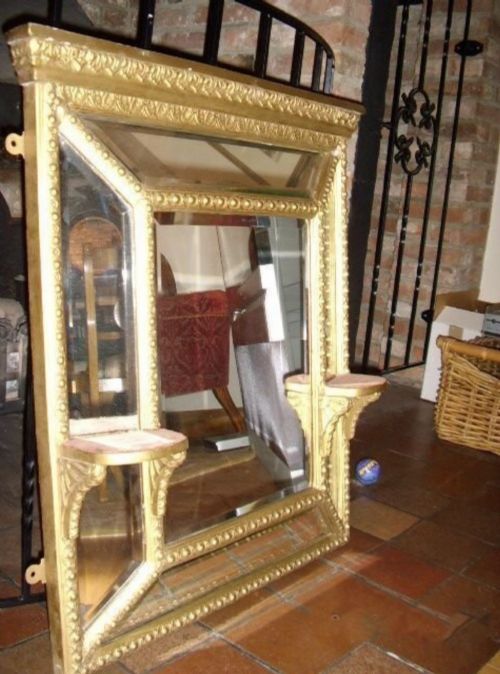
The mirrored versions dominate the selections, appearing frequently in giltwood, gesso, and repousse brass with convex or swept frames.
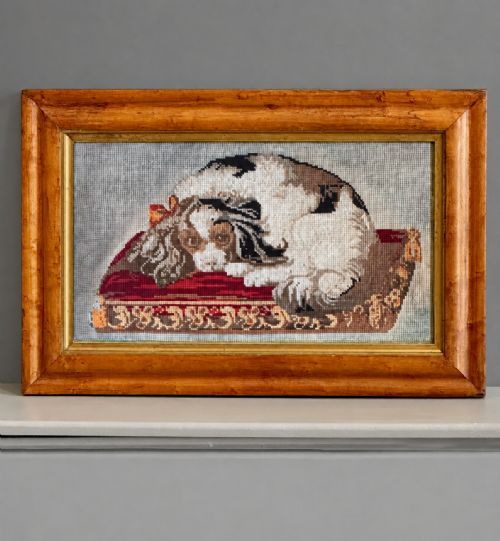
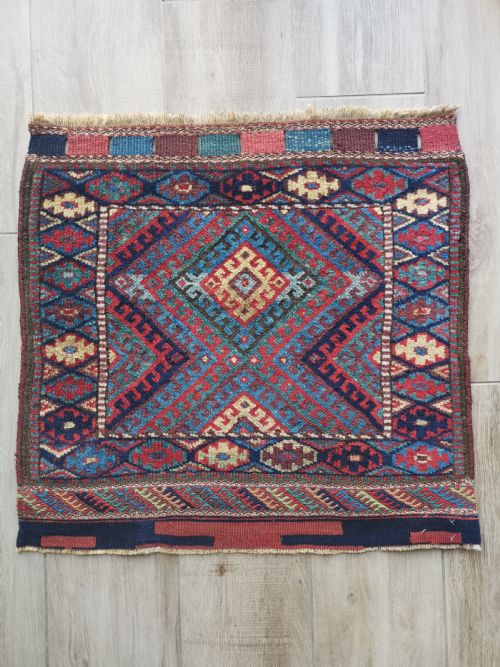
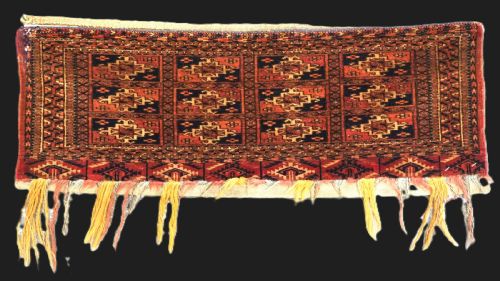
Textile examples include needlework panels, Aubusson tapestries, and tribal saddle bag faces originating from various European and Middle Eastern traditions.
Materials and Construction Methods
Frames for mirrors and small objects utilise carved wood, gesso, giltwood, and brass, often finished with ripple moulding or repousse work.
Soft pieces rely on wool, silk velvet, and embroidery techniques such as Berlin work and crewel work applied to traditional fillings.
Glass elements frequently incorporate bevel cutting, marginal plates, or foxed mercury plates set within the curved timber structures.
Listings feature items spanning the 1800s to 1900, incorporating materials from mahogany and brass to wool and glass.
Assessing Quality and Craftsmanship
The depth and crispness of the carving on wooden and gesso frames distinguish superior examples from flatter, mass-produced alternatives.
Original gilding and untouched mirror plates retain higher historical integrity than pieces with later surface restorations.
For textile forms, the density of the needlework, the survival of original backings, and the complexity of the pattern dictate the standard.
Antoine Louis Barye·George W Shiebler·Sibyl Colefax
The 19th Century Cushion Glossary
- Cushion mirror
- A wall mirror featuring a broad, convex frame that slopes outward toward the edge, popular throughout the nineteenth century.
- Berlin work
- A style of counted-thread embroidery using wool on canvas that gained immense popularity in the mid-nineteenth century.
- Repousse
- A metalworking technique where the artist hammers the design from the reverse side to form raised relief patterns on brass or silver.
- Aubusson
- A woven tapestry style originating from France, frequently utilised for upholstery and decorative cushions.
- Torba
- A small Turkmen bag face woven with geometric motifs, often repurposed into decorative wall hangings or cushions.
19th Century Cushion: Frequently Asked Questions
What is a cushion mirror?
A cushion mirror is an antique wall hanging distinguished by its rounded, sloping frame that resembles a stuffed pillow.
These frames were constructed from carved wood, gesso, or repousse metal to catch and reflect light across Victorian and Regency interiors.
How do I clean an antique frame?
Antique giltwood and brass frames require careful dusting with a soft, dry brush to preserve the fragile metallic surfaces.
Moisture and modern chemical cleaners should be avoided to prevent stripping the historical gilding and patination.
Are textile pieces meant for use?
Nineteenth-century textile pieces such as Aubusson panels and tribal bag faces are largely intended for display rather than heavy daily seating.
Protecting them from direct sunlight prevents the fading of delicate wool and silk threads.
How do I date a brass frame?
Dating repousse brass and metal frames involves examining the construction techniques, plate characteristics, and mounting hardware on the reverse.
Nineteenth-century examples often display hand-beaten detailing and original timber backing boards.