
19th Century Country Table
A 19th century country table brings working utility and weathered warmth into a modern room through honest timber and generous proportions.
19th Century Country Table
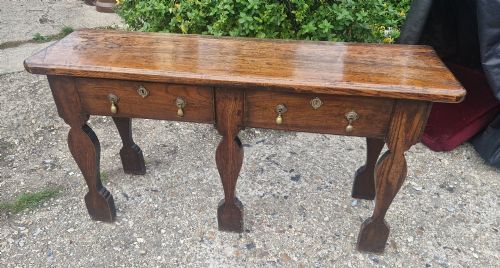
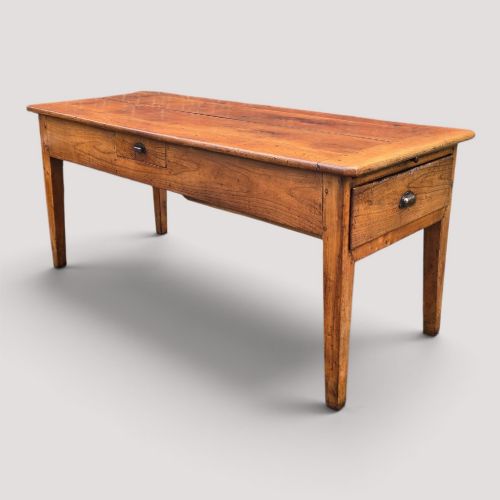
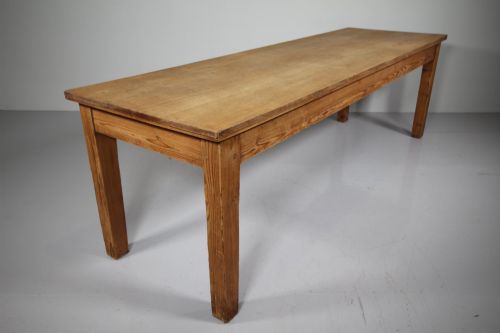
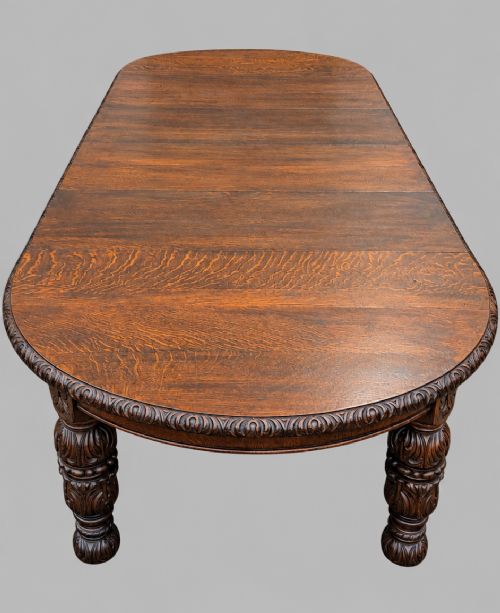
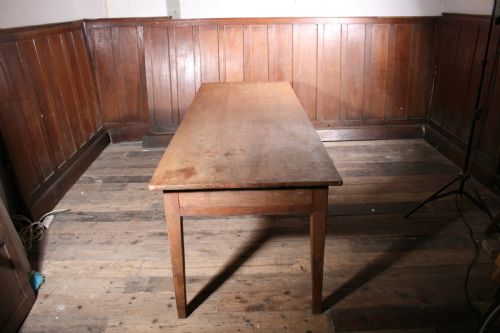
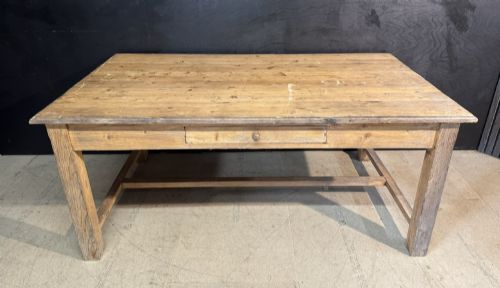
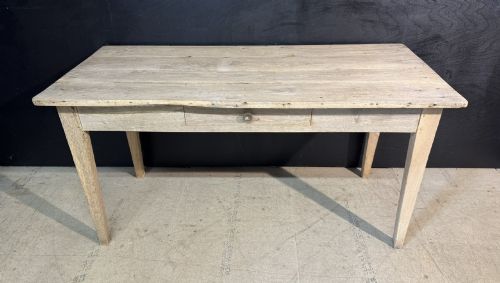
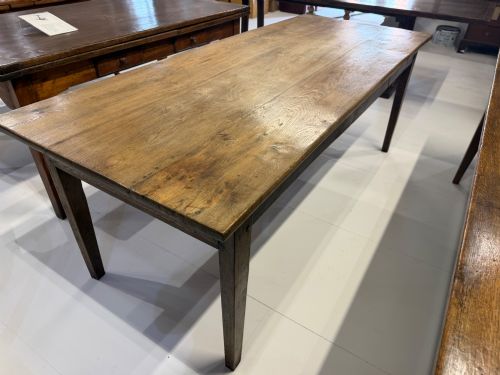
A 19th century country table encompasses hardworking domestic and workshop furniture built for daily service rather than formal display. These pieces range from substantial oak and elm dining boards to pine kitchen preparation tables and smaller side or console pieces.
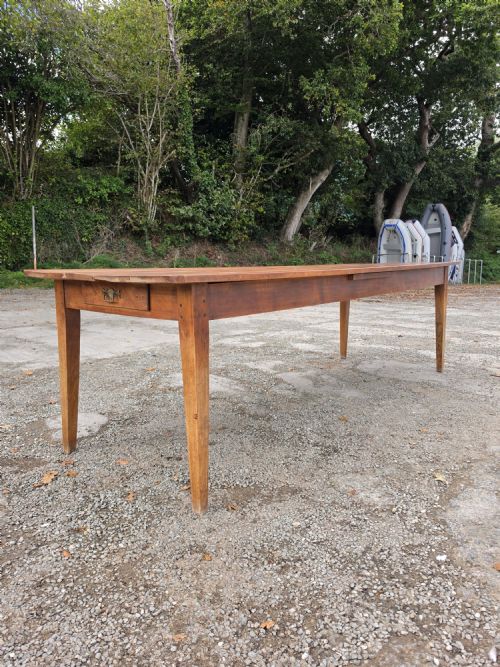
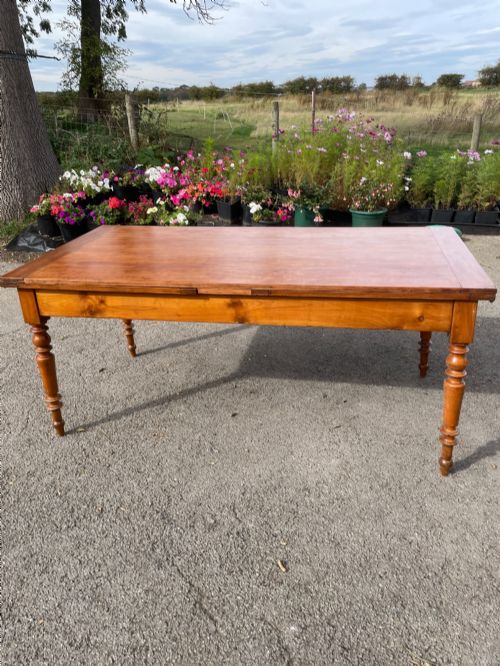
The most frequent examples found here are pine and oak farmhouse or kitchen dining tables, often fitted with practical single or double drawers. Regional variations appear across English, French, Welsh, and Spanish origins, reflecting local timber supplies and rural domestic traditions.
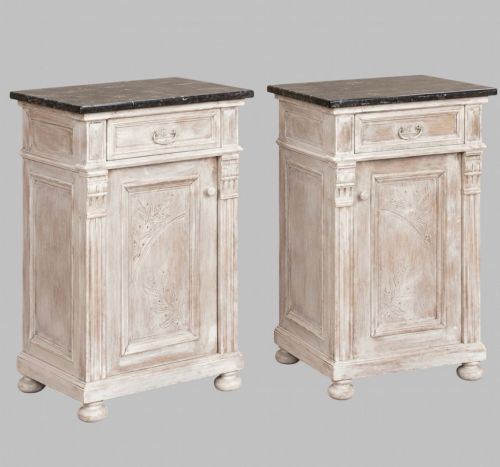
Beyond standard dining forms, the selection includes specialised utility pieces such as dairy tables, drapers tables, and occasional side tables. Their straightforward construction serves functional domestic spaces while offering enduring character for contemporary interiors.
Materials and Construction
Makers utilised the accessible hardwoods and softwoods of their regions, predominantly oak, pine, pitch pine, fruitwood, and elm. These timbers were selected for local availability and structural resilience under heavy daily use.
Joinery techniques prioritize strength and straightforward assembly, relying on solid timber tops secured to sturdy legs, sometimes incorporating tapered supports or structural stretchers. Surface treatments range from unsealed scrubbed wood to original scumble paint, milk paint, or clear protective finishes.
Listings feature regional variations spanning English, French, Welsh, and Spanish origins, utilising pine, oak, elm, and fruitwood.
Assessing Quality and Character
Quality in these domestic pieces rests upon the integrity of the original timber and the survival of an honest, uncompromised surface. Tables retaining their original paintwork, authentic drawer construction, and untouched patination command greater regard from collectors.
Proportion and structural balance also distinguish finer examples, where timber shrinkage and decades of active service have settled naturally without weakening the frame. Excessive restoration or heavy modern sanding diminishes the tactile history that defines a genuine rural table.
The 19th Century Country Table Glossary
- Scumble
- A decorative paint technique applied to imitate the grain of more expensive woods or to create mottled patterns on pine furniture. It gained widespread popularity during the Victorian period.
- Refectory table
- A long, narrow dining table traditionally built with a central stretcher connecting the legs for added stability. These heavy forms originated in monastic dining halls before entering domestic rural use.
- Pitch pine
- A dense, resinous softwood sourced primarily from North America and utilised extensively during the 19th century for durable furniture. It is characterised by prominent grain patterns and rich colour.
- Cricket table
- A small, lightweight occasional table supported by three splayed legs designed to stand steady on uneven flagstone floors. They typically feature a round wooden top above a triangular underframe.
- Drapers table
- A long, wide table originally employed in fabric shops and country houses for folding textiles, usually featuring multiple drawers beneath the top. Their generous proportions make them well suited as kitchen islands.
19th Century Country Table: Frequently Asked Questions
How do I clean a pine kitchen table?
Wash the surface gently using warm water and mild soap, avoiding harsh chemical cleaners that strip the historic finish. Dry the timber thoroughly with a soft cloth to protect the natural grain.
Apply a traditional beeswax periodically to nourish dry pine and maintain a soft protective sheen. Avoid placing hot dishes directly onto the bare wood to prevent permanent staining.
Were these tables used only for dining?
Rural tables served multiple daily functions within the household, acting as preparation spaces for food, laundering stations, and workshop benches. Kitchens and dairies relied on these sturdy surfaces for continuous domestic labour.
Larger variants often doubled as workspace for sewing or administrative tasks before the household retired for the evening. Their robust construction accommodated heavy physical tasks far beyond simple meal service.
How can I tell English and French tables apart?
English country tables frequently rely on dense oak or pine with straightforward, unadorned structural frames and deep drawers. French provincial examples often incorporate fruitwoods such as cherry or walnut alongside softer elm, sometimes featuring subtler leg turnings.
Regional hardware and stretcher placement also offer clues to origin, reflecting distinct carpentry traditions across the Channel. Both traditions prioritized utility, but local timber availability shaped the final aesthetic.
Can I use an antique table every day?
These pieces were originally constructed for decades of demanding family use and remain exceptionally durable for modern living. Their solid wood construction handles regular daily activities comfortably without structural concern.
Using felt pads, coasters, and tablecloths helps protect historic surfaces from unnecessary moisture and scratches. Embracing minor operational wear allows the table to continue accumulating character over time.