


19th Century Counters
These 19th century counters bring authentic commercial history into a room, offering practical surface space and period character.
19th Century Counters
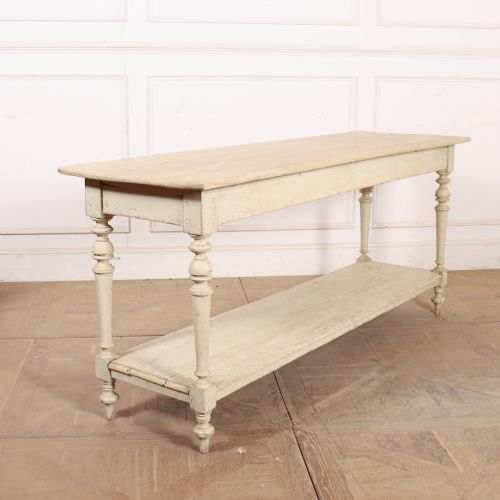
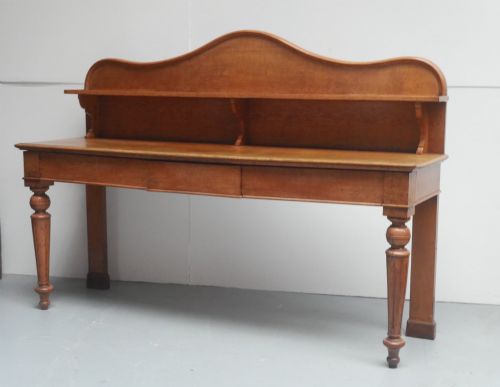
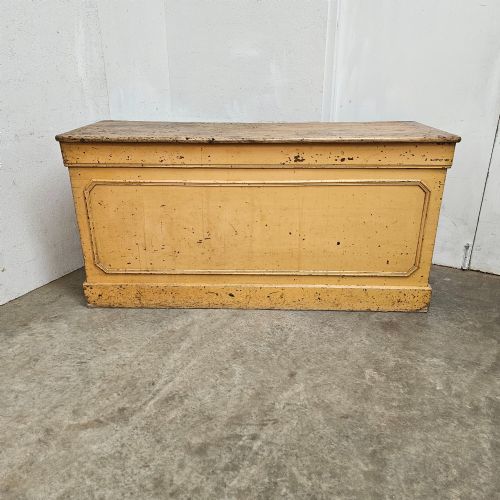
The version you are most likely to meet on this page is the large retail drapers table or shop counter originating from France or England. These pieces typically feature long wooden tops supported by sturdy timber bases, often retaining their original painted finishes or plain scrubbed surfaces.
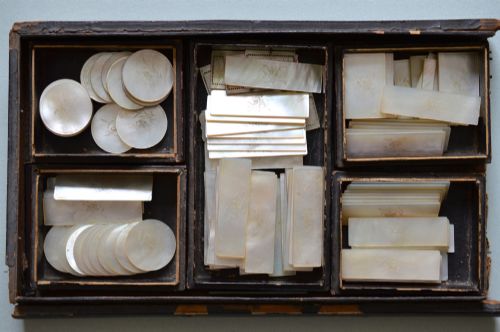
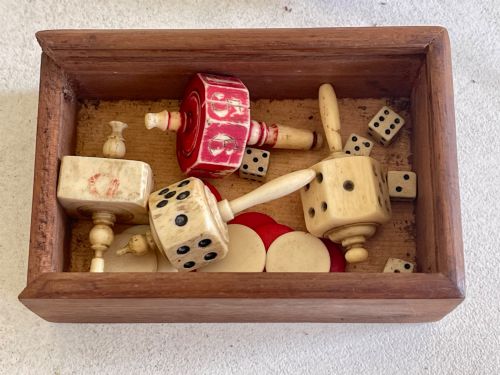
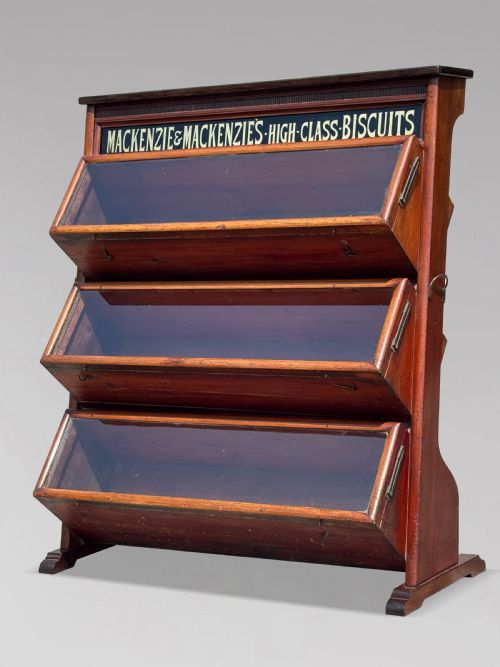
Beyond retail furniture, the category extends to specialised items associated with trade and leisure, including apothecary boxes, balance scales, and gaming pieces used for whist or cribbage. Each object reflects the commercial practices and parlour games of the Victorian era.
How they were made
Makers utilised dense timbers such as oak, elm, mahogany, and sycamore to build pieces capable of withstanding heavy daily use in shops and public houses. Joinery methods relied on traditional pegging and framing to ensure structural rigidity in large serving tables and display cabinets.
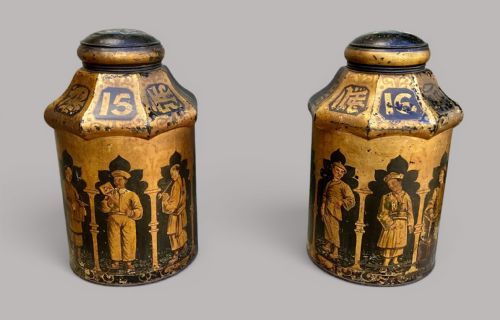
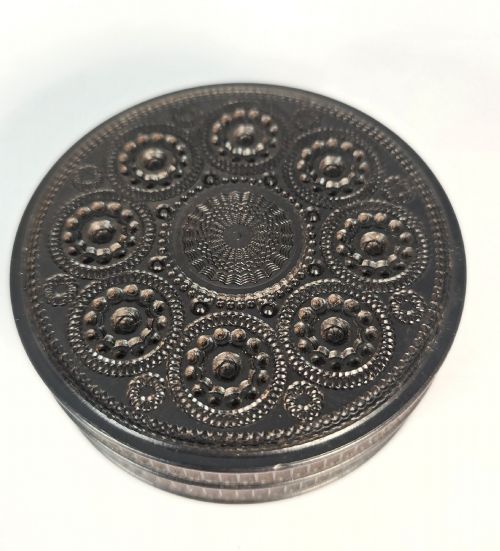
Surfaces often received protective or decorative coatings, including black and gilt Chinoiserie decoration, hand-mixed paint layers, and polished finishes. Smaller items like snuff boxes and gaming counters employed materials such as bone, mother of pearl, silver gilt, and ebony, shaped by hand or turned on a lathe.
Listings feature oak, pine, elm, and mahogany timbers across various regional workshops and retail forms.
What varies in quality
The distinction between standard utility items and finer examples often rests on the preservation of original surface finishes, such as untouched paint or natural patina accumulated through decades of trade. Pieces that retain their authentic hardware, original glass panels, or maker markings hold greater interest.
Proportion and timber selection also divide the range, with dense hardwoods like oak and figured mahogany showing superior grain structure and joinery integrity compared to basic utility pine. The complexity of decorative details, from engine turning on small boxes to carved mouldings on display cabinets, dictates the tier of the piece.
John Stow Ltd of Bradford·Trussant & Cie
The 19th Century Counters Glossary
- Drapers table
- A long wooden counter or table originally utilised in fabric shops for measuring and displaying textiles. These pieces are characterised by their elongated proportions and sturdy timber construction.
- Chinoiserie
- European decorative style inspired by Chinese art and design, frequently featuring hand-painted motifs in gold and black on a dark background.
- Engine turned
- A geometric pattern precisely cut into metal or wood using a specialised lathe. This technique appears on small luxury items like snuff boxes.
- Vitrine
- A glass-fronted display cabinet designed for exhibiting delicate objects or retail merchandise. These enclosures protect items while allowing full visibility.
19th Century Counters: Frequently Asked Questions
What were drapers tables used for?
Drapers tables served as the primary workspace in fabric and dry goods shops during the Victorian period. Shopkeepers used the long wooden surfaces to measure, cut, and display bolts of cloth to customers.
Beneath the top surface, many of these tables incorporated drawers and shelving to store inventory and trade tools within easy reach.
How do I identify gaming counters?
Gaming counters from this era appear as small disks or markers made from mother of pearl, bone, or porcelain. They were produced in sets for parlour games like whist and cribbage to keep score.
Many survive in their original fitted leather boxes or wooden containers designed to keep the small pieces organised.
Are shop counters suitable for kitchens?
Large shop counters and drapers tables make practical kitchen islands due to their generous proportions and durable wooden construction. Their historic work surfaces provide ample space for food preparation and serving.
Placing one in a modern interior adds substantial storage capacity through built-in drawers and lower shelving.
How do I care for original painted wood?
Original painted surfaces on shop counters require gentle cleaning with a dry or lightly dampened cloth to preserve the historic finish. Avoid harsh chemical cleaners or abrasive pads that can strip away aged paint layers.
Applying a microcrystalline wax can protect exposed timber sections without altering the appearance of the historic paint.