


19th Century Collectors Furniture
These pieces of 19th century collectors furniture offer compact, specialised storage for small specimens, medals and curiosities crafted by period cabinet-makers.
19th Century Collectors Furniture
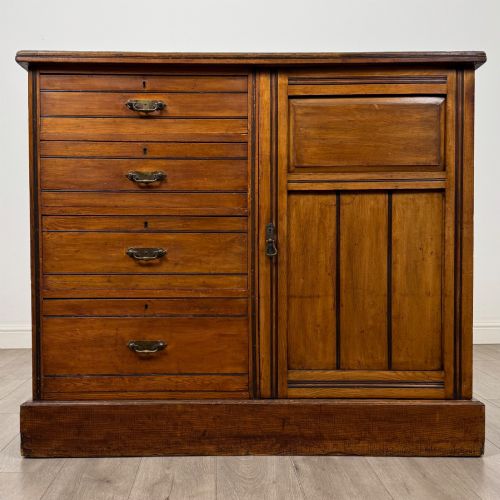
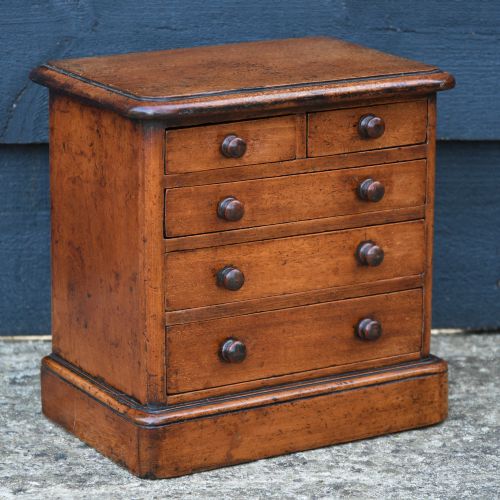
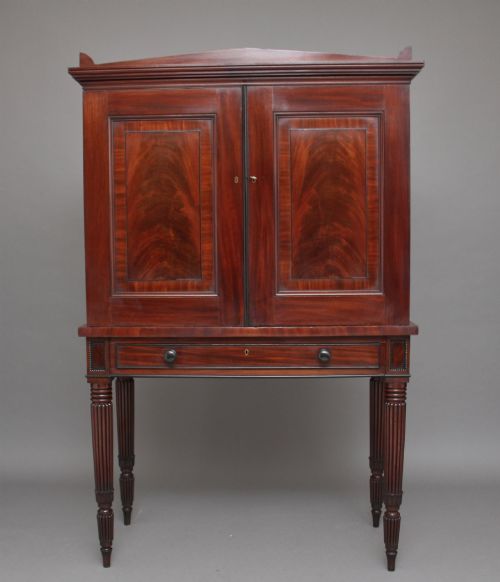
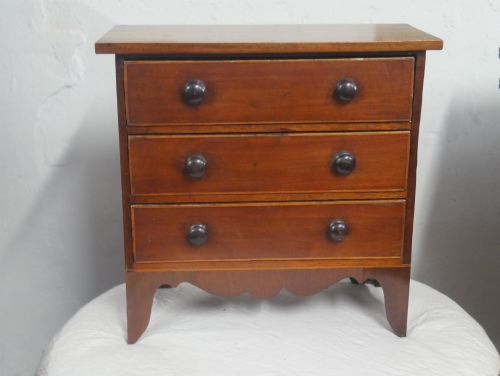
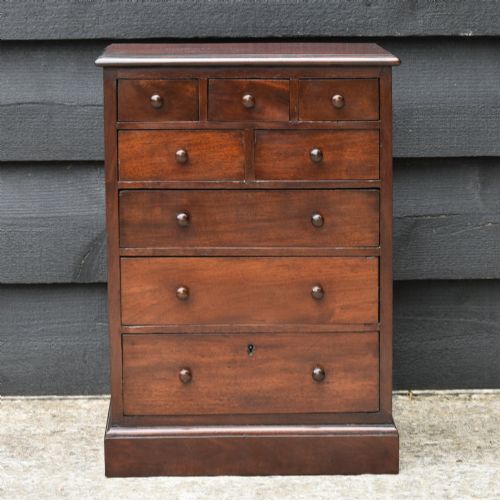
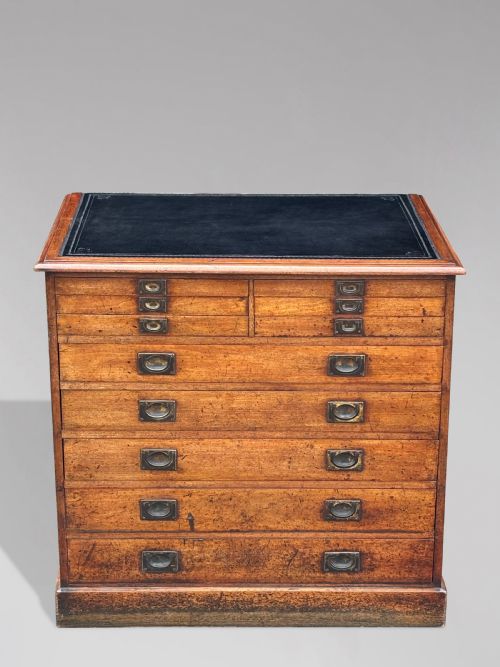
When you search for 19th century collectors furniture, you encounter a specialised group of small-scale storage pieces built for serious study and display. These items include multi-drawer cabinets, Wellington chests, miniature chests of drawers, and cabinets on stands originating from Victorian, Regency, and Georgian eras.
The selection on this page relies heavily on domestic pieces alongside small artisan demonstrations known as apprentice pieces. Mahogany forms the backbone of these offerings, accompanied by rosewood, walnut, and pollard oak, often arranged in miniature or multi-drawer formats designed to hold botanical samples, coins, or tickets.
Materials and construction methods
Cabinet-makers relied on dense hardwoods such as mahogany, rosewood, and walnut, often paired with secondary timbers like pine and cedar for drawer linings. Figures and grains were matched carefully across multiple small drawer fronts to create visual continuity.
Joinery methods involved precise dovetailing for the drawer boxes and secure carcase construction to support heavy loads of miniature drawers. Inlays of mother-of-pearl, penwork decoration, and polished brass hardware added decorative surface detail.
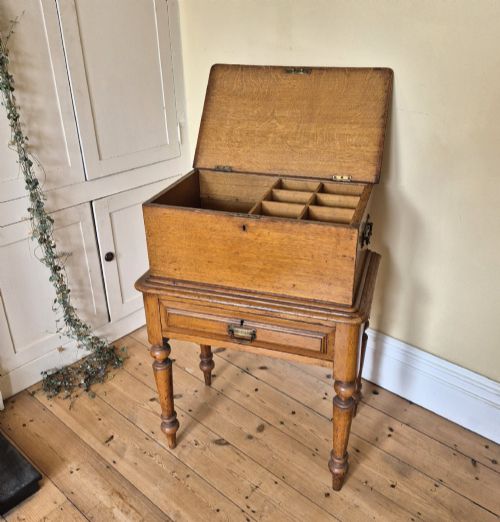
Among the miniature chests and display cabinets rests a railway ticket dispensing box ready to hand out forgotten journeys.
Distinctions in quality and execution
Quality rests upon the selection of timbers and the precision of the small-scale joinery. Highly figured veneers, such as burr walnut, amboyna, or burr yew, distinguish exceptional workshop output from plain utility pieces.
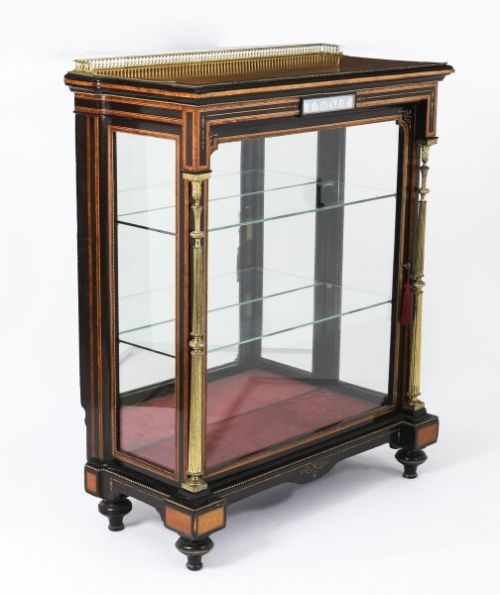
The internal arrangement dictates utility and grade, with multi-drawer configurations featuring tight tolerances and secret locking mechanisms. Original brass fittings, well-maintained patination, and intact glass panels separate standard production from superior cabinet-making.
Gillows of Lancaster·Roberson & Co
The 19th Century Collectors Furniture Glossary
- Wellington chest
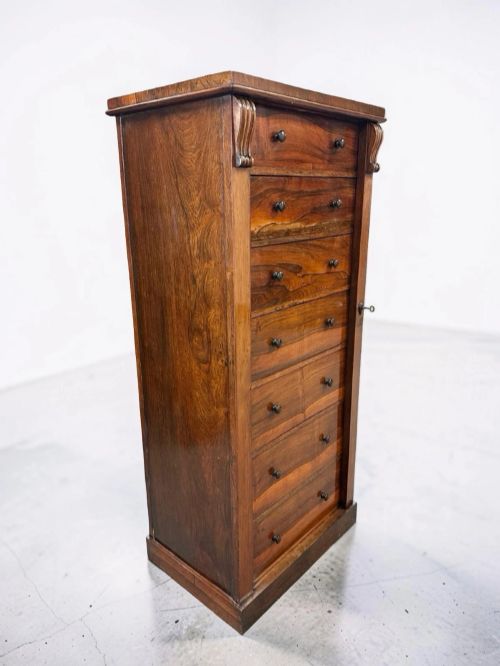
- A tall, narrow chest of drawers secured by a hinged locking stile on one vertical edge. This locking bar fastens over the drawer edges and is itself locked with a key.
- Apprentice piece
- A small item demonstrating advanced woodworking skills produced by a journeyman seeking formal admission to a trade guild. These display full-scale joinery techniques scaled down to miniature proportions.
- Cartonnier
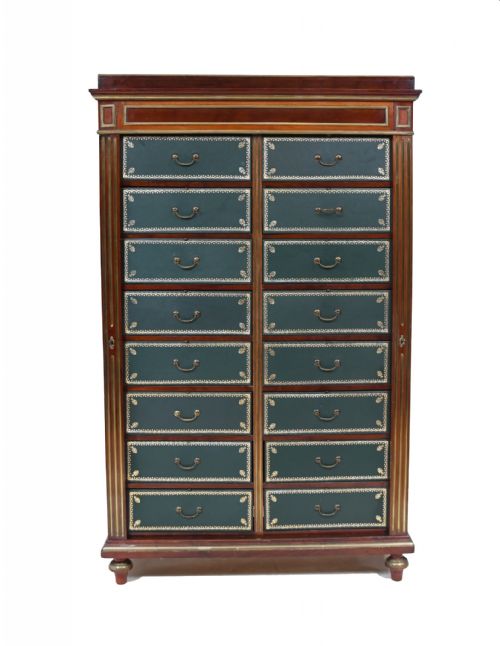
- A desktop cabinet containing multiple horizontal compartments or shallow drawers originally intended for papers and documents. French examples often feature leather-bound drawer fronts.
- Penwork
- A decorative surface technique using ink or India ink to draw fine designs onto wood before sealing and polishing. This method creates intricate black-and-white patterns resembling oriental lacquer.
- Patina
- The deep surface sheen and colour developed by wood over decades of handling, polishing, and light exposure. Genuine patination cannot be artificially replicated without losing soft historical textures.
19th Century Collectors Furniture: Frequently Asked Questions
What were multi drawer cabinets used for?
These cabinets stored large quantities of small, delicate items such as insect specimens, geological samples, coins, and dried plants. Naturalists and antiquarians organised their collections systematically across dozens of shallow interior drawers.
Each drawer protected fragile items from light, dust, and handling while allowing scholars to classify and display their personal museums at home.
How do I identify a Wellington chest?
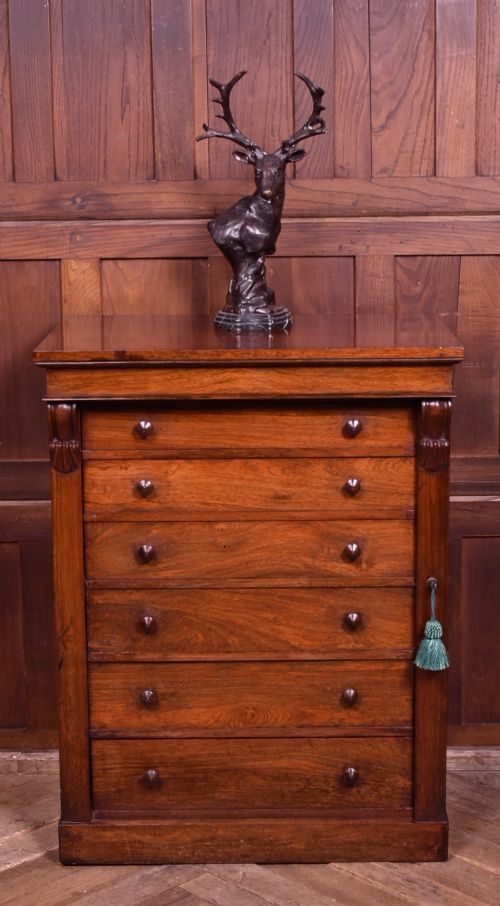
A Wellington chest stands out through its tall, narrow proportions and a hinged locking flap attached to one side of the frame. Swinging this vertical bar open unlocks every drawer simultaneously.
Most examples feature up to ten shallow drawers framed by plain or figured mahogany, rosewood, or walnut surfaces designed to fit tightly against the locking stile.
How should I care for polished wood surfaces?
Maintain polished wood surfaces by keeping them away from direct sunlight and sudden temperature changes that cause timber to dry and split. Dust the pieces regularly with a soft, dry cloth.
Apply occasional microcrystalline wax to nourish the grain and protect the historical patination without building up sticky surface residues.