



19th Century Clock Case
A 19th century clock case protects and houses timepieces, ranging from towering floor standing floor clocks to portable gilt brass carriage designs.
19th Century Clock Case
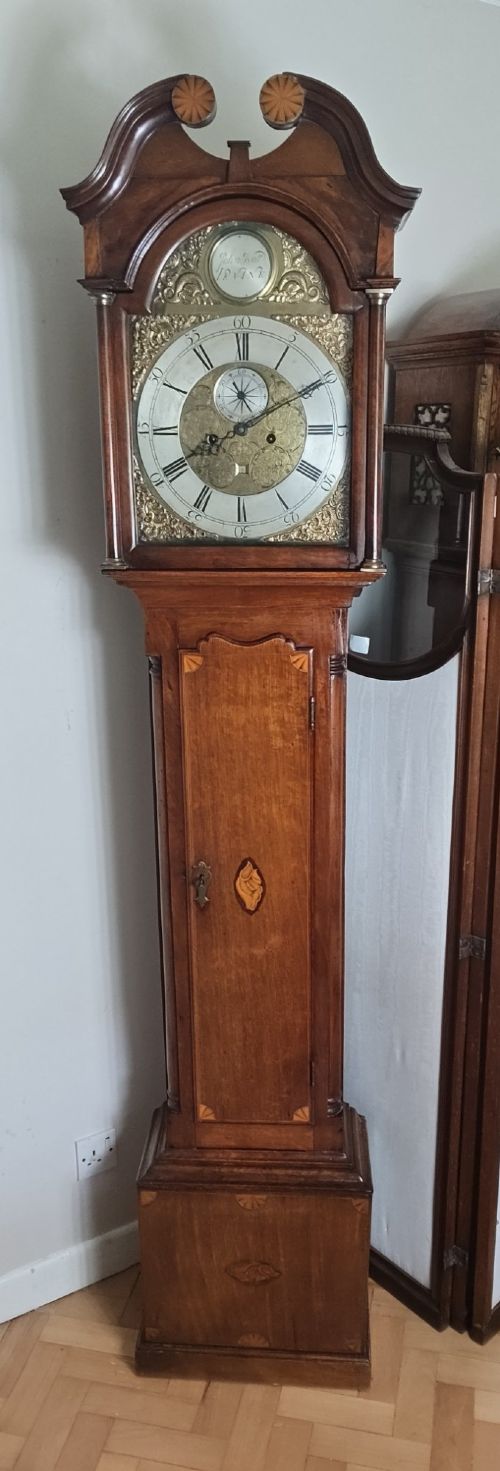
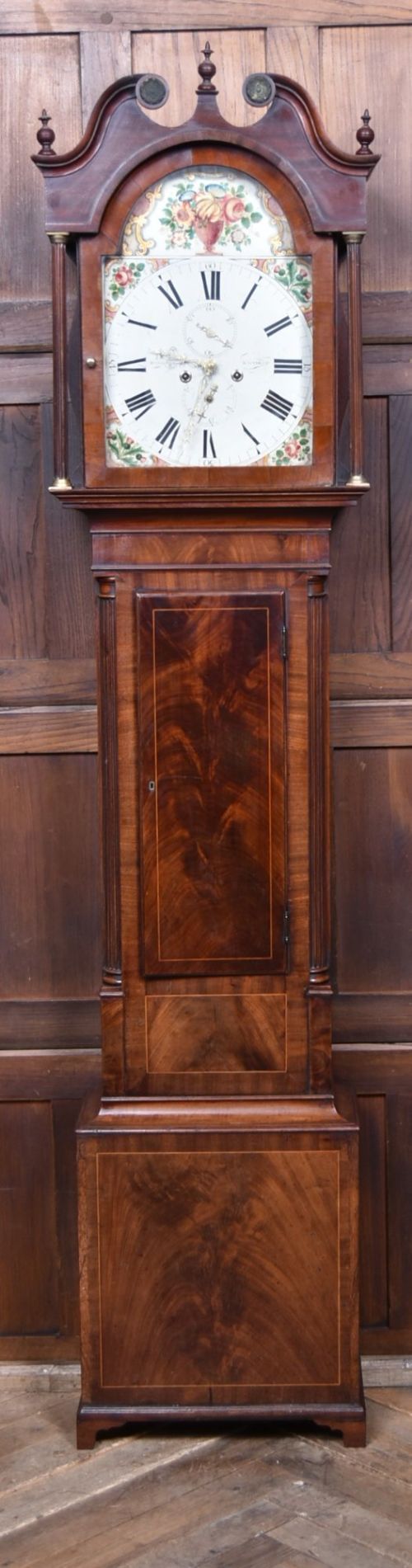
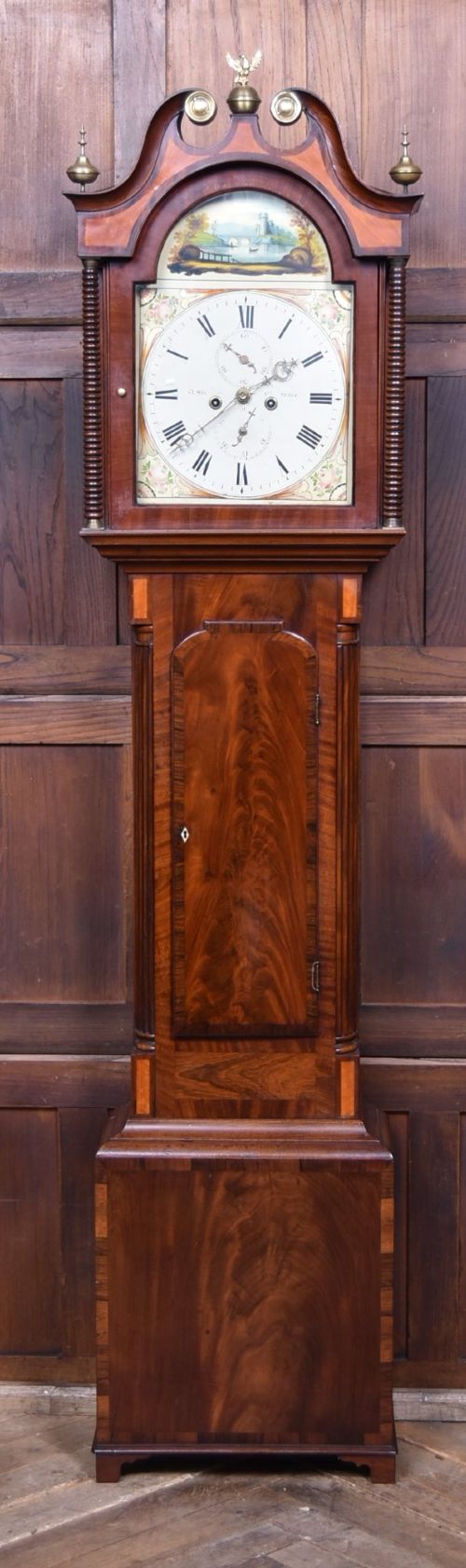
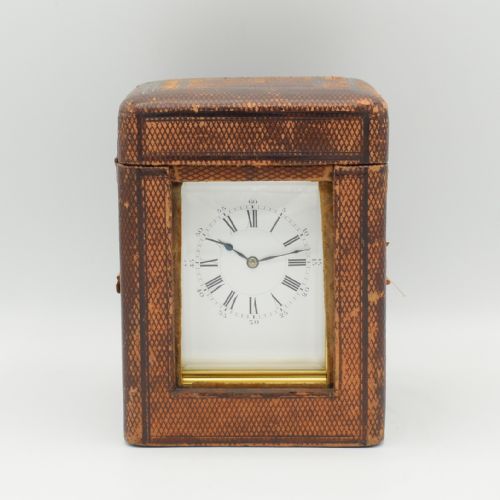
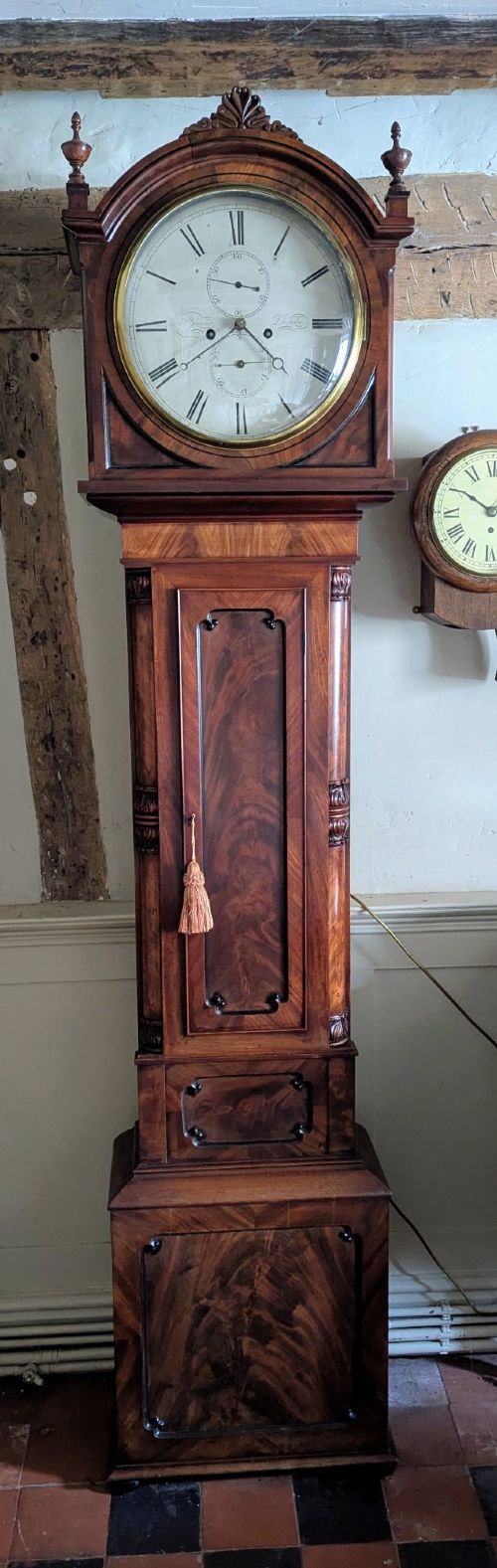
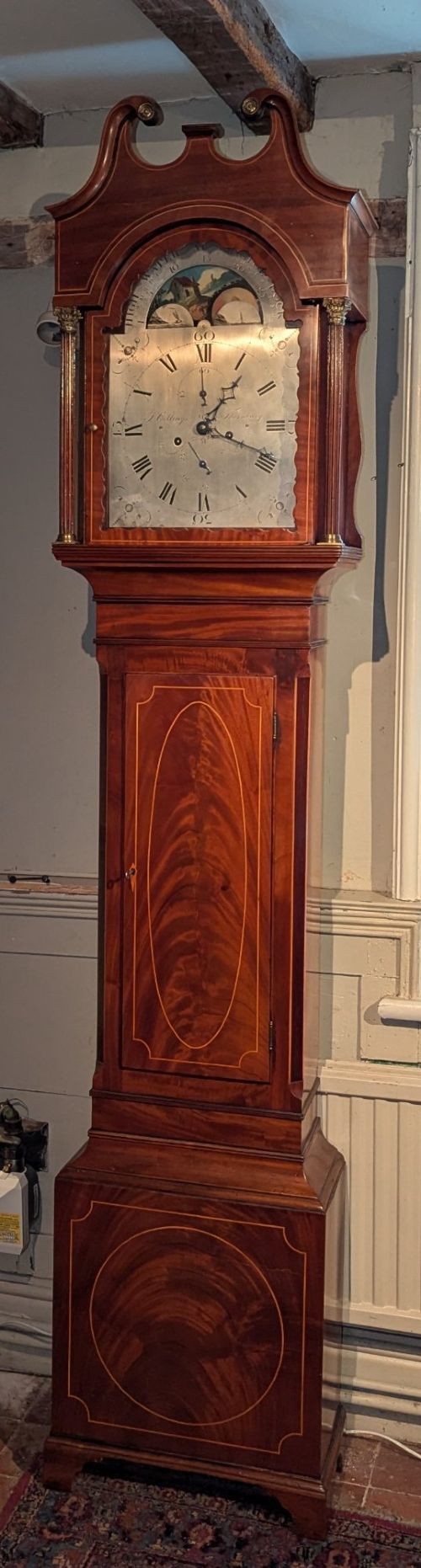
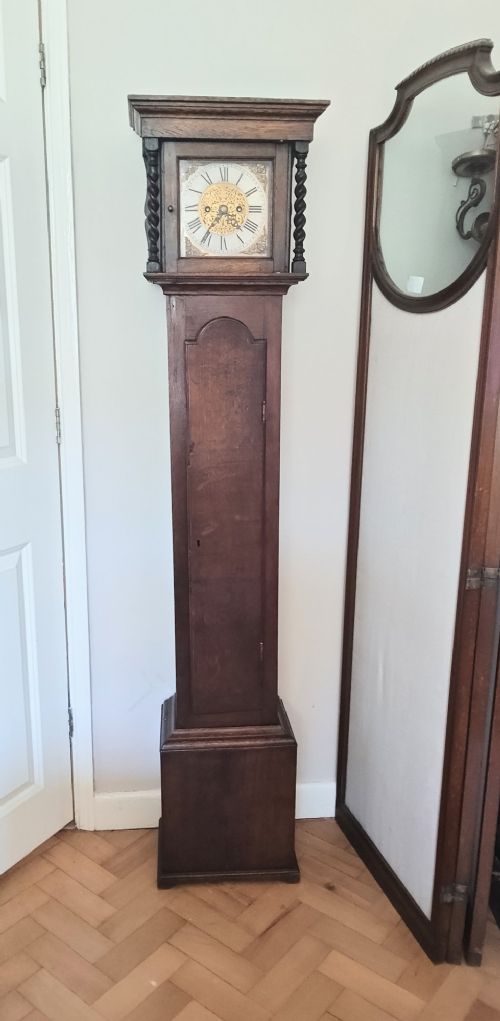
A 19th century clock case encompasses tall floor standing grandfather clocks, wall hanging regulators, and portable carriage designs in diverse regional styles. The inventory contains substantial mahogany and oak longcase enclosures from British and Scottish makers alongside French gilt brass and glass travel clocks.
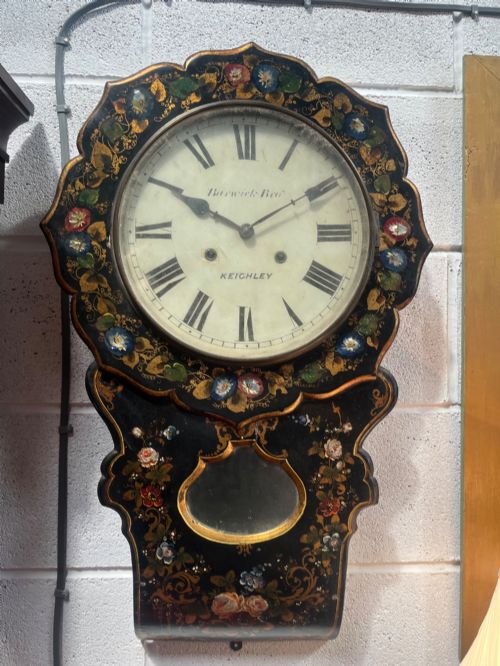
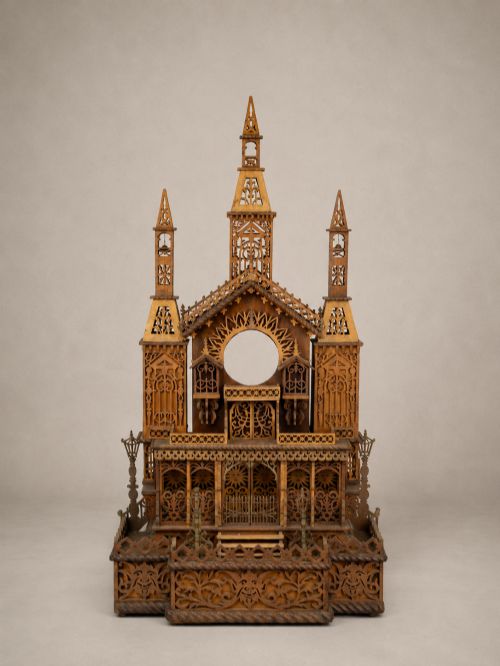
Tall case formats dominate the domestic vernacular, while smaller mantel and wall versions reflect later Victorian production. Buyers encounter architectural fretwork, inlaid wood surfaces, and visible glass panels displaying internal movements.
What Varies In Quality
Quality appears in the precision of cabinet joinery, the crispness of brass casting, and the depth of hand engraving on plates and dials. Superior examples display carefully matched wood veneers and intricate architectural fretwork rather than plain surfaces.
Signed works by recognised makers demonstrate superior mechanical and decorative execution compared to anonymous workshop output. The complexity of the movement, such as repeating strikes or musical chimes, distinguishes high tier specimens.
Listings feature mahogany, walnut, oak, brass, glass, and enamel across Victorian and Georgian periods.
Henri Jacot·Pickford of London·Drocourt Paris·Margaine Of France·AG Lenzkirch
The 19th Century Clock Case Glossary
- Carriage clock
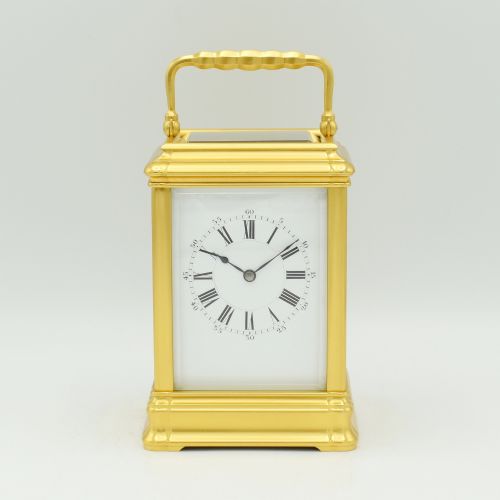
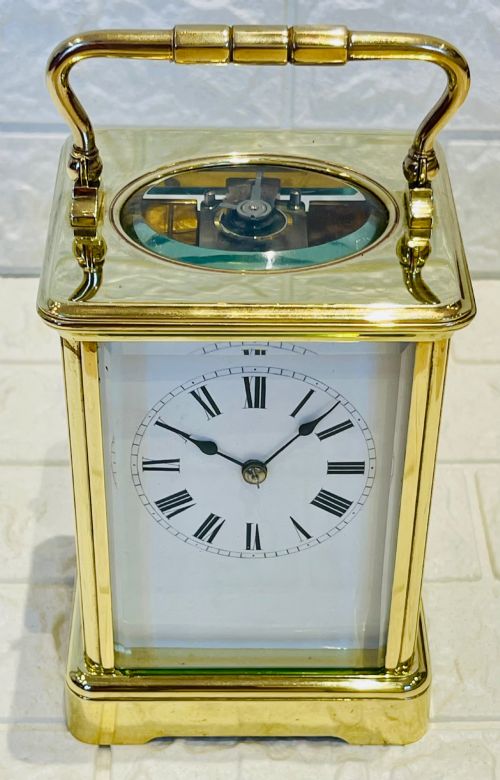
- A small, portable spring driven timekeeper designed for travel, housed in a brass and glass case with a folding handle.
- Longcase clock
- A tall freestanding weight driven timekeeper enclosed in a wooden trunk and hood, commonly called a grandfather clock.
- Gorge case
- A stepped brass carriage clock case style with a distinctive moulded top and base profile.
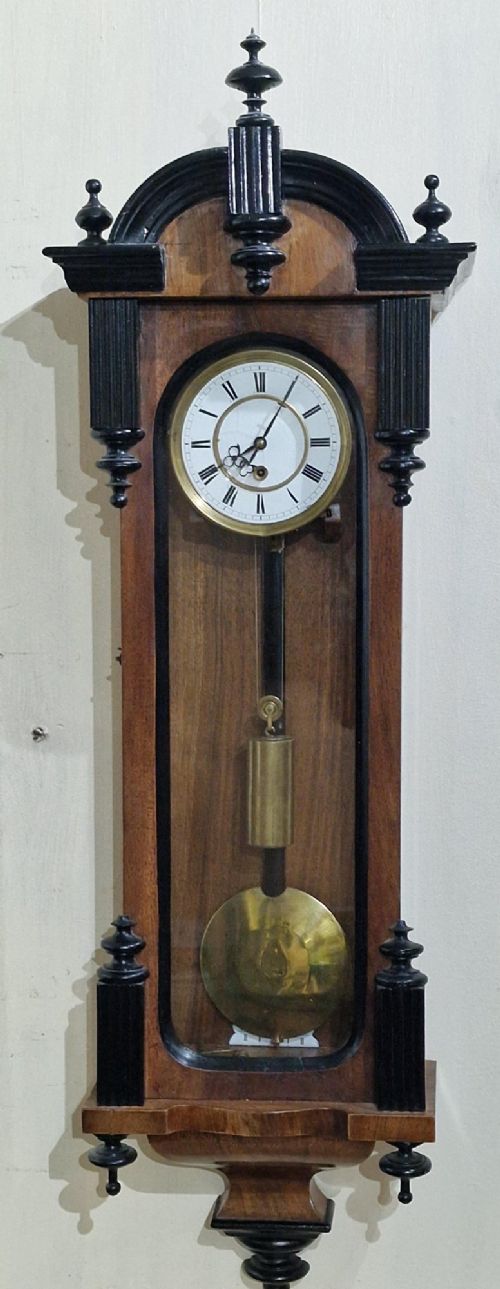
- Vienna regulator
- A precision wall hanging weight driven clock popular during the Victorian period, known for accurate timekeeping and elongated wooden cases.
- Fusee
- A conical pulley mechanism designed to maintain equal driving power as the mainspring unwinds.
19th Century Clock Case: Frequently Asked Questions
What is a 19th century clock case?
A 19th century clock case is the protective wooden, metal, or glass housing built to enclose the movement and dial of a pendulum or spring driven timepiece.
These enclosures range from tall grandfather floor trunks to compact brass carriage boxes and wall mounted regulator frames.
How do I identify a Scottish longcase?
Scottish longcase pieces often feature regional mahogany timbers and specific local signatures inscribed on the painted or brass dials.
Cabinet work from these northern workshops can display distinct hood designs and proportions compared to English equivalents.
Where were carriage clock cases placed?
Carriage clock cases were built for wealthy travellers to carry on journeys, housing delicate movements within sturdy brass and glass frames.
Owners typically placed them on bedroom or drawing room surfaces when stationary at home.
What is a Vienna regulator wall clock?
A Vienna regulator is a precision wall clock featuring a visible pendulum and long glass panelled wooden case.
These pieces were designed to hang in central rooms where exact timekeeping and mechanical movement could be observed.