


19th Century Chinese Cabinet
A 19th century chinese cabinet brings rich lacquer and dense hardwoods into a room, offering both practical storage and striking visual presence.
Understanding the 19th century chinese cabinet
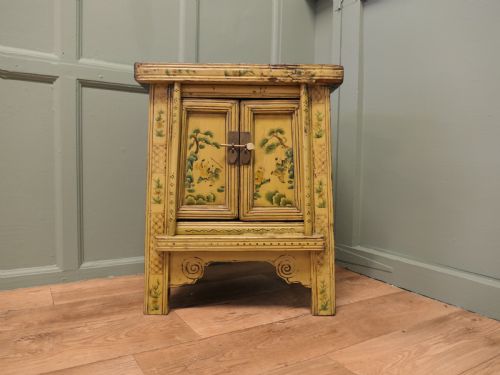
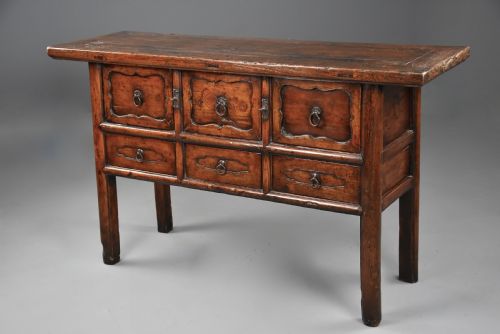
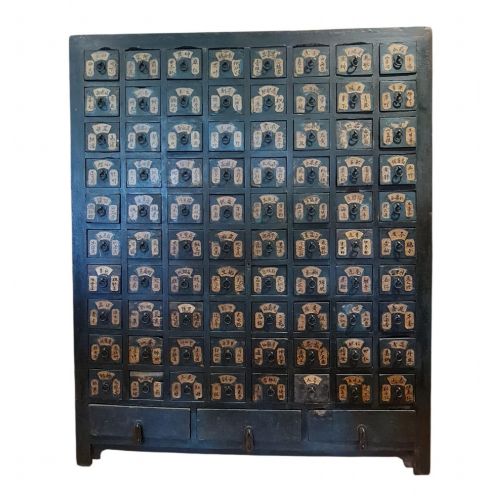
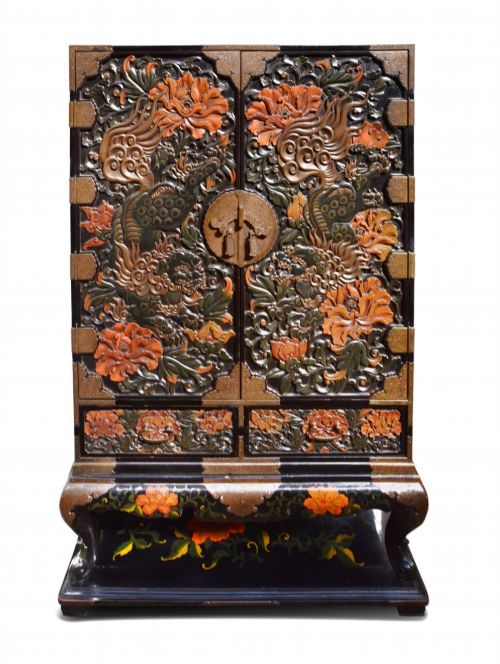
A 19th century chinese cabinet encompasses a varied group of functional storage pieces originating from the Qing Dynasty and Chinese Export periods. These include grand marriage cabinets, monumental cupboards, and compact table cabinets designed for specific domestic uses.
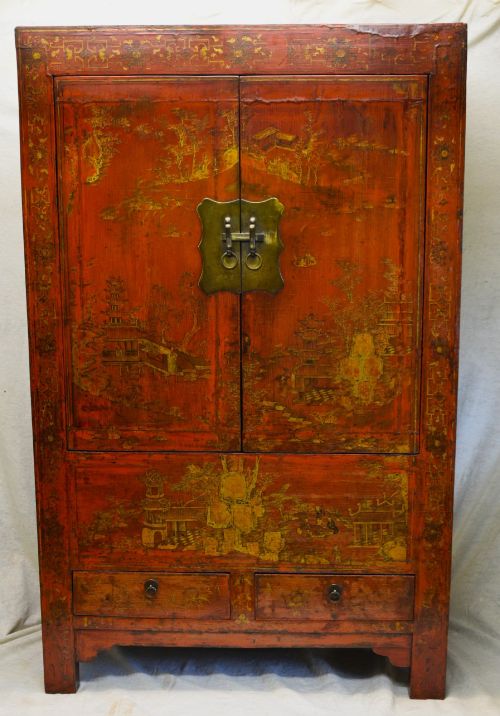
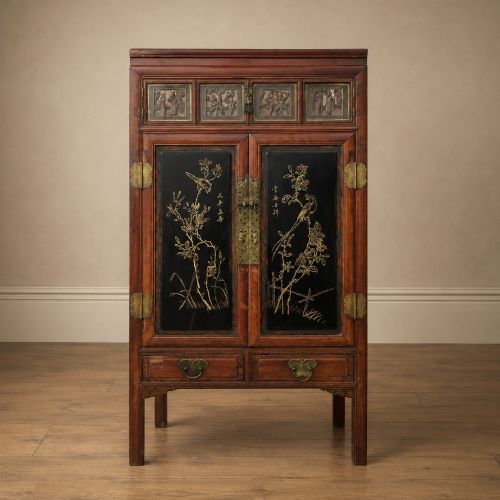
Buyers frequently encounter pieces finished in red or black lacquer, often decorated with gilded details. Alongside lacquered surfaces, solid wood examples constructed from elm, camphor wood, and dense hardwoods appear regularly.
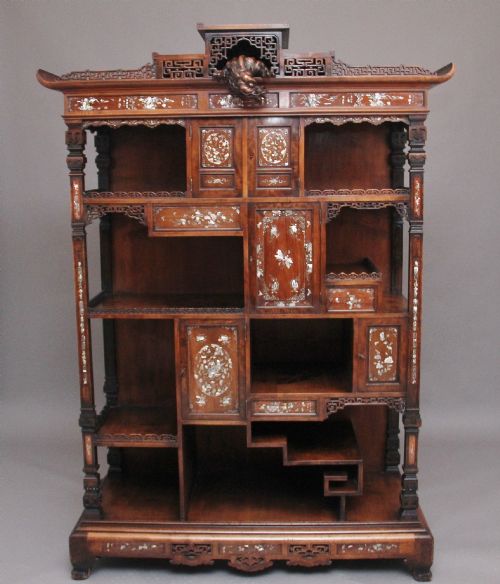
Regional origins such as Fujian Province are well represented among surviving pieces, showing local preferences in construction and ornamentation. Forms range from towering wardrobes to side cabinets and display units intended to showcase valued possessions.
Materials and construction methods
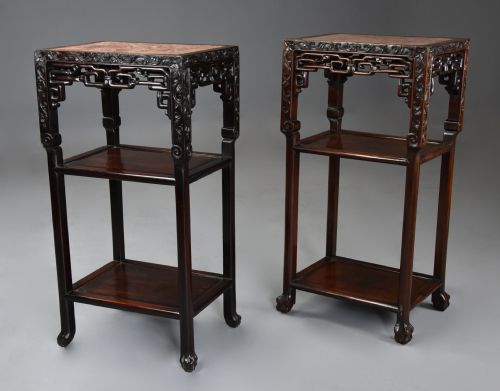
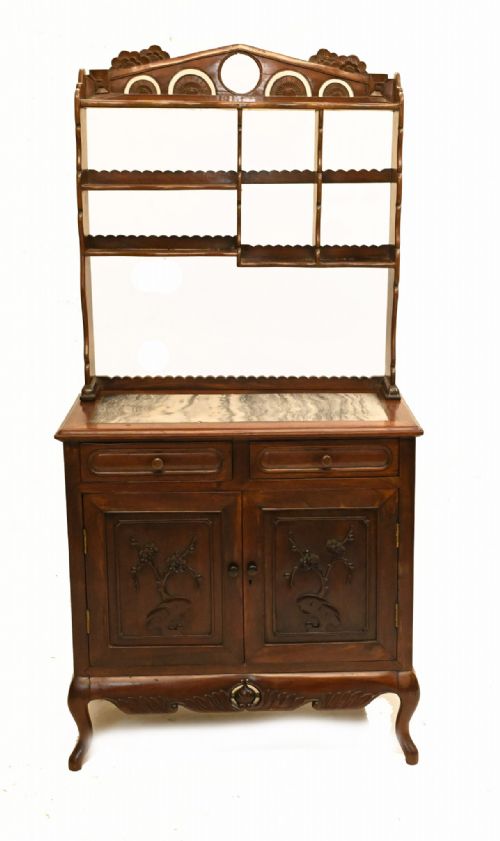
Craftsmen utilised a variety of native and imported timbers, building solid carcases from elm, camphor wood, padouk, huali, rosewood, and other hardwoods. Metal components, including brass mounts and hinges, reinforce and decorate the structural joints.
Surface finishes rely heavily on applied lacquer, sometimes enriched with gold leaf or hand-painted motifs. Certain examples incorporate carved elements, bone details, or cinnabar work to create layered textures across the exterior panels.
Retail Price Guide 2026
Typical UK retail prices for 19th century chinese cabinet, calculated from the Sellingantiques database of over a million retail prices indexed since 2003. This retail price guide relies exclusively on Sellingantiques data; no external sources or auction records are used, so the figures do not describe the wider market.
Listings demonstrate a strong presence of red lacquer finishes, alongside natural hardwoods like elm, camphor wood, and padouk.
Distinguishing quality across pieces
The sophistication of the surface decoration sets finer examples apart, particularly where hand-painted details and gold leaf work exhibit superior control and precision. Carved hardwood cabinets reveal their standard through the depth, sharpness, and intricacy of the relief work on doors and panels.
The choice of primary timber influences the character and substance of each piece, with dense hardwoods and well-figured elm representing significant craftsmanship. Intact lacquer surfaces with minimal disruption to the original red or black ground indicate careful preservation over time.
The 19th Century Chinese Cabinet Glossary
- Lacquer
- A durable finish applied in multiple layers using natural tree sap, providing a smooth protective coating that accepts pigments and metallic decoration. This technique forms the glossy red and black surfaces seen on many traditional pieces.
- Qing Dynasty
- The final imperial dynasty of China, spanning from sixteen forty-four to nineteen twelve. Pieces originating from this era reflect the traditional craftsmanship and stylistic conventions of the period.
- Chinese Export
- Objects manufactured in China specifically for Western markets during the nineteenth century. These items often blend traditional Eastern forms with design elements tailored for European or American interiors.
- Elm
- A resilient native timber valued for its distinct grain pattern and structural stability. Cabinet makers frequently utilised elm as a primary wood, often finishing the surface with red lacquer.
- Cinnabar
- A bright red mineral pigment utilised in traditional Chinese carving and lacquer work. Artisans built up thick layers of this material before carving intricate scenes into the surface.
Frequently Asked Questions
What were marriage cabinets used for?
Marriage cabinets served as traditional storage furniture presented to brides as part of their dowry. They typically held clothing, textiles, and personal valuables.
These large wardrobes often featured auspicious motifs symbolising fortune and longevity in the marriage. Their imposing scale made them central pieces in the domestic interior.
How do I care for a lacquered cabinet?
Lacquered surfaces require stable indoor humidity and protection from direct sunlight to prevent drying and cracking. Dusting with a soft, dry cloth is usually sufficient for routine maintenance.
Avoid using modern chemical polishes or abrasive cleaners on antique lacquer. Maintaining consistent environmental conditions helps preserve the integrity of the finish.
Are table cabinets practical for modern homes?
Table cabinets offer compact storage solutions suited for tabletops, desks, or sideboards. They provide enclosed compartments and drawers for organising smaller items.
Their decorative painted or carved exteriors allow them to function as focal points in contemporary living spaces. Collectors often place them where their detailed craftsmanship can be closely appreciated.
How can I identify the wood used?
Identifying the wood involves examining the grain pattern, colour, and weight of the timber. Softer native woods like elm show pronounced grain structures, while dense hardwoods like rosewood or padouk feel significantly heavier.
Surface finishes such as opaque red lacquer sometimes conceal the underlying timber entirely. In such cases, interior panels or unpainted areas provide better clues to the base material.