
19th Century Cherub Bronzes
19th century cherub bronzes bring sculptural grace and classical mythology into interiors through figures cast in metal and mounted on stone.
19th Century Cherub Bronzes
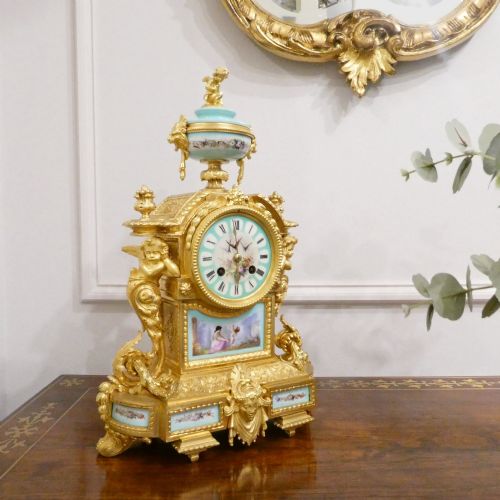
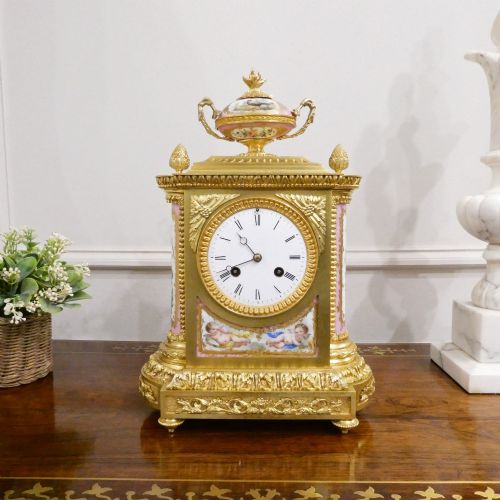
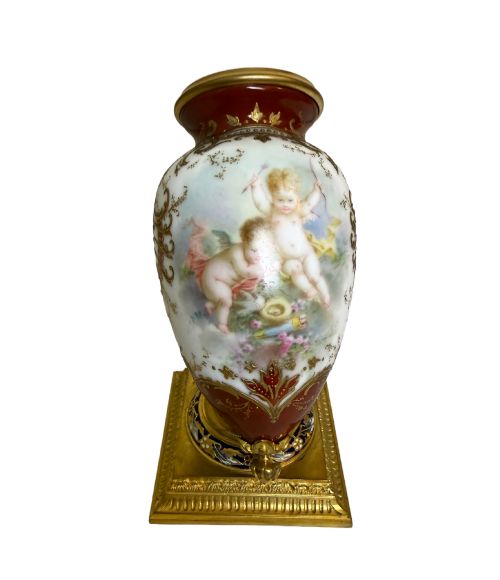
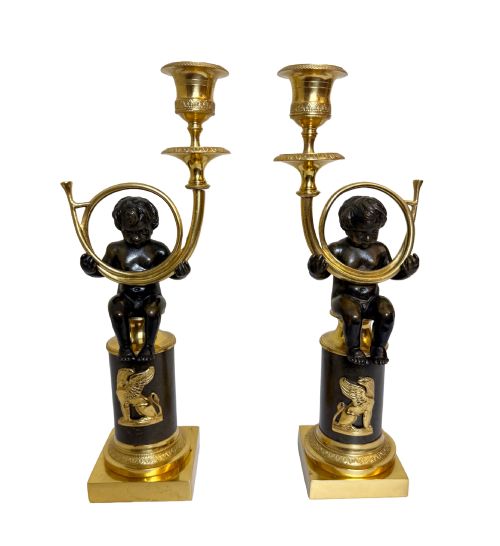
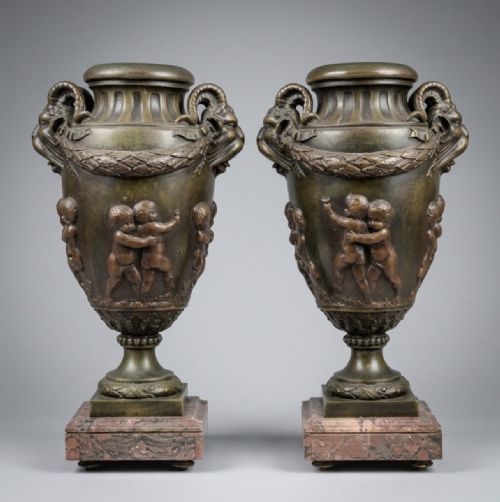
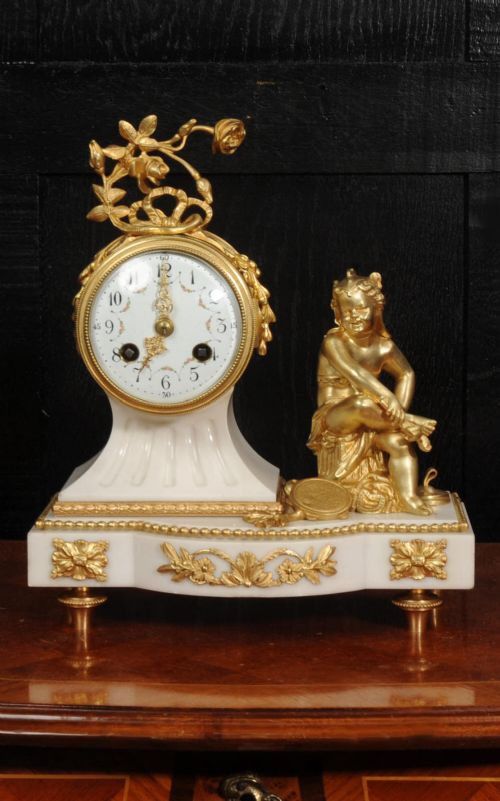
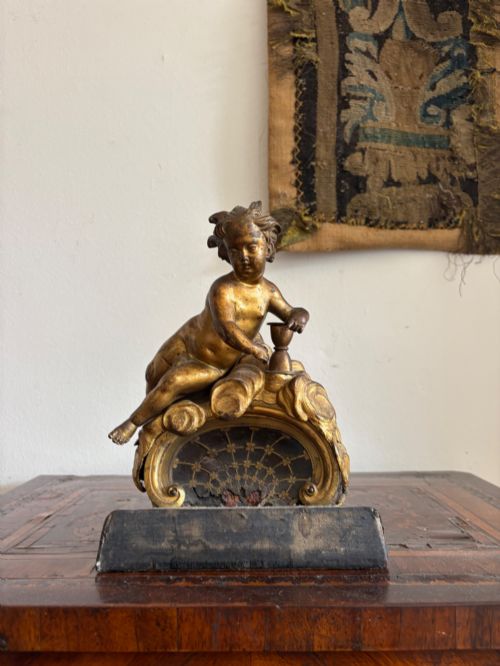
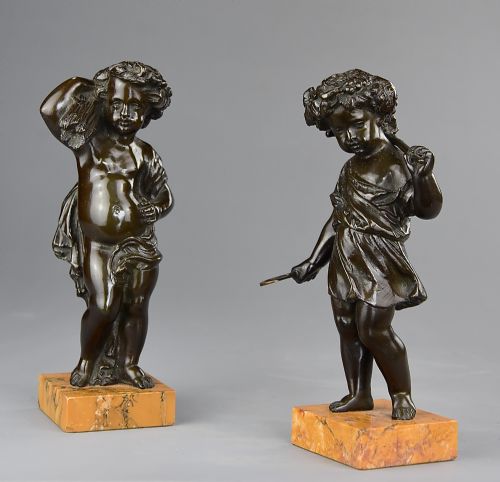
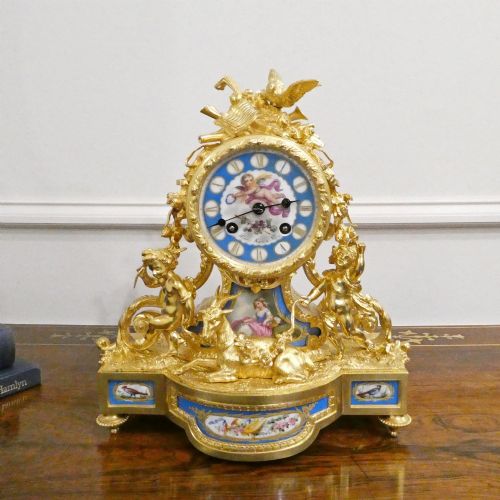
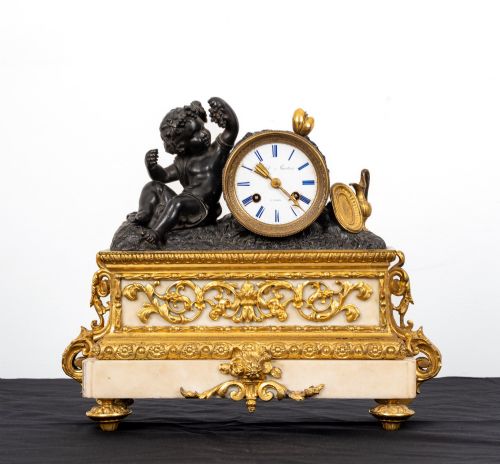
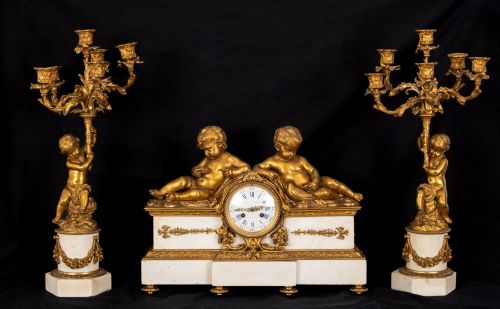
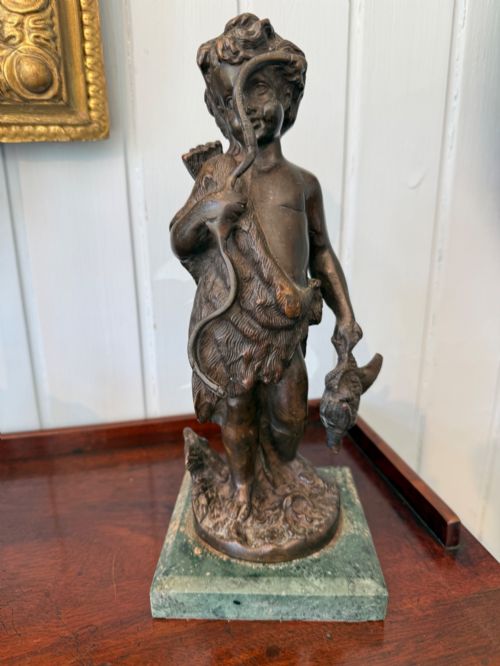
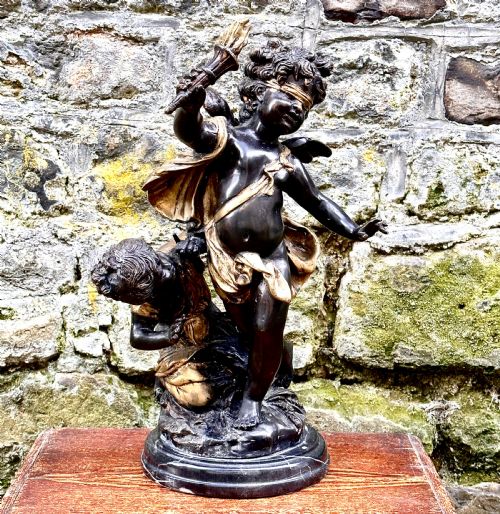
19th century cherub bronzes encompass mantel clocks, candlesticks, sculptures, and decorative urns featuring winged putti and cherubic figures. These works draw heavily upon French Rococo Revival, French Empire, and Neoclassical styles popular across the nineteenth century.
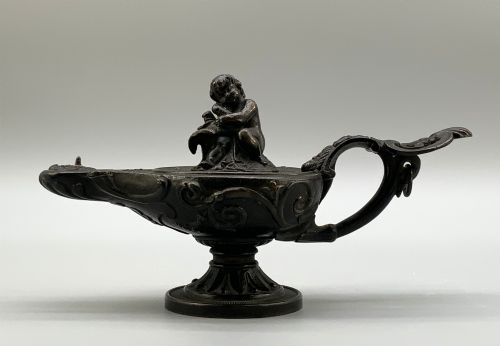
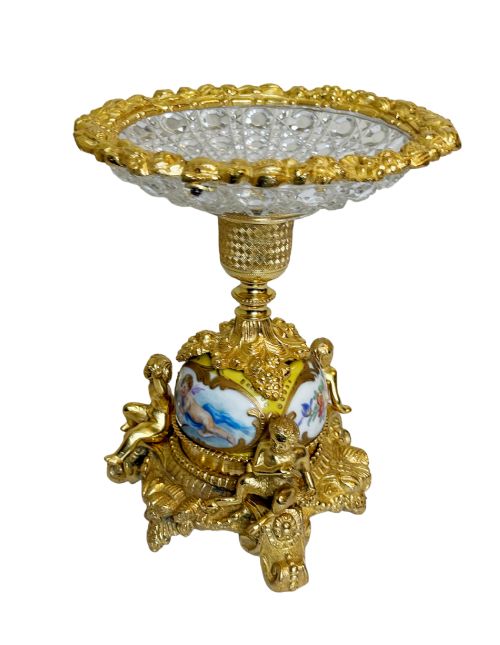
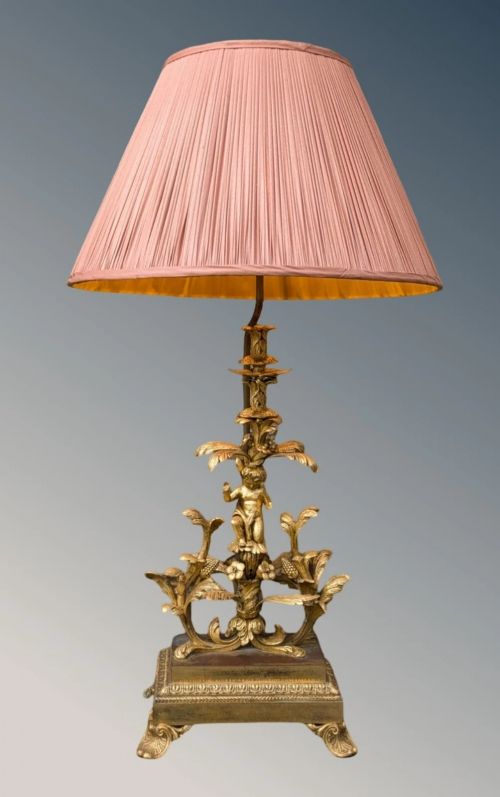
Buyers encounter items originating primarily from French and Italian workshops, often combining metal figures with white marble bases or porcelain elements. The forms range from functional oil lamps and wall sconces to freestanding desk ornaments and clock garnitures.
The sculptural subjects frequently depict mythological themes, allegorical harvest scenes, or classical figures after established sculptors like Clodion. Many pieces integrate seamlessly into period room settings as functional timekeepers or ornamental centrepieces.
How they were made
The manufacturing process relies on casting bronze or brass, followed by meticulous chasing and finishing to define the contours of the winged figures. Artisans frequently applied fire-gilding to create ormolu surfaces or used patination techniques to produce dark brown and green tones on the metal.
Many sculptural works combine these cast metal components with other materials such as white marble bases, hand-painted porcelain panels, cut crystal bowls, and enamel details. Clock movements and mounting fixtures were integrated by specialist horological firms and brass founders.
Several winged putti share their bronze pedestals with loyal spaniel dogs rather than traditional mythological attributes.
What varies in quality
The refinement of the chasing work on the bronze surface distinguishes superior castings, where feather details on wings and facial expressions remain crisp and deeply articulated. Lesser examples exhibit softer contours and shallower surface detailing from worn or repeated moulds.
The choice of supporting materials also dictates the grade of the piece, with dense white marble plinths, fire-gilt ormolu rather than lacquered brass, and signed clock movements by makers such as Japy Freres or Samuel Marti marking higher tiers of production.
Japy Freres·Henry Marc·Samuel Marti·Leon Message·Siffel and Cartier
The 19th Century Cherub Bronzes Glossary
- Ormolu
- Gilded bronze produced by applying a mercury and gold amalgam to a bronze base and heating it until the mercury vaporised. This technique creates a durable, golden surface characteristic of fine French decorative arts.
- Putto
- A plump, naked male child figure, often winged, derived from classical art and frequently depicted in Renaissance and Revival sculpture. These figures appear widely across candelabra and mantel clocks.
- Garniture
- A set of matching decorative objects, typically consisting of a central clock flanked by two matching vases, candelabra, or urns. They were designed to sit symmetrically upon a mantelpiece.
- Chenets
- Metal fire dogs placed inside a hearth to support logs, often cast in elaborate scrollwork or figural designs matching the room's decorative scheme.
19th Century Cherub Bronzes: Frequently Asked Questions
What is a putto?
A putto is a chubby infant figure, frequently possessing wings, that appears throughout classical and revival art. These figures represent mythological motifs of love and mischief.
In nineteenth-century metalwork, they serve as decorative supports for clocks, candleholders, and centrepieces.
How do I identify French Empire style?
French Empire style draws inspiration from ancient Roman, Greek, and Egyptian motifs, emphasising symmetry, heavy gilding, and martial or classical symbols. The metalwork from this period is characterised by solid construction and formal dignity.
Objects often incorporate dark patinated bronze contrasted sharply against bright ormolu mounts.
Where were these pieces displayed?
These decorative objects found homes primarily on mantelpieces, grand dining tables, and side cabinets in nineteenth-century drawing rooms. Garniture sets sat centrally beneath wall mirrors to complete the interior scheme.
Smaller items like desk blotters and oil lamps occupied writing tables and boudoirs.