

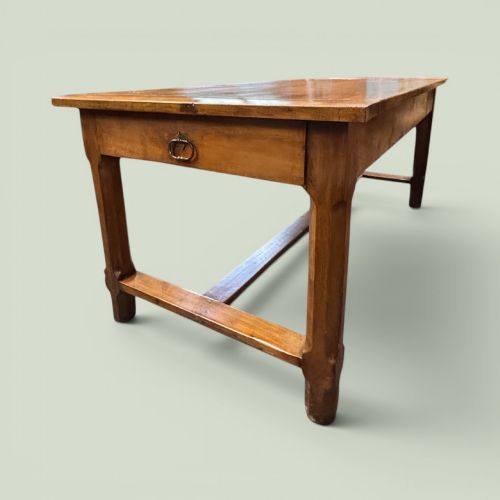
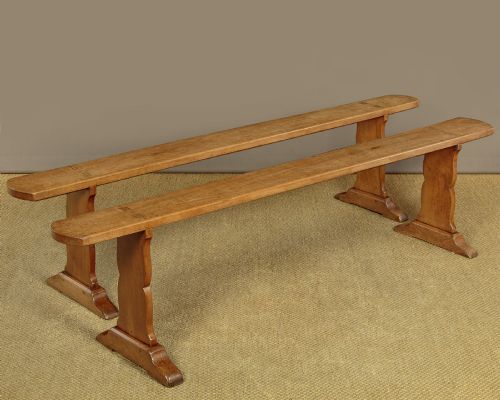
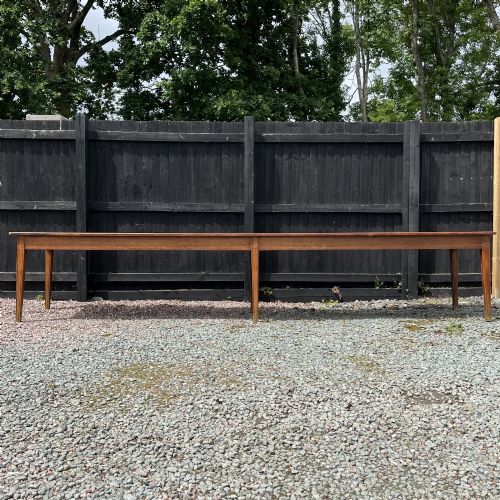


19th Century Cherrywood Table
A 19th century cherrywood table brings provincial warmth and rich timber grain to a room.
19th Century Cherrywood Table
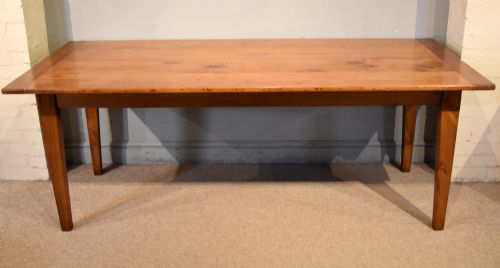
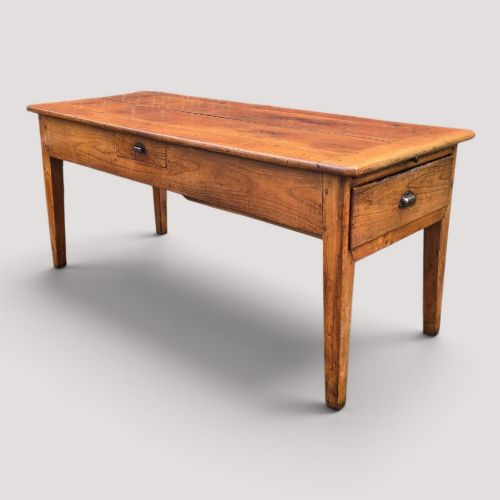
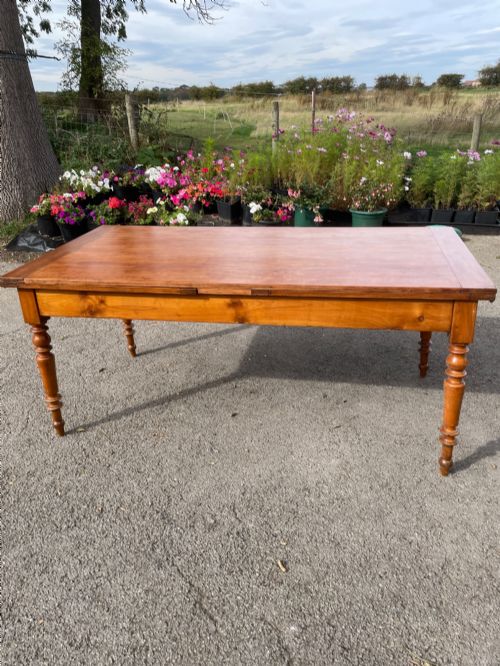
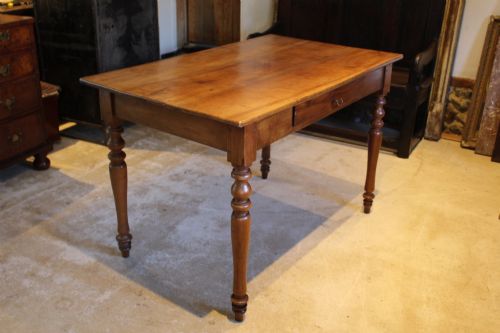
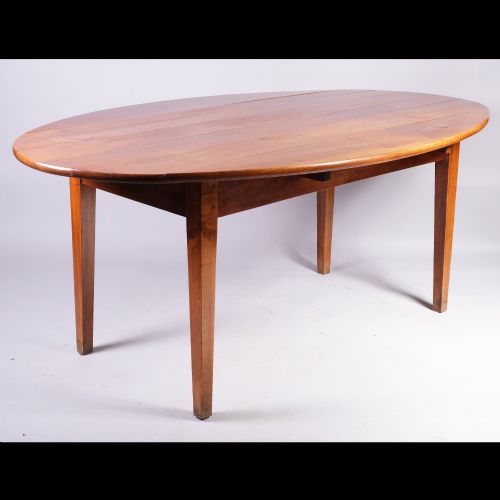
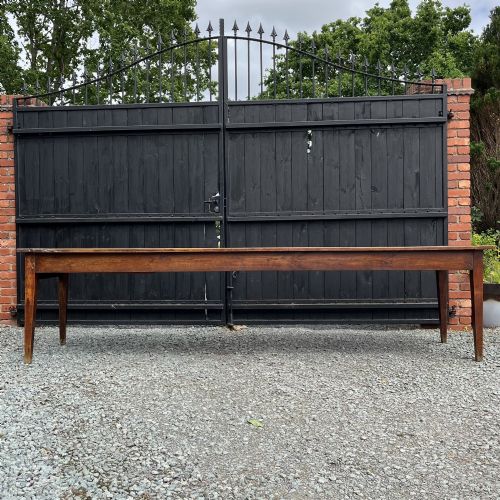
A 19th century cherrywood table encompasses a broad group of French provincial furniture designed for utility and everyday domestic life. Buyers searching this phrase meet substantial farmhouse dining tables, long refectory formats, and smaller forms such as side tables, consoles, and coffee tables.
The material creates a distinct visual weight compared to standard oak or pine, developing a warm, faded patina over decades of use. Many examples originate from rural French regions, reflecting traditional craftsmanship intended for kitchens, manors, and farmhouses.
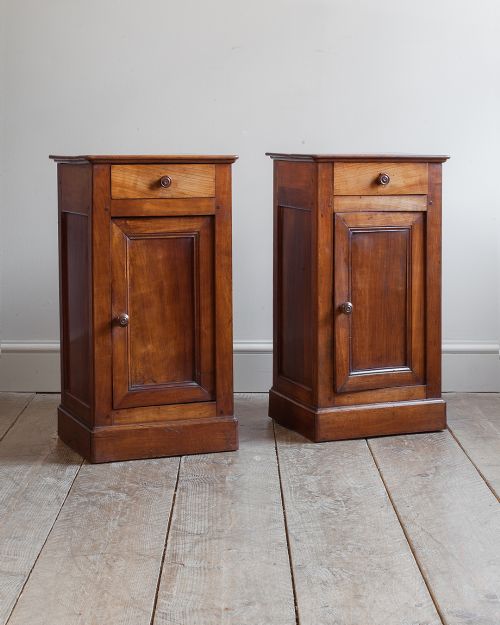
Dining and farmhouse tables dominate the selection, often incorporating practical elements like drawers or sliding bread boards. Alongside these large pieces, shorter low tables and occasional formats adapt the timber to modern domestic spaces.
How They Were Made
Joiners constructed these pieces primarily from solid cherrywood, fruitwood, and occasional secondary timbers like oak and pine for internal framing. The wood was selected for its dense grain and capacity to take a smooth finish without elaborate carving.
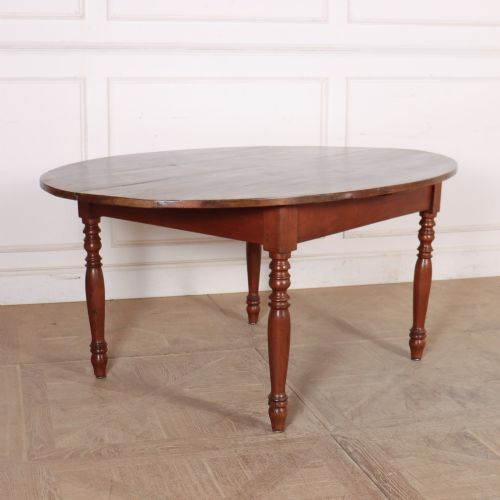
Construction methods prioritize structural integrity through pegged joints, mortise and tenon framing, and hand-turned legs. Functional hardware in brass or iron secures folding mechanisms, drop leaves, and drawers.
19th Century Cherrywood Table Retail Price Guide 2026
Typical asking prices for 19th century cherrywood table among the pieces listed under this phrase on Sellingantiques today, from the lower quarter to the upper quarter. They describe what is for sale here now, not the wider market.
Listings feature French provincial origins, spanning farmhouse dining formats, benches, and low coffee tables.
What Varies In Quality
Quality rests in the proportion of the timber, the integrity of the original construction, and the depth of the aged surface. Tables retaining their full structural height and thick topboards display greater integrity than heavily altered or reduced examples.
The nuance of the timber's colour and the presence of regional details, such as specific leg turnings or integrated drawers, distinguish standard utility furniture from exceptional country pieces.
The 19th Century Cherrywood Table Glossary
- Cherrywood
- A dense, fine-grained timber valued for its warm reddish-brown colour and ability to develop a deep patina over time.
- Farmhouse Table
- A sturdy, practical dining table built for daily rural use, often featuring a generous plank top and straightforward structural framing.
- Vendange Table
- A folding table traditionally used during the grape harvest, designed for practical transport and storage in wine-producing regions.
- Bread Board
- A sliding wooden board integrated beneath the table top, historically pulled out to prepare dough or slice bread.
- Refectory Table
- An elongated dining table originally designed for communal dining halls, characterised by substantial length and sturdy underframe stretchers.
19th Century Cherrywood Table: Frequently Asked Questions
What rooms suit a 19th century cherrywood table?
Large farmhouse formats function well as central kitchen or dining room furniture where daily gathering occurs. Smaller low tables and side variants adapt easily to living spaces.
Shorter console and bedside variations fit into hallways and bedrooms, offering practical surface area without dominating the floor plan.
How do I clean a cherrywood table?
Routine maintenance requires only a soft, dry cloth to remove dust and prevent surface build-up. Avoid harsh chemical cleaners that strip the historic finish.
Applying a traditional beeswax polish periodically helps nourish the timber and maintain the natural lustre of the aged surface.
How do I distinguish regional French styles?
Regional variations appear primarily in the shaping of the legs, apron profiles, and minor structural details. Pieces from Bresse or specific provinces display distinct local turnings.
General construction methods remain consistent across rural workshops, relying on pegged joints and solid fruitwood timbers.