





19th Century Carved Plaques
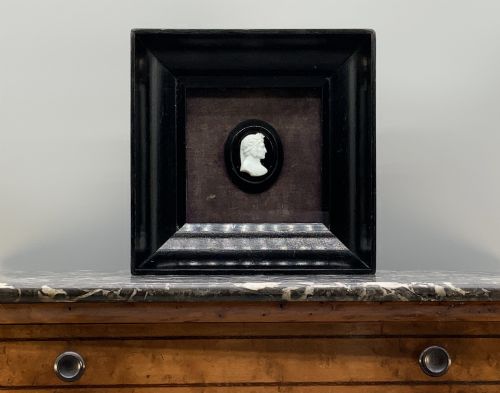
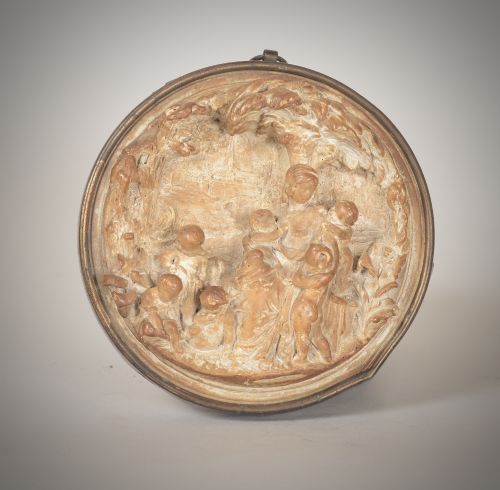
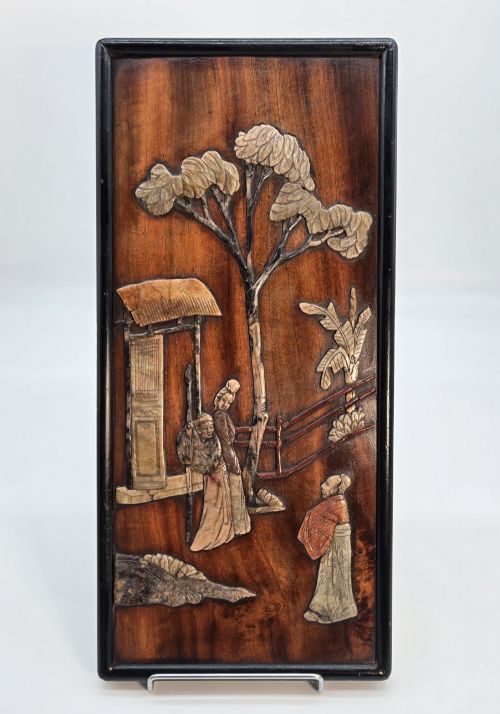
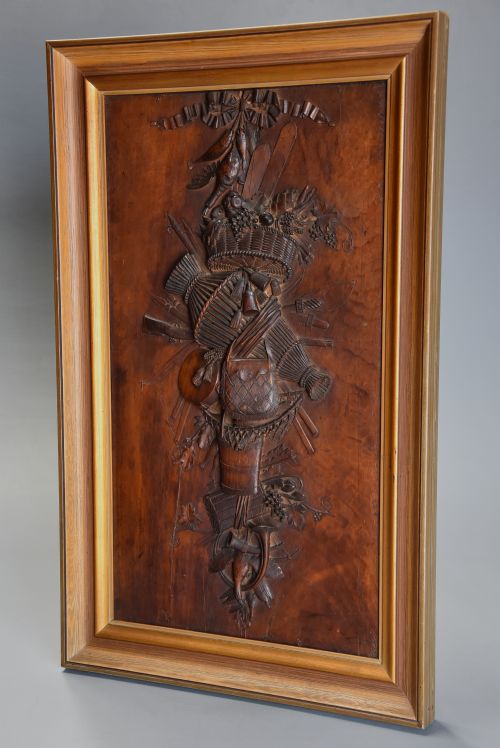
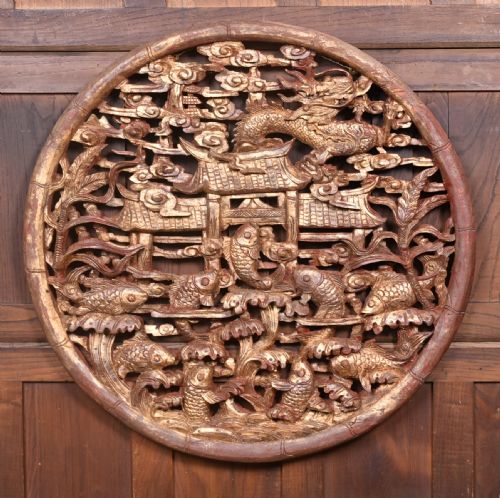
These 19th century carved plaques encompass timber, marble, and porcelain works designed for interior display.
19th Century Carved Plaques
19th century carved plaques span decorative panels, heraldic shields, and architectural fragments intended for wall mounting. These objects reflect diverse regional aesthetics, from Black Forest animal carvings to Neoclassical marble profiles.
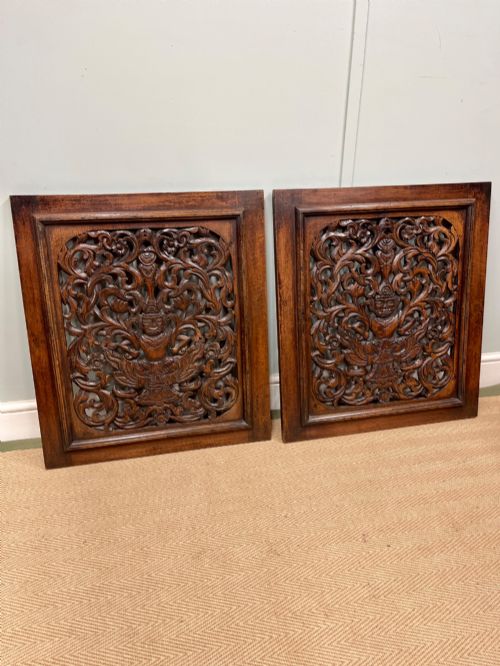
Buyers frequently encounter wooden panels and heraldic plaques executed in oak, mahogany, and fruitwood. Many pieces serve as standalone wall art, over-door panels, or mounted hunting trophies originating across Europe and Asia.
How They Were Made
Artisans utilised traditional hand-carving techniques on timbers such as oak, walnut, pine, and fruitwood to achieve deep relief and intricate detail. Workshops also employed stone, marble, ivory, and porcelain, often combining carved wooden frames with painted or glazed portrait plaques.
Surface treatments included natural timber finishes, paint, gold leaf, and polished brass mounts. Carvers relied on chisels and gouges to render complex foliage, heraldry, and figurative subjects across various regional schools.
Listings feature timber, marble, and porcelain materials across Victorian, Neoclassical, and Black Forest styles.
What Varies in Quality
Depth of carving and clarity of detail distinguish superior examples from standard production pieces. Finer works display accomplished proportions and crisp execution in challenging materials like hard woods or marble.
The preservation of original surface finishes, frames, and painted or gilded details impacts the integrity of an object. Sculptural definition in figurative and animal carvings marks the distinction between skilled workshops and mass production.
Van Rijckevorsel and Verheijen·Thorvalsen Workshop·Kasper Hendrik Roskam·KPM Porcelain
The 19th Century Carved Plaques Glossary
- Relief
- A sculptural technique where the figures project from a flat background. High relief stands out significantly, while low relief remains flatter.
- Heraldic
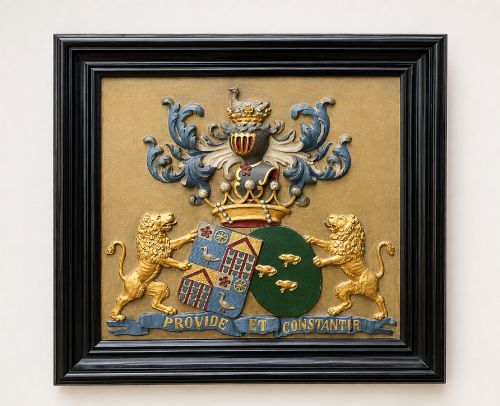
- Pertaining to coats of arms and genealogy. These plaques display family crests or civic insignia.
- Black Forest
- A nineteenth-century style of wood carving originating in Germany and Switzerland, typically featuring naturalistic animals and foliage.
- Grand Tour
- A nineteenth-century cultural journey undertaken by wealthy Europeans. Resulting souvenirs included classical portrait plaques and marble reliefs.
- Keystone
- The central wedge-shaped stone in an arch. Carved examples function as architectural salvage.
19th Century Carved Plaques: Frequently Asked Questions
How were 19th century carved plaques displayed?
These pieces were mounted directly onto interior walls, above doors, or integrated into architectural woodwork as focal points. Many included dedicated frames or backing shields for suspension.
Larger wooden trophies and heraldic panels decorated libraries, halls, and hunting lodges. Smaller porcelain and ivory plaques functioned as cabinet pieces or framed wall art.
What materials are common in these plaques?
Wood forms the primary material, encompassing oak, mahogany, walnut, pine, and fruitwood. Workshops also worked in marble, stone, terracotta, ivory, and porcelain.
Secondary materials include brass, gold leaf, and paint, which highlight carved details or secure the plaques within frames.
How can I identify Black Forest carvings?
Black Forest pieces typically feature deep, naturalistic wood carvings of animals, game, and foliage. Common motifs include deer, dogs, foxes, and oak leaves.
These works often take the form of wall plaques, hunting trophies, or functional panels associated with Swiss and German workshops.
What is a heraldic marriage plaque?
A heraldic marriage plaque combines the coats of arms of two families to commemorate a union. These carved panels record genealogical alliances.
Artists rendered these crests in wood, stone, or painted formats, often including dates and specific family names.